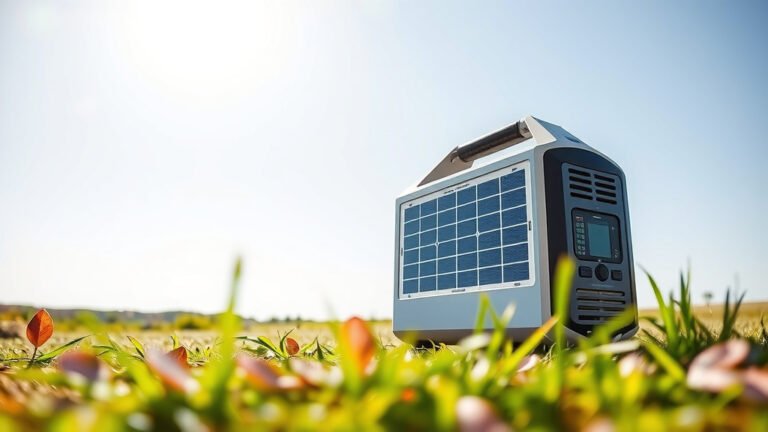

A 500W solar generator can run small to medium-sized devices like laptops, phones, LED lights, fans, mini fridges, and power tools for several hours depending on their power draw.
Your 500W solar generator provides roughly 500 watt-hours of stored energy, which means it can power a 100W device for about 5 hours or a 50W device for around 10 hours.
Understanding Your 500W Solar Generator’s Real Power
Let me clear up something that confuses many people. When you see “500W” on your solar generator, that number tells you about battery capacity, not how much power it can deliver at once.
Think of it like a water bucket. The 500W tells you how much water the bucket holds. But there’s also a spout that controls how fast water flows out. Most 500W generators can actually deliver between 300W to 600W of continuous power to your devices.
This matters because you need to check two things before plugging anything in:
- How much power does your device need to run?
- Can your generator’s output handle that demand?
Battery Capacity vs Output Power
Your generator stores energy in watt-hours (Wh). A typical 500W unit holds around 500Wh of energy. But the inverter inside determines how much power flows to your devices at any moment.
Here’s a simple way to think about it. Your phone charger might need 20W. Your generator can easily supply that and still have power left for other devices. But a hair dryer that needs 1500W? That’s way beyond what your 500W generator can handle.
Devices You Can Definitely Run
Let me walk you through what works great with a 500W solar generator. I’ve organized these by power needs so you can plan better.
Low Power Devices (Under 50W)
These are your best friends when using a 500W generator. They barely sip power and can run for many hours:
- Smartphones and tablets (5-15W) – charge them 20+ times
- LED light bulbs (8-15W each) – light up your space all night
- Laptop computers (30-65W) – work for 8-12 hours
- Small fans (25-45W) – stay cool for 10+ hours
- Radio or Bluetooth speakers (10-30W) – music all day
Want to know something cool? You can often run several of these at the same time. Charge your phone while your laptop runs and LED lights brighten your workspace.
Medium Power Devices (50W to 200W)
These devices need more juice but still work well with your generator:
- Mini refrigerators (60-100W) – keep food cold for 5-8 hours
- Electric blankets (75-150W) – stay warm for 3-6 hours
- Gaming consoles (70-150W) – play for 3-7 hours
- Small TVs (50-120W) – watch shows for 4-10 hours
- Portable coolers (55-85W) – preserve items for 6-9 hours
Power Tool Paradise
Here’s where 500W generators really shine. Most cordless power tools work perfectly:
- Drill battery chargers (50-150W)
- Circular saw chargers (100-180W)
- Work lights (20-100W)
- Small air compressors (150-300W)
I found that many contractors love these generators for jobsites without power. You can charge multiple tool batteries and run work lights simultaneously.
Devices That Push the Limits
Some appliances technically work but will drain your battery fast. Use these sparingly:
High Draw Electronics (200W to 400W)
- Coffee makers (300-400W) – brew 1-2 pots maximum
- Desktop computers (250-400W) – run for 1-2 hours
- Larger TVs (150-300W) – watch for 2-3 hours
- Portable heaters (300-500W) – warm up for 1-2 hours
These devices eat through your battery quickly. A 300W coffee maker will drain half your power making just one pot of coffee.
Medical Equipment Considerations
Many people ask about medical devices. Small ones usually work fine:
- CPAP machines (30-60W) – run all night
- Nebulizers (50-100W) – multiple treatments possible
- Small oxygen concentrators (300-400W) – limited runtime
Always check with your doctor before relying on portable power for medical equipment. Have backup plans ready.
What You Cannot Run
Let’s be honest about what won’t work. These devices need more power than your 500W generator can provide:
High-Wattage Appliances
- Hair dryers (1000-1800W)
- Microwaves (700-1200W)
- Electric kettles (1000-1500W)
- Space heaters (1000-1500W)
- Air conditioners (1000-3000W)
- Electric ovens (2000-5000W)
These appliances would either not start at all or immediately overload your generator’s inverter.
Motor-Heavy Equipment
Devices with motors often need extra power to start up, called “surge power.” Your 500W generator might handle the running power but not the startup surge:
- Full-size refrigerators
- Washing machines
- Power saws (corded versions)
- Air compressors (large ones)
Calculating Your Runtime
Want to know exactly how long your devices will run? Here’s the simple math that works every time:
Runtime Hours = Generator Capacity ÷ Device Power Draw
For example: 500Wh ÷ 100W device = 5 hours of runtime
Real-World Runtime Examples
| Device | Power Draw | Estimated Runtime |
|---|---|---|
| Smartphone | 10W | 50 hours |
| Laptop | 50W | 10 hours |
| LED Light | 15W | 33 hours |
| Mini Fridge | 80W | 6 hours |
| Small TV | 100W | 5 hours |
| Coffee Maker | 300W | 1.7 hours |
The 80% Rule
Here’s something I learned from reading generator forums. Don’t plan to use 100% of your battery capacity. Aim for about 80% to protect battery life and account for inverter losses.
So instead of 500Wh, plan for roughly 400Wh of usable power. This gives you more realistic runtime estimates.
Smart Power Management Tips
You can stretch your power much further with these strategies:
Priority Device System
Rank your devices by importance:
- Essential: Phone, medical devices, flashlights
- Important: Laptop, radio, small fan
- Nice-to-have: TV, gaming console, coffee maker
Power essentials first. Use the remaining capacity for other devices.
Sequential vs Simultaneous Use
Running devices one at a time saves power. Instead of keeping your laptop, phone charger, and fan all running together, try this:
- Charge devices first while they’re turned off
- Use the fan only when you’re in the room
- Turn off devices completely when not needed
Solar Charging Strategy
If your generator has solar panels, timing matters. I found that you can often run low-power devices during the day while solar panels recharge the battery.
On sunny days, your solar panels might generate 100-200W of power. This can directly power small devices while maintaining battery charge.
Seasonal Considerations
Your 500W generator performs differently in various seasons:
Summer Challenges
Hot weather affects battery performance. Your generator might deliver slightly less runtime when temperatures climb above 85°F.
You’ll also want fans and cooling devices, which compete for power with other electronics.
Winter Limitations
Cold weather can reduce battery capacity by 10-20%. Plan for shorter runtimes when camping or during winter power outages.
Electric blankets become tempting but remember they use 75-150W continuously.
Weather-Specific Device Priorities
- Hot weather: Fans, phone for emergency calls, LED lights
- Cold weather: Radio for updates, phone charging, minimal heating
- Storms: Communication devices, flashlights, weather radio
Emergency Preparedness Planning
During power outages, your 500W generator becomes a lifeline. Here’s how to maximize its emergency value:
72-Hour Emergency Kit
Plan your power needs for three days without electricity:
- Day 1: Focus on communication and lights
- Day 2: Add small appliances as needed
- Day 3: Conserve power for essentials only
Research from emergency preparedness experts suggests most power outages resolve within 72 hours (FEMA).
Family Communication Plan
Keep phones charged first. Everything else comes second during emergencies. A charged phone can:
- Contact emergency services
- Receive emergency alerts
- Connect with family members
- Access news and weather updates
Maintenance for Maximum Performance
Your generator works best when properly maintained:
Battery Care Basics
- Recharge every 3-6 months when not in use
- Store in cool, dry places
- Avoid completely draining the battery
- Keep terminals clean and corrosion-free
Performance Monitoring
Watch for these signs that your generator needs attention:
- Shorter runtime than expected
- Slow charging speeds
- Unusual noises from the inverter
- Error codes on the display
Conclusion
Your 500W solar generator opens up a world of portable power possibilities. From keeping phones charged during camping trips to powering essential devices during outages, it handles most small to medium electronics with ease.
Remember the key limits: around 500Wh of stored energy and typically 300-600W of output power. Stick to devices under 300W for best results, and always have a backup plan for critical needs.
Start small, learn what works for your specific devices, and gradually expand your portable power setup. With smart planning and realistic expectations, your 500W generator becomes an incredibly useful tool for both adventures and emergencies.
Can a 500W solar generator run a refrigerator?
A 500W generator can run mini refrigerators (60-100W) for 5-8 hours, but cannot handle full-size refrigerators which need 400-800W plus high startup surge power that exceeds the generator’s capacity.
How long will a 500W solar generator power my CPAP machine?
Most CPAP machines use 30-60W, so a 500W generator can power them for 8-16 hours depending on your specific model and settings. Always verify your CPAP’s power requirements and test before depending on it.
Can I charge my electric car with a 500W solar generator?
No, electric cars require much higher power levels (typically 3000-7000W minimum) for charging. A 500W generator lacks both the power output and proper charging connectors for electric vehicles.
What happens if I plug in a device that needs more than 500W?
The generator’s safety systems will typically shut down or refuse to start the device to prevent damage. Some units may show error codes or warning lights when you exceed their power output capacity.
How many solar panels do I need to recharge a 500W generator?
Most 500W generators work well with 100-200W of solar panels. Larger panel arrays (300W+) can recharge faster but may exceed the generator’s maximum solar input capacity, so always check your unit’s specifications first.