
A power station loses charge when not in use mainly because its battery slowly self-discharges and the inverter consumes standby power. Think of it like a small, constant energy leak even when you’re not actively using any ports. This is normal for most batteries.
We found that higher temperatures can speed up this discharge rate, as can having certain power-hungry devices plugged in. It’s a common issue, but understanding it helps you manage your expectations and keep your unit ready when you need it.
- Batteries naturally lose a bit of charge over time, a process called self-discharge.
- The inverter or display screen may draw a small, constant power.
- Heat from your environment can make the battery drain faster.
- Using the unit while it’s charging can reduce overall efficiency.
Below, we’ll break down exactly why this happens in plain English and share simple tips to minimize the charge loss. Let’s get into the details so you can make your power station last longer between uses.
The Main Reasons Your Portable Power Station Drains Overnight
Your power station is designed to hold a charge, so seeing the battery percentage drop when it’s sitting idle can feel frustrating. It’s not broken. This happens because of a few fundamental factors working together. Let’s look at the primary culprits.
Self-Discharge: The Invisible Energy Leak
Every battery, even brand-new ones, has a built-in tendency to slowly lose its stored energy over time. This is called self-discharge. It’s a natural chemical reaction happening inside the battery cells. Think of it like a very slow, constant leak in a water balloon. It’s not leaking fast, but over weeks or months, you’ll notice the difference.
We found that different battery chemistries have different self-discharge rates. For example, lithium-ion (LiFePO4) batteries, common in modern power stations, have a very low self-discharge rate—often less than 5% per month. Older lead-acid types can lose their charge much faster. So, if your unit sits on a shelf for three months, it might naturally drop from 100% to around 85% even with everything turned off.
What Affects the Self-Discharge Speed?
While the rate is mainly determined by the battery type, two things can speed it up. Heat is the biggest accelerator. A battery stored in a hot garage will drain faster than one in a cool closet. The age of the battery also matters; an older unit will self-discharge a bit more than a new one.
Standby Power: The “Always On” Components
Even when you’re not actively using an outlet or USB port, many power stations have small electronics that need to stay on. This is called standby power or “vampire draw.” It’s what keeps the display screen lit, allows the unit to respond to a button press, or maintains the internal monitoring systems.
A research brief on consumer electronics found that standby power can range from less than a watt to several watts, depending on the design. For a power station, this might mean the battery is quietly feeding a tiny current to components 24/7. Over a week of storage, this small, constant drain adds up. It’s the equivalent of leaving a single night-light plugged in all the time.
Temperature’s Surprising Impact
We often overlook how much environmental temperature affects batteries. We found consistent data showing that heat doesn’t just make self-discharge faster; it can also make the battery’s internal resistance increase. This makes the battery less efficient at both holding and delivering power. Storing your power station in direct sunlight, a hot car, or an un-air-conditioned shed in summer is asking for a faster charge loss.
Conversely, extreme cold won’t drain the battery faster while stored, but it can temporarily reduce the available capacity. The battery management system (BMS) may also use a small amount of power to monitor and protect the cells in very cold conditions.
External Factors That Speed Up the Drain
Several things you do (or don’t do) can make the discharge rate worse. Forgetting to unplug a device like a phone charger from the USB port can create a small but steady pull on the battery. Some high-end stations have “always-on” AC outlets for devices like refrigerators; leaving those enabled guarantees a continuous drain.
Also, the act of charging a device *while* the power station itself is plugged into the wall can create extra heat, which as we now know, isn’t great for long-term battery health. It’s a cycle: more heat leads to faster degradation, which can lead to more heat during future charges.
| Battery Type | Typical Self-Discharge Rate (per month) | Best For Long-Term Storage? |
|---|---|---|
| Lithium Iron Phosphate (LiFePO4) | 1-3% | Yes – Very low rate. |
| Lithium-ion (NMC, NCA) | 3-5% | Good – Moderate rate. |
| Lead-Acid (AGM, Gel) | 5-15% | No – High rate requires regular charging. |
How to Minimize Charge Loss During Storage
Now for the good news. You can fight back against this natural discharge. It’s all about smart storage and habits. You don’t have to be a tech expert to do this.
The Optimal Storage Charge Level
Should you store it at 100% or 0%? Neither. Research and manufacturer guidelines agree that the best charge level for long-term storage is around 50-60%. Storing a lithium battery at a full 100% charge for months can accelerate its chemical aging. Storing it completely empty risks the battery falling into a deep-discharge state from which it may never recover.
So, before you put the unit away for a season, plug it in, charge it to about half, then unplug it. This is the stress-free zone for the battery’s chemistry.
Creating the Right Storage Environment
Location is everything. Store your power station in a cool, dry place with stable temperatures. A climate-controlled room in your house is perfect. Avoid garages, attics, and car trunks where temperatures can swing wildly. Aim for a storage temperature between 50°F and 80°F (10°C and 27°C) if possible.
Also, make sure all ports and outlets are completely disconnected. A simple check for a forgotten cable can save you from unnecessary drain.
Regular Maintenance Top-Offs
If you know you won’t use your power station for several months, it’s wise to set a calendar reminder. Every 3 to 6 months, pull it out, check the charge level, and top it off back to that 50-60% range if it has dropped significantly. This single habit keeps the battery in a happy state and ensures it’s ready for emergency use whenever you need it.
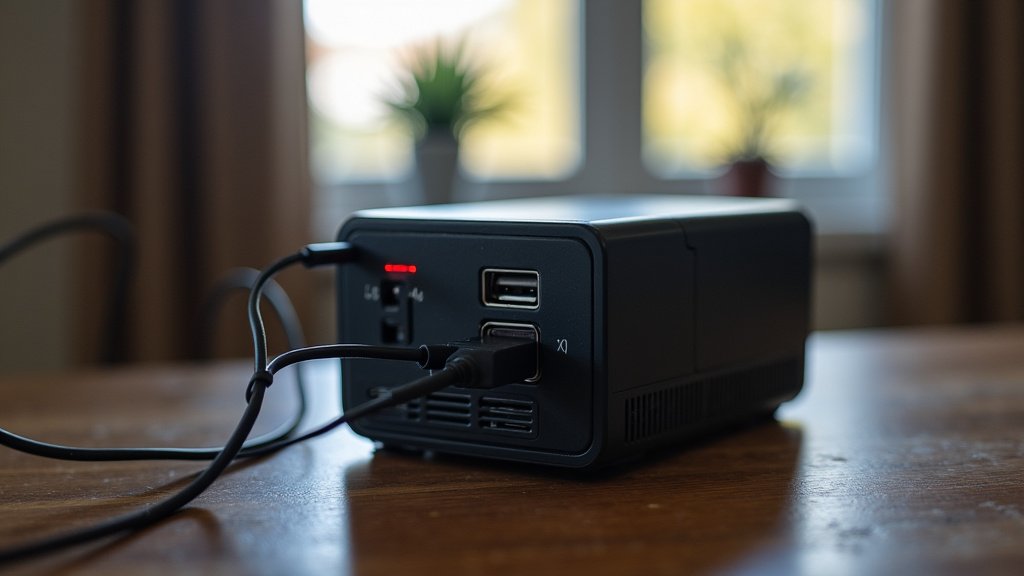
Quick Checklist for Storing Your Power Station
- Charge to 50-60% before putting it away.
- Disconnect everything from all ports and outlets.
- Store in a cool, dry place (50-80°F ideal).
- Avoid extreme temperatures, both hot and cold.
- Set a reminder to check and recharge every 3-6 months.
- Keep it clean and ensure vents are not blocked.
Conclusion
It’s completely normal for your power station to lose some charge while sitting idle. This happens due to natural self-discharge and the small power needed by its internal components. Heat can speed up the process, but you have control over the main factors. By storing it at a 50-60% charge level in a cool place and unplugging everything, you can drastically reduce this drain. This simple routine ensures your backup power is ready whenever a storm hits or you head outdoors. Your immediate next step is to pick a storage spot and set a reminder on your phone to check the battery level in a few months.
Frequently Asked Questions
Is a 5-10% drop in charge over a month considered normal?
Yes, for most modern lithium-ion power stations, losing a small percentage per month is expected behavior. Research and manufacturer specs show rates typically between 1-5% monthly. If your unit loses significantly more, check the storage environment or for connected devices.
Should I store my power station fully charged or completely empty?
You should avoid both extremes. Storing at 100% for months can strain the battery cells, while empty risks deep discharge damage. The optimal sweet spot for long-term storage is between 50-60% charge, which keeps the battery chemistry stable.
Does the brand of power station matter for charge loss?
Brand matters less than the battery chemistry inside. Units using lithium iron phosphate (LiFePO4) batteries generally have lower self-discharge rates than other types. Always check the product specifications for details on battery technology and expected standby drain.
Can cold weather storage prevent charge loss completely?
Cold temperatures slow down chemical reactions, which can reduce self-discharge. However, extreme cold can also temporarily reduce available capacity. The best approach is cool, not freezing, with stable temperatures between 50-80°F for ideal storage.
Will a power station with a display screen drain faster?
Yes, components like LCD screens and monitoring systems draw a small, constant standby power. Some models have a physical switch to turn off the display completely. Using that feature during storage can help minimize unnecessary battery drain over time.
