
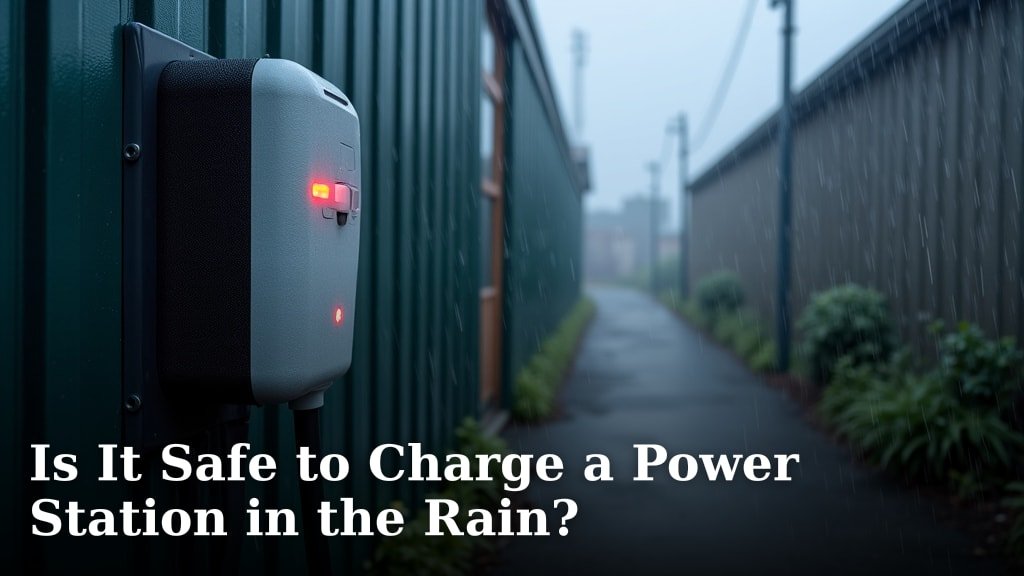
No, it is generally not safe to charge a power station in the rain. Exposing your power station to moisture, especially while it’s connected to a power source, can cause serious damage and create electrical hazards. Water and electronics are a dangerous mix.
While some power stations might have a degree of water resistance, they are rarely designed for direct exposure to rain. Charging involves electricity flowing, and water is a conductor. This combination creates a risk of short circuits and even electric shock. Always check your owner’s manual for specific weatherproofing details.
- Generally, avoid charging in the rain.
- Water can damage your power station.
- Electricity and water create shock hazards.
- Always protect your device from the elements.
Let’s break down why charging your power station outdoors during a storm is a bad idea and what precautions you should take. The charging method you choose, like solar or AC, significantly impacts how long it takes to fully charge your power station.
Keeping Your Power Station Dry While Charging Outdoors
Can you charge your power station outside when it’s raining? The short answer is no, you really shouldn’t. Water and electricity are a dangerous combination. Exposing your power station to rain while it’s charging can lead to major damage and create unsafe conditions.
Most power stations are not built to withstand direct contact with water, especially when electricity is involved. Even if your device has some water resistance, it’s usually not enough for a downpour. We need to keep them protected from the elements.
Why Rain and Charging Don’t Mix
Think of water like a highway for electricity. When water gets into your power station’s ports or internal components, it can create shortcuts. These shortcuts, known as short circuits, can fry your electronics in seconds. It’s like giving electricity an unexpected detour it shouldn’t take.
Moreover, charging involves an active electrical current. When this current meets water, it can create a path for that electricity to travel outside the device. This means there’s a risk of electric shock if you touch the power station or anything connected to it. Safety experts, like those at the U.S. Consumer Product Safety Commission, strongly advise against using electrical devices in wet conditions.
Understanding Your Power Station’s Weather Resistance
Some newer power stations are designed with more robust construction. They might have higher IP (Ingress Protection) ratings. This rating tells you how well a device is protected against solids (like dust) and liquids (like water). An IP rating of IPX4, for example, means it can resist water splashes from any direction.
However, even an IPX4 rating doesn’t mean it’s safe to charge in a steady rain. It’s meant for accidental splashes, not continuous exposure. Charging requires open ports where water can easily enter. You should always check your power station’s manual for its specific IP rating and weatherproofing capabilities. Never assume it’s waterproof.
What Does an IP Rating Mean for You?
An IP rating looks like IP followed by two numbers, like IP67. The first digit is for solids, and the second is for liquids. The higher the number, the better the protection.
- IP67 means it’s dust-tight and can be submerged in water up to 1 meter for 30 minutes. This is quite good!
- IPX4 means it’s protected against water splashes. The ‘X’ means dust protection wasn’t tested.
While these ratings are helpful, remember that charging is an active electrical process. Even a splash-resistant device could be vulnerable when plugged in during heavy rain. It’s best to be cautious.
Potential Damage to Your Power Station
If water does get into your power station, the consequences can be severe. Moisture can corrode internal components like circuit boards and battery cells over time. This corrosion can lead to intermittent failures or complete breakdown of the device.
You might notice reduced performance or charging issues even after the device dries out. Water can leave behind mineral deposits that interfere with electrical connections. Think of it like rust forming on metal parts; it hinders proper function. This is why immediate drying and professional inspection are recommended if your device gets wet.
Signs of Water Damage
Watch out for these indicators that your power station might have suffered water damage:
- Visible rust or corrosion on ports or connectors.
- Unusual noises, like crackling or buzzing, when operating.
- Error messages on a digital display.
- The device not turning on or charging at all.
- A burning smell coming from the unit.
If you see any of these signs, stop using the power station immediately and consult the manufacturer.
Safer Alternatives for Outdoor Charging
So, you’re camping or in an RV, and you need to charge up. What can you do if the weather turns bad? The key is to create a protected charging environment. You wouldn’t leave your phone out in the rain, and your power station deserves the same care.
Creating a Temporary Shelter
The simplest solution is to find or create a dry space. If you’re in a car, an RV, or a tent with good ventilation, you can charge your power station inside. These locations offer protection from direct rain.
If you’re in a more open area, consider using a waterproof tarp or canopy. You can set this up to cover your charging setup. Make sure the shelter is stable and won’t blow away in the wind. Ensure there’s still good airflow to prevent overheating, which is another important factor for power stations.
Utilizing Solar Charging Wisely
Many power stations can be charged using solar panels. This is a fantastic option for off-grid power. However, solar panels themselves should not be left out in heavy rain if they are connected to the power station. Many power stations can be charged using solar panels, which is a fantastic option for off-grid power.
If you have portable solar panels, you can set them up when the rain stops or is light. If it’s pouring, it’s best to disconnect the solar panels and bring them inside. You can then reconnect them when the weather clears. Some solar generators have built-in panels, but these are often not designed for direct rain exposure while charging.
Solar Charging Checklist for Rainy Weather
Here’s a quick rundown for solar charging:
- Assess the rain intensity. Light drizzle might be okay for some panels, but heavy rain is not.
- If possible, connect solar panels to the power station only when there’s consistent sunlight.
- Keep the power station itself dry and protected indoors or under shelter.
- Disconnect panels if the rain becomes heavy or if there’s lightning.
- Check your solar panel and power station manuals for specific weather guidance.
Portable Power Stations with Higher IP Ratings
Some manufacturers are starting to release power stations with higher water and dust resistance ratings. These might be suitable for light moisture or splashes but still require careful handling. Always read the specifications carefully.
Even with a higher IP rating, it’s wise to use caution. Think of it as a safety net, not an invitation to expose your device to harsh weather. Most outdoor enthusiasts agree that extra protection is always a good idea when dealing with electronics and the unpredictable outdoors.
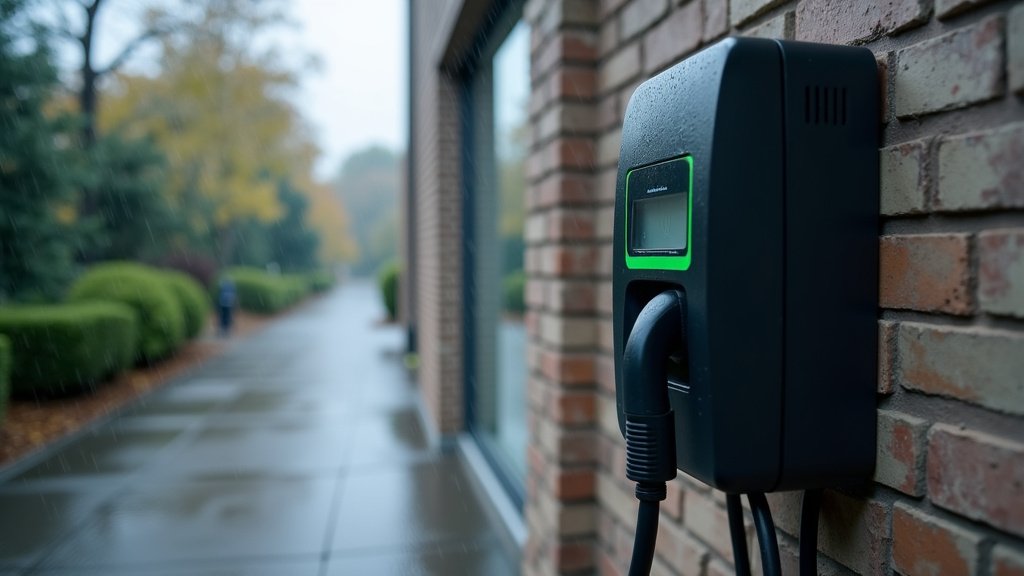
Essential Precautions for Charging Outdoors
When you’re relying on a power station away from home, especially in challenging weather, a few simple steps can make a big difference. It’s all about being prepared and thinking ahead.
Always Check Your Manual
Your power station’s owner’s manual is your best friend. It contains vital information about what your specific model can and cannot handle. Look for details on:
- Recommended operating temperatures.
- Water resistance ratings (IP ratings).
- Specific warnings about moisture and charging.
Manufacturers put this information there for a reason. Ignoring it could lead to costly repairs or a shortened lifespan for your device. It’s the most reliable source of information for your particular unit.
Inspect Your Equipment Regularly
Before you even think about charging outdoors, give your power station and its cables a quick once-over. Check for any signs of wear and tear, cracks in the casing, or damage to the charging ports.
Damaged equipment is more susceptible to water ingress. Ensure all cables are in good condition and properly insulated. If anything looks suspect, it’s best to replace it before using it in damp conditions. This proactive step can prevent bigger problems.
Prioritize Safety Over Convenience
It might seem easier to just plug in your power station under an open sky, but safety must always come first. The risk of damaging your expensive equipment or, worse, causing an electrical hazard, is simply too high when it’s raining.
Think about the long-term benefits of protecting your power station. A well-maintained device will serve you reliably for years to come. Convenience is nice, but a safe and functional power station is essential for your adventures.
Conclusion
As we’ve discussed, charging your power station in the rain is a risky move. Water and electricity simply don’t mix well, and exposing your device to moisture during charging can lead to costly damage and dangerous electrical hazards. Even power stations with some water resistance aren’t designed for direct downpours. Your best bet is always to create a dry, protected space for charging, whether that’s inside an RV, under a tarp, or during breaks in the weather. Prioritizing your power station’s safety over convenience ensures it will serve you reliably on all your future adventures.
Frequently Asked Questions
Can I charge my power station in light rain?
While light rain might seem less risky, it’s still not recommended. Even a drizzle can find its way into ports and cause internal damage or electrical issues. It’s safer to wait for the rain to stop or find a covered area to ensure your device’s longevity and your safety.
What if my power station has an IPX4 rating, is it safe in the rain?
An IPX4 rating means your power station can resist water splashes from any direction. This is great for accidental spills but doesn’t make it safe for prolonged exposure to rain, especially while charging. Charging involves active electrical ports that are more vulnerable, so a cover is still wise.
How long does it take for water damage to appear on a power station?
Water damage can be immediate or show up over time. Corrosion from moisture can slowly degrade internal components, leading to performance issues or complete failure weeks or months later. It’s best to prevent any water contact in the first place.
Is it safe to charge my power station under an awning?
Charging under an awning can be much safer than in direct rain, provided the awning offers good protection from wind-blown spray and water runoff. Ensure there’s still adequate ventilation to prevent overheating. Always keep the power station itself as dry as possible.
What should I do if my power station gets wet while charging?
If your power station gets wet, unplug it immediately if it’s safe to do so. Do NOT try to charge it further. Dry the exterior thoroughly with a soft cloth and allow it to air dry completely in a warm, well-ventilated spot for at least 24-48 hours before attempting to use or charge it again. If you notice any signs of damage, contact the manufacturer.
