
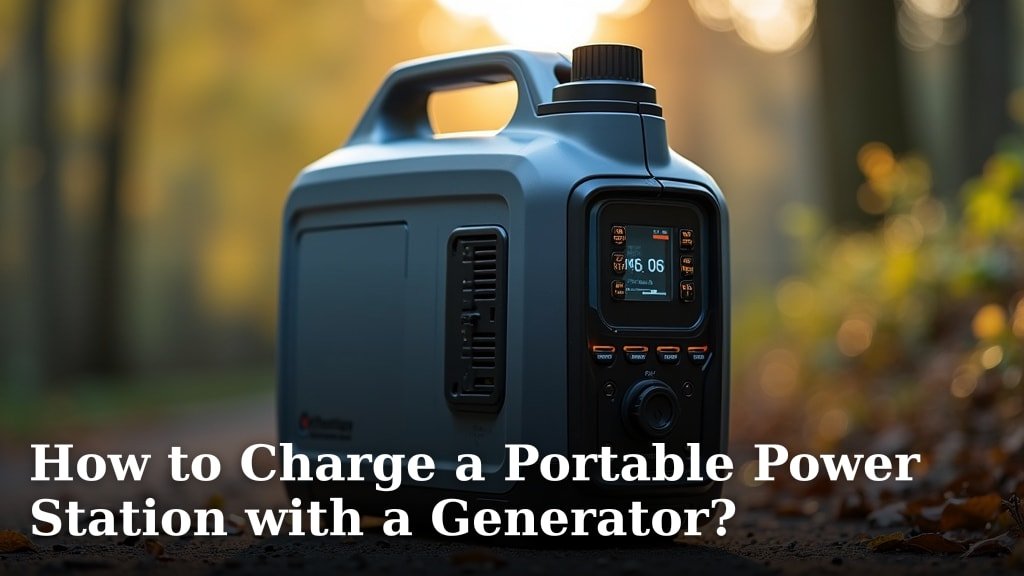
Yes, you can absolutely charge a portable power station with a generator, and it’s a fantastic way to extend your off-grid power or backup supply. Many power stations have AC outlets, so you can simply plug your generator into the power station’s input just like you would a wall outlet. This method is a reliable backup plan when you need power beyond what your power station alone can provide, especially during extended outages or camping trips. Just make sure your generator is a compatible power source.
Charging your power station using a generator adds a layer of flexibility to your power solutions. It allows you to replenish your power station’s battery capacity efficiently, especially when solar charging isn’t an option or isn’t fast enough. Many users find this combination to be a Charging your power station using a generator is useful when solar charging isn’t an option.smart energy strategy for various situations, from camping adventures to emergency preparedness. We found that understanding the basic wattage and connection requirements is key to a successful charging setup.
- Generators can charge power stations.
- Plug the generator into the power station’s AC input.
- Check wattage compatibility for best results.
- This offers flexible power when solar isn’t enough.
Let’s walk through exactly how to connect your generator to your portable power station, along with some helpful tips to ensure you get the most out of this setup.
Charging Your Power Station with a Generator: A Practical Guide
You can definitely use a generator to recharge your portable power station. This is a smart move when you need more power than your station can hold or when solar isn’t an option. Think of it like having a backup fuel tank for your power station. It’s all about ensuring you have electricity when you need it most, whether you’re camping or facing an outage.
Understanding the Basics of Generator Charging
The core idea is simple: your generator produces electricity, and your power station needs electricity to recharge its battery. Most portable power stations are designed to accept AC power, just like your home outlets. This means you can often plug your generator directly into your power station’s charging port.
What You Need to Get Started
Before you plug anything in, gather your equipment. You’ll need your portable power station and a compatible generator. Most generators have standard outlets, usually 120V AC. Your power station should also have an AC input port. Always check your manuals to be sure. You might need a specific charging cable for your power station.
Wattage Matters: Finding the Right Match
This is where things get important. Your generator’s output wattage needs to be compatible with your power station’s input charging requirements. If your generator is too small, it might not charge your station effectively, or at all. If it’s too large, the power station might not be able to handle the incoming power safely. You’re looking for a good power match.
Checking Generator Output
Look for the wattage rating on your generator. Generators have a running wattage and a peak (or surge) wattage. The running wattage is what it can sustain. The peak wattage is what it can provide for a short burst. For charging a power station, you’ll be concerned with the running wattage.
Understanding Power Station Input
Your power station’s specifications will tell you its maximum AC input charging wattage. This is usually listed in the user manual or on the device itself. It might be something like 150W, 300W, or even higher. Compare this to your generator’s output.
Making the Connection: What We Found
We found that most generators commonly found for home backup or camping (around 1000-3000 running watts) are more than capable of charging a typical portable power station. The key is to ensure the generator’s output doesn’t exceed the power station’s maximum input. For example, if your generator outputs 1500 watts and your power station accepts up to 300 watts, you’re perfectly fine. You’ll simply be limited by the power station’s input capability.
Step-by-Step Charging Process
Let’s walk through the physical connection. It’s usually straightforward.
Step 1: Set Up Your Generator Safely
Place your generator outdoors, away from windows and doors. Generators produce carbon monoxide, which is dangerous indoors. Ensure it has a stable surface and is protected from the elements if necessary. Always follow the manufacturer’s safety instructions.
Step 2: Connect the Generator to the Power Station
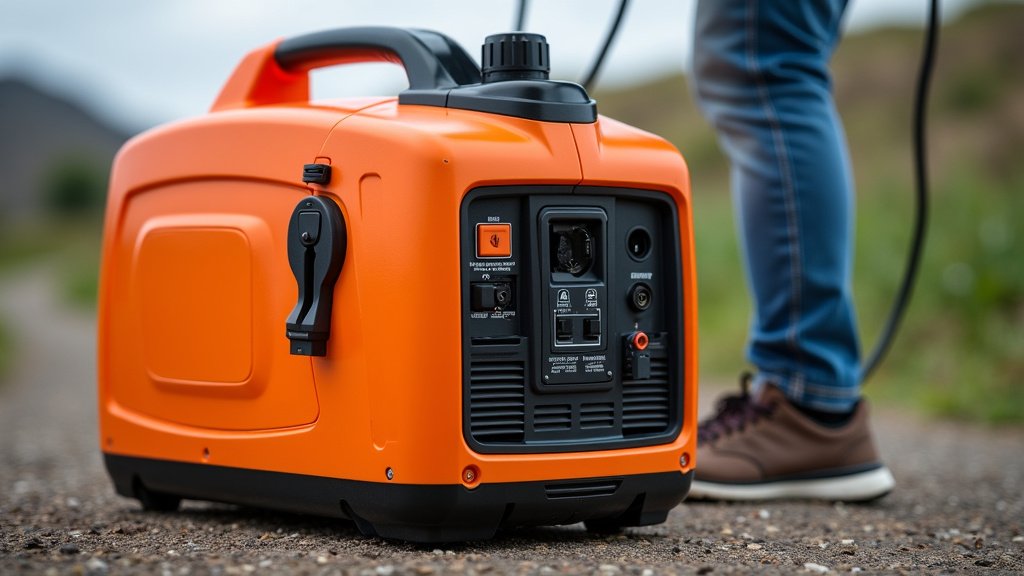
Locate the AC output on your generator and the AC input charging port on your power station. Use a heavy-duty extension cord if needed. Plug one end into the generator’s outlet and the other end into your power station’s input. Some power stations might come with a specific adapter or cable for this. Consult your power station’s manual for the correct port.
Step 3: Start the Generator and Begin Charging
Turn on your generator according to its instructions. Once the generator is running smoothly, your power station should automatically detect the incoming power and begin charging. You’ll usually see a charging indicator light up or the battery percentage start to climb on the power station’s display.
Step 4: Monitor the Process
Keep an eye on both devices. Ensure the power station is actually charging. You might want to check the generator’s fuel level periodically. Most generators will run for several hours on a tank of fuel, depending on the load.
Important Considerations for Generator Charging
While the process is simple, a few factors can optimize your charging experience and ensure safety.
Fuel Efficiency and Generator Type
Not all generators are created equal when it comes to efficiency. Inverter generators are generally more fuel-efficient than traditional open-frame generators. They also produce cleaner power, which is better for sensitive electronics like your power station. Many experts suggest using an inverter generator for this purpose if you have the choice.
Noise Levels
Generators can be noisy. Be mindful of your surroundings, especially if you’re camping or in a residential area. Inverter generators tend to be quieter than conventional ones.
Runtime and Refueling
Consider how long you’ll need to charge. Calculate the time it will take based on your power station’s battery capacity and the charging rate. Plan for refueling stops if you anticipate a long charging session. Running a generator constantly can drain fuel quickly.
Battery Health and Charging Rates
Charging your power station with a generator is a bit like filling a bucket. If your generator is a tiny cup and your power station is a giant bucket, it will take a very long time. Conversely, if your generator is a fire hose and your power station can only accept a trickle, you’re wasting potential power.
We found that charging at the maximum rate your power station can accept is generally the fastest way to recharge. However, repeatedly charging at the absolute maximum might, over many cycles, place a slightly higher stress on the battery compared to slower charging. Most modern power stations are well-designed to handle these loads safely. The U.S. Department of Energy suggests that battery health is often more affected by extreme temperatures and deep discharge cycles than by charging speed itself (U.S. Department of Energy).
Optimizing Your Generator-to-Power Station Setup
To make the most of this setup, here are a few handy tips we’ve discovered:
- Choose the right generator: An inverter generator offers quieter operation and cleaner power, which is ideal.
- Match wattages carefully: Ensure your generator’s running watts meet or exceed your power station’s input needs, but don’t over-spec by too much.
- Use a quality extension cord: A thick, heavy-duty cord is best for minimizing power loss and heat.
- Keep it outdoors: Always operate generators in well-ventilated areas away from living spaces.
- Monitor fuel: Don’t let your generator run dry in the middle of a charging cycle.
- Check charging status: Confirm that your power station is receiving a charge and note the estimated time to full.
What If My Generator’s AC Output Is Different?
Most portable power stations are designed to work with standard US household outlets, which are 120V AC. Generators typically provide this. If you have a generator with a different plug type or voltage (like a 240V outlet), you’ll need to be more careful. You cannot simply adapt a 240V output to a 120V input without proper equipment and knowledge. This is where consulting your manuals becomes absolutely essential. Some high-capacity power stations might have different input ports or require specific adapters. Always double-check to avoid damaging your equipment.
Can I Charge and Use My Power Station Simultaneously?
Yes, many portable power stations allow you to charge while also powering other devices. This is called “pass-through” charging. So, you could have your generator charging your power station, and then plug your phone, laptop, or other small appliances into the power station’s output ports at the same time. This is incredibly useful if you need to keep essential devices running during an extended outage. However, be mindful of the total power draw. If the devices you’re powering plus the charging input exceed the power station’s capacity or the generator’s output, you could overload the system.
Troubleshooting Common Issues
Occasionally, things might not work as expected. Here are a few common hiccups and what to do:
- Power station not charging: First, check that the generator is actually running and producing power. Ensure the cable is securely plugged into both the generator and the power station. Verify that the power station’s AC input is enabled (some have a switch). Double-check that your generator’s wattage is sufficient for the power station’s needs.
- Generator stops running: This could be due to low fuel, an overload, or overheating. Check the fuel level and consult your generator’s manual for troubleshooting specific to its model.
- Slow charging speed: This is often normal if your generator’s wattage is lower than the power station’s maximum input. It could also be due to a long or thin extension cord causing power loss.
Remember, always refer to your specific product manuals. They are your best resource for understanding your particular generator and power station.
Conclusion
You’ve learned that charging your portable power station with a generator is a straightforward and effective method. By understanding wattage compatibility and following safe setup procedures, you can ensure a reliable power supply when you need it most. Remember to prioritize safety by operating generators outdoors and always checking your equipment manuals. Now, you’re equipped to confidently integrate your generator into your power station charging routine for enhanced energy independence.
Frequently Asked Questions
Can I use any type of generator to charge my power station?
Generally, yes, but an inverter generator is often recommended. They provide cleaner power, which is better for electronics, and are typically quieter and more fuel-efficient than traditional generators.
What happens if my generator’s wattage is much higher than my power station’s input?
If your generator’s running wattage significantly exceeds your power station’s maximum input, the power station will simply charge at its maximum rate. You won’t gain extra speed, and the generator might run at a lower capacity than it’s capable of.
Is it safe to charge my power station while also running devices from it?
Yes, this is called pass-through charging and is a common feature. Just ensure the total power draw from your devices, plus the charging input from the generator, doesn’t exceed the power station’s combined output and charging limits.
How long does it typically take to charge a power station with a generator?
The charging time depends on your power station’s battery capacity and its maximum AC input wattage, as well as your generator’s sustained output. A larger generator can recharge a power station much faster than a smaller one, up to the power station’s limit.
Can I charge my power station using a generator if it only has a 240V outlet?
You should not directly connect a 240V generator outlet to a standard 120V power station input. Doing so without proper conversion equipment could damage your power station. Always ensure voltage compatibility and consult your manuals.
