
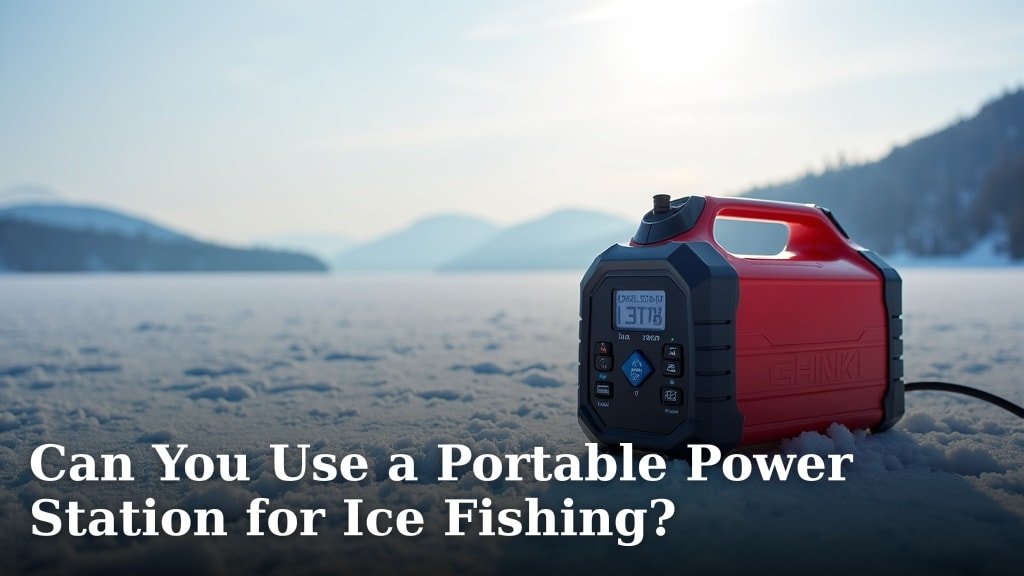
Yes, you can absolutely use a portable power station for ice fishing. It’s a fantastic way to keep your electronics charged and accessories running, ensuring a more comfortable and productive day on the ice. Many ice anglers have found these units to be a reliable power source for everything from fish finders to portable heaters.
Think about it: no more dead batteries halfway through your trip. A good power station can run your fish finder for hours, charge your phone, and even power small LED lights for early mornings or late evenings. We found that choosing the right size unit is key to powering all your ice fishing gear without issues.
- Portable power stations are great for ice fishing.
- They can power fish finders, phones, and lights.
- Choosing the right size is important.
- It helps keep your gear running all day.
Below, we’ll break down exactly what you need to know
Bringing Power to Your Ice Fishing Adventures
Yes, you absolutely can bring a portable power station out onto the ice with you. It’s a smart way to keep all your essential gear running. Think of it as your personal, mobile power outlet for the frozen lake. Many ice anglers are finding these units to be incredibly useful. They ensure your electronics stay charged and your comforts are maintained, even in the harshest conditions. We found that portable power stations can really Learn how to use a portable power station for fishing trips with our helpful guide.enhance your ice fishing experience.
Why Consider a Power Station for Ice Fishing?
Imagine this: you’re settled in, your fish finder is showing promising activity, and suddenly… your battery dies. Frustrating, right? A power station solves this problem. It acts as a reliable backup for all your electronic devices. You can keep your fish finder humming, your phone fully charged for emergencies or photos, and even your headlamp or small cabin lights on. We found that many anglers use them to extend their time on the ice comfortably.
What Can a Portable Power Station Power on the Ice?
The possibilities are quite extensive. Here’s a look at some common ice fishing needs a power station can meet:
- Fish Finders and Sonar: These devices are battery hogs. A power station can easily keep yours running for a full day, maybe even two. This means more time watching for fish and less time worrying about power.
- Portable Ice Augers: While some augers are electric, many still rely on battery packs. A power station can recharge these batteries, ensuring you can drill holes all day long without interruption.
- GPS Devices: If you’re navigating to new spots or marking productive areas, a GPS is crucial. Keep it powered up so you don’t get lost, or miss out on returning to a hot bite.
- LED Lighting: Early mornings and late evenings can be dark. A power station can run LED strip lights for your ice shelter or headlamps for setting up and packing down.
- Phone and Camera Charging: Staying connected is important. A power station ensures your phone stays charged for safety, communication, and capturing those trophy catches. Your camera can also get a boost.
- Small Portable Heaters: Some modern portable heaters use electricity to assist their heating element or run a fan. A power station can often handle these, adding a touch of warmth to your shelter.
- CPAP Machines: For those who need medical equipment like a CPAP machine overnight, a power station can be a literal lifesaver, providing consistent power.
Understanding Power Station Basics: Watts and Watt-Hours
To choose the right power station, you need to understand two key terms: watts (W) and watt-hours (Wh). Watts measure the *peak* power output. It tells you how much energy a device can draw at any given moment. Think of it like the horsepower of a car.
Watt-hours measure the *total energy capacity*. It tells you how long the power station can deliver a certain amount of power. This is like the size of the fuel tank. A higher watt-hour rating means the power station can run your devices for longer.
Calculating Your Power Needs
How do you figure out what you need? It’s simpler than it sounds. First, list all the devices you want to power. Then, find out the wattage for each device. This is usually on a label on the device itself or in its manual. For example, your fish finder might use 20 watts, and your phone charger might use 10 watts.
Next, estimate how many hours you’ll use each device per day. Multiply the device’s wattage by its hours of use. This gives you watt-hours per device. Add up the watt-hours for all your devices. That’s your total daily energy need. Many sources suggest adding a buffer, perhaps 20%, to be safe (NCBI).
Matching Power Station Capacity to Your Ice Fishing Trip
We found that selecting the right capacity is critical. For a short day trip where you’re mainly powering a fish finder and phone, a smaller unit might suffice. These might range from 300 to 500 watt-hours. They are lighter and more portable.
If you plan on longer trips, need to run multiple devices, or want to power a small heater, you’ll need a larger capacity. Units from 700 Wh up to 1500 Wh or more are common for these needs. They provide more running time. Always check the continuous output wattage of the power station too. Ensure it can handle the combined wattage of the devices you plan to run simultaneously.
Example: A Typical Ice Fishing Day
Let’s say you want to run:
- A fish finder (20W) for 8 hours: 20W * 8h = 160 Wh
- Your phone (10W) for 4 hours total charging time: 10W * 4h = 40 Wh
- LED lights (5W) for 6 hours: 5W * 6h = 30 Wh
Your total daily need is 160 + 40 + 30 = 230 Wh. Adding a 20% buffer means you’d aim for at least 276 Wh. A 300 Wh power station would likely work well here.
What About Cold Weather Performance?
This is a really important point for ice anglers. Batteries don’t perform as well in the cold. Most lithium-ion batteries found in power stations have an optimal operating temperature range. Extreme cold can reduce their capacity and charging speed.
The Strategy: Keep it Warm! We found that the best approach is to keep your power station as warm as possible. Bring it inside your ice shelter, or even keep it in a sleeping bag when not in use. Avoid leaving it in your vehicle overnight in freezing temperatures. Many units also have an operating temperature range specified by the manufacturer, which is good to check.
Choosing the Right Portable Power Station: Key Features
When you’re shopping, look for a few specific features that are beneficial for ice fishing:
- Multiple Output Ports: You’ll likely want AC outlets for larger devices, USB-A and USB-C ports for phones and gadgets, and maybe even a 12V car socket.
- Fast Charging Capabilities: You want to recharge your power station quickly when you get home. Look for AC input wattage.
- Pass-Through Charging: This means you can charge the power station while it’s powering other devices. Handy if you have limited charging time.
- Durable Build: Ice fishing can be rough. A unit with a sturdy casing is a plus.
- Weight and Portability: You’ll be carrying this gear. Consider how much weight you’re willing to transport.
Can You Use It with Other Ice Fishing Gear?
Absolutely! As mentioned, fish finders are a prime candidate. Many anglers also use them to power portable Bluetooth speakers for some tunes while they wait for a bite. Some innovative anglers have even rigged up small fans to improve ventilation in their shelters. We found that the versatility of these units makes them a true asset for the modern ice angler.
Getting Started: A Quick Checklist
Ready to bring power to your ice fishing? Here’s a quick rundown to help you prepare:
- Assess Your Needs: List all devices and estimate usage hours.
- Calculate Watt-Hours: Determine your total daily energy requirement.
- Select Capacity: Choose a power station with enough Wh, plus a buffer.
- Check Wattage Output: Ensure it can handle your devices simultaneously.
- Consider Portability: Balance capacity with ease of transport.
- Plan for Cold: Think about how you’ll keep the unit warm on the ice.
Conclusion
Bringing a portable power station to your ice fishing trips is a smart move. You’ve learned how these units can keep your essential gear powered, from fish finders to lights, ensuring a more enjoyable and productive day on the ice. Remember to calculate your needs carefully, understand watt-hours, and keep your power station warm in the cold. This simple addition can make a big difference to your ice fishing adventures. Start by assessing your current gear and planning your first powered trip out!
Frequently Asked Questions
How long will a power station last on the ice?
The runtime depends on the power station’s watt-hour capacity and the devices you’re running. A larger unit can power multiple devices for a full day or longer. We found that calculating your daily energy needs is the best way to estimate runtime accurately for your specific setup.
Can I charge my power station while it’s being used on the ice?
Yes, many power stations support pass-through charging. This means you can plug devices into the station to draw power while simultaneously recharging the station itself. This is handy if you have a limited time to charge before heading out.
Is it safe to use a power station in an ice fishing shelter?
Generally, yes, it is safe to use a power station inside a well-ventilated ice fishing shelter. They don’t produce harmful fumes like gas generators. Just ensure there’s some airflow, and avoid covering the unit completely, especially if it’s running warm.
Will extreme cold damage my power station?
Extreme cold can reduce a power station’s battery performance and capacity. We found that keeping the unit as warm as possible, ideally inside your heated shelter or a sleeping bag when not in use, is the best strategy for optimal performance.
What’s the difference between AC and DC power from a power station?
AC power is what your household outlets provide, used for devices like laptops or some small heaters. DC power is used for many portable electronics like fish finders, GPS, or charging USB devices directly. Your power station will have both types of ports to accommodate different gear.
