
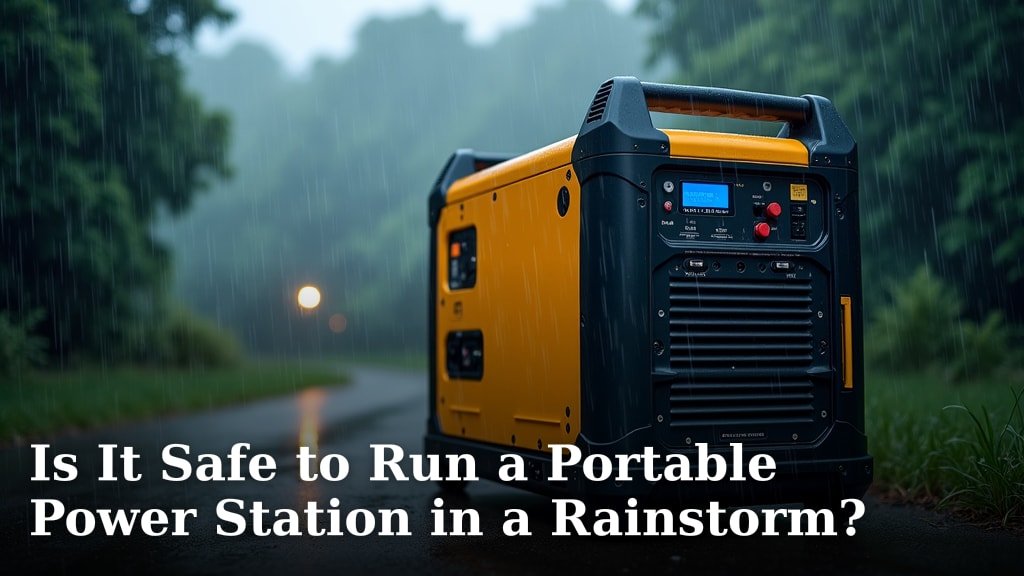
No, it is generally not safe to run a portable power station in a rainstorm. While some units offer a degree of water resistance, direct exposure to heavy rain can cause internal damage and pose a serious electrical hazard.
Power stations are electronic devices, and water and electricity are a dangerous mix. Even models with some weatherproofing are not designed for full submersion or prolonged exposure to pouring rain. Protecting your investment and ensuring your safety is always the top priority.
- Never use a power station in heavy rain.
- Check your model’s water resistance rating (IP rating).
- Keep power stations dry, even if they have some protection.
- Damage from water can void your warranty.
Let’s break down why this is the case and what precautions you should take to keep your power station safe during wet weather.
Navigating Power Stations Through Wet Weather
Can you use a portable power station when it’s raining? The short answer is no, it’s generally not a good idea. While some power stations might offer a little protection from light sprinkles, they are not built to withstand a full-blown rainstorm. Water and electricity are a dangerous combination, and exposing your power station to heavy rain can lead to serious damage and safety risks.
Think of your power station like a fancy, expensive smartphone. You wouldn’t hold your phone out in a downpour, right? It’s the same principle here. Your power station contains sensitive electronics that can be ruined by moisture. We need to keep it dry to ensure it works properly and safely.
Understanding Water Resistance Ratings (IP Codes)
Manufacturers often use an Ingress Protection (IP) rating to tell you how well a device is protected against solids (like dust) and liquids. You’ll often see ratings like IPX4 or IP65. These numbers tell a story about the device’s defenses.
What Do Those Numbers Mean?
The first digit after “IP” usually refers to protection against solids. The second digit is for liquids. For power stations, the second digit is the most important when it comes to rain.
- IPX4: This means the device is protected against splashing water from any direction. Think of light rain or spray, but not a direct shower.
- IPX5: This rating indicates protection against water jets. It can handle more direct water than an IPX4, but still not prolonged submersion or heavy rain.
- IPX7: This means the device can be submerged in water up to 1 meter for 30 minutes. This is rare for portable power stations.
Are These Ratings Enough for a Rainstorm?
Generally, no. Even an IPX5 rating is not designed for you to run your power station in the middle of a torrential downpour. These ratings are more about accidental splashes or brief, light exposure. Running your unit for an extended period in heavy rain is asking for trouble. It’s like wearing a light rain jacket in a hurricane – it won’t cut it.
The Dangers of Water and Electronics
Mixing water and electricity is a recipe for disaster. When water gets inside your power station, it can cause a chain reaction of problems.
Short Circuits and Internal Damage
Water is a conductor of electricity. When it seeps into the ports, circuits, or battery of your power station, it can create unintended electrical paths.
Conclusion
Running your portable power station in a rainstorm is a risk you should avoid. Even units with some water resistance aren’t built for direct, prolonged exposure to rain. Water can cause internal short circuits and permanent damage to your device. Always prioritize safety and protect your investment from the elements.
For peace of mind during wet weather, plan ahead. Keep your power station in a dry, sheltered location, away from any potential moisture. This simple precaution ensures your power source remains reliable and safe for your next adventure.
Frequently Asked Questions
What if my power station has an IPX4 rating? Can I use it in light rain?
An IPX4 rating means your power station can handle splashes from any direction. While this offers some protection against very light rain or mist, it’s not designed for continuous use in a rainstorm. We recommend still seeking shelter for your device.
Can I charge my phone with my power station during a rainstorm?
No, you should not charge devices using your power station if it’s raining. The act of plugging and unplugging cables can expose the ports to water. It’s best to wait until the storm passes and your power station is completely dry.
What’s the worst that can happen if water gets into my power station?
Water can cause serious internal damage. It can lead to short circuits, corrode components, and permanently ruin the battery. In severe cases, it could also create an electrical hazard.
Is it safe to use a tarp or cover over my power station in the rain?
Using a cover can help protect your power station from direct rain. However, ensure there’s still good ventilation to prevent overheating. Never completely seal a running power station, as this can trap heat and cause internal damage.
What should I do if my power station accidentally gets wet?
Immediately disconnect any connected devices. Power off the unit and unplug it from the wall if it’s charging. Let it air dry completely in a warm, dry place for at least 24-48 hours before attempting to use it again. If you suspect internal damage, contact the manufacturer.
