
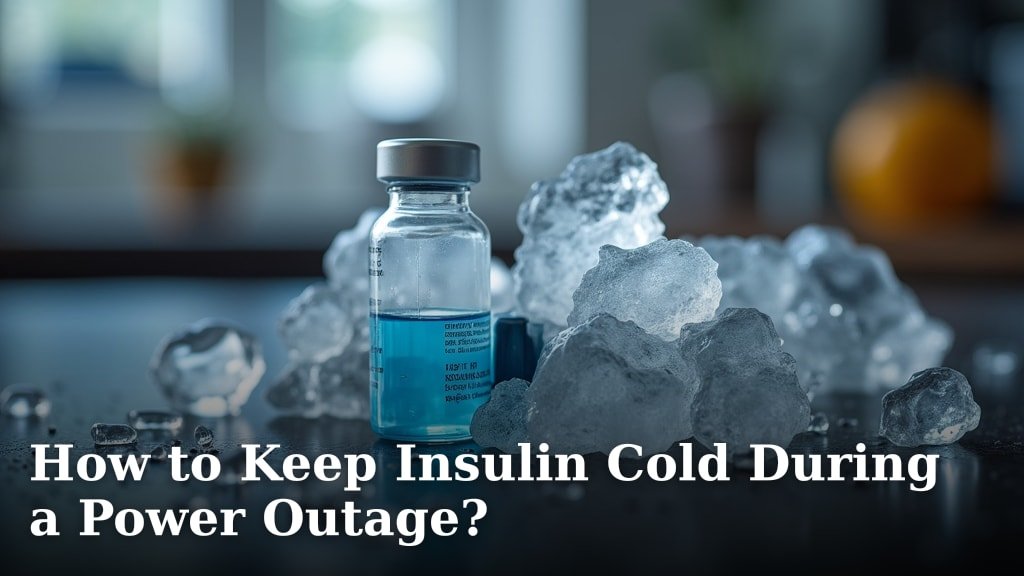
Keeping your insulin cold during a power outage is absolutely essential to maintain its effectiveness. The best way to do this is by using insulated coolers and cold packs, or even a good quality cooler filled with ice. This will help prevent your medication from spoiling and becoming less potent, which is critical for managing your diabetes.
Losing power can be stressful, especially when you rely on refrigerated medication. Fortunately, there are several practical strategies you can employ to keep your insulin cool for extended periods. We’ve researched the most effective methods to ensure your insulin remains safe and usable, even when your refrigerator is out of commission.
- Use an insulated cooler with ice packs.
- A well-packed picnic cooler can work wonders.
- Monitor the temperature to be sure.
- Have a backup plan ready.
Below, we’ll walk you through the simple steps to ensure your insulin stays at the right temperature, no matter how long the power is out.
Keeping Your Insulin Safe When the Power Goes Out
Losing electricity when you depend on refrigerated insulin can spark immediate worry. You need to know your medication remains effective. We’ve researched how to shield your insulin from damaging temperature fluctuations during an outage.
The primary goal is to keep insulin between 36°F and 46°F (2°C and 8°C). Once opened, insulin might tolerate room temperature for a short while, but it loses potency faster. Unopened insulin absolutely needs refrigeration. Let’s cover the best ways to achieve this without power.
The Cooler Method: Your First Line of Defense
An insulated cooler is your best friend in a power outage scenario. It’s designed to maintain temperature. Think of it as a temporary refrigerator for your insulin.
Choosing the Right Cooler
Not all coolers are created equal. For insulin, you want something with good insulation. A high-quality picnic cooler or a cooler specifically designed for medical transport will work best.
The thicker the walls and the better the seal, the longer it will keep things cold. We found that coolers with polyurethane foam insulation tend to perform exceptionally well. Avoid flimsy, cheap coolers if you can.
Packing Your Cooler Effectively
How you pack your cooler matters. You want to maximize its cooling potential. This means strategic placement of your insulin and cold sources.
Cold Packs and Ice: The Chill Factor
Gel ice packs are often recommended by medical professionals. They provide a consistent, even chill. You can also use regular ice, but be mindful of meltwater.
Many experts suggest surrounding your insulin vials or pens with cold packs. Leave some space between them if possible. This allows the cold air to circulate freely. If using bagged ice, double-bag it to prevent leaks. We found that freezing water bottles also makes excellent, long-lasting ice blocks.
Temperature Monitoring is Key
You can’t assume it’s cold enough. You need to check. A simple refrigerator thermometer placed inside the cooler is your best bet. You can pick these up at most grocery or hardware stores.
Keep the thermometer where you can see it without opening the cooler too often. Every time you open it, you let warm air in. Aim to check it a few times a day. If the temperature creeps above 46°F (8°C), it’s time to reassess your cooling strategy.
Cooler Placement Matters
Where you put your cooler can make a difference. Keep it out of direct sunlight. Basements or cool, shaded rooms are ideal. Avoid placing it near heat sources like windows or appliances that might still generate some heat.
Alternative Cooling Strategies When Time is of the Essence
What if you don’t have a perfect cooler ready? Or what if the outage lasts longer than expected? There are other methods you can employ.
The “Better Than Nothing” Cooler Hack
Even a standard picnic cooler can be a lifesaver. If you have one, load it up with ice packs or frozen water bottles. Your insulin should be placed in a sealed baggie or container within the cooler.
This is especially useful if your outage is shorter. It will keep your insulin cool for several hours. We found that wrapping the cooler in towels or blankets can also help insulate it further.
Creative Cold Storage Solutions
Sometimes you have to get a little creative. Think about what can hold cold and keep it contained.
Insulated Shopping Bags
Those reusable insulated grocery bags can offer temporary relief. Pack them tightly with ice packs or frozen items. They won’t last as long as a hard-sided cooler, but they can buy you some time.
Dark, Cool Places
If you have no coolers or ice packs, find the coldest spot in your home. Basements or cellars are often cooler than the rest of the house. A dark closet away from exterior walls might also work.
Place your insulin in a sealed container and put it in the coolest spot. This is a last resort and requires constant monitoring. Many sources, like the American Diabetes Association, advise against prolonged room-temperature storage for insulin.
Maintaining Insulin Integrity: What You Need to Know
Understanding insulin’s fragility is key. It’s a biological product, and temperature affects its performance.
The Science of Insulin Potency
Insulin is a protein hormone. When exposed to heat, proteins can denature, meaning they lose their shape and function. This makes the insulin less effective at lowering blood sugar.
We found that even a few hours at temperatures above 70°F (21°C) can start to degrade insulin. Temperatures above 86°F (30°C) will significantly reduce its potency much faster. This is why keeping it cool is non-negotiable.
Opened vs. Unopened Insulin
There’s a difference in how opened and unopened insulin handles temperature.
- Unopened insulin: This must be kept refrigerated (36°F to 46°F or 2°C to 8°C) to maintain its maximum potency until its expiration date.
- Opened insulin: Once you start using a vial or pen, it can often be kept at room temperature for about a month. However, this is where things get tricky during an outage. Even “room temperature” insulin benefits from being kept cool to prevent it from losing potency too quickly.
The CDC recommends that opened insulin vials or pens can be stored at room temperature if that temperature is below 86°F (30°C). If your home becomes very hot during the outage, even your opened insulin needs protection.
Your Power Outage Insulin Checklist
Having a plan before an outage happens is smart. Here’s a quick checklist to help you prepare:
- Stock up on reusable gel ice packs or frozen water bottles.
- Invest in a good quality insulated cooler.
- Keep a thermometer handy for monitoring temperatures.
- Store insulin in sealed, waterproof bags or containers.
- Know the temperature limits for your specific insulin type.
- Have a list of local pharmacies or emergency contacts.
Conclusion
Navigating a power outage with insulin requires preparation and calm execution. By using a well-insulated cooler, effective cold packs, and diligent temperature monitoring, you can safeguard your medication’s potency. Remember, keeping your insulin within its recommended temperature range is vital for your health. Take the time now to gather your supplies and create your backup plan, so you feel confident managing your diabetes, no matter what unexpected situations arise.
Frequently Asked Questions
How long can insulin last at room temperature during an outage?
Opened insulin can often last about a month at room temperature, but this assumes a controlled environment below 86°F (30°C). During an outage, if your home gets hot, even opened insulin will degrade faster. We researched and found that keeping it as cool as possible, even if not refrigerated, is best.
Can I use dry ice to keep my insulin cold during a power outage?
Dry ice can be too cold for insulin and can freeze it, which also damages its effectiveness. It’s best to stick to gel packs, frozen water bottles, or regular ice. If you do use dry ice, ensure it doesn’t directly touch your insulin and use it with extreme caution in a well-ventilated area.
What should I do if my insulin has been exposed to temperatures outside the recommended range?
If you suspect your insulin has been compromised, it’s safest to discard it and use a fresh supply. While some temperature fluctuations might not render it completely useless, its potency could be reduced. You can’t always see or feel the damage, so it’s best not to risk it. Always consult your healthcare provider if you have concerns.
How many ice packs do I need for my cooler?
The number of ice packs depends on the size of your cooler, the outside temperature, and how long the power outage lasts. A good rule of thumb is to fill at least half the cooler with cold packs, ensuring they surround your insulin. Using frozen water bottles can also help maintain temperature for longer periods.
Should I keep opened and unopened insulin separate during a power outage?
Yes, it’s a good idea to keep them somewhat separate within your cooling system. Unopened insulin should ideally stay within its strict refrigeration range of 36°F to 46°F (2°C to 8°C). Opened insulin has more flexibility, but keeping it cool will still help preserve its effectiveness longer than just leaving it at room temperature.
