
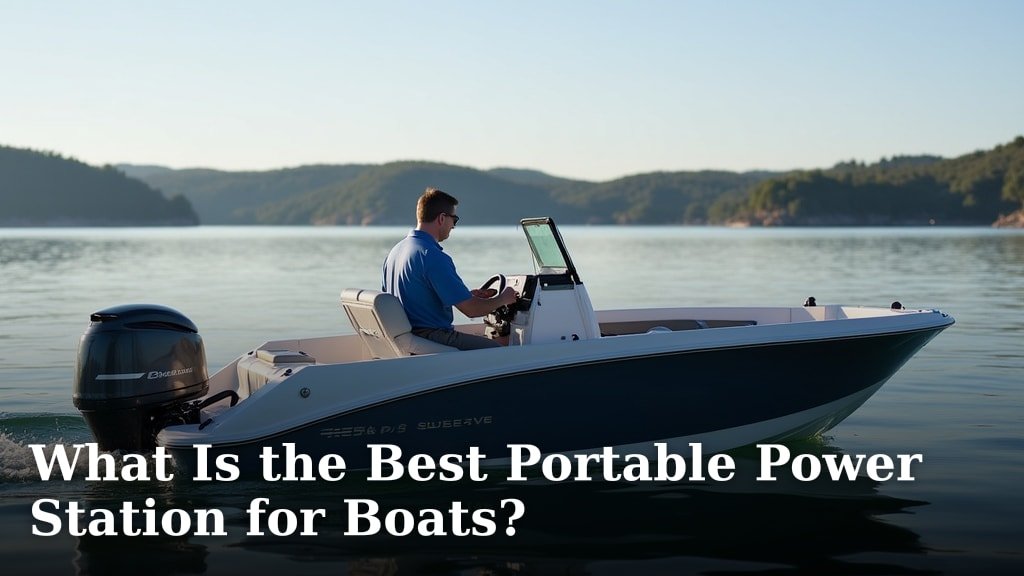
The best portable power station for boats is one that meets your specific power needs and fits your budget, offering reliable energy for your electronics. Many boaters find that units around 500Wh to 1000Wh are ideal for powering essential devices like phones, GPS, and small appliances without being too bulky.
Choosing the right power station means considering factors like battery capacity, output ports, and charging speed. You’ll want a unit that can handle your typical usage, whether it’s for weekend trips or longer voyages. This way, you can keep your devices charged and your onboard systems running smoothly, enhancing your time on the water.
- Capacity is key: Match Wh to your device needs.
- Output ports matter: Ensure it has the right plugs.
- Charging speed affects convenience.
- Durability is important for marine use.
- Portability balances power and space.
Let’s dive into what makes a portable power station great for your boat and how to pick the perfect one for your adventures.
Choosing the Right Portable Power Station for Your Boat
Finding the best portable power station for your boat means looking beyond just raw power. You need a unit that fits your lifestyle and the demands of being on the water. Think of it like packing for a trip; you wouldn’t bring a suitcase full of unnecessary items, right? The same applies to your boat’s power needs.
We’ve researched what makes these devices work well in a marine environment. It’s not just about watts; it’s about reliability, safety, and ease of use. Let’s break down the key features you should consider.
Understanding Your Boat’s Power Requirements
Before you even look at specific models, you need to understand your own power needs. What devices do you plan to power? How often will you use them?
Calculating Your Watt-Hour (Wh) Needs
This is the most important step. Watt-hours tell you how much energy a device uses over time. You can find this information on your device’s power adapter or in its manual. Most portable power stations list their capacity in Wh. It’s like figuring out how much fuel your car needs for a road trip.
- Phones/Tablets: Typically use 10-20 Wh per charge.
- Laptops: Can range from 30-70 Wh per charge.
- Small Fans: Often use 15-30 Wh per hour.
- Portable Refrigerators: This is where it gets tricky; they can use 50-100 Wh or more per hour, depending on size and ambient temperature.
- GPS Units/Fish Finders: Usually modest, around 10-25 Wh per hour.
Add up the Wh for all the devices you want to power. Then, multiply that by the number of hours you expect to use them. This gives you your total daily Wh requirement. Always add a buffer of 20-30% for efficiency losses and unexpected needs. This ensures you won’t run out of power when you least expect it.
Assessing Your Usage Habits
Are you a weekend warrior or a liveaboard? This distinction matters greatly. For a day trip, a smaller unit might suffice. For extended cruising, you’ll need something more robust. Consider how long you’ll be away from shore power. Most experts recommend overestimating your needs rather than underestimating.
Key Features of a Marine-Ready Power Station
Not all power stations are created equal, especially when it comes to the marine environment. Water, salt, and varying temperatures can pose challenges. Here are the features that make a power station ideal for boat use.
Battery Capacity (Wh): The Heart of the System
As we discussed, this is your starting point. For most boaters, a capacity between 500 Wh and 1000 Wh hits a sweet spot. This range typically offers enough juice for essential electronics without being overly bulky or heavy. Smaller units (under 500 Wh) are good for very light use, like just keeping phones charged.
Larger units (over 1000 Wh) can power more demanding appliances. However, they also take up more space and weigh more. Think about the available storage on your boat. A unit that’s too big might be more of a burden than a benefit.
Output Ports: Connecting Your Devices
Your power station needs the right kinds of ports to connect your gear. Most modern units come with a mix of AC outlets (like your wall plugs), USB-A ports, and USB-C ports. Some also offer 12V DC ports, which are common on boats for things like car chargers and some electronics.
Check the wattage output of each port. A phone will charge fine from a standard USB port. But if you want to run a small appliance from an AC outlet, ensure the station’s inverter can handle the wattage. Many smaller appliances need 300W-500W. Higher-wattage devices like small microwaves or coffee makers require much more.
Charging Speed and Methods
How quickly can you recharge your power station? This is critical if you’re using it frequently or have limited time between outings. Some units charge fully in a couple of hours, while others can take all day.
- Wall Outlet Charging: The fastest method, usually done when the boat is docked.
- Solar Charging: Many power stations can be charged via solar panels. This is fantastic for off-grid adventures. Ensure the station has a compatible solar input and consider the wattage of the panels you’ll use.
- Car Adapter: Useful for topping up while underway, though it’s typically slower.
Many experts suggest having a charging solution that aligns with your typical boating patterns. If you’re often at anchor, solar charging is a smart investment.
Durability and Marine Considerations
Boats are exposed to the elements. Look for power stations with a robust build quality. Some units are designed with better dust and water resistance (look for IP ratings). While not fully waterproof, some offer better protection against splashes than others. The casing should be sturdy enough to withstand bumps and vibrations common on the water.
Temperature is another factor. Extreme heat or cold can affect battery performance and lifespan. Keep your power station in a relatively stable temperature environment when possible. A cool, dry storage spot is usually best. Always consult the manufacturer’s guidelines for operating temperatures.
Portability and Size
Even though it’s a “portable” power station, some are heavier and bulkier than others. Consider where you’ll store it on your boat. Does it need to be moved frequently? A unit with comfortable handles makes a big difference. Think about the balance between power capacity and how easy it is to manage.
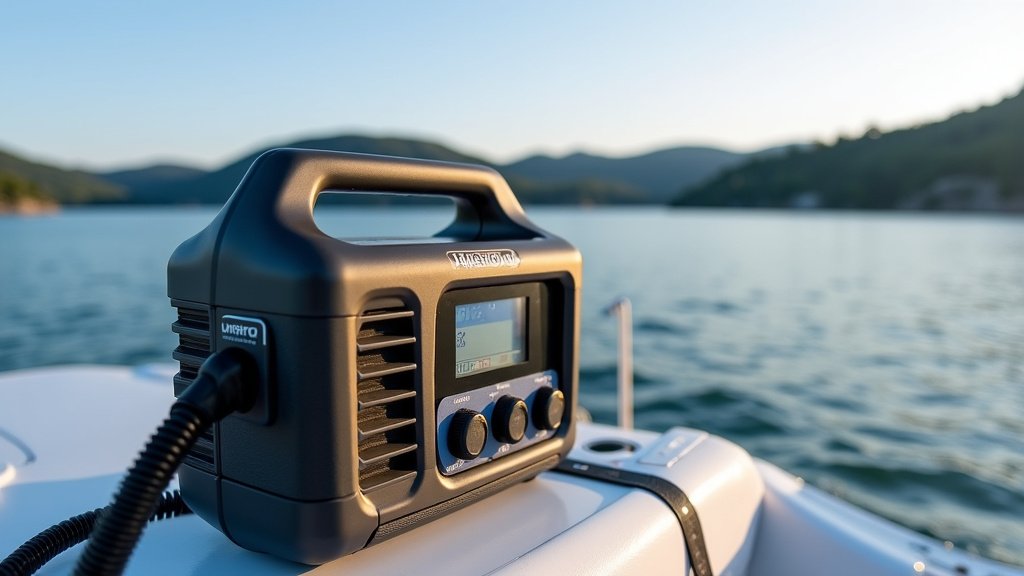
Portable Power Station vs. Inverter and Battery Bank
You might be wondering if a portable power station is the right choice for you, or if a traditional setup of a deep-cycle battery and a separate inverter is better. It’s a common question for boaters.
The Advantages of Portable Power Stations
Portable power stations offer a convenient all-in-one solution. Everything is integrated into a single unit. This means less wiring and easier setup. They are often designed with user-friendliness in mind.
- Simplicity: Plug and play for most devices.
- Portability: Easy to move on and off the boat, or to different locations on the boat.
- Built-in Safety: Features like overcharge protection and temperature monitoring are standard.
- Multiple Outputs: Versatile ports for various electronics.
Many boaters find them ideal for powering smaller electronics, charging devices, and running low-wattage appliances without the complexity of a hardwired system. They are also great as a backup power source.
When a Traditional System Might Be Better
If you need to power high-demand appliances continuously or run multiple heavy-duty systems (like a large refrigerator, air conditioning, or full galley), a dedicated marine battery bank with a powerful inverter might be more cost-effective and suitable. These systems are designed for long-term, high-capacity power needs.
However, these traditional systems are complex, expensive, and require professional installation. They also lack the portability of a power station. For many boaters, a portable power station provides the perfect balance of functionality and convenience.
Making Your Final Decision: A Checklist
To help you narrow down your choices, ask yourself these questions. They will guide you toward the best portable power station for your specific boating needs.
- How much power (Wh) do I need daily? (Calculate based on your devices.)
- What types of devices will I power? (Consider AC, DC, and USB needs.)
- How will I recharge the power station? (Shore power, solar, car?)
- What is my budget? (Prices vary widely based on capacity and features.)
- How much space do I have for it on the boat? (Consider size and weight.)
- Is the unit durable enough for marine conditions? (Look for sturdy construction.)
Conclusion
You’ve learned that the best portable power station for your boat is a personal choice. It depends on your unique power needs and how you use your boat. By calculating your watt-hour requirements and assessing your usage habits, you can pinpoint the right capacity. Remember to consider output ports, charging methods, and the durability needed for the marine environment. Making this informed decision ensures you’ll have reliable power for all your adventures on the water. Your next step? Start calculating your power needs and compare models that fit your budget and space.
Frequently Asked Questions
How much battery capacity (Wh) do I really need for my boat?
To figure this out, add up the watt-hours (Wh) for all the devices you want to power and multiply by how many hours you’ll use them daily. It’s wise to add an extra 20-30% buffer for efficiency losses. This calculation will guide you toward a power station with sufficient juice for your needs.
Can I use a portable power station in damp marine conditions?
While most portable power stations aren’t fully waterproof, some offer better protection against splashes and dust than others, often indicated by an IP rating. Always check the manufacturer’s specifications for water resistance and avoid direct water exposure. Storing it in a dry, protected area on your boat is recommended.
Is solar charging a viable option for a boat’s portable power station?
Yes, solar charging is an excellent option for extending your power independence on the water. Many power stations feature solar inputs, allowing you to recharge using compatible solar panels. This is especially useful for longer trips or when you’re anchored away from shore power.
What’s the difference between a portable power station and a traditional battery bank with an inverter?
A portable power station is an all-in-one, user-friendly unit with integrated battery, inverter, and ports. A traditional system involves separate components (battery, inverter) and requires more complex wiring. Power stations offer simplicity and portability, while traditional systems might be better for high-demand, continuous power needs.
How do I protect my portable power station from extreme temperatures on the boat?
Extreme heat or cold can impact battery performance and lifespan. To protect your unit, store it in a location on your boat that maintains a relatively stable temperature, ideally cool and dry. Always consult the manufacturer’s guidelines for the recommended operating temperature range.
