
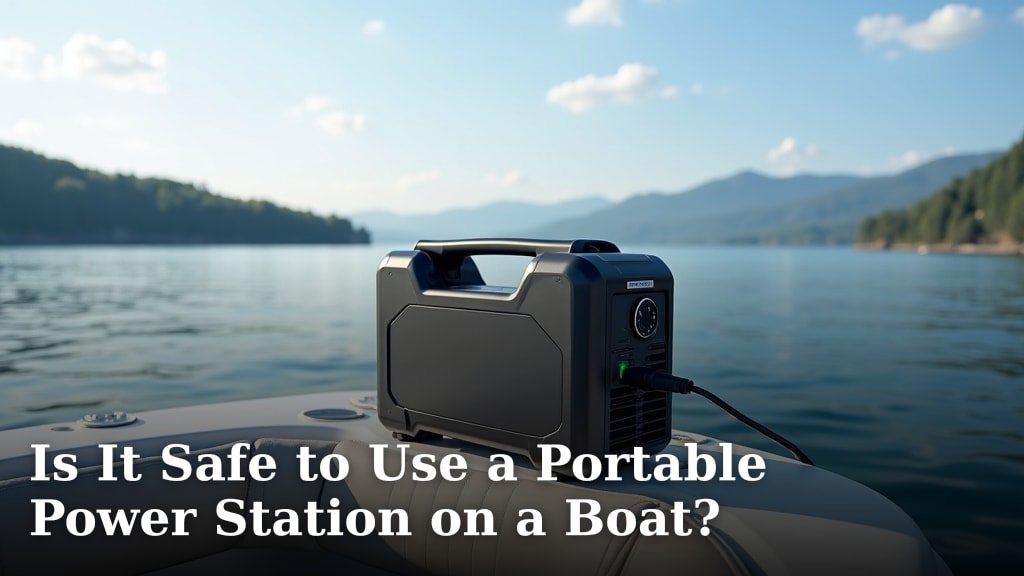
Yes, using a portable power station on a boat can be safe and very useful, provided you take proper precautions. These units offer a convenient way to charge devices and run small appliances off the grid. You just need to ensure you’re using them correctly to avoid issues.
Many boaters are discovering the benefits of these powerhouses for extending their time on the water. They can power everything from phone chargers to small refrigerators. We found that careful placement and understanding your power needs are key to a successful and safe experience.
- Portable power stations are generally safe for boat use.
- Proper ventilation is extremely important.
- Avoid using them in extremely wet conditions.
- Always check your unit’s waterproof rating.
Let’s break down exactly how to safely integrate a portable power station into your boating setup.
Can You Safely Use a Portable Power Station on a Boat?
Yes, you absolutely can use a portable power station on your boat. Many boaters find them incredibly useful. They provide a clean and quiet power source. It’s much better than noisy generators. You can keep your devices charged and run small appliances. Think about your phone, GPS, or even a small fan on a hot day. We found that with a little care, they integrate well into a boating lifestyle.
Understanding Your Power Needs First
Before you even think about buying a power station, know what you need it to do. What devices will you be powering? How often will you need to charge them? This is like packing for a trip; you wouldn’t bring a giant suitcase for a weekend. You need to match the power station’s capacity to your actual needs.
Consider the wattage of the devices you plan to run. A simple phone charger uses very little power. A small refrigerator or a coffee maker uses much more. We found that listing out all your devices and their power draw is a smart first step. This helps you avoid buying a unit that’s too small or unnecessarily large.
Key Safety Considerations for Boat Use
Boats are a unique environment. They can be wet, they move, and space is often limited. These factors mean you need to be extra careful when introducing any electrical equipment. Safety is always the number one priority on the water.
Ventilation is Non-Negotiable
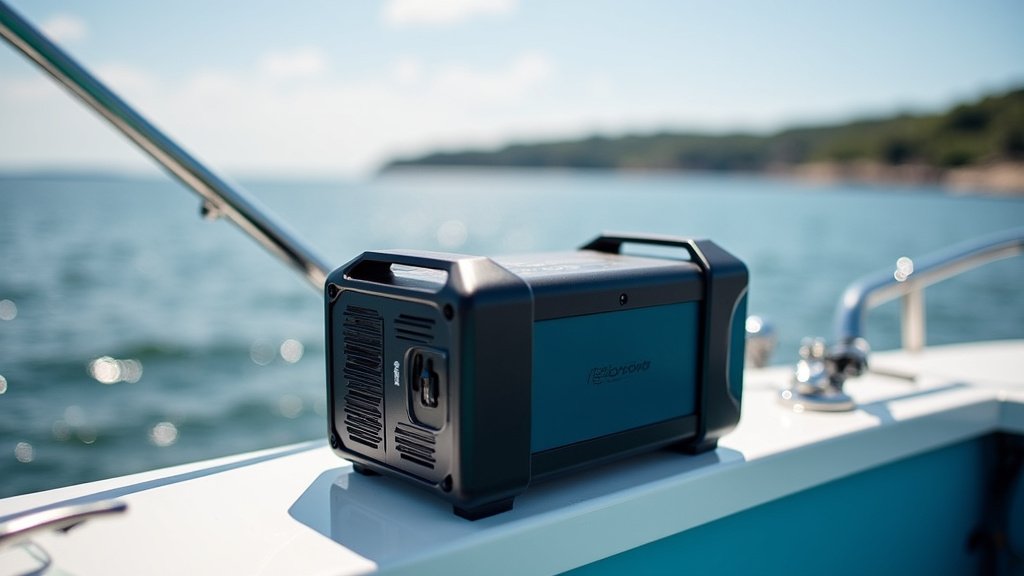
Portable power stations generate heat when they operate and charge. Proper airflow is absolutely essential. If a power station overheats, it can cause damage to the unit or even become a fire hazard. Many units have built-in fans, but these need clear space to work effectively. We found that blocking the vents is a common mistake people make.
On a boat, consider where you’ll place it. You don’t want it tucked away in a small, stuffy locker. Ensure there’s plenty of open air around the unit. Think about how air moves on your specific boat. A well-ventilated cabin or cockpit area is usually best. Never place anything directly on top of the power station.
Keeping Moisture at Bay
Water and electricity don’t mix well. While power stations aren’t usually designed to be submerged, they can be exposed to splashes or high humidity. You need to protect your unit from excessive moisture. We found that checking the unit’s IP (Ingress Protection) rating is a good idea. This rating tells you how well it’s protected against solids and liquids.
For boat use, look for units with at least a basic level of water resistance. Even then, avoid placing it in areas where it’s likely to get splashed directly. The deck during a storm is probably not the ideal spot. A dry, secure location is always preferred. Think of it like keeping your important electronics safe from the rain.
Securing Your Power Station
Boats move. They pitch, roll, and sometimes get tossed around by waves. An unsecured power station can become a dangerous projectile. This is true for any heavy object on a boat, but especially for something with a battery. We found that many users simply place them on a flat surface, which isn’t ideal when underway.
Look for ways to secure your unit. Some power stations have mounting points. You might be able to use straps or bungee cords. Consider a non-slip mat underneath it. The goal is to prevent it from sliding or tipping over, especially during rougher conditions. Safety first, always!
Charging and Discharging Safely
How you use the power station matters. When you’re charging it, ensure you’re using the correct adapter and a stable power source. When you’re using it to power devices, double-check that the device’s power requirements match what the station can provide. We found that overloading a port is a quick way to cause problems.
Avoid charging the power station in extremely hot or humid conditions if possible. Let the unit acclimate to the ambient temperature. Always follow the manufacturer’s instructions. They have specific guidelines for safe operation. Treating your power station with care will ensure it serves you well.
Battery Chemistry and Safety on Boats
Most modern portable power stations use lithium-ion batteries. These are common in everything from your phone to electric cars. They offer great energy density but require careful management. We found that understanding the basics of lithium-ion battery safety is helpful for any user.
Lithium-ion batteries can be sensitive to extreme temperatures, both hot and cold. They can also be damaged by overcharging or deep discharge. Reputable manufacturers build in protection circuits to prevent these issues. However, physical damage or improper use can still pose risks. We always recommend choosing units from well-known brands that have a good track record for safety features.
When to Reconsider or Modify Your Setup
While generally safe, there are situations where using a power station might require more thought. If your boat is constantly wet or experiences a lot of spray, you might need a more robust solution. This could involve a completely waterproof enclosure or a different type of power system.
For example, if you plan to install a power station permanently, you’ll need to integrate it properly. This means ensuring it has proper ventilation, is secured, and is protected from water ingress. It’s not just about plugging it in and walking away. We found that planning for installation is as important as choosing the unit itself.
Simple Checklist for Safe Boat Power Station Use
Here’s a quick checklist to help you ensure safe operation:
- Check Ventilation: Is there clear airflow around the unit?
- Assess Moisture Risk: Is the location protected from splashes and excessive humidity?
- Secure the Unit: Will it stay put if the boat rolls or pitches?
- Match Wattage: Are your devices within the power station’s output limits?
- Follow Manufacturer Guidelines: Did you read and understand the manual?
- Regular Inspections: Do a quick check for any signs of damage or overheating before each use.
By following these simple steps, you can confidently bring the convenience of a portable power station onto your boat. It’s about enjoying your time on the water with reliable power for your essential devices. We found that a little preparation goes a long way in ensuring a safe and enjoyable experience.
Conclusion
You’ve learned that using a portable power station on your boat can be a fantastic addition. The key is treating your equipment with respect and understanding its limits. By focusing on proper ventilation, keeping it dry, and securing it well, you can enjoy reliable power for all your devices. We found that a little preparation makes a big difference in safety and usability. Your next step? Do a quick assessment of your boat’s environment and your power needs to pick the right unit for your adventures.
Frequently Asked Questions
Will a portable power station run a small refrigerator on my boat?
Yes, a portable power station can often run a small, efficient boat refrigerator. You’ll need to check the refrigerator’s wattage draw and compare it to the continuous output of the power station. We found that matching the power station’s capacity to your specific appliance is essential for it to work effectively without draining the battery too quickly.
Can I charge my power station while on the water using my boat’s engine or solar panels?
Absolutely! Many power stations can be charged via a car adapter, which can be adapted for your boat’s 12V system, or directly from solar panels. This is a great way to keep your power station topped up while you’re out enjoying the day. Research which charging methods are compatible with your specific power station model and boat setup. Many power stations can be charged via solar panels.
Is it safe to use a power station in a small, enclosed cabin where ventilation might be limited?
You need to be extra careful with ventilation in a small cabin. While possible, ensure there is a constant flow of fresh air around the unit. Avoid placing it in a completely sealed locker. We found that positioning it near an open hatch or using a small external fan can significantly improve airflow and safety.
What happens if my power station gets splashed with water?
If your power station gets splashed, immediately disconnect any charging cables or devices. Dry the exterior thoroughly with a soft cloth. If water potentially entered the unit, it’s best not to use it and consult the manufacturer’s manual or customer support. We recommend choosing units with higher IP ratings for better protection.
How often should I check the condition of my power station when using it on a boat?
It’s wise to perform a quick visual inspection before each use. Check for any signs of physical damage, loose connections, or unusual smells. You should also ensure vents are clear and nothing has fallen on top of it. Regular checks prevent small issues from becoming big problems on the water.
