
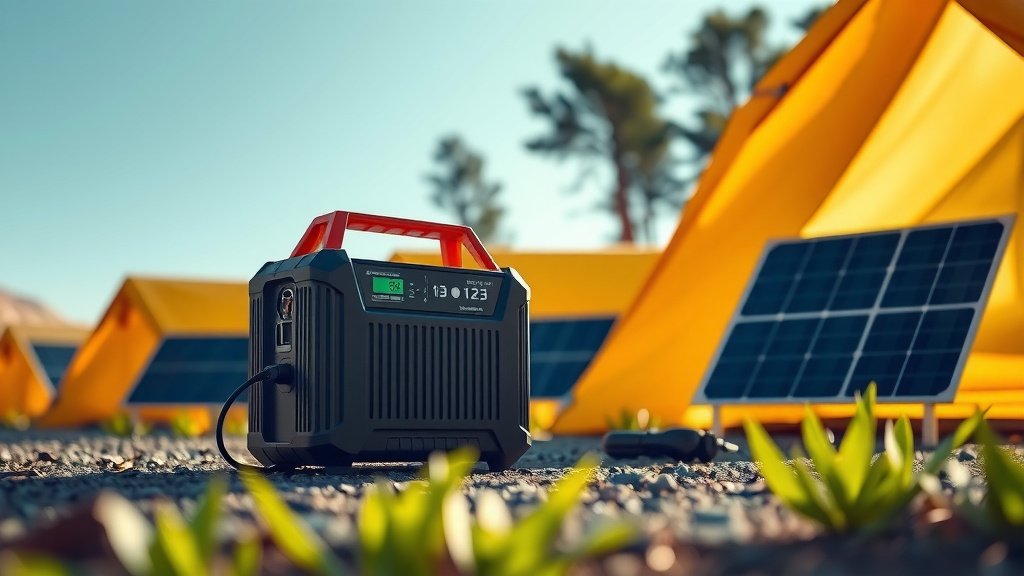
You can recharge your solar generator while traveling using wall outlets in hotels, your car’s 12V socket, or by keeping the solar panels exposed to sunlight during the journey.
The key is planning ahead and using multiple charging methods to ensure your solar generator stays powered throughout your trip.
Quick Ways to Keep Your Solar Generator Charged on the Road
Traveling with a solar generator doesn’t mean you’re stuck waiting for perfect sunny days. You have several reliable options to keep your power station topped up.
Your car becomes your best friend here. Most solar generators come with a 12V car charger that plugs right into your cigarette lighter socket. This works whether you’re driving or parked with the engine running.
Hotels and campgrounds offer another lifeline. Pack the AC wall charger that came with your generator. You can charge overnight in your room or at powered campsites.
Solar Charging While Moving
Yes, you can charge your solar generator with panels while driving. Mount portable panels on your RV roof or lay them across your dashboard if they fit.
The charging will be slower than stationary setups, but every bit helps. Even partial sunlight through your windshield can add some juice to smaller power stations.
Car Charging: Your Most Reliable Travel Option
Your vehicle’s 12V system is like a mobile charging station. Most cars put out around 10-15 amps through the cigarette lighter, which translates to decent charging speed for smaller generators.
How Long Does Car Charging Take?
Charging times vary based on your generator’s capacity and your car’s output. A 300Wh power station might take 3-4 hours from your car. Larger 1000Wh+ units could need 8-12 hours.
The good news? You can charge while driving to your next destination. Those highway hours become productive charging time.
Car Charging Safety Tips
- Don’t drain your car battery when the engine is off
- Check your fuse ratings before plugging in high-draw chargers
- Keep the generator in a well-ventilated area while charging
- Monitor charging in hot weather to prevent overheating
Wall Outlet Charging in Hotels and Campgrounds
AC wall charging gives you the fastest recharge speeds. Most solar generators charge 3-5 times faster from wall outlets compared to 12V car charging.
Book accommodations with this in mind. Hotels, motels, and RV parks with electrical hookups become your power pit stops.
Charging Etiquette and Safety
Be respectful when using hotel power. Don’t hog outlets in common areas or run extension cords across walkways. Charge in your room overnight when possible.
At campgrounds, some sites charge extra for electrical hookups. Factor this into your travel budget if you plan to rely on AC charging.
Fast Charging vs. Battery Health
Fast AC charging is convenient, but it can stress your battery over time. If you have time, use slower charging methods to extend your generator’s lifespan.
Many modern power stations have built-in battery management that prevents damage from fast charging. Check your manual for recommended charging practices.
Solar Panel Strategies for Road Trips
Solar panels give you true energy independence, but they need smart positioning to work while traveling.
Portable vs. Fixed Panel Setups
Portable panels offer flexibility. You can adjust their angle throughout the day and move them to follow the sun. They’re also easier to secure while driving.
Fixed roof panels work great for RVs and camper vans. Once installed, they charge automatically without daily setup. Just remember they can’t tilt for optimal sun angle.
| Panel Type | Pros | Cons |
|---|---|---|
| Portable Folding | Adjustable angle, easy storage | Setup required, theft risk |
| Fixed Roof Mount | Always charging, secure | Fixed angle, permanent installation |
| Flexible Panels | Lightweight, curved surfaces | Lower efficiency, fragile |
Maximizing Solar Input While Driving
Point your panels toward the sun as much as possible. In the northern hemisphere, this usually means facing south during midday hours.
Clean panels regularly. Road dust and dirt can cut charging efficiency by 20-30%. A simple wipe with a damp cloth makes a big difference.
Weather Considerations
Cloudy days don’t mean zero solar charging. Panels still produce power in overcast conditions, just at reduced rates. You might get 10-25% of their rated output.
Plan backup charging methods for extended cloudy periods or when traveling through areas with limited sun exposure.
Hybrid Charging: Using Multiple Sources
Smart travelers use combination charging. Solar during the day, car charging while driving, and AC charging overnight creates a reliable power routine.
Creating a Charging Schedule
Morning: Set up solar panels at your campsite before breakfast. Even a few hours of morning sun helps.
Driving: Switch to car charging while on the road. Your panels can still collect some light through windows.
Evening: Top off with AC power if available, or continue with 12V charging at your campsite.
Monitoring Your Power Levels
Check your generator’s battery level regularly. Most units show remaining capacity on an LCD display or phone app.
Aim to keep your battery above 20% when possible. Deep discharges can reduce battery lifespan over time.
Power Station Size and Travel Charging
Smaller generators (under 500Wh) charge quickly from any source. You can easily top them off during meal stops or short hotel stays.
Larger units (1000Wh+) need longer charging times. Plan overnight charges or longer driving sessions to maintain adequate power levels.
Matching Charging Speed to Travel Style
Fast-paced road trips suit smaller, quick-charging generators. You won’t have time for slow solar charging sessions.
Leisurely camping trips work well with larger units and solar panels. You have time to let the sun do its work.
Backup Power Planning
Always travel with multiple charging options. Pack your AC charger, 12V car adapter, and solar panels if space allows.
Research and found that travelers who bring at least two charging methods rarely run out of power, even on extended trips.
Common Charging Mistakes to Avoid
Don’t leave your generator completely empty for days. Lithium batteries can enter protection mode if discharged too deeply.
Avoid charging in extreme temperatures. Hot car interiors or freezing conditions can damage your battery or slow charging significantly.
Overcharging and Battery Care
Modern power stations stop charging automatically when full, but unplugging them saves a tiny bit of energy and reduces heat buildup.
Store your generator at 50-80% charge for long-term storage between trips. This keeps the battery in optimal condition.
Security While Charging
Never leave expensive solar panels unattended in public areas. Theft is a real concern at busy campgrounds and rest stops.
Use cable locks or bring panels inside when possible. Your peace of mind is worth the extra effort.
Alternative Charging Methods
Wind generators work in some travel situations, especially coastal areas or windy mountain passes. They’re niche solutions but worth considering for extended off-grid travel.
Some travelers use small gas generators to charge their solar power stations. This defeats the clean energy purpose but provides backup power in emergencies.
Public Charging Opportunities
Libraries, coffee shops, and visitor centers often have accessible outlets. Ask permission and be courteous about charging times.
Some rest stops now include charging stations for electric vehicles. These may have standard outlets you can use for smaller generators.
Conclusion
Recharging your solar generator while traveling comes down to smart planning and using multiple power sources. Your car’s 12V system provides reliable charging while driving. Hotels and campgrounds offer fast AC charging overnight. Solar panels give you energy independence when conditions are right.
The key is matching your charging strategy to your travel style and generator size. Fast-paced trips work best with car and AC charging. Leisurely adventures let you take advantage of solar power’s benefits.
Pack multiple charging cables and plan your power needs in advance. With the right approach, your solar generator will keep your devices powered throughout any journey.
Can I charge my solar generator while it’s powering other devices?
Yes, most modern solar generators support pass-through charging. This means you can charge the battery while simultaneously powering your devices. The charging may be slower since some power goes to your connected devices, but it’s perfectly safe and designed for this use.
How do I know if my car’s 12V outlet can handle my solar generator?
Check your car’s owner manual for the 12V outlet’s amp rating, typically 10-15 amps. Compare this to your generator’s car charger specifications. Most car chargers for portable power stations are designed to work safely with standard automotive outlets.
What happens if I try to solar charge on a cloudy day?
Solar panels still work on cloudy days but produce much less power, typically 10-25% of their rated output. You’ll get some charging, just very slowly. It’s better than nothing, but plan backup charging methods for overcast conditions.
Can I leave my solar generator plugged into my car overnight?
Only if your car is running or has an always-on 12V outlet that doesn’t drain the starter battery. Most car outlets shut off with the ignition to prevent battery drain. Check your vehicle’s manual to understand how your specific 12V outlets operate.
Is it safe to charge my solar generator in a hot car?
Avoid charging in extremely hot conditions over 100°F (38°C). High temperatures can damage lithium batteries and reduce charging efficiency. If you must charge in a hot car, ensure good ventilation and consider waiting until evening when temperatures drop.
