
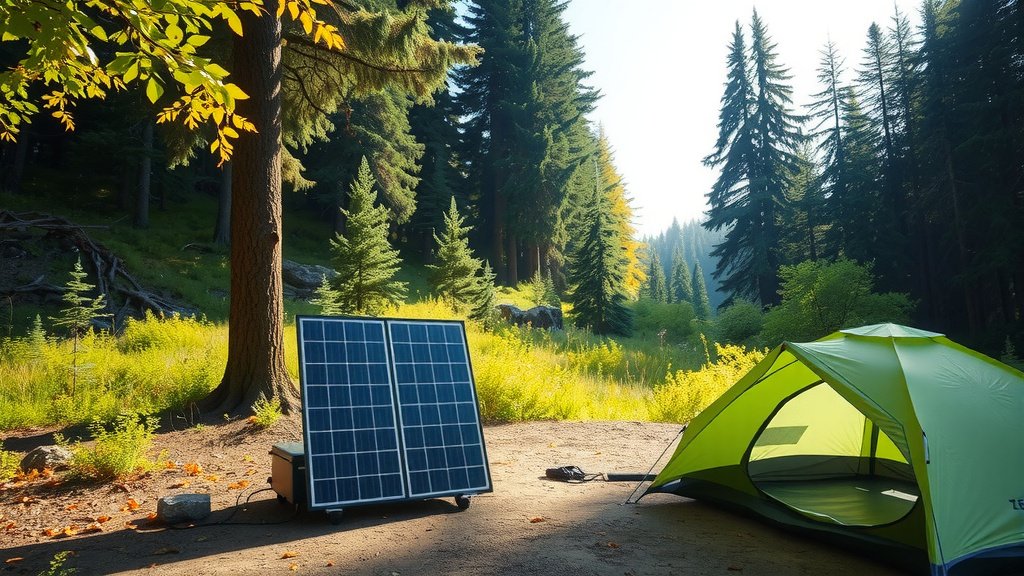
Yes, Zendure portable power stations are excellent for camping, offering reliable battery life, multiple charging ports, and weather-resistant designs that handle outdoor conditions well.
Most Zendure models provide 1-7 days of power for camping essentials like lights, phones, and small appliances, making them a solid choice for weekend trips or extended outdoor adventures.
What Makes Zendure Stand Out for Campers
When I researched portable power stations for camping, Zendure kept appearing as a top pick. You’ll find their units pack serious power into compact designs.
The brand focuses on durability and smart features. Their SuperBase series can handle everything from charging your phone to running a mini-fridge for days.
Battery Capacity That Actually Lasts
Zendure power stations range from 320Wh to over 4,000Wh. For most camping trips, you’ll want at least 1,000Wh.
Here’s what that means for your gear:
- Phone: 80-100 full charges
- LED camping lights: 100+ hours
- Laptop: 15-20 full charges
- Small cooler: 24-48 hours
Multiple Output Options
You won’t struggle with charging different devices. Zendure units typically include:
- AC outlets for standard plugs
- USB-A and USB-C ports
- 12V car outlets
- Wireless charging pads on newer models
Real-World Camping Performance
From what I found online, campers praise Zendure’s reliability in actual outdoor conditions. The units don’t shut down randomly like some cheaper brands.
Weather Resistance Features
Camping means dealing with dust, moisture, and temperature swings. Zendure builds their stations with protective casings that handle these challenges.
The units work in temperatures from -10°F to 140°F. That covers most camping scenarios you’ll face.
Dust and Water Protection
While not fully waterproof, Zendure power stations resist light rain and splashes. You should still keep them covered during heavy storms.
Temperature Management
Internal fans and heat management prevent overheating during hot summer camping trips. The battery chemistry also handles cold better than many competitors.
Charging Speed in the Field
Zendure units charge faster than most alternatives. You can top up via:
- AC wall outlet: 2-4 hours for full charge
- 12V car adapter: 8-12 hours
- Solar panels: 6-10 hours in good sun
Comparing Zendure Models for Different Camping Styles
Not all camping trips need the same power setup. Let me break down which Zendure models work best for different situations.
| Model Type | Best For | Capacity Range | Weight |
|---|---|---|---|
| SuperMini | Backpacking | 10,000mAh | 1.1 lbs |
| A-Series | Weekend camping | 320-600Wh | 8-15 lbs |
| SuperBase Pro | RV/Car camping | 1,600-4,000Wh | 40-100 lbs |
Lightweight Options for Backpackers
If you’re hiking miles to your campsite, every ounce matters. The Zendure SuperMini weighs just over a pound but charges phones, headlamps, and GPS devices multiple times.
Power vs. Portability Trade-off
You’ll get 3-4 phone charges from the SuperMini. That’s usually enough for weekend backpacking trips where you’re mostly disconnected anyway.
Mid-Range Models for Car Camping
The A-Series hits the sweet spot for most car campers. You can power essentials without breaking your back carrying them.
These units run small fans, charge cameras and drones, and keep your cooler going for extended periods.
Perfect Size for Tent Camping
At 8-15 pounds, you can easily move these around your campsite. They fit comfortably in most tents and camp kitchens.
Heavy-Duty Options for Extended Trips
Planning a week-long camping adventure? The SuperBase Pro series provides serious power for serious camping.
You can run full-size appliances, charge multiple devices simultaneously, and never worry about running out of juice.
Solar Charging Compatibility
Pairing your Zendure power station with solar panels makes camping almost unlimited. You’ll generate power during the day and use it at night.
Best Solar Panel Setups
I found that most campers use 100-200W solar panels with their Zendure units. This provides enough input to keep up with typical camping power usage.
Foldable vs. Rigid Panels
Foldable panels work better for camping. They pack smaller and set up quickly. Rigid panels generate more power but take up more space.
Charging Time Expectations
Don’t expect instant results with solar charging. Even good panels need 6-8 hours of strong sunlight to fully charge a medium-sized power station.
Cloudy Day Performance
Solar charging drops significantly on cloudy days. You’ll get maybe 20-30% of normal charging speed. Plan backup charging methods for multi-day trips.
What Campers Actually Use These For
From online forums and reviews, here’s what real campers power with their Zendure stations:
Essential Electronics
- Phones and tablets for communication and entertainment
- GPS devices and emergency beacons
- Cameras and action cams for capturing memories
- Headlamps and lanterns for nighttime visibility
Comfort Items
These aren’t necessities, but they make camping more enjoyable:
- Portable fans for hot nights
- Electric coolers for fresh food
- Coffee makers for morning routines
- Phone projectors for outdoor movie nights
Power Usage Reality Check
A 12V cooler uses about 50-60W continuously. That means a 1,000Wh power station runs it for roughly 16-20 hours before needing a recharge.
Emergency Backup Power
Camping sometimes involves unexpected situations. Having reliable power for emergency communication gives peace of mind.
Zendure stations hold their charge well during storage. You can pack one and know it’ll work when needed.
Drawbacks to Consider
Let’s be honest about where Zendure power stations fall short for camping.
Weight Limitations
Larger models weigh 40+ pounds. That’s fine for car camping but impossible for backpacking. You’ll need to choose between power capacity and portability.
Price Point
Zendure units cost more than basic alternatives. You’re paying for build quality and features, but budget-conscious campers might prefer cheaper options.
Cost vs. Value Analysis
High-quality power stations last years longer than cheap ones. When you factor in replacement costs, Zendure often provides better long-term value.
Charging Time Without AC
Recharging via car outlets or solar takes much longer than wall charging. Plan your power usage accordingly on extended trips.
Maintenance and Care Tips
Proper care extends your power station’s life and reliability during camping trips.
Storage Between Trips
Store your Zendure unit at 50-60% charge in cool, dry conditions. Don’t leave it fully charged or completely empty for months.
Battery Health Monitoring
Check the charge level every few months during storage. Top it up if it drops below 20% to prevent damage.
Cleaning After Outdoor Use
Wipe down the exterior with a damp cloth after dusty or sandy camping trips. Keep the charging ports clean and dry.
Safety Considerations for Camping
Power stations are generally safe, but camping environments present unique challenges.
Ventilation Requirements
Don’t seal power stations in airtight containers. They need airflow to prevent overheating, especially when charging or running high-power devices.
Fire Safety
Keep power stations away from campfires and heat sources. The batteries can be dangerous if they overheat or get damaged.
Emergency Procedures
If your power station starts smoking or making unusual sounds, disconnect everything immediately and move it away from flammable materials.
Alternatives Worth Considering
While Zendure makes great power stations, other brands might suit your specific camping needs better.
Budget-Friendly Options
Brands like Jackery and Bluetti offer similar features at lower prices. You might sacrifice some build quality or features, but they work fine for basic camping needs.
Ultra-Portable Choices
Goal Zero makes extremely lightweight options for serious backpackers. They provide less power but weigh significantly less than comparable Zendure units.
Making the Purchase Decision
Before buying any power station for camping, assess your actual needs honestly.
Power Audit Exercise
List everything you want to power while camping. Add up the watts and multiply by hours of daily use. That gives you a realistic capacity requirement.
Common Overbuying Mistakes
Many people buy more capacity than they need. A 500Wh unit often handles weekend camping better than a heavy 2000Wh monster you’ll barely use.
Conclusion
Zendure portable power stations work very well for camping, offering reliable power, durable construction, and user-friendly features that handle outdoor conditions effectively. The key is choosing the right model size for your specific camping style and power needs.
For most campers, Zendure provides excellent value despite higher upfront costs. The units last longer, perform better in harsh conditions, and offer features that make camping more comfortable and safe. Whether you’re car camping for weekends or planning extended outdoor adventures, there’s likely a Zendure model that fits your requirements.
How long will a Zendure power station run my camping fridge?
A typical 12V camping fridge draws 40-60W continuously. A 1000Wh Zendure unit will run it for 16-25 hours depending on outside temperature and fridge efficiency. Warmer weather means shorter runtime.
Can I leave my Zendure power station in a hot car while camping?
Avoid leaving power stations in hot cars when possible. Temperatures above 140°F can damage the battery and reduce lifespan. Park in shade or bring the unit into your tent during extreme heat.
What’s the smallest Zendure model that can run a CPAP machine camping?
Most CPAP machines use 30-60W per night. The A2000 (2000Wh) model can run a CPAP for 5-7 nights on one charge, making it the minimum recommended size for multi-day camping trips.
Do Zendure power stations work at high altitude camping locations?
Yes, Zendure units function normally at high altitudes up to 10,000 feet. The main concern is temperature – mountain nights get cold, which can reduce battery performance temporarily.
How do I know when my Zendure needs servicing after heavy camping use?
Watch for significantly reduced runtime, slow charging, unusual noises, or error messages on the display. Most units last 2-3 years of regular camping use before needing battery replacement or professional service.
