
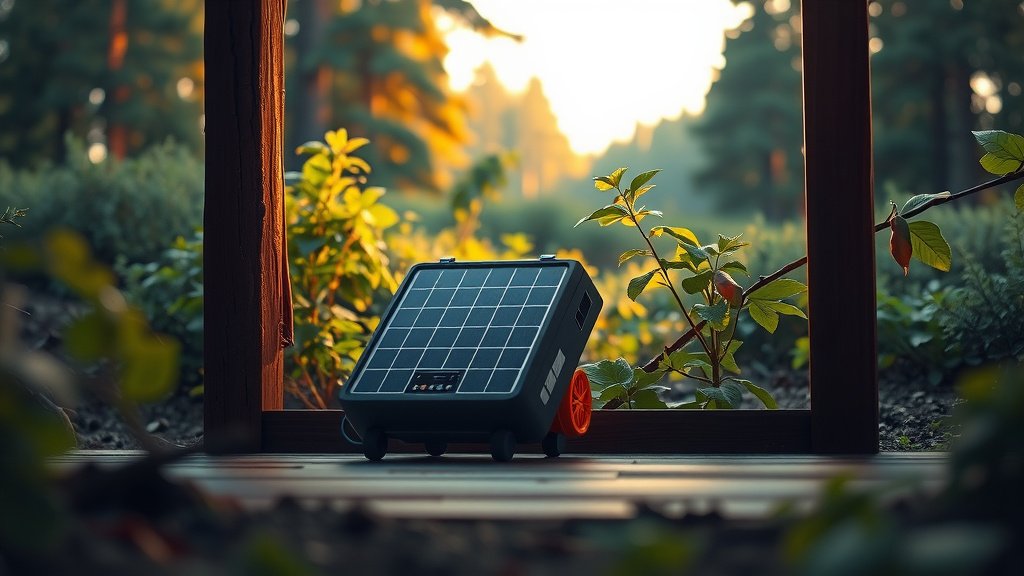
A solar generator for hunting trips provides quiet, renewable power for essential devices like GPS, lights, and heated gear, ensuring you stay connected and comfortable in the wilderness. You can easily charge your devices and extend your trip without worrying about traditional fuel.
Using one is simple: deploy the solar panels in sunlight, connect them to the power station, and then plug in your devices for charging.
TL;DR:
- Solar generators offer quiet, emission-free power for hunting.
- Choose a unit based on your device power needs and trip length.
- Power essentials like GPS, walkie-talkies, and lighting.
- Setup is straightforward: position panels, connect to the power station.
- They boost safety and comfort, making your hunting experience better.
How To Use Solar Generator For Hunting Trips?
To use a solar generator for hunting, you typically unfold its solar panels in an open, sunny spot, connect them to the portable power station, and then plug your hunting and camping gear into the power station’s outlets for quiet, clean power.
Why a Solar Generator for Your Hunt?
Hunting trips often take you far from power outlets. Bringing a solar generator changes your outdoor game. It offers a reliable way to keep your essential gear charged. Think of it as your portable power grid in the wild.
Quiet Power for Stealth
Unlike noisy gas generators, solar generators are silent. This is a huge benefit when hunting. No engine sounds will spook game or disturb the peaceful environment. You get power without giving away your location.
Sustainable Energy in Nature
Hunting connects you with nature. Using a solar generator keeps that connection clean. It produces no fumes or emissions. This means you are leaving a lighter footprint on the wilderness you love. It’s a choice that helps protect your hunting grounds.
What Can Your Solar Generator Power?
You might be surprised by how much a portable solar generator can handle. From tiny gadgets to larger comfort items, it’s a game-changer. Imagine enjoying some of your home comforts deep in the woods.
Essential Electronics
Your hunting trip relies on certain items. This includes your GPS device, headlamps, and two-way radios. You’ll also charge your phone for emergencies or photos. A solar generator keeps these life-saving and convenient tools ready. Research often connects reliable communication with safer outdoor adventures (National Park Service).
Comfort and Convenience
Beyond essentials, solar generators bring comfort. You can power electric blankets on cold nights. Charge small fans on warm days. Some units can even run a portable cooler or a coffee maker. This makes your campsite feel more like home.
Choosing the Right Solar Generator
Picking the correct solar generator is vital. It’s not a one-size-fits-all situation. Your choice depends on what you need to power and for how long. We found that matching your needs to the unit’s specs prevents disappointment.
Capacity Matters (Watt-Hours)
Look at the generator’s capacity, measured in Watt-hours (Wh). This tells you how much power it stores. For a weekend trip with basic charging, a 300-500Wh unit might be enough. Longer trips or more power-hungry devices need 1000Wh or more. List out everything you want to power, then check their wattages.
Portability and Durability
You’ll be carrying this gear. So, weight and size are key. Lighter, more compact units are easier to transport. Also, ensure it’s built tough for outdoor conditions. Many experts say a rugged, weather-resistant design is non-negotiable for hunting gear.
Setting Up Your Solar Generator in the Field
Getting your solar generator running is usually very simple. Most modern units are plug-and-play. You don’t need to be an electrical engineer. It takes just a few steps to start collecting sunlight.
Finding the Best Sun Spot
For efficient charging, placement is everything. Look for an open area away from shadows. Angle your solar panels directly towards the sun. Think about moving them as the sun shifts throughout the day. This simple act maximizes your power intake.
Connecting Your Gear
Once the panels are soaking up sun, connect them to the power station. Then, plug your devices into the generator’s outlets. It’s just like plugging into a wall socket at home. Most units have multiple outlet types: AC, DC, and USB. This means you can power a variety of devices.
Maximizing Power and Efficiency
You want to get the most out of your solar generator. A few smart practices can greatly extend your battery life and charging speed. It’s about being thoughtful with your power.
Panel Placement Tips
- Position panels for direct sunlight, avoiding shadows from trees or tents.
- Angle panels for optimal sun exposure, especially around midday.
- Clean panels regularly; even a thin layer of dust can reduce efficiency.
- Consider elevating panels slightly off the ground to prevent obstruction.
Power Conservation Strategies
Turn off devices when not in use. Use power-saving modes on your electronics. Only charge items when the sun is brightest. These small habits make your stored power last longer. Think of it as managing your water supply in the desert.
| Device Type | Typical Wattage | Why it Matters for Hunting |
|---|---|---|
| Smartphone | 5-15W | Communication, navigation, emergency calls. |
| Headlamp/Lantern | 3-10W | Night vision, camp tasks, safety. |
| GPS Device | 2-5W | Tracking, waypoint marking, safe return. |
| Two-Way Radio | 1-5W | Group communication, coordination. |
| Heated Vest/Blanket | 10-40W | Crucial comfort in cold weather. |
Packing Your Solar Generator for the Hunt
When you pack for your hunting trip, treat your solar generator like any other vital piece of equipment. Protect it from bumps, dirt, and moisture. Many outdoor enthusiasts use a padded carrying case. This helps keep it safe during transport.
Safety Tips for Outdoor Use
Your safety is always number one. Even clean energy needs respect. Here’s a quick checklist to keep in mind:
- Keep the generator dry and away from rain or snow.
- Do not block ventilation ports on the power station.
- Place the unit on a stable, flat surface to avoid tipping.
- Store panels securely to prevent damage or injury.
- Read your specific generator’s manual for its unique safety guidelines.
Many guidelines point to keeping electronics dry in the field to avoid damage (Outdoor Safety Institute).
Conclusion
A solar generator can truly transform your hunting experience. It offers quiet, clean, and reliable power for all your needs. From keeping vital navigation tools charged to adding comfort on cold nights, the benefits are clear. By choosing the right size, setting it up correctly, and practicing smart power management, you’ll extend your time in nature. You’ll also do so without leaving a trace. Embrace this technology and make your next hunting trip more connected, comfortable, and conscious.
Can a solar generator run a small electric stove for cooking?
Most small electric stoves draw too much power (often 800-1500 watts) for a typical portable solar generator. While some larger, high-capacity solar generators might handle it for a short period, it would quickly drain the battery. We found it’s better to use propane or butane stoves for cooking when hunting.
How long do solar panels take to charge a generator?
The charging time depends on several things: the size of your solar panels, the capacity of your generator’s battery, and how much sunlight they receive. A small 100W panel might take 8-10 hours to fully charge a 500Wh generator on a sunny day. Bigger panels and more direct sun reduce this time significantly.
Is it safe to leave a solar generator charging overnight?
Yes, modern solar generators have built-in charge controllers. These prevent overcharging and protect the battery. Once fully charged, the system stops drawing power. So, it’s safe to leave them plugged into the solar panels overnight, though no charging will occur without sunlight.
What is the lifespan of a typical solar generator?
The core component, the battery (usually LiFePO4), can last for many charge cycles. Many experts say a good quality solar generator can offer 500 to 3500 full charge cycles. This often translates to 5-10 years or more of regular use, depending on the model and how well you care for it.
Are there any specific solar generators recommended for cold weather hunting?
For cold weather, look for generators with LiFePO4 batteries, as they generally perform better in lower temperatures than other lithium-ion types. Some manufacturers also offer models with insulated cases or heating elements. Always check the operating temperature range in the product specifications. Research often connects battery performance to temperature ratings (Battery University).
