
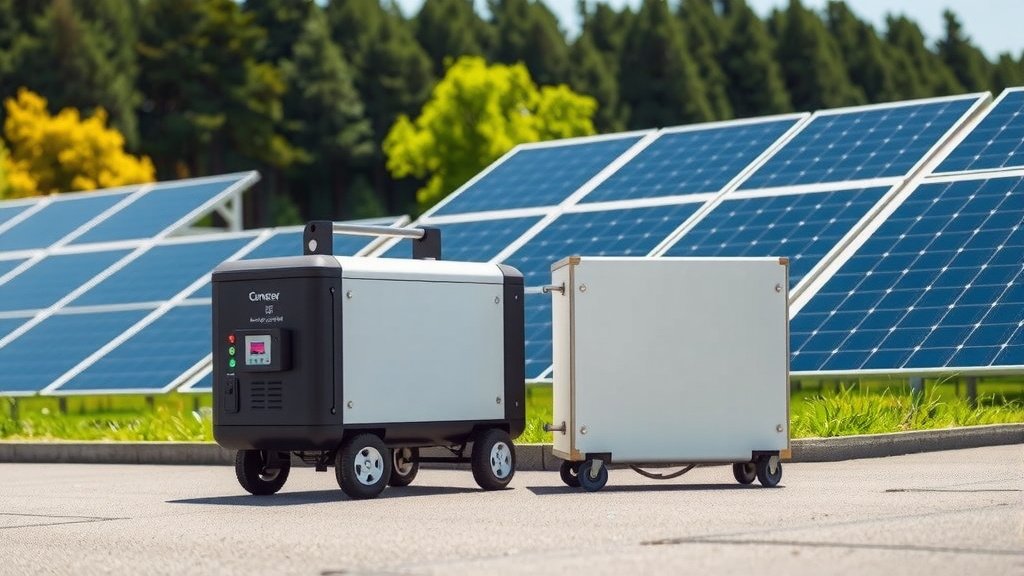
Solar generators often qualify for green energy incentives, but eligibility really hinges on your location and how your system is integrated. These incentives typically favor permanent home installations more than highly portable units.
However, some exceptions and other tax benefits might still apply to your solar generator setup, making it worth researching.
TL;DR:
- Solar generators *can* qualify for green energy incentives in many cases.
- Eligibility largely depends on your location, the specific incentive program, and if the system is integrated into your home or property.
- Many federal and state programs prioritize permanently installed solar energy systems over fully portable ones.
- Portable solar generators might have fewer direct incentives, but other tax benefits for energy-efficient purchases could still apply.
- Always check federal, state, and local energy department websites for the most accurate and up-to-date information.
Does Solar Generator Qualify For Green Energy Incentives?
Yes, solar generators can absolutely qualify for green energy incentives, though it often depends on the specific incentive and how you plan to use your system. It’s not a simple “yes” or “no” for every situation, as incentive programs vary widely.
Why Green Energy Incentives Matter to You
Thinking about green energy incentives for your solar generator is a smart move. These programs are designed to make clean energy more affordable for everyone. They can significantly reduce your initial costs, putting more power—literally—in your hands faster.
Imagine saving money while you generate your own clean electricity. That’s the real benefit here. We found that incentives motivate many people to make the switch (U.S. Department of Energy).
Deciphering Federal Incentives for Solar Power
When we talk about green energy, the federal government often plays a big role. The most well-known incentive is designed to help you afford renewable energy systems for your home. It’s a powerful tool if your setup fits the criteria.
The Federal Solar Investment Tax Credit (ITC)
The Investment Tax Credit (ITC), sometimes called the Residential Clean Energy Credit, is a major federal incentive. It offers a tax credit for a percentage of the cost of new, qualified solar energy equipment for your home. This credit can be applied to solar panels, solar water heaters, and even some battery storage components.
Many experts say this credit has driven much of the solar growth in the U.S. (Solar Energy Industries Association).
How Solar Generators Fit (or Don’t) into the ITC
This is where things get a bit nuanced for solar generators. The ITC primarily targets systems that are considered permanent installations on a home. A typical portable solar generator, which you can move around easily, might not always qualify directly.
However, if your solar generator acts as a primary power source or is integrated into your home’s electrical system, it might be eligible. This usually means it’s part of a larger, stationary setup, making it less “portable” in practice.
Exploring State and Local Solar Programs
Beyond federal options, states and even local municipalities often have their own incentives. These can be incredibly helpful and sometimes stack with federal benefits. It’s like finding bonus savings specific to your area.
We found that state programs often fill gaps or offer different types of benefits (National Conference of State Legislatures).
Rebates, Grants, and Property Tax Exemptions
You might find various forms of assistance at the state and local levels. Some states offer cash rebates for installing solar, while others provide grants. Another common incentive is a property tax exemption, meaning your property taxes won’t increase just because you added solar panels.
These local incentives are often designed to boost specific types of clean energy adoption within a community.
Portable vs. Permanent: The Key Distinction
The biggest hurdle for many solar generators getting incentives is their portability. Most significant green energy incentives, especially the ITC, focus on systems that are fixed or permanently installed. Think solar panels on your roof.
A solar generator, by its nature, is often designed to be moved and used in various locations.
Are Portable Solar Generators Excluded?
For the most part, highly portable solar generators are generally not eligible for the big federal incentives like the ITC if they are just used for occasional camping or backup. They just don’t meet the “permanently installed” criteria.
However, this doesn’t mean there are no benefits at all. Sometimes, components might qualify, or specific local programs could exist.
When a Portable Unit Acts Like a Permanent One
Here’s a potential workaround: if your “portable” solar generator is integrated into your home’s electrical system, perhaps as a permanent backup power source or connected to a dedicated solar array, it might qualify. This transforms its role from a simple portable device to a fixed part of your home’s infrastructure.
Consulting with a tax professional or a solar installer who understands these nuances is a good idea. They can help you understand if your specific setup could pass the test.
Unlocking Other Potential Tax Benefits
Even if your solar generator doesn’t qualify for a direct green energy incentive, there might be other ways to save. Consider general tax deductions or credits for certain energy-efficient purchases. These are less about “solar” specifically and more about smart energy choices.
It’s always smart to keep an eye on federal or state tax codes for such opportunities (IRS guidelines).
Your Action Plan: Finding Relevant Incentives
So, how do you find out what applies to you? It’s not about guessing! You need to do a little detective work specific to your situation. This targeted research can save you a lot of money and frustration.
Essential Information to Gather
Before you dive in, have some key details ready. This helps you quickly narrow down options. You’ll want to know:
- Your exact address and zip code
- The specific model and capacity of your solar generator
- How you intend to primarily use the solar generator (e.g., emergency backup, off-grid living, partial home power)
- If you’re connecting it to your home’s electrical panel
Having this information will make your incentive search much more productive.
Eligibility Checklist: Is Your Setup Ready?
To give you a clearer picture, here’s a quick checklist of things often looked for when considering solar incentives:
- Is the solar generator system installed on a property you own?
- Does it primarily power your residence?
- Are the solar panels and battery permanently affixed or integrated?
- Does it meet local electrical and safety codes?
- Is the equipment new and not previously used?
Answering “yes” to these questions often strengthens your case for incentive eligibility.
A Look at Common Solar Incentive Types
To help you understand the landscape, here’s a quick comparison of common incentive types you might encounter:
| Incentive Type | What It Is | How It Helps You |
|---|---|---|
| Federal Tax Credit (ITC) | A direct reduction in your federal tax liability. | Lowers your overall tax bill, making solar cheaper. |
| State Rebates | A direct payment from the state government. | Reduces upfront purchase cost immediately. |
| Grants | Funds provided by government or non-profits. | Can cover a portion of equipment or installation costs. |
| Property Tax Exemption | Your property value increases, but your taxes don’t. | Avoids higher property taxes due to solar improvements. |
| Sales Tax Exemption | You don’t pay sales tax on solar equipment. | Direct savings on the purchase price of your generator. |
Each type offers a different kind of financial relief for solar adoption.
Conclusion
So, do solar generators qualify for green energy incentives? The answer is often “yes,” but with important details to consider. While fully portable units might face hurdles, systems integrated into your home stand a much better chance. The key is understanding the distinction between portable and permanent installations, and then diligently researching the federal, state, and local programs available to you. Don’t leave money on the table; explore your options to make your clean energy journey more affordable. Your wallet and the planet will thank you!
How often do green energy incentive programs change?
Green energy incentive programs can change quite often, sometimes annually or every few years. Federal programs, like the ITC, are often set for specific periods but can be extended. State and local programs might be updated more frequently or even run out of funds. Checking official government energy websites regularly is the best way to stay informed about current offerings.
Can businesses qualify for solar generator incentives?
Yes, businesses can absolutely qualify for solar generator incentives. Many federal and state programs have commercial versions of incentives like the ITC, specifically designed to help businesses adopt renewable energy. These incentives often aim to reduce operational costs and promote sustainable business practices. The specific eligibility criteria and credit amounts might differ from residential programs.
What if my state doesn’t have specific solar generator incentives?
Even if your state doesn’t have incentives specifically for “solar generators,” you might still find benefits. Look for broader “renewable energy” or “battery storage” incentives. Also, don’t forget to check local utility company programs, as they often offer rebates for energy efficiency or demand response. General tax deductions for energy-efficient purchases could also apply.
Is it worth pursuing incentives for a smaller solar generator?
Whether pursuing incentives for a smaller solar generator is “worth it” depends on the potential savings versus the effort. For smaller, purely portable units, direct incentives are less common. However, if even a small credit or rebate applies, it’s money saved. Always weigh the potential financial benefit against the time and paperwork involved to make your decision.
Are there energy efficiency incentives that apply to solar generators?
While solar generators are primarily about energy generation, some components or their usage might align with energy efficiency incentives. For example, if a solar generator system helps you reduce overall grid consumption in an energy-efficient way, it could indirectly qualify for broader energy efficiency benefits. We found that some utility programs reward reducing peak energy use, which a solar generator can help achieve.
