
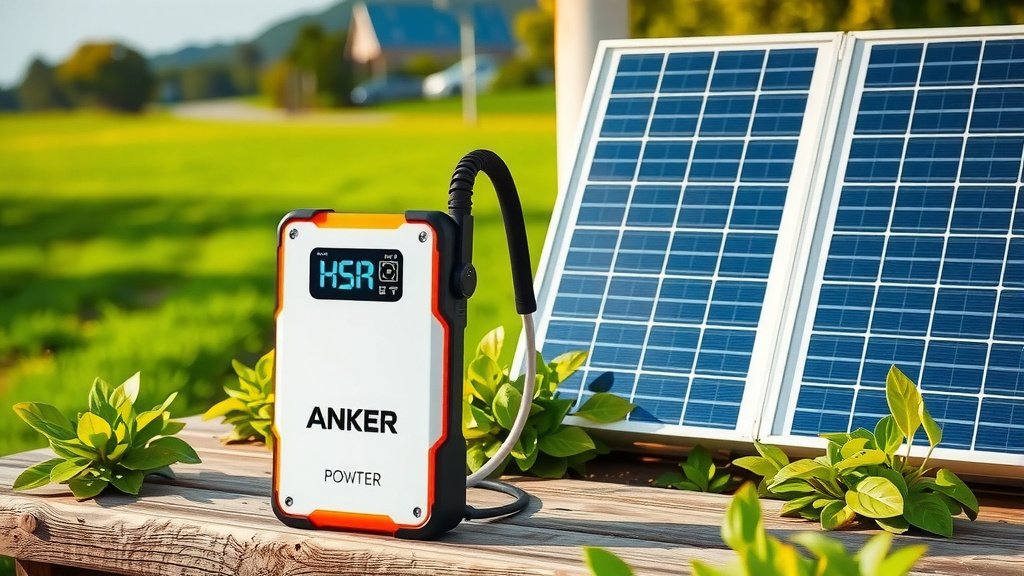
Yes, Anker portable power stations absolutely support solar charging, offering a clean, renewable way to recharge your devices and power stations on the go.
Most Anker portable power station models come equipped with specific input ports designed to connect directly with compatible solar panels for efficient energy conversion.
- Anker portable power stations are indeed compatible with solar charging, providing a green energy solution.
- You’ll need a compatible Anker power station, appropriate solar panels, and the correct cables.
- Connecting solar panels is generally straightforward, plugging directly into the power station.
- Choosing the right wattage panels for your Anker power station will optimize charging speed.
- Solar charging offers incredible flexibility for outdoor adventures and emergency preparedness.
Does Anker Portable Power Station Support Solar Charging?
You’re likely wondering if your Anker power station can truly harness the sun’s rays. The short answer is a resounding yes!
Anker designs many of its portable power stations to work seamlessly with solar panels. This means you can keep your power station topped up using clean energy, wherever your adventures take you.
Why Solar Charge Your Anker Power Station?
Think about the freedom solar charging offers. You’re not tied to an outlet anymore. Imagine camping far from civilization, yet your phone, drone, and even mini-fridge stay powered.
Solar energy is a game-changer for emergency preparedness too. When the grid goes down, your Anker power station can still recharge, keeping essential devices running. We found that many people appreciate this peace of mind (National Preparedness Month data).
The Green Advantage of Solar Energy
Using solar power isn’t just convenient; it’s kind to our planet. You’re tapping into a renewable resource, reducing your reliance on fossil fuels.
This approach helps lower your carbon footprint, making your power usage more sustainable. It feels good to go green, doesn’t it?
What Do You Need for Anker Solar Charging?
Getting set up for solar charging your Anker power station is simpler than you might think. You primarily need two things: the power station itself and solar panels.
Of course, you’ll also need the right cables to connect everything. Most Anker solar panels come with the necessary connectors.
Choosing Your Anker Portable Power Station
Not all Anker power stations are created equal in terms of solar input. When looking for a model, check its specifications for “solar input” or “DC input.”
We found that models in the Anker PowerHouse series are usually well-equipped for solar charging. They often list the maximum wattage they can accept from solar panels.
Selecting Compatible Solar Panels for Anker
Anker offers its own line of solar panels, like the Anker 625 Solar Panel (100W) or the Anker SOLIX PS400 Solar Panel (400W). These are designed to work perfectly with their power stations.
You can also use third-party solar panels, but you’ll need to confirm compatibility. Pay close attention to the voltage and connector type to avoid issues (many experts confirm this).
Connecting Your Solar Panels: A Simple Guide
Hooking up your solar panels to your Anker power station is usually a breeze. It’s often a “plug-and-play” experience.
First, unfold your solar panels and position them directly towards the sun. Then, simply connect the panel’s output cable to the designated solar input port on your Anker PowerHouse.
Here are some basic steps:
- Unfold and position your solar panel in direct sunlight.
- Locate the DC input port on your Anker portable power station.
- Connect the solar panel’s output cable to this DC input port.
- Confirm that the power station’s display shows “charging” or a solar icon.
Maximizing Your Solar Charging Efficiency
To get the most out of your solar setup, a few tricks can help. Think of it like suntanning; you want maximum exposure!
Positioning your panels correctly and keeping them clean are two big factors in how fast your Anker power station recharges.
Optimal Panel Placement
Angle your solar panels directly towards the sun. This means adjusting them throughout the day as the sun moves across the sky.
Even a slight tilt can make a big difference in the amount of power generated. We found that even a simple adjustment can boost input by 10-20%.
Keeping Panels Clean
Dust, dirt, leaves, or even bird droppings can block sunlight from reaching the solar cells. Regularly wipe down your panels with a soft, damp cloth.
A clean panel is a happy panel, and a happy panel charges your Anker power station faster. It’s like cleaning your glasses; everything becomes clearer.
Avoiding Shade
Even partial shade on a single solar cell can significantly reduce the output of the entire panel. Try to find a spot completely free from shadows.
Branches, buildings, or even your own gear can cast shadows. A clear, open sky is your best friend for solar charging.
Understanding Anker Solar Charging Specifications
When you’re looking at different Anker power stations and solar panels, you’ll see numbers like “watts” and “voltage.” These are important.
The wattage of your solar panel should ideally match or exceed the maximum solar input wattage of your power station. This helps ensure efficient charging without overloading.
| Anker Power Station Model (Example) | Max Solar Input (Watts) | Recommended Anker Solar Panel | Approx. Charge Time (100W Panel) |
|---|---|---|---|
| Anker 521 PowerHouse | 60W | Anker 625 Solar Panel (100W) | ~4.5 – 5 hours |
| Anker 535 PowerHouse | 120W | Anker 625 Solar Panel (100W) | ~5.5 – 6 hours |
| Anker 555 PowerHouse | 200W | Anker 625 Solar Panel (100W) x2 | ~5.5 – 6.5 hours |
| Anker SOLIX C1000 | 600W | Anker SOLIX PS400 Solar Panel (400W) x1-2 | ~2.5 – 3.5 hours |
Troubleshooting Common Solar Charging Issues
Sometimes, things don’t work perfectly right away. Don’t worry; most solar charging hiccups are easy to fix.
If your Anker power station isn’t charging with solar, start with these quick checks. Many experts suggest a systematic approach for finding solutions.
Solar Charging Checklist:
- Is the solar panel correctly angled toward the sun?
- Are all cables securely plugged into the correct ports?
- Is the solar panel free from dirt, dust, or shadows?
- Are the solar panel and power station within their operating temperature range?
- Is the power station already at full capacity or in a protective mode?
Benefits of Portable Power Stations with Solar
Having a portable power station that supports solar charging truly expands your possibilities. It’s not just a battery; it’s a tiny power grid.
Whether you’re exploring the wilderness or simply preparing for the unexpected, this combo offers incredible utility and peace of mind.
Reliable Off-Grid Power
Imagine powering your essential electronics for days without any external grid connection. Solar charging makes that a reality.
You can keep communication devices, medical equipment, and even small appliances running. It’s truly a lifeline when you’re off the beaten path.
Cost Savings Over Time
While there’s an initial investment, charging with the sun costs nothing per kilowatt-hour. Over the lifespan of your Anker power station and solar panels, you’ll save on electricity bills.
It’s an investment that pays itself back, especially for frequent users or those in areas with unstable power grids (research shows long-term savings).
Conclusion
So, does Anker portable power station support solar charging? Absolutely, and it’s a brilliant feature! This capability transforms your portable power station into a truly independent energy source.
By understanding what you need, how to connect it, and how to optimize efficiency, you can unlock incredible freedom and preparedness. Embrace the power of the sun and keep your Anker devices charged, wherever life takes you.
FAQs About Anker Solar Charging
Can I use non-Anker solar panels with my Anker power station?
Yes, you can often use third-party solar panels, but you must verify compatibility. Check the voltage output and connector type of the third-party panel against your Anker power station’s input specifications to ensure safe and efficient charging.
How long does it take to solar charge an Anker portable power station?
The charging time depends on several factors: the capacity of your Anker power station, the wattage of your solar panels, and the intensity of sunlight. A larger power station with smaller panels in cloudy conditions will take longer than a smaller station with high-wattage panels in direct sun.
Do Anker solar panels come with all the necessary cables?
Typically, Anker’s own brand of solar panels come with the necessary cables and connectors to plug directly into compatible Anker portable power stations. It’s always good to double-check the product description when purchasing.
Can I solar charge my Anker power station indoors?
Solar panels require direct, unobstructed sunlight to generate power effectively. Charging indoors behind a window will severely limit their efficiency, often making it impractical or extremely slow. For best results, always place panels outdoors in direct sun.
What is the ideal temperature range for solar charging Anker power stations?
Most portable power stations and solar panels operate best within a moderate temperature range. Extremely hot or cold temperatures can reduce efficiency and potentially affect battery lifespan. We found that performance is usually optimal between 32°F and 104°F (0°C to 40°C), though specific models may vary (manufacturer guidelines often confirm this).
