
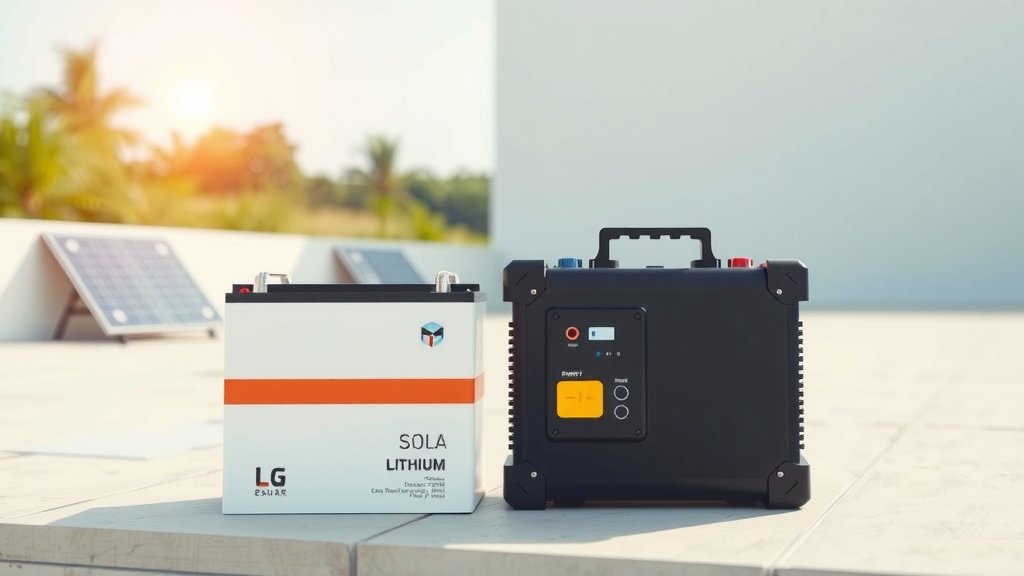
The environmental impact of lithium batteries primarily stems from the intensive mining of raw materials like lithium, cobalt, and nickel, along with the energy demands of manufacturing. Their footprint also includes concerns about proper disposal and recycling challenges at the end of their useful life.
Understanding the full environmental impact of lithium batteries involves looking at the entire lifecycle, from resource extraction to production, usage, and ultimate waste management, highlighting both the benefits and the critical areas for improvement.
- The production of lithium batteries starts with significant mining of critical minerals, which can harm local ecosystems.
- Manufacturing processes consume substantial energy, often relying on fossil fuels, contributing to carbon emissions.
- Proper recycling of lithium batteries is essential to recover valuable materials and prevent toxic substances from polluting the environment.
- Ongoing research focuses on developing more sustainable battery chemistries and efficient recycling methods to lessen their footprint.
- Consumers can play a role by choosing long-lasting products and supporting responsible disposal programs for their lithium-ion devices.
What Is Environmental Impact Of Lithium Batteries?
The environmental impact of lithium batteries comes from every stage of their life, from when they are dug out of the ground to when they are recycled. Think of it like a chain; each link has a story. We often focus on the clean energy they provide, but it’s important to understand the full picture. Let’s break down where these impacts happen, so you can make sense of it all.
Digging Up the Earth: The Mining Phase
Before a lithium battery powers your phone or portable power station, its raw materials must be mined. This process is often where the biggest environmental concerns begin. We are talking about lithium, cobalt, nickel, and manganese.
Lithium Extraction: Water Woes
Lithium is often found in brine under salt flats, especially in South America. Extracting it requires vast amounts of water, pumped to the surface and evaporated. Many experts say this process can strain local water supplies, affecting farming and communities (Scientific American). Imagine a desert area, already dry, losing precious water to industrial needs.
Cobalt and Nickel: Ethical and Environmental Concerns
Cobalt, a key component, often comes from regions with less strict environmental rules. Mining cobalt and nickel can lead to soil erosion and water pollution. We found that dust and heavy metals can spread, impacting nearby ecosystems and human health (EPA). It’s a tough trade-off for such powerful little batteries.
From Raw Materials to Power Packs: Manufacturing’s Role
Once raw materials are sourced, they journey to manufacturing plants. This stage also has its own environmental footprint. Building the intricate cells that make up a battery uses a lot of energy.
Energy Consumption in Production
The factories that make battery components and assemble them consume significant amounts of electricity. If this electricity comes from fossil fuels, it adds to greenhouse gas emissions. Research often connects energy-intensive manufacturing with a higher carbon footprint (National Renewable Energy Laboratory). It’s like baking a cake; the oven needs power.
Chemical Processing and Waste
Battery production involves various chemical processes to refine materials and create electrodes. These processes can generate chemical waste and wastewater. Responsible manufacturing aims to treat and minimize these byproducts, but they are still a factor to consider.
Powering Your Life: The Use Phase
Once a lithium battery is in your portable power station or electric vehicle, its environmental impact largely shifts. During its active life, it typically helps reduce emissions.
Offsetting Fossil Fuels
When you use a solar generator with a lithium battery, you are often replacing energy from gasoline generators. This reduces harmful air pollution and carbon dioxide emissions directly. Many studies highlight how using renewable energy stored in batteries significantly lowers your overall carbon footprint (DOE). That’s a huge win!
When the Power Fades: Disposal and Recycling
No battery lasts forever. What happens when your trusty lithium battery reaches the end of its life? This is a critical point for its environmental story.
The Landfill Problem
If lithium batteries end up in landfills, they pose several risks. They can leak toxic chemicals into the soil and groundwater. Also, they still contain stored energy and can cause fires, which we found can be dangerous in waste facilities (Waste Management Review). This is why proper disposal is not just good, it’s essential.
Why Recycling Matters So Much
Recycling lithium batteries is a bit like magic, turning old into new. It allows us to recover valuable metals like lithium, cobalt, and nickel. We found that recycling these materials reduces the need for new mining, saving resources and energy (Recycling Today). It’s a circular economy dream!
Recycling Challenges Today
Even with its benefits, lithium battery recycling is still growing. The process can be complex and expensive because batteries come in many shapes and sizes. Also, collecting enough used batteries for large-scale recycling is a challenge. We are getting better, but there’s still work to do.
Here’s a quick look at the journey and its challenges:
| Lifecycle Stage | Key Environmental Impact | Current Solution/Challenge |
|---|---|---|
| Mining Raw Materials | Habitat disruption, water use, pollution | Sustainable mining practices, finding new sources |
| Manufacturing | Energy consumption, chemical waste | Renewable energy in factories, waste reduction |
| Usage | Very low direct impact (if charged cleanly) | Replaces fossil fuels, enables clean energy |
| Disposal | Landfill pollution, fire risk | Developing robust recycling infrastructure |
| Recycling | Resource recovery, energy savings | Cost, efficiency, collection logistics |
Greener Batteries on the Horizon: Innovations and Solutions
The good news is that people are not just sitting around. Scientists and engineers are working hard to make batteries even better and greener.
New Battery Chemistries
Research is looking into battery types that use fewer rare or controversial materials. Think of solid-state batteries or those using more abundant elements like iron and sodium. Many experts say these could significantly reduce the environmental burden of future batteries (MIT Technology Review).
Improving Recycling Efficiency
New recycling methods are being developed to make the process more efficient and cost-effective. These techniques aim to recover a higher percentage of materials with less energy. This moves us closer to a true circular economy.
Your Role: Being a Responsible User
As a consumer, you have power too! Your choices can make a genuine difference. Here’s a simple checklist:
- Choose products with durable, long-lasting batteries.
- Extend battery life by following manufacturer care tips.
- Repair devices instead of replacing them whenever possible.
- Look for certified battery recycling programs in your area.
- Support companies committed to sustainable sourcing and manufacturing.
The Trade-Offs: Balancing Innovation with Impact
Lithium batteries are a critical tool in our shift away from fossil fuels. They power our electric cars, store solar energy, and keep our devices running. While they come with environmental costs, particularly in mining and manufacturing, their benefits in reducing carbon emissions from other sources are substantial. It’s about finding the best balance.
A Necessary Step Towards a Cleaner Future
We are in a transition. The environmental footprint of lithium batteries is real, but it is also an area of intense innovation. By supporting better practices and participating in recycling, you help shape a cleaner future. It’s not just about what the batteries do, but how we manage them from start to finish.
Conclusion
The environmental impact of lithium batteries is a complex topic, touching on resource extraction, manufacturing energy use, and proper end-of-life management. While there are clear challenges, especially concerning mining practices and recycling infrastructure, lithium-ion technology remains a powerful ally in the fight against climate change. By understanding these impacts and supporting sustainable solutions, we can all contribute to making this essential technology as green as possible.
Are lithium batteries worse for the environment than traditional lead-acid batteries?
Generally, no. While lithium batteries have their own set of environmental challenges, lead-acid batteries contain toxic lead, which poses significant environmental and health risks if not properly recycled. Lithium batteries often have a longer lifespan and higher energy density, meaning fewer are needed over time for the same energy output, which can reduce overall material consumption.
Can lithium batteries be fully recycled?
Currently, not all parts of a lithium battery are fully recoverable, but significant advancements are being made. Core materials like lithium, cobalt, and nickel can be extracted and reused. The efficiency and cost-effectiveness of these processes are constantly improving, aiming for higher recovery rates in the future.
What is “green lithium” and how does it help?
“Green lithium” refers to lithium extracted using methods that minimize environmental harm, such as direct lithium extraction (DLE) technologies. These methods aim to reduce water usage, land footprint, and energy consumption compared to traditional evaporation pond methods, offering a more sustainable source for battery production.
Do smaller lithium batteries, like those in phones, have the same environmental impact as larger ones?
The environmental impact per unit of energy stored is similar across different sizes, though larger batteries naturally require more raw materials. Smaller batteries are produced in much higher volumes, which creates a cumulative impact. The main difference lies in the economies of scale for recycling, as larger electric vehicle batteries often get priority due to their material value and easier collection.
What can I do with old lithium batteries from my portable power station?
You should always seek out specialized battery recycling programs. Never throw them in regular trash. Check with your local waste management facility, electronics retailers, or battery manufacturers, as many offer take-back programs. Proper recycling ensures valuable materials are recovered and harmful substances are managed safely.
