
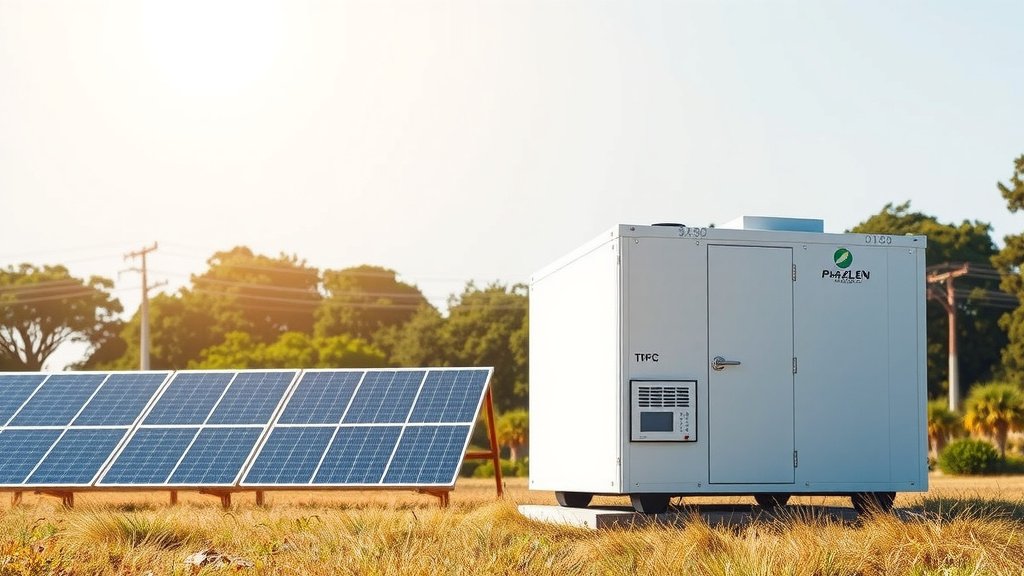
Yes, a solar generator can significantly reduce greenhouse gas emissions by providing clean, renewable energy. They directly replace power sources that burn fossil fuels, which are major contributors to these harmful gases.
By harnessing the sun’s energy, solar generators help you lower your carbon footprint, offering a sustainable alternative for your power needs at home, work, or during outdoor adventures.
- TL;DR: Solar generators significantly cut greenhouse gas emissions by replacing fossil fuel-based power.
- They provide clean, renewable energy, helping to reduce your personal carbon footprint.
- Using solar power lessens your reliance on grid electricity, which often comes from dirty energy.
- While manufacturing has an impact, the operational lifespan offers substantial environmental gains.
- Choosing a solar generator is a practical step towards a greener, more sustainable lifestyle.
Can Solar Generator Reduce Greenhouse Gas Emissions?
Absolutely, a solar generator makes a big difference in cutting greenhouse gas emissions. When you use one, you’re tapping into the sun’s energy, which is a **zero-emission power source** during operation.
This means no burning of fossil fuels, no carbon dioxide released, and a **cleaner environment** for all of us. It’s a direct swap from dirty energy to clean energy, right?
Understanding Greenhouse Gases
What exactly are greenhouse gases? They are gases that trap heat in the atmosphere, leading to global warming (EPA). Think of it like a blanket around the Earth, **making it warmer** than it should be.
Things like carbon dioxide, methane, and nitrous oxide come from burning coal, oil, and natural gas. These are the main culprits behind **climate change concerns**.
Your Carbon Footprint and Energy Choices
Every time you power something using traditional electricity, you’re likely contributing to these emissions. Your carbon footprint is a measure of your **total greenhouse gas impact**.
Choosing a solar generator is a clear way to make your energy use cleaner. It’s a personal step toward a **more sustainable future**.
How Solar Generators Make a Difference
Solar generators capture sunlight using photovoltaic panels and convert it into electricity. This energy is then stored in a battery, ready for when you need it. There are **no harmful byproducts** during this process.
This clean energy source directly offsets power that would otherwise come from fossil fuel power plants. You’re effectively **drawing power from the sun** instead of a smokestack.
Clean Energy at Your Fingertips
Imagine powering your campsite, tools, or even parts of your home with silent, emission-free electricity. That’s the **everyday reality** with a solar generator.
We found that replacing just a few hours of grid power with solar each day **adds up quickly** to significant emission reductions.
Reducing Reliance on Fossil Fuels
Many experts say that reducing our reliance on fossil fuels is key to addressing climate change. Solar generators offer a **tangible alternative** for personal energy independence.
By using them, you’re part of a bigger movement toward a **decarbonized energy system** worldwide. Isn’t that a great feeling?
Beyond Emission Reduction: Other Benefits
Beyond cutting greenhouse gases, solar generators bring other fantastic perks. They offer a **quieter operation** compared to noisy gas generators.
They also don’t produce exhaust fumes, which means **cleaner air** for you and your surroundings. It’s a win-win situation, really.
Peace and Quiet, Cleaner Air
Have you ever tried to enjoy nature with a loud gas generator humming in the background? Solar generators operate silently, letting you **enjoy true tranquility**.
Plus, without the fumes, you avoid respiratory irritants and local air pollution. That’s a **breath of fresh air**, literally.
Emergency Preparedness
Power outages happen, right? A solar generator provides a reliable backup power source without needing gasoline. You can **recharge it daily** with the sun.
This offers peace of mind and keeps your essential devices running when the grid fails. It’s a **smart way to prepare** for anything.
| Feature | Solar Generator | Traditional Gas Generator |
|---|---|---|
| Greenhouse Gas Emissions | Zero (during operation) | High (carbon dioxide, etc.) |
| Noise Level | Silent | Loud (often 60-80 dB) |
| Fuel Type | Sunlight (renewable) | Gasoline/Propane (fossil fuels) |
| Fumes/Exhaust | None | Harmful exhaust gases |
| Maintenance | Low | Higher (oil changes, spark plugs) |
The Lifecycle of a Solar Generator
While solar generators are emission-free during use, it’s fair to consider their entire lifecycle. This includes manufacturing and eventual disposal. We need to be **realistic and honest** about this.
However, research often finds that the environmental impact of manufacturing is **offset many times over** during the operational life of the device (NREL).
Materials and Manufacturing Footprint
Solar panels and batteries require raw materials and energy to produce. This process does create some emissions. Many companies are actively working to **reduce this initial impact**.
Look for brands committed to sustainable practices and ethical sourcing. Your choices **can support greener manufacturing**.
Responsible Recycling Efforts
What happens when a solar generator reaches the end of its life? Responsible recycling is important. Companies are developing better ways to **recover valuable materials** from batteries and panels.
Many local and national programs are emerging to help with this. Always aim to **dispose of electronics properly**.
Making the Switch: What to Consider
Ready to make the jump to solar power? It’s a fantastic decision, but you’ll want to choose wisely. Think about your **specific power needs** first.
Are you powering a small cabin, an RV, or just charging devices on a camping trip? Your intended use will **guide your choice**.
Choosing the Right System for You
Solar generators come in various sizes and capacities. A small unit might be perfect for charging phones, while a larger one could run a refrigerator. Consider the **wattage and battery capacity**.
It’s like choosing a car; you wouldn’t buy a sports car for moving furniture. What’s the **best fit for your lifestyle**?
- Checklist for Choosing a Solar Generator:
- Power Output: Does it meet your device’s needs?
- Battery Capacity: How long will it run your items?
- Portability: Will you be moving it often?
- Charging Speed: How fast does it recharge from the sun?
- Included Panels: Are solar panels part of the package?
- Durability: Is it built to last in various conditions?
Integrating Solar into Your Life
Starting with solar doesn’t have to be an all-or-nothing situation. You can begin by powering just a few items. Gradually, you might expand to **more energy independence**.
Every little bit helps reduce your overall emissions. It’s a **journey toward sustainability**.
Conclusion
Yes, solar generators are a powerful tool in the fight against greenhouse gas emissions. By converting sunlight into clean electricity, they offer a **direct, practical way** to reduce your carbon footprint.
While manufacturing has an initial impact, the long-term benefits of emission-free operation are substantial. Choosing a solar generator is an **empowering step** towards a greener, quieter, and more resilient energy future for us all.
Can a solar generator power an entire house?
For most standard homes, a single portable solar generator usually isn’t powerful enough to run everything. You might need a larger, more integrated solar energy system with rooftop panels and a substantial battery bank for whole-home power. However, smaller solar generators are excellent for essential appliances or backup power during outages.
How long do solar generators typically last?
The lifespan of a solar generator depends on its components. The solar panels can last 25-30 years or more, while the internal battery usually lasts 5-15 years, depending on the battery chemistry (like LiFePO4 lasting longer). Proper maintenance and care can certainly extend its useful life.
Are solar generators truly better for the environment than gas generators?
During operation, solar generators are unequivocally better for the environment because they produce zero emissions and no noise. Gas generators burn fossil fuels, releasing greenhouse gases and air pollutants. While solar generators have a manufacturing footprint, their long operational lifespan often significantly offsets this initial impact, making them a much greener choice overall.
Do solar generators work on cloudy days or at night?
Solar panels will still generate some power on cloudy days, but less efficiently. At night, they do not generate any power. This is why solar generators include batteries; they store the energy gathered during sunny periods, allowing you to use it when the sun isn’t shining.
What is the main benefit of a solar generator compared to just using grid power?
The main benefit is energy independence and a reduced carbon footprint. While grid power is convenient, a significant portion often comes from fossil fuels. A solar generator provides clean, renewable energy directly, reducing your reliance on traditional power sources and lowering your personal contribution to greenhouse gas emissions. It also offers a reliable backup during power outages.
