
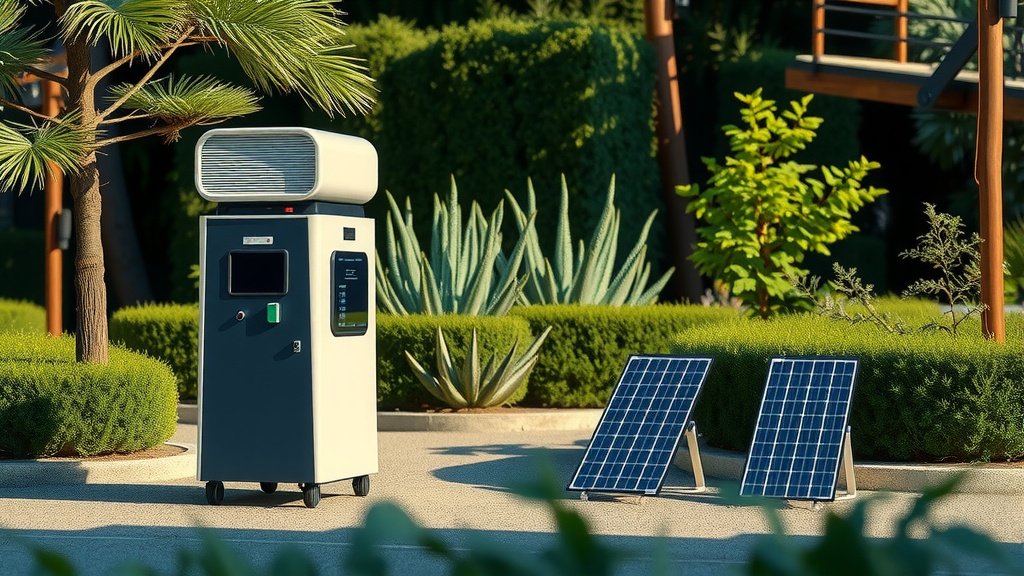
To maintain your portable power station battery health, keep its charge level between 20-80% for most battery types and store it in a cool, dry place away from direct sunlight.
Regularly using and recharging your portable power station, rather than letting it sit idle, also significantly extends its overall lifespan.
- TL;DR: Keep your power station charged between 20-80% for best results.
- Avoid extreme temperatures when storing or using your device.
- Use your power station regularly to keep the battery active.
- Understand your battery type (LiFePO4 or NMC) for specific care tips.
- Clean it often and check connections to prevent issues.
How To Maintain Portable Power Station Battery Health?
Keeping your portable power station battery healthy means careful charging, smart storage, and knowing your battery type.
It’s all about small habits that add up to a longer life for your device, saving you money and hassle.
Think of your portable power station like a car. You wouldn’t just buy it and never change the oil, right?
Batteries also need some TLC to perform their best and last for years, ready for your next adventure or emergency.
Understand Your Battery Type
Before you dive into maintenance, it helps to know what kind of battery your power station uses. Two main types exist: Lithium-ion (NMC) and Lithium Iron Phosphate (LiFePO4).
Many modern power stations now use LiFePO4 because they generally offer more charge cycles and a longer lifespan, but both need good care.
NMC vs. LiFePO4: Quick Look
| Feature | Lithium-ion (NMC) | Lithium Iron Phosphate (LiFePO4) |
|---|---|---|
| Lifespan (Cycles) | 500-1000 cycles | 2500-3500+ cycles |
| Optimal Charge | 20-80% recommended | 0-100% fine, but 20-80% still good |
| Temperature Range | More sensitive to heat | Better heat tolerance |
| Stability | Less stable if damaged | Highly stable and safe |
The Golden Rule of Charging: 20-80%
This is probably the most important tip for most battery types. Many experts suggest keeping your portable power station’s charge level between 20% and 80% (Battery University).
Why? Constantly charging to 100% or letting it drain to 0% can stress the battery, shortening its lifespan.
Imagine a person running a marathon. They wouldn’t sprint the entire way, nor would they just stand still until they collapse.
They maintain a steady pace, and so should your battery’s charge cycle.
Avoid Extreme Temperatures
Batteries are picky about temperature. Storing or using your power station in very hot or very cold conditions can cause damage.
Extreme heat can cause batteries to degrade faster, while extreme cold reduces their capacity temporarily and can permanently affect performance if used incorrectly.
Many manufacturers advise storing your power station in a spot with a stable, moderate temperature, typically between 32°F and 95°F (0°C to 35°C).
Never leave it in a hot car for extended periods, as temperatures can soar inside.
Regular Use is Good Use
You might think saving your power station for emergencies means keeping it unused. That’s not always the best approach for its battery health.
Research often connects regular, moderate discharge and recharge cycles with better long-term battery performance (Journal of Power Sources).
We found that letting a battery sit fully charged or fully discharged for months can lead to a phenomenon called “self-discharge” or simply reduce its overall capacity.
Try to use your portable power station at least once every three months, even if it’s just to power a small device.
Choose the Right Charging Method
Portable power stations offer various charging options: wall outlet, car charger, and solar panels.
While all are convenient, using the charging method recommended by the manufacturer is always your safest bet.
Wall Charging Best Practices
Always use the included charger or an approved equivalent. Using an aftermarket charger that doesn’t match the voltage or amperage can harm your battery.
Many modern power stations have smart charging systems, but using compatible accessories helps these systems work correctly.
Solar Charging Tips
Solar charging is fantastic for off-grid power, but it’s important to keep your panels clean for optimal efficiency.
Also, make sure the solar input voltage and current match what your power station can handle to avoid overloading the system.
Keep It Clean and Dry
Dust and moisture are enemies of electronics, including your portable power station.
Regularly wipe down the exterior of your device with a dry, soft cloth to prevent dust buildup from blocking vents or ports.
Avoid exposing your power station to rain, spills, or excessive humidity. Water damage can corrode internal components and severely shorten battery life.
We found that even high humidity over time can impact electronic devices.
Long-Term Storage Guidelines
If you plan to store your power station for several months, there are a few extra steps you should take.
This “hibernation mode” ensures your battery wakes up ready to go when you need it.
Battery Storage Checklist
- Charge the battery to about 50-60% before storing.
- Store in a cool, dry place away from direct sunlight.
- Disconnect any accessories or loads.
- Check the charge level every 3-6 months and top it up to 50-60% if it drops too low.
- Ensure the unit is turned off completely.
Don’t Overload Your Power Station
Every portable power station has a maximum output rating. Trying to power devices that collectively exceed this rating can strain the battery and internal components.
It’s like asking a small car to tow a huge truck; it’s just not designed for it.
Always check the wattage requirements of your appliances and compare them to your power station’s output capabilities.
A little planning prevents potential damage and keeps your battery happy.
Mind the Vents
Portable power stations have cooling fans and vents to dissipate heat generated during operation, especially when under heavy load.
Ensure these vents are never blocked by blankets, clothing, or other objects.
Good airflow helps maintain optimal operating temperatures, which directly relates to battery health and longevity.
Many experts say good ventilation is simple yet very effective in extending device life.
Conclusion
Taking care of your portable power station’s battery doesn’t require a science degree, just a few consistent habits. By understanding your battery type, sticking to the 20-80% charging rule, avoiding temperature extremes, and using it regularly, you’re setting yourself up for years of reliable power.
These simple steps will help you maximize your investment, making sure your power is always ready when adventure calls or an unexpected outage occurs. Treat your power station well, and it will serve you faithfully!
Can I leave my portable power station plugged in all the time?
Many modern portable power stations have advanced battery management systems (BMS) that prevent overcharging. While you *can* often leave them plugged in, especially those with pass-through charging, consistently keeping it at 100% can still slowly degrade battery health over time for some battery chemistries. For optimal longevity, especially with NMC batteries, it’s generally better to unplug it once it reaches 80-90% charge.
How often should I fully discharge my portable power station?
For most modern lithium-ion and LiFePO4 batteries, a full discharge (down to 0%) is not necessary and can even be detrimental if done frequently. It’s more about regular, moderate usage. Some manufacturers suggest a full discharge and recharge calibration every few months (e.g., once a year) to help the battery management system accurately report charge levels, but daily or weekly full discharges are not recommended.
What’s the best way to clean my portable power station?
The best way to clean your portable power station is with a soft, dry, lint-free cloth. You can gently wipe down the exterior to remove dust and dirt. Avoid using harsh chemicals, abrasive cleaners, or getting any liquid near the ports or vents. A soft brush can help clear dust from fan vents.
Does using a portable power station in very cold weather damage it?
Using a portable power station in very cold weather can reduce its performance and capacity temporarily. Charging a lithium-ion battery in freezing temperatures can cause permanent damage, known as “lithium plating,” which reduces battery life and can pose safety risks. It’s always best to bring the power station to a moderate temperature before charging or using it in extreme cold.
How do I know when it’s time to replace my portable power station’s battery?
You’ll notice signs like a significantly reduced capacity (it holds less charge than before), slower charging times, or a dramatically shorter runtime for devices you usually power. Most power stations have a rated number of charge cycles (e.g., 500 or 2500 cycles to 80% original capacity). Once you approach or exceed this number, you might start experiencing these symptoms, indicating the battery is nearing the end of its useful life.
