
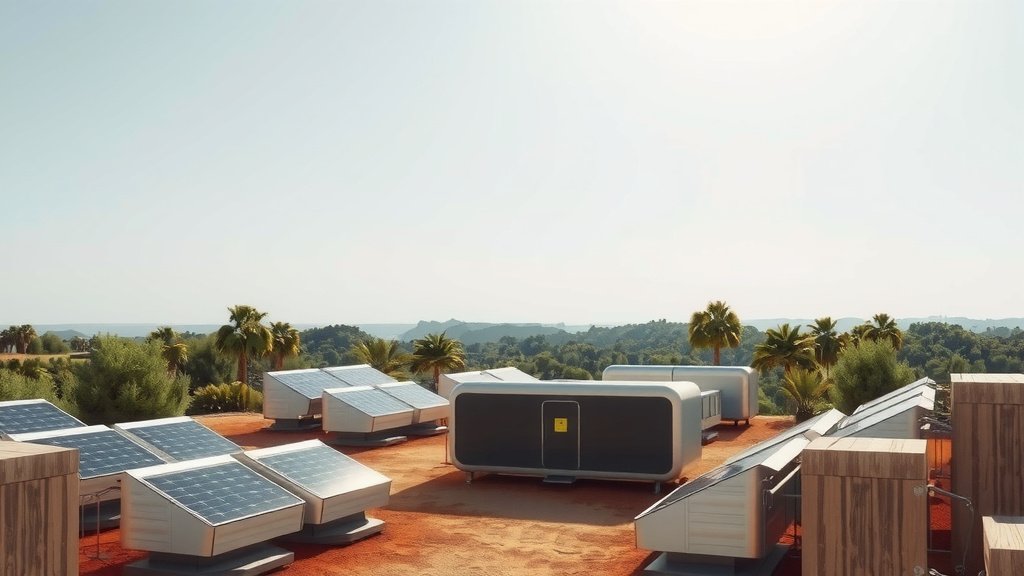
A portable power station provides backup electricity for your devices anywhere, anytime, without needing wall outlets or fuel-powered generators.
You get clean, quiet, rechargeable power that works indoors and outdoors, making it perfect for emergencies, camping, work sites, and daily power needs.
What Is A Portable Power Station?
Think of it as a big battery pack with multiple outlets. You charge it at home, then take it wherever you need power.
These units store electricity in lithium batteries. They have AC outlets, USB ports, and DC outputs. You can run laptops, phones, lights, small appliances, and medical devices.
Unlike gas generators, they make no noise and produce zero emissions. You can safely use them inside your home, RV, or tent.
Top Reasons People Choose Portable Power Stations
Emergency Backup Power
Power outages happen more often than you might think. Weather, grid failures, and equipment problems can leave you in the dark for hours or days.
With a portable power station, you keep your phone charged to call for help. You run essential medical equipment. You power lights, radios, and small refrigerators.
Research from the Department of Energy shows that power outages affect millions of Americans each year. Having backup power gives you peace of mind.
Medical Device Support
If you use CPAP machines, oxygen concentrators, or medication refrigeration, losing power becomes dangerous. Portable power stations can run these devices for hours or days.
Many units provide pure sine wave power, which sensitive medical equipment needs to work properly.
Outdoor Adventures Made Better
Camping doesn’t mean giving up all modern conveniences. You can charge cameras, run LED lights, power coolers, and keep phones ready for emergencies.
RV travelers use these units to extend their off-grid time. Instead of running noisy generators that disturb neighbors, you get quiet power whenever you need it.
Perfect for Remote Work
Working from outdoor locations becomes easy. You power laptops, mobile hotspots, monitors, and other work gear for full productive days.
Beach houses, cabins, and remote work sites often have unreliable power. Your portable station keeps you connected.
Home and Workshop Use
You can move power anywhere around your property. Working in sheds, garages, gardens, or basements becomes easier when you bring electricity with you.
Home projects, seasonal decorating, and outdoor events all benefit from portable power access.
How Portable Power Stations Work
Battery Technology
Most quality units use lithium iron phosphate batteries. These last longer and stay safer than basic lithium batteries.
The batteries store DC power. Internal inverters change this to AC power for your regular household items.
Charging Methods
You have several ways to recharge your power station:
- Wall outlets (fastest method)
- Car outlets while driving
- Solar panels for off-grid recharging
- Some models accept wind or other renewable inputs
Solar Charging Benefits
Adding solar panels creates a complete renewable power system. You can stay off-grid indefinitely as long as you get some sunlight.
Solar recharging works great for RV life, remote cabins, and extended camping trips.
Portable Power Stations vs Other Power Sources
| Power Source | Noise Level | Indoor Safe | Maintenance | Fuel Cost |
|---|---|---|---|---|
| Portable Power Station | Silent | Yes | Very Low | Electricity Only |
| Gas Generator | Very Loud | No | High | Ongoing Gas |
| Inverter Generator | Moderate | No | Moderate | Ongoing Gas |
Why Choose Battery Over Gas?
Gas generators need ventilation because they produce carbon monoxide. You cannot run them in enclosed spaces safely.
They also need regular maintenance, oil changes, and fuel storage. Gas can go bad over time, leaving you with a generator that won’t start when you need it most.
Noise Considerations
Gas generators typically run at 60-80 decibels. That’s as loud as city traffic or a garbage disposal.
Portable power stations make zero operational noise. You can run them next to sleeping areas without waking anyone.
What Can You Power?
Small Electronics
Phones, tablets, laptops, and cameras charge easily. Most power stations can recharge phones 10-50 times depending on capacity.
LED lights, radios, and small fans run for many hours on stored power.
Kitchen Appliances
Small refrigerators, coffee makers, blenders, and microwaves can work with larger power stations. Check the wattage requirements first.
A typical mini-fridge uses 100-150 watts and can run 8-20 hours depending on your power station size.
Power Requirements Guide
- Smartphone: 10-15 watts
- Laptop: 50-100 watts
- LED TV: 80-200 watts
- Coffee maker: 800-1200 watts
- Microwave: 700-1500 watts
Medical and Safety Equipment
CPAP machines typically use 40-60 watts. A 500Wh power station can run one for 8-10 hours.
Emergency radios, flashlights, and communication devices stay powered during extended outages.
Choosing The Right Size
Capacity Basics
Power stations are rated in watt-hours (Wh). This tells you how much energy they store.
A 300Wh unit might power your phone for a week or run a small laptop for 5-6 hours.
Small Units (200-500Wh)
Perfect for phone charging, small lights, and basic electronics. Great for day trips, short camping, or emergency phone power.
Medium Units (500-1000Wh)
Can run laptops, small appliances, multiple devices. Good for weekend camping, work sites, or home backup for essential items.
Large Units (1000Wh+)
Power refrigerators, power tools, multiple devices simultaneously. Best for extended off-grid living, whole-home backup, or serious power needs.
Cost and Value Analysis
Upfront Investment
Quality portable power stations range from $200-$3000+ depending on capacity and features.
While the initial cost seems high, remember you avoid ongoing fuel costs and maintenance that gas generators require.
Long-term Savings
Lithium batteries can last 2000-3000+ charge cycles. That’s years of use with proper care.
You never buy gas, oil, or replacement parts like traditional generators need. Electricity costs much less than gasoline for the same amount of power.
Break-even Timeline
Most people find their power station pays for itself within 2-3 years compared to generator operating costs and fuel purchases.
The convenience and safety benefits often justify the cost even faster.
Safety Advantages
No Toxic Emissions
Gas generators produce carbon monoxide, which kills people every year. The CDC reports hundreds of generator-related poisoning cases annually.
Portable power stations produce zero emissions. You can safely use them in any enclosed space.
Fire Risk Reduction
No hot engines, no flammable fuel storage, no exhaust systems. Battery power stations have much lower fire risks than fuel-powered alternatives.
Built-in Safety Features
Quality units include overcurrent protection, temperature monitoring, and automatic shutoffs. These prevent damage from power surges or overheating.
Maintenance and Care
Simple Upkeep
Keep your power station charged between 20-80% for longest battery life. Store it in moderate temperatures when possible.
Clean the exterior occasionally and check connections. That’s about all the maintenance required.
No Seasonal Prep
Gas generators need winterization, fuel stabilizers, and spring startup procedures. Battery power stations stay ready year-round.
Just charge them every few months if stored long-term.
Environmental Impact
Clean Energy Use
When charged from renewable sources like solar panels, portable power stations create a completely clean power cycle.
Even when charged from the grid, they’re more efficient than small gas generators for the same power output.
Reduced Noise Pollution
Silent operation helps preserve the peaceful environment in camping areas and neighborhoods during outages.
Wildlife and other people appreciate the quiet power option.
Conclusion
Portable power stations give you clean, quiet, reliable electricity wherever you need it. They excel in emergencies, outdoor adventures, remote work, and daily power tasks around your property.
While the upfront cost is higher than gas generators, you save money long-term through lower maintenance and no fuel costs. The safety benefits alone make them worth considering for indoor backup power.
Whether you need basic phone charging or whole-home emergency backup, there’s a portable power station sized right for your needs and budget.
Can portable power stations run air conditioners?
Small window AC units and portable ACs can run on large power stations (2000Wh+), but only for limited time due to high power draw. Central air systems need whole-home battery backup systems instead.
How long do portable power stations last before replacement?
Quality lithium units typically last 8-10 years with regular use. The batteries maintain 80% capacity after 2000-3000 charge cycles, then gradually decline but remain usable for several more years.
Can you use portable power stations while they’re charging?
Yes, most units support pass-through charging, letting you power devices while the station recharges. This feature varies by model, so check specifications before buying if this matters to you.
Are portable power stations waterproof?
Most are water-resistant but not fully waterproof. They handle light rain and splashing but shouldn’t be submerged or left in heavy downpours. Always check the IP rating for specific weather resistance levels.
Do portable power stations work in freezing temperatures?
Lithium batteries lose capacity in cold weather and may not charge below 32°F. Performance drops significantly below 0°F. Store units indoors during winter or use models specifically designed for cold weather operation.
