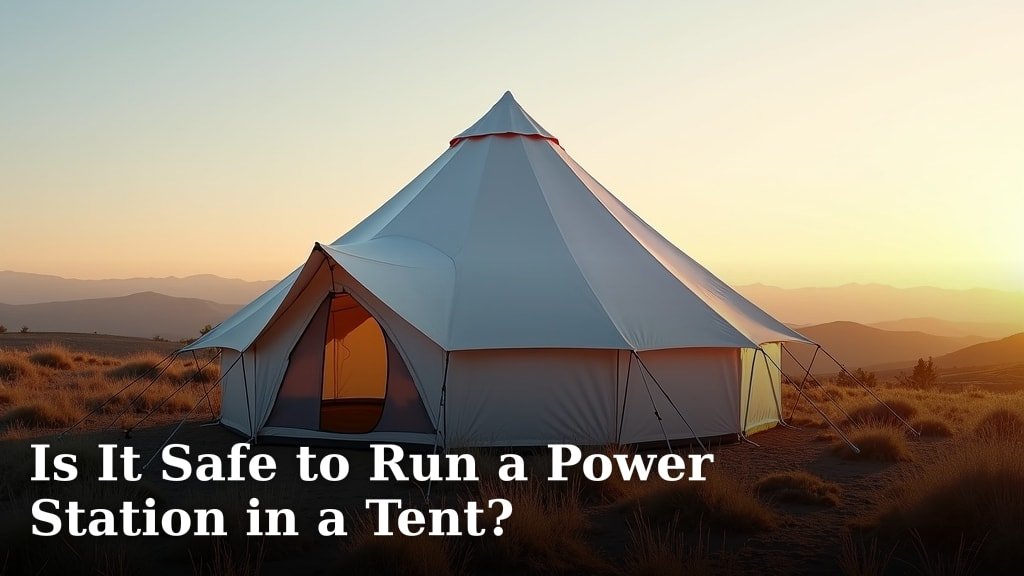
No, it is not safe to run a power station in a tent, especially one that burns fuel or emits carbon monoxide. These devices produce dangerous fumes that can quickly build up in an enclosed space, leading to carbon monoxide poisoning. Your safety is just too important to take this risk.
While portable power stations are amazing for camping, most are designed for outdoor use only. Even electric battery power stations, which don’t have exhaust fumes, can pose other risks like overheating if not properly ventilated. You want to stay safe and comfortable during your adventure, right?
- Never use fuel-burning power stations inside a tent.
- Carbon monoxide is a silent killer – you can’t see or smell it.
- Even electric battery stations need good airflow to prevent overheating.
- Always follow the manufacturer’s safety guidelines.
- Prioritize ventilation and open-air use for any power device.
Let’s walk through exactly why this is so dangerous and what safe alternatives you have for powering your gear in the great outdoors.
Why Running a Power Station Inside Your Tent Is a Big No-No
Running a power station inside your tent is generally unsafe. It creates serious health and safety risks, mainly from dangerous fumes and the risk of fire or overheating. Your tent is an enclosed space, not designed for such devices.
The Silent Killer: Carbon Monoxide
You might not realize it, but some power stations produce a very dangerous gas. This gas is called carbon monoxide (CO). It’s a real threat in any enclosed area, especially a tent.
What Is Carbon Monoxide and Why Is It Dangerous?
Carbon monoxide is a gas you can’t see, smell, or taste. This makes it incredibly dangerous. You won’t know it’s there until it’s too late. When you breathe it in, it replaces the oxygen in your blood. This starves your organs of oxygen. It can cause sickness, unconsciousness, or even death very quickly.
Fuel-burning power stations, like those that use gasoline or propane, are the main culprits. They release CO as they operate. Even small amounts can build up to toxic levels in a tent in minutes. The Centers for Disease Control and Prevention (CDC) warns about the dangers of CO poisoning from fuel-burning appliances.
Symptoms of CO Poisoning
Recognizing the symptoms of CO poisoning is vital. Early signs can feel like the flu. You might experience headaches, dizziness, nausea, or fatigue. As exposure continues, symptoms worsen. This can include confusion, vomiting, muscle weakness, and loss of consciousness. Many people mistake these symptoms for something else, delaying critical help.
Fire and Overheating Risks
Even if your power station doesn’t burn fuel, there are other dangers. Electric battery power stations still generate heat. They need good airflow to stay cool. Inside a small tent, ventilation is often poor. This can lead to serious problems.
The Problem with Poor Ventilation
Tents are designed to keep the elements out. They are not built for continuous air circulation needed by electronics. When a power station operates in a poorly ventilated space, it can quickly overheat. This is true even for electric models. Overheating can damage the power station. More importantly, it can pose a fire hazard. Tent materials are often flammable. A hot device next to nylon or polyester can be very risky.
We found that many manufacturers explicitly state their power stations are for outdoor use only. This is a key safety instruction. Ignoring it puts you and your camping companions at risk. Imagine waking up to smoke or a fire inside your tent. Not a pleasant thought, is it?
Battery Safety Concerns
Most modern portable power stations use lithium-ion batteries. While generally safe, these batteries can be dangerous if misused. Overcharging, damage, or overheating can lead to a thermal runaway. This is a fancy way of saying the battery gets hotter and hotter, which can cause a fire or even an explosion. The confined space of a tent amplifies this risk. You need to provide these devices with plenty of open air.
What Types of Power Stations Are We Talking About?
When we discuss power stations, we’re talking about various devices. It’s important to understand the differences. This helps you make safe choices for your camping trips.
Fuel-Burning Generators
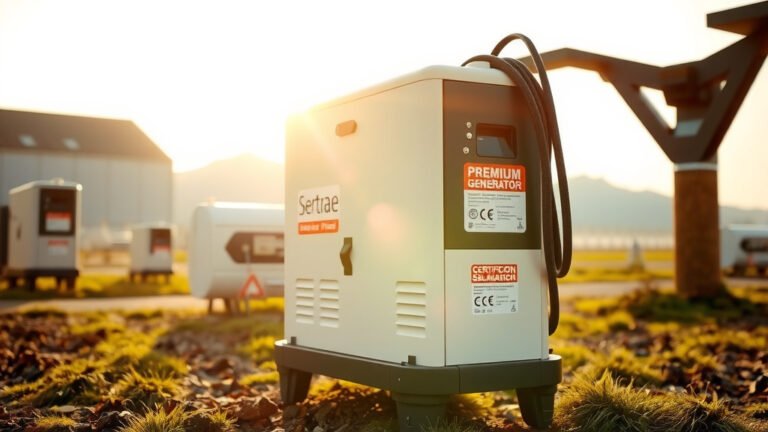
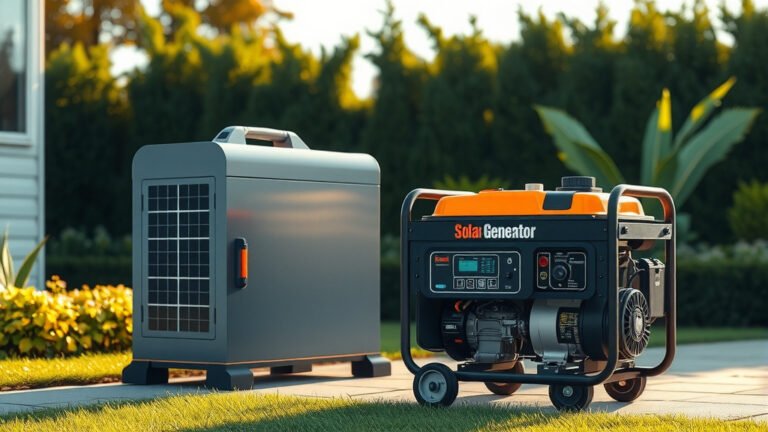
These are the traditional generators. They run on gasoline, propane, or diesel. They are never safe inside a tent. They produce high levels of carbon monoxide. They also pose a significant fire risk due to flammable fuel. Many guidelines point to keeping these devices at least 20 feet away from any dwelling, including tents (Consumer Product Safety Commission).
Portable Power Stations (Battery-Powered)
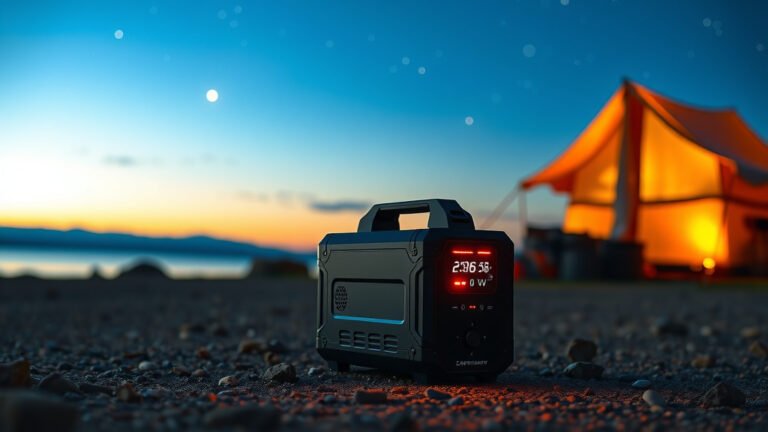
These are often called “solar generators” when paired with solar panels. They store electricity in a battery. They do not burn fuel or emit carbon monoxide. So, are they safe? Not necessarily inside a tent. While they avoid CO risk, they still generate heat. We found that most battery power stations have cooling fans and vents. These need clear space to work properly. Blocking them in a tent can lead to overheating. This brings us back to fire risks and battery safety.
Comparing Power Station Types and Tent Safety
Let’s look at a quick comparison to make it clear:
| Power Station Type | Emits Carbon Monoxide? | Generates Heat? | Safe in Tent? |
|---|---|---|---|
| Fuel-Burning Generator | Yes (High Levels) | Yes (High Levels) | Absolutely Not |
| Portable Battery Power Station | No | Yes (Moderate Levels) | Generally No (Due to Overheating Risk) |
As you can see, regardless of type, running a power station directly inside your tent is not recommended. Your safety is paramount.
Safer Alternatives for Powering Your Gear Outdoors
So, what are your options if you need power while camping? Don’t worry, you have several safe alternatives. You can still charge your phone or run your small appliances without putting yourself in danger.
The “Outside the Tent” Rule
The simplest and most effective rule is to keep all power stations outside your tent. For fuel-burning generators, place them far away. Ensure they are downwind from your tent. This keeps fumes away from your sleeping area. For battery power stations, place them under a vestibule or awning. Make sure they have plenty of open air. You can run extension cords into your tent safely.
Using Extension Cords Safely
If your power station is outside, you’ll need to bring power inside. Use heavy-duty outdoor-rated extension cords. Make sure they are long enough. Avoid running cords where they can be tripped over. Choose cords with appropriate gauges for your power needs. Don’t overload the cord. Always check for fraying or damage before use. A little planning goes a long way here.
Embracing Lower-Power Solutions
Sometimes, you might not need a full power station. Consider simpler, safer options for small devices.
- Portable Power Banks: These are small, handheld battery packs. They are perfect for charging phones, headlamps, and small electronics. They pose minimal heat risk. You can safely use them inside your tent.
- Solar Chargers: Small solar panels can directly charge your devices or a power bank. You place the panel outside in the sun. The power flows safely into your tent. No fumes, no significant heat.
- 12V Car Adapters: If you’re car camping, use your vehicle’s 12V outlets. They are designed for charging devices safely.
- Battery-Operated Devices: Whenever possible, choose devices that run on AA/AAA batteries. This reduces your need for external power sources.
Essential Safety Checklist for Powering Devices in Camp
Before you head out, review this quick checklist to ensure a safe and powered camping trip:
- Always operate fuel-burning generators far from your tent.
- Ensure battery power stations have ample ventilation, even outside.
- Use outdoor-rated extension cords only when necessary.
- Invest in a reliable carbon monoxide detector for your tent (battery-operated).
- Prioritize power banks and small solar chargers for inside-tent use.
- Read and follow all manufacturer guidelines for your power devices.
By following these guidelines, you can enjoy the convenience of power while keeping yourself and your loved ones safe. Happy camping!
Conclusion
Your safety while camping is non-negotiable. We’ve shown you that running any power station inside your tent carries serious risks, from the silent danger of carbon monoxide to fire hazards and battery overheating. Even electric models need proper ventilation to operate safely. Prioritize common sense and manufacturers’ guidelines for a worry-free experience.
Remember, the goal is a comfortable adventure, not a dangerous one. Always keep power stations outside your tent and utilize safe alternatives like power banks or solar chargers for internal needs. By making these smart choices, you ensure a safe and enjoyable camping trip every time.
Frequently Asked Questions
Can I use a portable power station with an extension cord into my tent?
Yes, this is the safest way to bring power into your tent. Keep the portable power station outside in a well-ventilated area. Then, run a heavy-duty, outdoor-rated extension cord from the unit into your tent. Always ensure the cord is in good condition and not a tripping hazard.
Is it ever safe to use a propane heater inside a tent?
No, it is generally unsafe to use any fuel-burning heater, including propane heaters, inside a tent. They produce carbon monoxide, a deadly gas that builds up quickly in enclosed spaces. Always opt for battery-operated heating solutions or warm sleeping gear instead.
What’s the best way to charge my phone inside my tent safely?
For charging small electronics like phones inside your tent, portable power banks are your best option. They are compact, emit very little heat, and pose no CO risk. Small, flexible solar chargers can also be used, with the panel outside and the charging cable running in.
How far away from my tent should I place a fuel-burning generator?
You should place fuel-burning generators at least 20 feet away from your tent or any living space. Position it downwind to ensure exhaust fumes blow away, not towards, your camping area. This distance helps prevent carbon monoxide from entering your tent.
Do all portable power stations have cooling fans that need ventilation?
Most modern portable power stations, especially those with higher power output, include internal cooling fans. These fans are crucial for preventing overheating of the battery and internal components. Even if you don’t hear them constantly, they require clear airflow around all vents to function properly and safely.