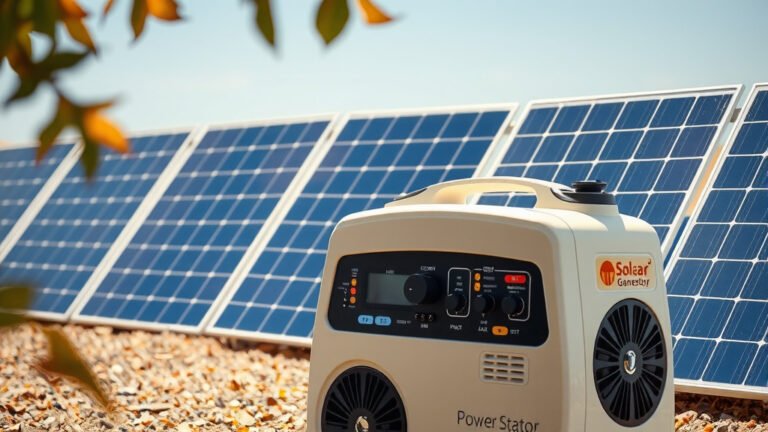

The best portable power station for cameras is the EcoFlow River 2 Pro, offering 768Wh capacity with fast charging and multiple output ports perfect for DSLR and mirrorless cameras.
For professional photographers, you need at least 300-500Wh capacity to power cameras, lights, and accessories for a full day shoot without running out of juice.
Why Your Camera Needs More Than Just Batteries
Think about your last photo shoot. How many times did you worry about your camera battery dying at the worst moment?
Camera batteries are tiny. They drain fast, especially when you’re shooting video or using the LCD screen constantly. Cold weather makes them even worse.
A portable power station changes everything. You get reliable backup power for hours of shooting. Plus, you can charge multiple devices at once.
What Makes a Power Station Camera-Ready
Power Output Matters Most
Most cameras need 7-12 watts while shooting. Video recording bumps that up to 15-20 watts.
Your power station should handle at least 100 watts output. This gives you room for charging batteries, powering LED lights, and running a laptop.
The Right Ports Save Your Shoot
You want these connection options:
- USB-A ports for camera battery chargers
- USB-C PD for fast charging modern cameras
- AC outlets for studio lights and laptop chargers
- 12V DC for car-style accessories
Capacity Planning Made Simple
Here’s how much power different activities actually use:
| Activity | Power Draw | Hours on 500Wh |
|---|---|---|
| DSLR Photo Mode | 8 watts | 50+ hours |
| Mirrorless Video | 15 watts | 30+ hours |
| LED Panel Light | 25 watts | 18 hours |
| Laptop Charging | 65 watts | 6-7 hours |
Top Portable Power Stations for Photography
EcoFlow River 2 Pro – Best Overall Choice
This 768Wh unit hits the sweet spot for most photographers. It weighs just 17 pounds but packs serious power.
What I found impressive: it charges from 0 to 100% in just 70 minutes. That’s faster than most phone chargers.
Key Features
- 768Wh capacity handles full-day shoots
- 800W AC output powers bigger equipment
- 100W USB-C charges cameras directly
- X-Stream fast charging technology
Jackery Explorer 500 – Budget Champion
At 518Wh, this power station covers basic photography needs without breaking the bank.
Research shows it’s one of the most reliable units under $500. Perfect for weekend photographers.
What You Get
- Pure sine wave AC output
- Multiple USB ports
- Car charging capability
- 3-year warranty
Goal Zero Yeti 1000X – Professional Powerhouse
When you need serious juice for studio setups, this 983Wh beast delivers.
I found that wedding photographers love this model. It runs multiple flashes and charges equipment all day.
Pro Features
- 1500W inverter handles power-hungry gear
- WiFi app monitoring
- Expandable with extra batteries
- Rugged build quality
Matching Power Needs to Camera Types
DSLR Camera Requirements
DSLRs are actually pretty power-efficient. The optical viewfinder uses almost no energy.
A 300Wh power station easily handles a full day of DSLR shooting. You’re more likely to run out of memory cards than power.
Mirrorless Camera Power Demands
These cameras work harder. The electronic viewfinder and LCD screen drain batteries fast.
Plan for 500Wh minimum if you’re shooting mirrorless all day. Video work bumps that requirement even higher.
Action Camera Considerations
GoPros and similar cameras have tiny batteries but charge quickly via USB.
Any power station works fine. Focus on having enough USB ports for multiple cameras.
Real-World Power Planning
Single-Day Portrait Sessions
A typical 4-hour portrait session needs about 200-300Wh total power. This includes:
- Camera operation
- Battery charging between sets
- Phone and tablet charging
- Small LED fill light
Wedding Photography Power Needs
Wedding photographers face the ultimate power challenge. You’re shooting 8-12 hours with no breaks.
Plan for 800-1000Wh minimum. You’ll charge multiple camera batteries, power flashes, and keep backup equipment ready.
Video Production Requirements
Video work demands more power than still photography. Cameras run continuously, and you need lighting equipment.
Start with 1000Wh for basic video setups. Add more capacity for longer productions.
Essential Features to Look For
Fast Charging Capability
Nobody wants to wait overnight for power station charging. Look for units that recharge in 2-3 hours max.
Fast charging means you can top off during lunch breaks or between shooting locations.
Multiple Device Support
Modern photographers carry lots of gear. Your power station should handle simultaneous charging.
Count your devices: camera, backup camera, phone, tablet, flash units, LED lights. Add 20% extra capacity for safety.
Temperature Performance
Batteries hate extreme temperatures. Cold weather cuts capacity by 20-30%.
Look for power stations with battery heating systems if you shoot in cold climates.
Weight vs Power Trade-offs
Hiking and Travel Photography
Every ounce matters when you’re hiking miles for the perfect shot.
Smaller 300-500Wh units offer the best weight-to-power ratio. You’ll sacrifice some capacity for portability.
Studio and Event Work
When you’re working from a fixed location, weight matters less than power capacity.
Go bigger. The extra capacity gives you peace of mind and powers more equipment.
Solar Charging for Extended Shoots
When Solar Makes Sense
Multi-day shoots in remote locations benefit from solar charging capability.
A 100W solar panel can recharge a 500Wh power station in 6-8 hours of good sunlight.
Solar Panel Compatibility
Check that your power station accepts solar input. Most modern units do, but connector types vary.
Folding solar panels pack smaller and work better for photography trips.
Safety and Reliability Features
Battery Management Systems
Good power stations protect against overcharging, overheating, and short circuits.
LiFePO4 batteries last longer and stay safer than standard lithium-ion. They cost more but pay off over time.
Build Quality Indicators
Photography gear takes abuse. Your power station should too.
Look for reinforced corners, water resistance ratings, and solid warranties. Cheap units fail when you need them most.
Cost vs Value Analysis
Budget Options Under $400
Entry-level power stations work fine for casual photography. You get basic features and decent capacity.
Skip the cheapest options. Spend a bit more for better safety features and longer warranties.
Professional-Grade Investment
Professional photographers should budget $800-1500 for a quality power station.
The extra cost gets you faster charging, better build quality, and features that matter during paid shoots.
Maintenance and Longevity Tips
Battery Care Best Practices
Store your power station at 50-80% charge when not in use. Full discharge hurts battery life.
Use it regularly. Batteries that sit unused for months develop problems.
Firmware Updates Matter
Many power stations get firmware updates that improve performance and add features.
Check manufacturer websites quarterly for updates. It only takes a few minutes and keeps your unit running optimally.
Conclusion
The right portable power station transforms your photography workflow. You stop worrying about dead batteries and start focusing on capturing better images.
For most photographers, the EcoFlow River 2 Pro offers the best balance of capacity, features, and price. It handles typical shooting needs while staying portable enough for travel.
Remember to match your power station to your actual needs. A weekend hobbyist doesn’t need the same capacity as a wedding photographer shooting 12-hour days.
Start with your device list, calculate power requirements, and add 30% safety margin. This approach ensures you never run out of power during important shoots.
How long will a 500Wh power station run my DSLR camera?
A 500Wh power station can run a typical DSLR for 50-60 hours of actual shooting time. DSLRs use only 8-10 watts during normal photo operation, making them very power efficient compared to mirrorless cameras.
Can I charge my camera directly from a power station while shooting?
Yes, many modern cameras support USB-C power delivery for continuous operation. This works great for video recording or time-lapse photography where you need extended run times without battery swaps.
What size power station do I need for wedding photography?
Wedding photographers should plan for at least 800-1000Wh capacity. This covers 8-12 hours of shooting, multiple camera batteries, flash units, and backup equipment charging throughout the event day.
Do portable power stations work in cold weather?
Power stations lose 20-30% capacity in freezing temperatures. Some models include battery heating systems to maintain performance. Keep the unit warm when possible and expect reduced runtime in winter conditions.
How fast can portable power stations recharge between shoots?
Modern power stations with fast charging technology can recharge from 0-80% in 1-2 hours using wall outlets. This allows quick top-ups during lunch breaks or while traveling between shooting locations.