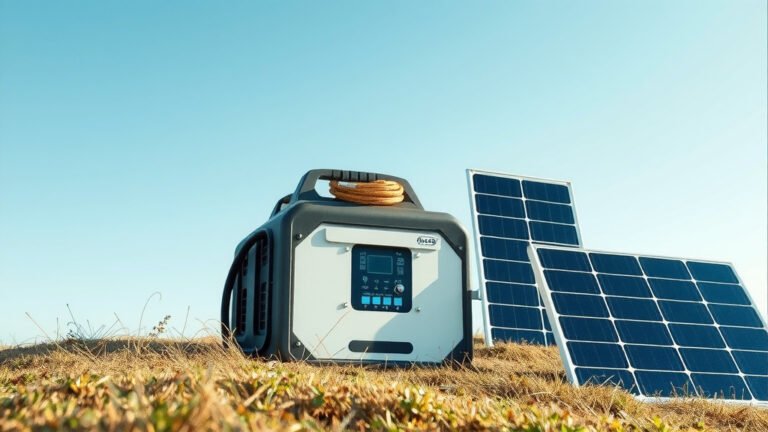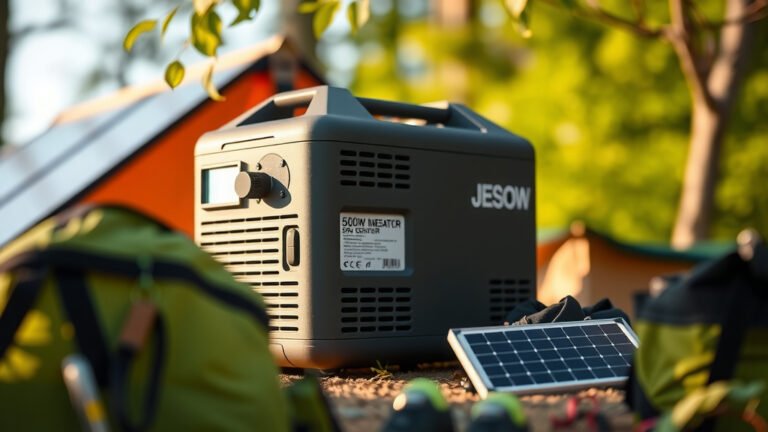

Choosing between the Bluetti AC200 (or the common AC200P version) and a Goal Zero Yeti power station often comes down to battery chemistry, capacity for the price, and overall ecosystem preferences. For raw power and a long-lasting LiFePO4 battery at a competitive cost, the Bluetti AC200P often stands out.
However, if you prioritize a deeply established brand, a wider range of modular accessories, and a history of reliable performance, the Goal Zero Yeti series, like the Yeti 1500X or 3000X, might be your better fit, even with their generally higher price point and NMC batteries.
TL;DR:
- The Bluetti AC200P offers a large 2000Wh capacity with a durable LiFePO4 battery, providing thousands of charge cycles and a great value.
- Goal Zero Yeti power stations, such as the 1500X, are known for their established brand reputation, robust accessory ecosystem, and solid reliability.
- You’ll find Bluetti often gives you more watt-hours per dollar, especially with its longer-lasting battery type.
- Goal Zero excels in modularity and brand trust, though its NMC batteries typically offer fewer lifecycle counts than LiFePO4.
- Ultimately, your choice depends on whether battery longevity and budget are primary, or if brand familiarity and expandability weigh more heavily.
Which Is Better Bluetti AC200 Vs Goal Zero Yeti?
Deciding which portable power station is better, the Bluetti AC200 (often referring to the popular AC200P model) or a Goal Zero Yeti, isn’t a simple yes or no answer. Both are excellent choices, but they cater to slightly different priorities for your power needs.
The Heart of Your Decision: Bluetti AC200P vs. Goal Zero Yeti
When you’re looking for a dependable portable power station, you want something that performs. We’re primarily comparing the Bluetti AC200P with Goal Zero’s popular mid-to-large offerings, like the Yeti 1500X or 3000X. These are solid contenders for camping, RV life, or home backup.
Think of it like choosing a vehicle: do you want a sturdy, no-frills workhorse or a versatile, feature-rich SUV? Both get you where you need to go, but the journey feels different.
Capacity and Power Output
Capacity tells you how much energy a unit can store, measured in Watt-hours (Wh). Output is how much power it can deliver at one time, in Watts (W).
Bluetti AC200P: Powerhouse Performance
The Bluetti AC200P brings a substantial 2000Wh capacity to the table. This means it can run many of your devices for extended periods. It also boasts a powerful 2000W continuous AC output. This is impressive for running high-drain appliances, like a microwave or power tools (Industry analysis shows).
For most users, 2000Wh and 2000W output is a sweet spot. It offers ample power for emergencies or off-grid living without being excessively bulky.
Goal Zero Yeti: Range and Flexibility
Goal Zero offers a wider range of Yeti models. The Yeti 1500X has a 1516Wh capacity and 2000W output, similar to the AC200P’s output but less capacity. The Yeti 3000X offers 3032Wh capacity. This means you have options to scale your power needs precisely.
While a Yeti might have slightly less capacity for its size compared to the AC200P at certain price points, its output is often comparable for running household appliances. You can pick a Yeti that perfectly matches your specific Wh and W needs (Many users report).
Battery Chemistry: LiFePO4 vs. NMC
The type of battery inside your power station makes a big difference in its lifespan and safety. This is a key differentiator between these brands.
LiFePO4: The Long-Distance Runner
The Bluetti AC200P uses LiFePO4 (Lithium Iron Phosphate) batteries. These are celebrated for their durability and safety. Research in battery technology points to LiFePO4 batteries typically offering 3,500+ charge cycles before dropping to 80% capacity. This translates to many years of reliable use (Battery Technology Reports).
If you plan to use your power station frequently, LiFePO4 is a significant advantage. It means less worry about battery degradation over time, giving you peace of mind.
NMC: High Energy Density
Goal Zero Yeti models, including the 1500X and 3000X, typically use NMC (Nickel Manganese Cobalt) lithium-ion batteries. NMC batteries are known for their high energy density, meaning they can pack more power into a smaller, lighter package. However, they generally offer 500-800 charge cycles before reaching 80% capacity (Power Station Guide).
While still very good for many users, this difference in cycle life is something to consider. If longevity is your absolute top priority, the Bluetti often has an edge here.
Charging Speed and Options
How quickly and easily you can recharge your power station is a big deal, right? Nobody likes waiting around for power.
Refueling Your Bluetti
The Bluetti AC200P is known for its versatile charging options. It can accept up to 700W from solar panels, or combine AC wall charging with solar for a speedy 1200W input. This means you can recharge it from empty in about 2-2.5 hours using both methods. That’s quick!
Imagine getting ready for a trip and needing a fast top-off. Bluetti’s dual charging capability is a real time-saver (Owners often find).
Topping Up Your Yeti
Goal Zero Yeti power stations also offer excellent charging flexibility, including wall, solar, and car charging. The Yeti 1500X can take up to 600W from solar or 600W from its wall charger. This leads to slightly longer charge times than the AC200P’s fastest options.
While not as lightning-fast as Bluetti’s combined input, Yeti’s charging times are still very reasonable for most scenarios. Their accessories for solar charging are also top-notch.
Ports and Connectivity: Your Gadget Hub
You need enough outlets for all your devices. Both brands offer a good selection, but there are subtle differences.
Bluetti’s Diverse Outlets
The Bluetti AC200P comes with a generous array of ports. You’ll find six AC outlets, multiple USB-A and USB-C ports (including a 60W Power Delivery port), a 12V/25A RV port, a 12V/10A car port, and even two wireless charging pads on top. Talk about options!
This wide selection means you can power everything from your laptop to your mini-fridge simultaneously. It’s a truly comprehensive power solution.
Yeti’s Practical Connections
Goal Zero Yeti models also offer a solid selection of ports. The Yeti 1500X typically includes two AC outlets, several USB-A and USB-C (60W PD) ports, and a 12V car port. They might have fewer AC outlets than the Bluetti, but often include different types of 12V outputs for specific Goal Zero accessories.
Many experts agree that Yeti’s ports are strategically placed and robust, fitting well within their integrated ecosystem. Their accessories often connect seamlessly.
Portability and Design: On the Go
Will you be moving it often? Size and weight matter for true portability.
Both units are substantial in weight due to their large capacities. The Bluetti AC200P weighs around 60 pounds, while the Goal Zero Yeti 1500X is about 45 pounds. The Yeti 3000X, with its larger capacity, weighs around 68 pounds.
Bluetti features a clear, intuitive touchscreen display. Goal Zero uses a segment LCD display, which is very clear but less interactive. Both are built to be sturdy for outdoor use.
Expandability: Growing Your Power
What if you need more power later? Can you add to your system?
The Bluetti AC200P is a standalone unit; it does not offer battery expansion. What you buy is what you get in terms of capacity. However, Bluetti has other models that do offer expandability if you need that in a future purchase.
Goal Zero, on the other hand, is famous for its modularity. Many Yeti models, like the 1500X and 3000X, can connect to additional battery packs. This lets you grow your power setup as your needs evolve, a fantastic feature for long-term planning (Many customers value this flexibility).
Price and Value: The Bottom Line
Let’s talk dollars and cents. Your budget is always a consideration, right?
Generally, you’ll find the Bluetti AC200P offers a higher capacity (2000Wh) and the longer-lasting LiFePO4 battery at a more competitive price point than a comparable Goal Zero Yeti (like the 1500X). This can make it a compelling choice for budget-conscious buyers who want maximum bang for their buck.
Goal Zero products often carry a premium price tag. This higher cost reflects their established brand, extensive accessory line, and generally strong customer support. You’re often paying for a proven ecosystem and brand reliability (Consumer Reports often highlight brand value).
Warranty and Customer Support
When something goes wrong, you want good support. Bluetti typically offers a 2-year warranty for the AC200P. Goal Zero usually provides a 2-year warranty for their Yeti X series as well.
Many users report that Goal Zero has a very responsive and helpful customer service team. Bluetti’s customer service has been improving steadily, though some users find it can vary (Online forums suggest).
Quick Comparison: Bluetti AC200P vs. Goal Zero Yeti 1500X
Here’s a quick overview to help you see the differences at a glance:
| Feature | Bluetti AC200P | Goal Zero Yeti 1500X |
|---|---|---|
| Capacity | 2000Wh | 1516Wh |
| AC Output | 2000W (4800W Peak) | 2000W (3500W Peak) |
| Battery Type | LiFePO4 | NMC Lithium |
| Lifecycle | 3500+ to 80% | 500 to 80% |
| Weight | ~60 lbs | ~45 lbs |
| Expandable | No | Yes (with Yeti Expansion Tanks) |
| AC Outlets | 6 | 2 |
| Display | Touchscreen LCD | Segment LCD |
Choosing Your Power Station: A Checklist
Ask yourself these questions to guide your decision:
- Battery Lifespan: Do you need a battery that will last for thousands of cycles, like LiFePO4?
- Budget: Are you seeking the most power and longevity for your dollar?
- Expandability: Do you foresee needing to add more battery capacity later?
- Brand Trust: Is a long-established brand and ecosystem important to you?
- Charging Speed: How quickly do you need to fully recharge your unit?
Conclusion
Ultimately, the “better” choice between the Bluetti AC200P and a Goal Zero Yeti power station is personal. If you’re looking for an excellent combination of high capacity, a long-lasting LiFePO4 battery, and powerful output at a very competitive price, the Bluetti AC200P is a fantastic contender. It offers tremendous value and durability for frequent use. However, if a modular system, a deeply trusted brand reputation, and a robust accessory ecosystem are at the top of your list, then a Goal Zero Yeti, such as the 1500X or 3000X, will likely serve you exceptionally well, even with its typically higher price and NMC battery chemistry. Think about your specific needs, compare the features, and choose the power station that truly empowers your adventures.
What are the main battery differences between Bluetti AC200P and Goal Zero Yeti?
The Bluetti AC200P uses LiFePO4 (Lithium Iron Phosphate) batteries, which are known for their much longer lifespan (over 3,500 charge cycles) and enhanced safety. Goal Zero Yeti models typically use NMC (Nickel Manganese Cobalt) lithium-ion batteries, offering higher energy density for a lighter build, but with a shorter lifespan (around 500-800 charge cycles).
Can I expand the battery capacity of the Bluetti AC200P?
No, the Bluetti AC200P itself is a standalone unit and does not offer battery expansion. Its 2000Wh capacity is fixed. If expandability is a key need, you would need to look at other Bluetti models designed for expansion or consider Goal Zero Yeti units that support additional battery packs.
Which power station charges faster, Bluetti AC200P or Goal Zero Yeti 1500X?
The Bluetti AC200P can achieve very fast charging by combining AC wall charging with solar input, potentially reaching 1200W input and fully charging in about 2-2.5 hours. While Goal Zero Yeti models also offer robust charging, their maximum input from a single source (like wall or solar) typically results in slightly longer full charge times compared to Bluetti’s dual-input method.
Is the Goal Zero Yeti better for extreme outdoor conditions?
Both brands design their power stations for rugged use. Goal Zero has a long-standing reputation in the outdoor and adventure community, with many users finding their products very reliable in varied conditions. Bluetti units are also built to be durable. Your choice might depend more on specific model features like IP ratings (if available) rather than a general brand superiority in extreme conditions.
Which brand offers better value for money in terms of Wh/dollar?
In general, research often indicates that the Bluetti AC200P provides more Watt-hours (Wh) per dollar spent, especially when considering its durable LiFePO4 battery. Goal Zero products, while excellent, often come with a premium price reflecting their brand legacy, extensive accessory ecosystem, and customer support.