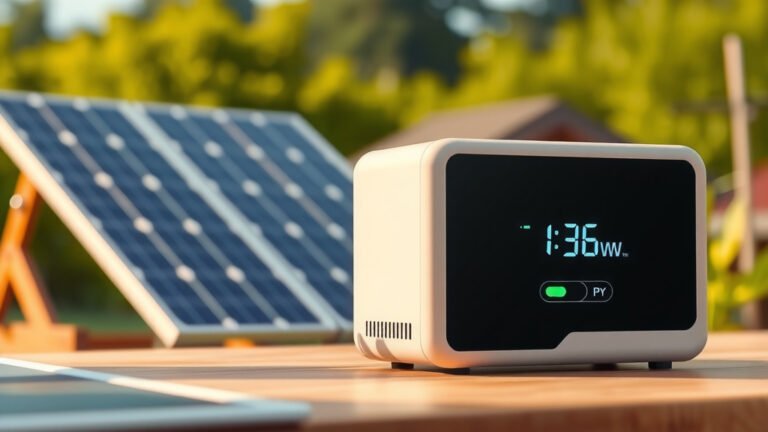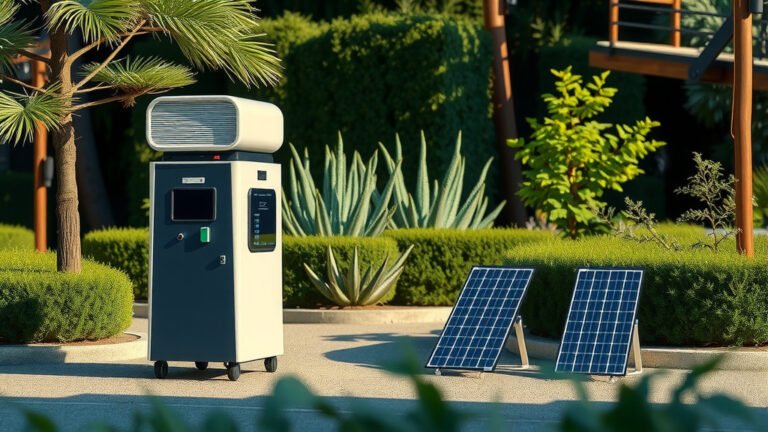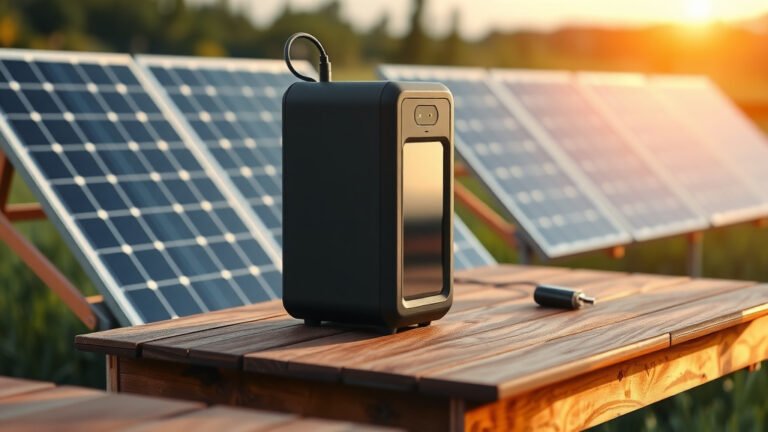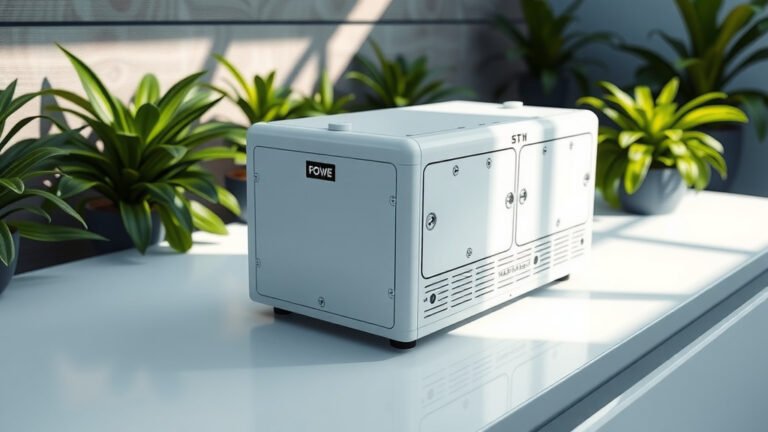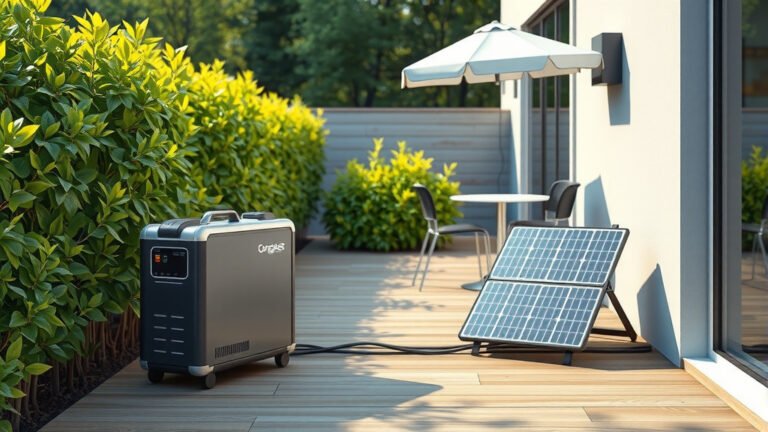
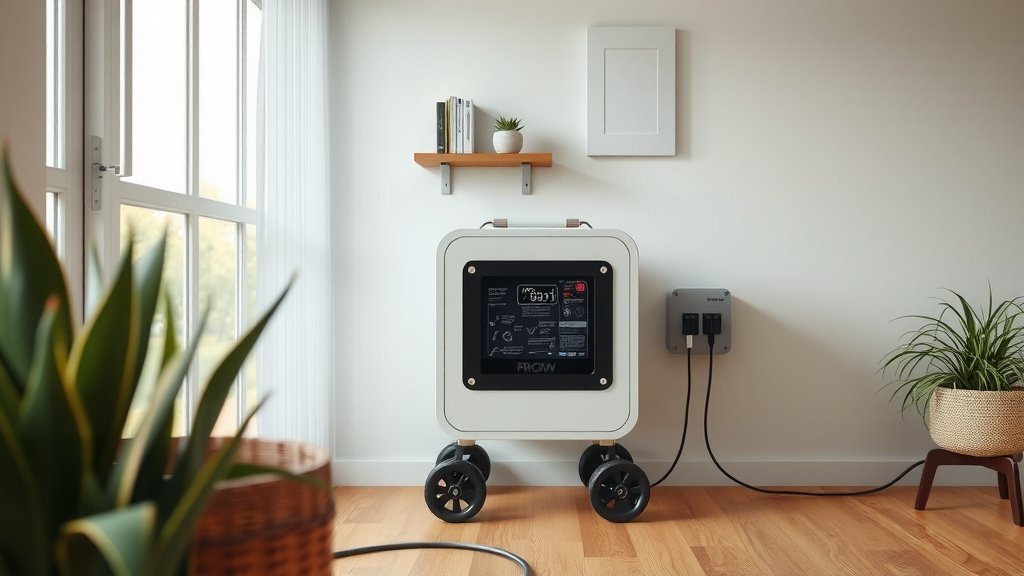
You connect a portable power station to your home panel primarily through a manual transfer switch and an external inlet box, ensuring safety and compliance.
This method allows you to power specific household circuits directly from your portable power station during an outage, keeping your home functional.
TL;DR:
- Connecting a portable power station to your home requires a manual transfer switch and an inlet box.
- Always hire a licensed electrician for installation to guarantee safety and compliance with codes.
- Never plug a portable power station directly into a wall outlet; this creates a dangerous “backfeed.”
- The transfer switch isolates your home circuits from the main power grid during an outage.
- You can power essential appliances like refrigerators, lights, and some electronics during an emergency.
How To Connect Portable Power Station To Home Panel?
Connecting your portable power station to your home panel involves installing a transfer switch and an inlet box. This setup lets you safely power selected circuits in your house when the main grid is down.
Why Connect Your Portable Power Station to Your Home?
Imagine the lights going out. A portable power station connected to your home panel means you can keep essential appliances running. It’s about maintaining comfort and safety when outages hit.
This method offers more convenience than running extension cords everywhere. You can power your refrigerator, some lights, and perhaps your internet modem directly through your home wiring.
Safety First: Always Professional Installation
Working with your home’s electrical system is a serious task. We found that improper connections can be very dangerous, causing damage or even electrocution (National Electrical Code).
Many experts emphasize that a licensed electrician should handle the installation. They ensure your setup meets all local electrical codes and safety standards.
Understanding “Backfeeding” and Why It’s Dangerous
Backfeeding means sending electricity from your power station back into the main utility grid. This poses an extreme risk to utility workers trying to restore power, as the lines could be unexpectedly live.
A properly installed transfer switch prevents backfeeding, making it the safest and only recommended method for connecting a portable power station to your home.
Key Equipment You’ll Need for Connection
You’ll need a few specific items to create a safe link between your portable power station and your home panel. Think of these as your building blocks for emergency power.
The Transfer Switch: Your Safety Gatekeeper
A transfer switch is a device that isolates your home’s electrical system from the utility grid. It’s like a gate that ensures power flows only one way at a time.
You can choose between a manual or an automatic transfer switch. For portable power stations, a manual transfer switch is the common choice.
The Power Inlet Box: Your External Plug-In Point
This weatherproof box is mounted on the outside of your house. It provides a dedicated, safe connection point for your portable power station’s cable.
The inlet box connects directly to your transfer switch inside the house. It’s where you’ll plug in your portable power station during an outage.
Appropriate Power Cables: The Lifeline
You’ll need a heavy-duty power cord to connect your portable power station to the inlet box. This cable must have the correct gauge and plug type for your setup.
Make sure the cable is rated for outdoor use and can handle the amperage your system will draw. Always check cable specifications to match your power station.
The General Connection Process: A Safe Overview
While an electrician does the actual wiring, it’s good to understand the steps involved. This helps you communicate better and feel confident about your system.
Planning and Circuit Selection
First, decide which home circuits you want to power during an outage. Think about what’s truly essential: a few lights, the refrigerator, maybe a furnace fan.
Your electrician will help you determine which circuits the transfer switch will control. They ensure your portable power station can handle the combined load.
Installation of the Inlet Box
The inlet box is typically installed on an exterior wall, close to where your portable power station will sit. It needs to be easily accessible yet protected from elements.
This box houses the receptacle where you connect your power station’s cord. Its sturdy design protects the electrical connections from weather.
Wiring the Transfer Switch
Inside your home, the transfer switch is wired into your existing electrical panel. It physically redirects power for the selected circuits.
When the main power is out, you’ll switch the transfer switch to “generator” mode. This safely connects those circuits to your portable power station.
Checklist for Connecting Your Portable Power Station
Once everything is installed by a professional, here’s a simplified checklist for you:
- Turn off the main breaker in your home’s electrical panel.
- Plug your power station’s cable into the external inlet box.
- Start your portable power station.
- Flip the specific circuit breakers on the transfer switch to the “generator” or “on” position.
- Monitor your power station’s load to avoid overloading.
Manual vs. Automatic Transfer Switches
Understanding the difference helps you make informed choices, even though a manual switch is most common for portable units.
| Feature | Manual Transfer Switch | Automatic Transfer Switch |
|---|---|---|
| Activation | Requires manual flipping of switches. | Detects power loss, switches automatically. |
| Cost | Generally less expensive to purchase and install. | Higher initial cost for the unit and installation. |
| Usage with Portable Station | Ideal for portable power stations. | Typically used with standby generators. |
| Ease of Use | Requires user action during an outage. | Hands-free operation, no action needed. |
| Complexity | Simpler mechanism and wiring. | More complex electronics and wiring. |
What Can You Power With a Portable Power Station?
Your portable power station can become the heart of your home during an outage, powering critical devices. You can often run a refrigerator, some LED lights, and charging for phones and laptops.
Many families also prioritize a small microwave, a fan, or a water pump. The key is to know your power station’s capacity and your appliance’s wattage requirements.
Limitations to Keep in Mind
Portable power stations typically have wattage limits. You usually cannot power large central air conditioners, electric ovens, or entire homes simultaneously.
Plan your essential circuits carefully to match your power station’s output. Overloading can damage your unit or trip its internal safety features.
Common Mistakes to Avoid
Don’t try to install a transfer switch yourself unless you are a qualified electrician. This is a common and risky mistake people make.
Another error is not regularly testing your setup. Many experts advise testing your system periodically to ensure it works when you truly need it.
Conclusion
Connecting your portable power station to your home panel is a practical way to prepare for power outages. It provides peace of mind, knowing you can keep your home’s essential functions running.
Always remember that safety is paramount. We found that hiring a licensed electrician for installation is the best investment you can make for a safe and reliable system.
Can I just plug my portable power station into a wall outlet?
No, you should never plug a portable power station directly into a wall outlet. This practice, known as “backfeeding,” is extremely dangerous and illegal because it can send electricity back into the utility grid, risking electrocution for utility workers.
How do I know what size portable power station I need for my home?
To determine the right size, you first list all the appliances you want to power simultaneously. Add up their running wattages, and then factor in any surge wattages for starting motors (like a refrigerator). Your power station’s continuous output wattage should exceed this total.
Is a transfer switch required by law?
Yes, safety guidelines from organizations like the National Electrical Code (NEC) require a transfer switch (or similar approved isolation device) when connecting a portable power source to a home’s electrical system. This prevents hazardous backfeeding.
Can I install a transfer switch myself to save money?
While some people with advanced electrical knowledge might attempt it, it is strongly recommended that a licensed and qualified electrician install any transfer switch. This ensures compliance with all safety codes and prevents potentially fatal electrical hazards.
What’s the difference between a portable power station and a generator when connecting to a home panel?
The connection method is generally the same for both: through a transfer switch and inlet box to prevent backfeeding. The main difference lies in fuel type (gas for generators, batteries for power stations) and output capacity, with generators often offering higher sustained power.