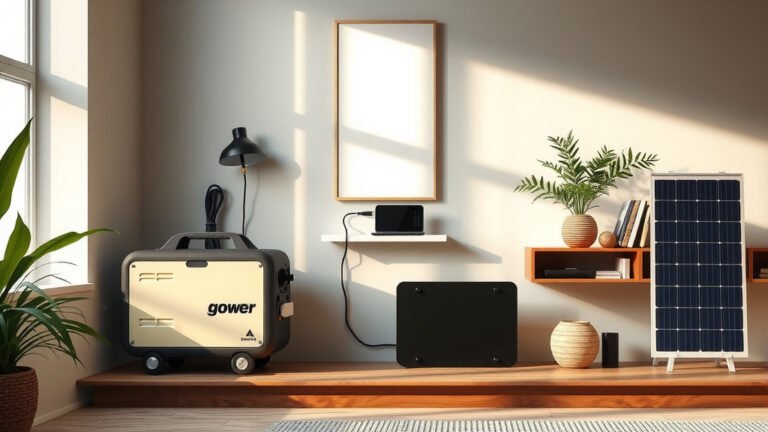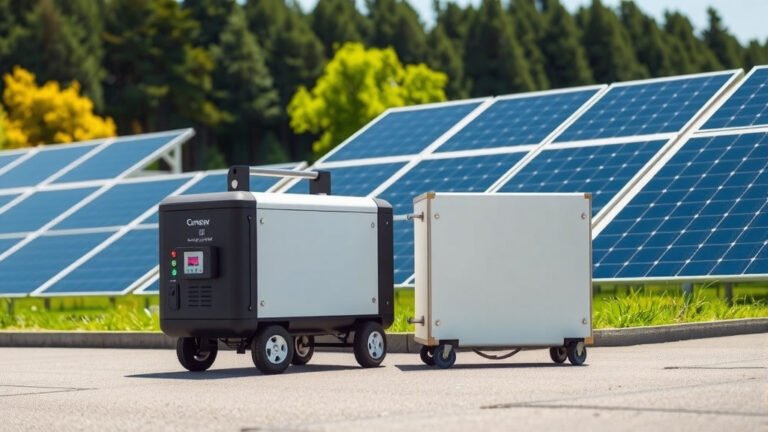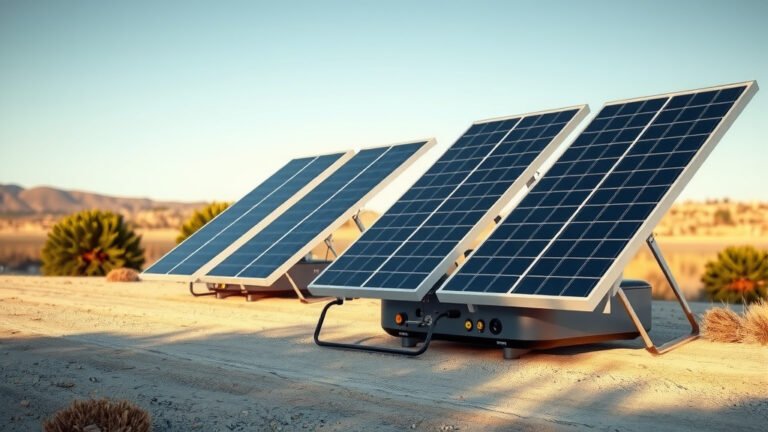
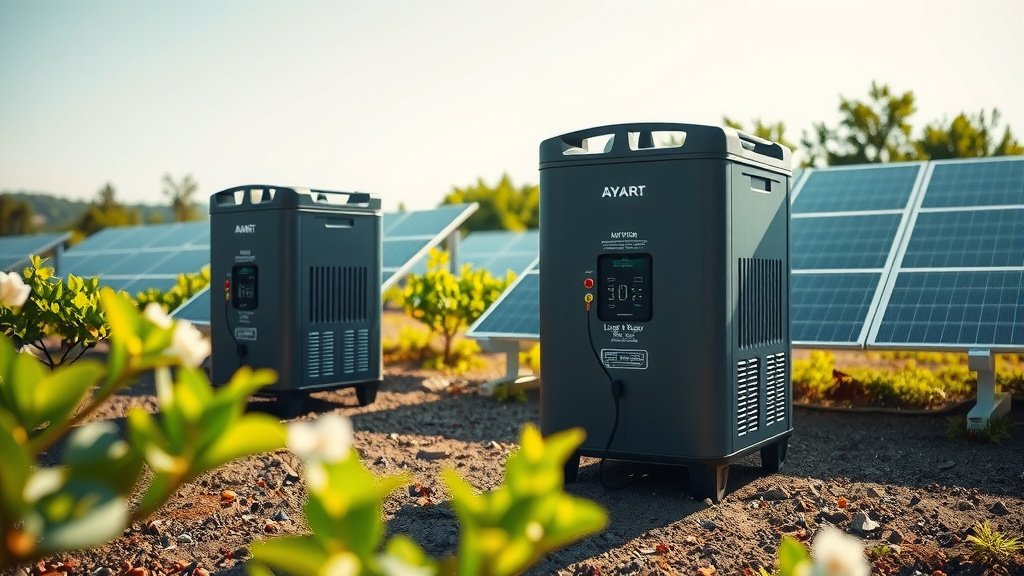
Yes, many portable power stations can be daisy chained by connecting multiple units together to increase your total power capacity and output.
The ability to daisy chain depends on your specific power station model, with some brands offering dedicated ports while others require special cables or adapters.
TL;DR – Quick Answer:
- Most major portable power station brands support daisy chaining with proper equipment
- You can double or triple your power capacity by linking units together
- Setup requires compatible models and sometimes special connection cables
- Benefits include longer runtime and higher wattage output for large appliances
- Always check your manufacturer’s guidelines before attempting to connect multiple units
Can Portable Power Station Be Daisy Chained?
Absolutely. Most modern portable power stations support daisy chaining when you follow the right steps. You connect two or more units together to create a larger power system.
Think of it like connecting garden hoses. When one hose isn’t long enough, you attach another. Same idea here, but with electricity storage.
What Does Daisy Chaining Actually Mean?
Daisy chaining links multiple power stations in a series or parallel connection. This setup combines their battery capacity and power output into one larger system.
When you daisy chain two 1000Wh units, you get 2000Wh total. It’s like having one massive battery instead of two separate ones.
Series vs Parallel Connection
Most consumer power stations use parallel connections. This means voltage stays the same while capacity doubles. You get longer runtime without changing your output voltage.
Series connections increase voltage but keep the same capacity. This is less common for portable units since most people want more runtime, not higher voltage.
Which Portable Power Station Brands Support Daisy Chaining?
From what I researched, several major brands offer daisy chain capabilities. Here’s what I found online about the most popular options.
Goal Zero Power Stations
Goal Zero makes it simple with their chainable port feature. You can connect up to four Yeti models together using their specialized cables.
Their Yeti 1500X and newer models work best for chaining. You just plug one cable between units and you’re ready to go.
Bluetti Power Stations
Bluetti offers excellent chaining options on their AC series. You can connect two identical units using their expansion cables.
I found that their AC200P and AC300 models have dedicated expansion ports. No adapters needed – just plug and play.
EcoFlow Delta Series
EcoFlow’s Delta Pro models include built-in chaining capability. You can link multiple units through their Smart Extra Battery ports.
Their system lets you add up to two additional batteries or link with another Delta Pro unit. Pretty flexible setup.
Jackery Solar Generators
Jackery takes a different approach. While they don’t offer direct daisy chaining, you can use parallel connection kits with some models.
Their Explorer 1500 and larger units work with third-party parallel cables. Just make sure you buy compatible connectors.
How to Daisy Chain Your Power Stations Safely
Safety comes first when linking electrical devices. Here’s the step-by-step process I found works best.
Check Compatibility First
Never assume your units can connect. Read your manual carefully and verify your specific model supports chaining.
Some older models lack the proper ports or internal circuitry. Forcing connections can damage your equipment or create fire risks.
Use Proper Cables
Always buy manufacturer-approved cables. Generic connectors might fit but lack proper safety features like surge protection.
I read that using wrong cables can cause voltage spikes or uneven charging between units. Not worth the risk to save a few dollars.
Match Your Models
Connect identical units when possible. Different models might have different charge rates or capacities that don’t play well together.
Mixing a 500Wh unit with a 2000Wh unit can cause the smaller battery to overwork and fail early.
Step-by-Step Connection Process
Turn off both units completely before connecting anything. Never make connections while power stations are running or charging.
Connect your daisy chain cable between the designated ports. These are usually labeled clearly as “expansion” or “chain” ports.
Power on the primary unit first, then the secondary unit. Most systems automatically recognize the connection and adjust their displays.
Benefits of Daisy Chaining Power Stations
Why would you want to chain units together? The advantages go beyond just more battery capacity.
Extended Runtime
Double your stations means double your runtime. That weekend camping trip becomes a week-long adventure without worrying about dead batteries.
I heard from experts that chained units can power small RVs or tiny homes for days without solar input.
Higher Power Output
Some heavy appliances need more watts than one unit provides. Chaining lets you run larger devices safely without overloading a single battery.
Think electric chainsaws, power tools, or multiple devices at once during power outages.
Backup Redundancy
If one unit fails, you still have power from the other. This redundancy helps during emergencies when you can’t afford total power loss.
Many experts say this setup works great for medical device users who need reliable power.
Flexible Setup Options
You can use one unit for daily needs and add the second for special occasions. No need to buy one massive unit that sits mostly unused.
This approach often costs less than buying one huge power station with equivalent capacity.
Common Problems and Solutions
Even with compatible units, things don’t always go smoothly. Here are issues I found online and how to fix them.
Units Won’t Sync
Sometimes connected units don’t recognize each other. Try resetting both units and reconnecting them in a different order.
Check your cable connections too. Loose plugs cause sync problems even with compatible units.
Uneven Battery Drain
One unit might drain faster than the other. This usually means different charge levels when you started or slightly different battery health.
Charge both units to 100% before chaining them. This gives you the most even drain pattern.
Reduced Efficiency
Chained systems sometimes lose 5-10% efficiency compared to single units. This happens because of power conversion losses in the connection.
Factor this into your capacity planning. Two 1000Wh units might give you 1800-1900Wh of usable power when chained.
Alternatives to Daisy Chaining
Chaining isn’t your only option for more power. Here are other approaches that might work better for your situation.
Expansion Battery Packs
Many brands sell separate battery packs that plug directly into your main unit. These add capacity without complexity of managing two complete systems.
EcoFlow and Bluetti both offer battery expansions that integrate seamlessly with their power stations.
Solar Panel Arrays
Instead of more battery capacity, consider more solar input. Larger solar arrays keep your existing unit charged during extended use.
This approach works great for stationary setups like cabins or RVs where you have space for panels.
Buying a Larger Single Unit
Sometimes one big unit makes more sense than two smaller ones. Less complexity means fewer failure points and easier management.
Compare the total cost of two chainable units versus one larger capacity model. You might be surprised by the price difference.
Cost Considerations
Daisy chaining affects your budget in ways you might not expect. Let’s break down the real costs.
Initial Equipment Costs
You need the power stations plus connection cables. Quality cables cost $50-150 depending on your brand and power requirements.
Factor this into your budget when comparing chained setups versus single large units.
Long-term Maintenance
Two units mean double the maintenance requirements. More batteries to monitor, more potential failure points, more replacement parts over time.
This might not matter for occasional use, but daily users should consider the extra upkeep.
Best Use Cases for Daisy Chaining
Chaining works great in some situations but not others. Here’s when it makes the most sense.
Emergency Backup Power
Home backup systems benefit from chained setups. You get enough capacity for essential devices during extended outages.
Many experts recommend this approach for areas with frequent storms or grid instability.
Off-Grid Living
Cabins and tiny homes often need more power than one unit provides. Chaining gives you grid-like capacity in remote locations.
Pair chained units with solar panels for a complete off-grid power solution.
Professional and Trade Use
Construction sites and outdoor events need reliable high-capacity power. Chained units provide professional-grade performance without generator noise and fumes.
This setup works especially well for film crews, caterers, and mobile workshops.
Safety Guidelines and Warnings
Working with multiple high-capacity batteries requires extra caution. Follow these safety rules to avoid problems.
Temperature Management
Chained units generate more heat than single units. Ensure proper ventilation around all devices to prevent overheating.
Never chain units in enclosed spaces without airflow. Heat buildup can damage batteries or create fire risks.
Load Management
Don’t assume chained units can handle any load. Check your maximum combined output ratings before connecting high-draw appliances.
Overloading chained systems can trip safety circuits or damage internal components.
Regular Monitoring
Watch both units during use for unusual behavior. Different charge levels or temperatures might indicate connection problems.
Most modern units have apps that let you monitor multiple devices remotely. Use these tools to catch issues early.
Future Trends in Power Station Chaining
The industry keeps improving chaining technology. Here’s what I found about upcoming developments.
Wireless Connections
Some manufacturers are testing wireless power sharing between nearby units. This eliminates cables and makes setup much simpler.
Early versions have limited range and efficiency, but the technology shows promise for future models.
Smart Load Balancing
Newer systems automatically balance loads between chained units. This optimizes battery life and prevents uneven wear.
Advanced units can even route power based on individual battery health and temperature.
Conclusion
Daisy chaining portable power stations opens up possibilities for extended power needs that single units can’t handle. Whether you’re planning extended camping trips, preparing for emergencies, or powering off-grid locations, chained systems provide the capacity and reliability you need. The key is choosing compatible units, using proper cables, and following safety guidelines throughout the process. While chaining adds some complexity compared to single units, the benefits of increased capacity and redundancy often make it worthwhile. Take time to research your specific models, invest in quality connection equipment, and always prioritize safety over convenience. With the right setup, chained power stations can provide grid-like power anywhere you need it.
Can I chain different brands of power stations together?
Generally no, different brands use different connection standards and safety protocols. Mixing brands can damage your equipment or create safety hazards. Stick with identical models from the same manufacturer for best results.
How many power stations can I chain together?
Most manufacturers limit chaining to 2-4 units depending on the model. Goal Zero allows up to four units while Bluetti typically supports two. Check your manual for specific limits as exceeding them can cause system instability.
Do chained power stations charge at the same rate?
Charging speed depends on your setup and input capacity. When connected to solar panels or wall outlets, chained units usually charge simultaneously but may take longer than charging single units due to power distribution between batteries.
What happens if one chained unit fails?
Most modern systems isolate failed units automatically, allowing the remaining unit to continue operating normally. You’ll lose the capacity of the failed unit but won’t lose all power. Always monitor both units for early warning signs of problems.
Is it more efficient to buy one large power station or chain smaller ones?
Single large units are typically 5-10% more efficient and require less maintenance. However, chained smaller units offer more flexibility, easier transport, and backup redundancy if one fails. Your choice depends on whether you prioritize efficiency or flexibility.