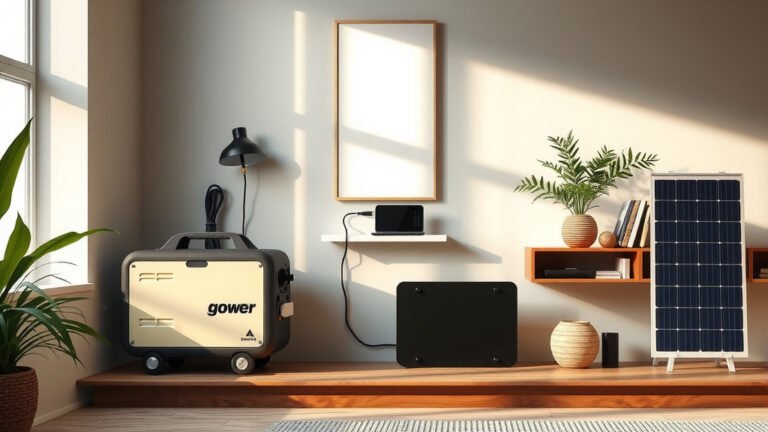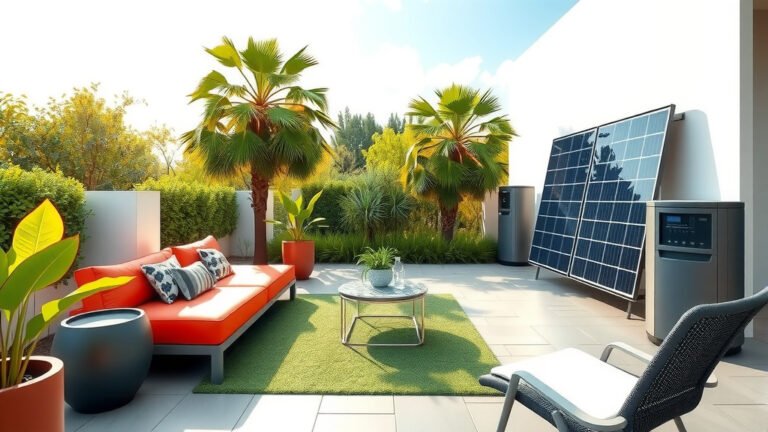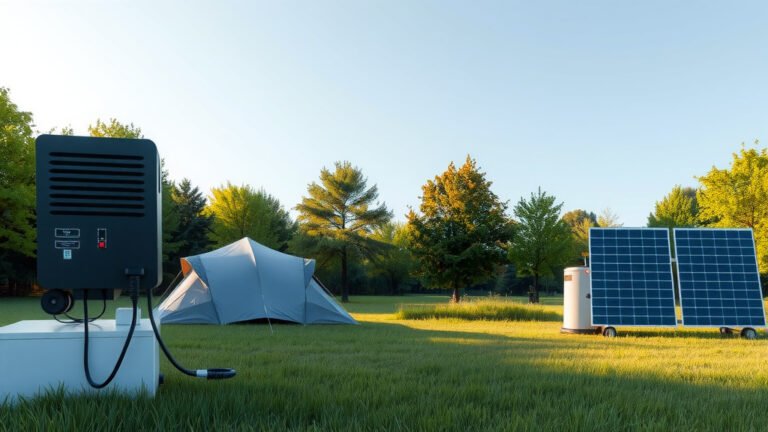
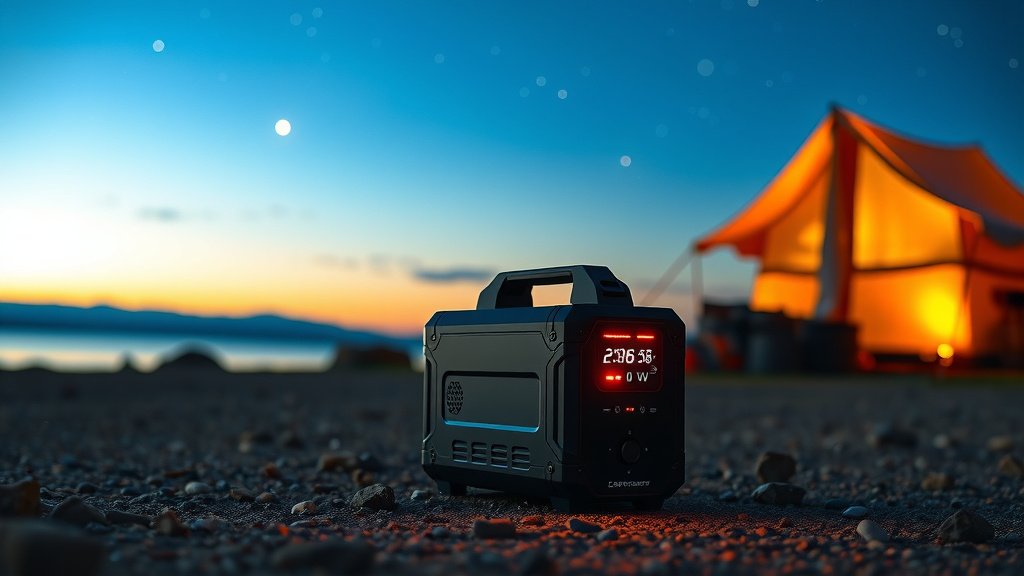
Solar generators don’t work at night because solar panels need sunlight to generate electricity, but the battery storage allows you to use stored solar energy after dark.
Your solar generator becomes a battery-powered station at night, running on the energy it collected during daylight hours until the stored power runs out.
How Solar Generators Actually Work
Think of your solar generator like a piggy bank for electricity. During the day, solar panels act as your “income” – they collect sunlight and convert it into electrical energy. This energy gets stored in built-in batteries for later use.
When night falls, your solar panels stop producing power. But here’s the good news: you can still run your devices using the energy saved up in those batteries.
The Two-Part System Explained
Your solar generator has two main jobs. First, it collects and converts solar energy during daylight. Second, it stores that energy and delivers it when you need it.
The solar panels do the collecting. The battery does the storing. The inverter changes that stored DC power into AC power your devices can use.
What Happens When the Sun Goes Down
Once darkness hits, your solar generator switches into “battery mode.” You’re now running entirely on stored energy from earlier in the day.
This stored power works just like plugging into a wall outlet. Your lights turn on. Your phone charges. Your small appliances run normally.
How Long Will It Last at Night
The runtime depends on two things: how much energy you stored and how much power you’re using.
A typical portable solar generator might store between 500 to 3000 watt-hours. If you’re running a 100-watt device, you could get 5 to 30 hours of use.
Battery Capacity Examples
- Small units (500Wh): Run LED lights for 20+ hours or charge phones 40+ times
- Medium units (1000-1500Wh): Power a mini-fridge for 10-15 hours
- Large units (2000-3000Wh): Run multiple devices or small appliances through the night
Common Nighttime Uses for Solar Generators
You might wonder what people actually use solar generators for after dark. From what I researched, the most popular nighttime uses include emergency lighting, phone charging, and running small appliances.
Emergency Power Needs
Power outages don’t wait for convenient times. Your solar generator can keep essential devices running when the grid goes down at night.
Many families use them to power medical devices, keep food cold, or maintain communication during emergencies.
Camping and Outdoor Activities
Campers love solar generators because they provide clean, quiet power after sunset. No noisy gas generators disturbing the peaceful night.
You can run camp lights, charge devices, power small fans, or even run a portable heater on cold nights.
Popular Camping Applications
- LED lanterns and string lights
- Phone and camera charging
- Portable fans or small heaters
- CPAP machines for better sleep
- Small coolers to keep food fresh
Maximizing Your Nighttime Runtime
Want to squeeze more hours out of your solar generator at night? Smart energy management makes a huge difference.
Charge Fully During the Day
Position your solar panels in direct sunlight. Even partial shade can cut charging efficiency by 50% or more.
Start charging early and keep panels clean. Dust and debris block sunlight and reduce the energy you can store.
Use Energy-Efficient Devices
LED lights use 80% less energy than old incandescent bulbs. That means much longer runtime from the same battery.
Check the wattage on your devices. Sometimes switching to a more efficient option doubles your available time.
Power-Saving Device Swaps
| Device Type | High Power Option | Efficient Alternative | Energy Savings |
|---|---|---|---|
| Lighting | 100W Incandescent | 15W LED | 85% less power |
| Cooling | 500W Mini Fridge | 50W DC Cooler | 90% less power |
| Fans | 75W Tower Fan | 25W DC Fan | 67% less power |
Limitations You Should Know About
Solar generators aren’t magic. They have real limits, especially at night when you’re running on stored power alone.
Battery Capacity Constraints
You can’t run high-power devices for very long. That 1500W hair dryer will drain most solar generators in under an hour.
Heavy appliances like electric heaters, air conditioners, or power tools need more energy than most portable units can store.
No Recharging Until Sunrise
Once your battery runs low at night, you’re stuck waiting for morning. Unlike gas generators, you can’t just add more fuel.
This makes planning your energy use really important, especially during long winter nights.
Winter Considerations
Winter brings extra challenges. Shorter days mean less charging time. Cold temperatures can reduce battery performance by 10-20%.
Some people supplement with wall charging during winter months to make sure they have full batteries before evening.
Alternative Charging Options
Smart solar generator owners don’t rely only on solar panels. Many units offer multiple ways to recharge batteries.
AC Wall Charging
Most solar generators can plug into regular wall outlets. This lets you top off the battery using grid power when solar charging isn’t enough.
Wall charging usually takes 6-12 hours for a full battery, depending on the unit size.
Car Charging Options
Many solar generators include 12V car adapters. You can recharge while driving or from your parked vehicle.
Car charging works great for road trips or when you need to boost power away from home.
Comparing Solar vs Gas Generators at Night
Gas generators can run all night long – as long as you have fuel. Solar generators run until the battery dies.
But solar generators stay completely silent. No engine noise, no exhaust fumes, no fire hazards.
Noise and Safety Differences
Gas generators produce 60-90 decibels of noise. That’s like having a vacuum cleaner running outside your tent all night.
Solar generators make zero noise. Perfect for neighborhoods with noise restrictions or peaceful camping.
Planning Your Nighttime Power Needs
Before buying a solar generator, calculate your actual nighttime power needs. This prevents disappointment and helps you choose the right size.
Simple Energy Calculation
List every device you want to run at night. Find the wattage on each device. Multiply watts by hours of use.
Add up all those numbers. That’s your total energy need for the night. Buy a solar generator with at least 25% more capacity than your calculation.
Sample Nighttime Energy Budget
- LED lights (20W × 6 hours) = 120Wh
- Phone charging (10W × 2 hours) = 20Wh
- Small fan (30W × 8 hours) = 240Wh
- Laptop use (50W × 3 hours) = 150Wh
- Total needed = 530Wh
- Recommended generator = 650Wh+ capacity
Maintenance for Better Nighttime Performance
Well-maintained solar generators store more energy and deliver power more efficiently at night.
Battery Care Tips
Don’t let batteries sit completely empty for long periods. This can damage the cells and reduce storage capacity.
Recharge at least every three months, even if you’re not using the generator regularly.
Solar Panel Maintenance
Clean panels collect more sunlight during the day. More daytime collection means more nighttime power.
Use soft cloths and mild soap. Harsh cleaners or rough materials can scratch the panel surface.
Conclusion
Solar generators don’t generate power at night, but they absolutely work using stored battery energy. Your nighttime runtime depends on battery capacity and how efficiently you use that stored power. With proper planning and energy-efficient devices, a good solar generator can easily power your essential needs through the night. The key is choosing the right size for your needs and maximizing the daytime charging to build up that energy reserve. While they have limits compared to gas generators, the silent operation and clean energy make solar generators perfect for many nighttime applications.
Can I run a refrigerator all night with a solar generator?
Most portable solar generators can run a small mini-fridge for 8-12 hours, but full-size refrigerators typically need larger capacity units with 2000Wh or more storage.
How do I know when my solar generator battery is getting low at night?
Most units have LCD displays showing remaining battery percentage, and many include low battery alarms or smartphone apps that send alerts when power drops below certain levels.
Will cold weather affect my solar generator’s nighttime performance?
Yes, lithium batteries can lose 10-20% capacity in freezing temperatures, so your runtime may be shorter on cold nights compared to moderate weather conditions.
Can I use my solar generator while it’s charging during the day?
Most quality solar generators support pass-through charging, letting you run devices while solar panels simultaneously recharge the battery during daylight hours.
What happens if I completely drain my solar generator battery at night?
The unit will shut down to protect the battery cells from damage, and you’ll need to wait until sunrise for solar charging or use an AC wall outlet to recharge if available.