Fast charging technology in solar generators works by increasing the power delivered to the battery, often through higher wattage inputs and advanced Battery Management Systems (BMS).
This allows your solar generator to absorb more energy in less time, reducing the wait for a full charge from various sources like solar panels or wall outlets.
TL;DR: Here’s the quick rundown on fast charging your solar generator:
- Fast charging pumps more power into your solar generator’s battery, cutting down charge times significantly.
- It relies on smart components like MPPT controllers and advanced Battery Management Systems (BMS) to handle higher power safely.
- Many modern generators use LiFePO4 batteries, which are better suited for absorbing and delivering fast charges.
- You can fast charge using AC wall outlets, dedicated DC car chargers, or high-wattage solar panels.
- Always check your generator’s specifications to confirm its fast-charge capabilities and suitable input sources.
How Does Fast Charging Technology Work In Solar Generator?
Fast charging in a solar generator means getting your portable power back up and running much faster. It achieves this by efficiently managing and increasing the power flow into your battery.
This process speeds up how quickly your generator can store energy from sources like the sun or a standard wall outlet.
What Exactly is Fast Charging?
Imagine filling a water bucket. Standard charging is like using a garden hose. Fast charging, on the other hand, uses a fire hose.
It’s all about pushing more watts into your battery pack safely and quickly, drastically shortening the time you wait for a full charge.
The Need for Speed: Why Fast Charging Matters
Who enjoys waiting around? We found that nobody does, especially when you are off-grid or facing a power outage.
Fast charging means you spend less time charging and more time powering your essential devices, making your outdoor adventures or emergency plans much smoother.
The Core of Fast Charging: Power Delivery
At its heart, fast charging works by upping the ante on power delivery. This means your generator can handle a higher electrical input than older models.
More watts flowing in equals a quicker charge for your power station.
Meeting Your Power Needs
Many experts say the key is a sophisticated internal system that can receive and distribute this increased power without causing damage. It’s like a smart traffic controller for electricity.
Your generator knows how to take a lot of power and direct it where it needs to go efficiently.
MPPT: Your Solar Charging Engine
For solar input, the Maximum Power Point Tracking (MPPT) controller is a silent hero. It actively finds the sweet spot to get the most power from your solar panels at any given moment.
This efficiency helps maximize the incoming watts, making your solar charging sessions much faster.
Smart Power Conversion
Without an MPPT, you might lose a lot of potential energy, especially under changing weather conditions (NIH). This smart tech ensures you’re harnessing the sun’s power with greater purpose.
It’s like tuning an antenna to get the clearest signal, always seeking the peak performance from your solar panels.
The Battery Management System (BMS) at Work
The Battery Management System, or BMS, is your generator’s brain and bodyguard. It’s a crucial component that monitors every cell in your battery pack.
The BMS keeps everything running smoothly, especially during rapid charging.
Keeping Your Battery Healthy and Safe
We found that a good BMS protects against overcharging, over-discharging, and overheating. This is vital because high power flow can generate more heat.
It ensures the battery remains stable and safe, extending its lifespan even with frequent fast charges.
Battery Chemistry: A Big Player
The type of battery inside your solar generator plays a huge role in fast charging. Lithium iron phosphate (LiFePO4) batteries are becoming very popular for this reason.
They can handle higher charge and discharge rates more effectively than older battery types.
LiFePO4: A Popular Choice
Many manufacturers now lean towards LiFePO4 for durability and safety (Department of Energy). These batteries maintain their performance even with repeated fast charges.
They offer a longer cycle life, meaning they can be charged and discharged many more times before losing significant capacity.
Understanding Input Sources for Fast Charging
Fast charging isn’t just about solar. Your generator might support fast charging from various sources.
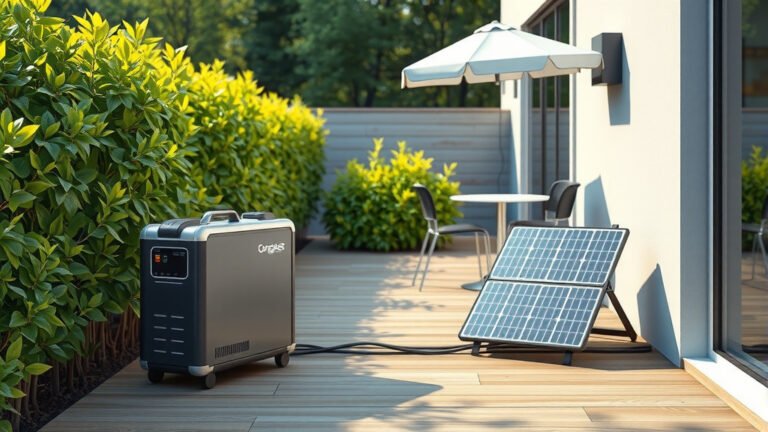
These can include a standard AC wall outlet, your car’s DC port, or, of course, solar panels.
Different Paths to a Full Charge
The fastest way often comes from a wall outlet because it usually provides a consistent, high-wattage input. Solar panel charging speed depends on panel wattage and sunlight.
Your car’s DC outlet offers another convenient, if usually slower, fast-charging option while on the go.
Is Your Solar Generator Fast-Charge Ready?
How do you know if your solar generator has fast-charge capabilities? Always check the specifications listed by the manufacturer.
Look for terms like “fast charge,” “rapid charge,” or specific input wattages that are higher than older models.
Finding the Right Match
A higher input wattage for AC charging, for example, typically indicates faster charging. For solar, check the maximum MPPT input wattage.
This number tells you how much power your generator can accept from your solar array.
Tips for Turbo-Charging Your Generator
Want to get the most out of your fast-charging solar generator? Here are some simple steps:
- Use the Right Cables: Always use the charging cables supplied with your generator or high-quality replacements.
- Maximize Solar Input: Position solar panels directly towards the sun for peak performance. Keep them clean.
- Choose High-Wattage Panels: If charging with solar, pair your generator with panels that match its maximum MPPT input.
- Avoid Extreme Temperatures: Batteries charge most efficiently within moderate temperature ranges.
- Read Your Manual: Your generator’s manual will have specific advice for optimal charging.
Making the Most of Your Solar Setup
Remember, a little planning goes a long way. Setting up your panels correctly and understanding your generator’s limits can make a big difference.
It’s all about getting the best performance from your power setup without any fuss.
Common Questions About Fast Charging
You might be wondering about a few things when it comes to fast charging.
The answer is generally no, thanks to sophisticated BMS technology and better battery chemistry.
| Charging Type | Typical Input (Watts) | Approx. Charge Time (500Wh Gen) | Considerations |
|---|---|---|---|
| Standard AC Wall | 60-100W | 5-8 hours | Reliable, but slower |
| Fast AC Wall | 200-500W | 1.5-3 hours | Quick, needs compatible generator |
| Solar (Standard) | 100W | 6-10 hours (sunny) | Weather dependent, free energy |
| Solar (Fast) | 200W+ | 3-5 hours (sunny) | Best with MPPT, direct sunlight |
| Car Charger | 60-120W | 4-8 hours | Convenient on the road, varies by car |
Conclusion
Fast charging technology in solar generators has revolutionized how we access portable power. It’s not just a fancy feature; it’s a practical solution for modern power needs.
By understanding how components like MPPT and BMS work with advanced battery chemistries, you can make informed choices and keep your devices powered up.
You can truly enjoy the freedom and reliability that a fast-charging solar generator brings, whether you’re exploring the wilderness or preparing for unexpected outages. It’s about empowering your adventures and securing your peace of mind.
Can fast charging damage my solar generator’s battery over time?
No, typically not. Modern solar generators with fast charging capabilities are designed with robust Battery Management Systems (BMS) and advanced battery chemistries like LiFePO4. These systems actively monitor and regulate the charging process to prevent issues like overheating or overcharging, which protects your battery and helps it last longer.
What’s the difference between AC fast charging and solar fast charging?
AC fast charging uses a high-wattage input from a wall outlet, which is usually consistent and can quickly replenish your generator. Solar fast charging relies on high-wattage solar panels and an efficient MPPT controller to convert sunlight into usable power rapidly. While both aim for speed, AC is often faster and more predictable, whereas solar depends on weather conditions and panel setup.
Do all solar generators support fast charging?
No, not all solar generators have fast charging capabilities. Older or entry-level models might only support standard charging speeds. Always check the product specifications for “fast charge” features or look for high input wattage ratings (e.g., 200W+ for AC or solar input) which indicate quicker charging times.
How can I tell if my solar panels are fast charging my generator effectively?
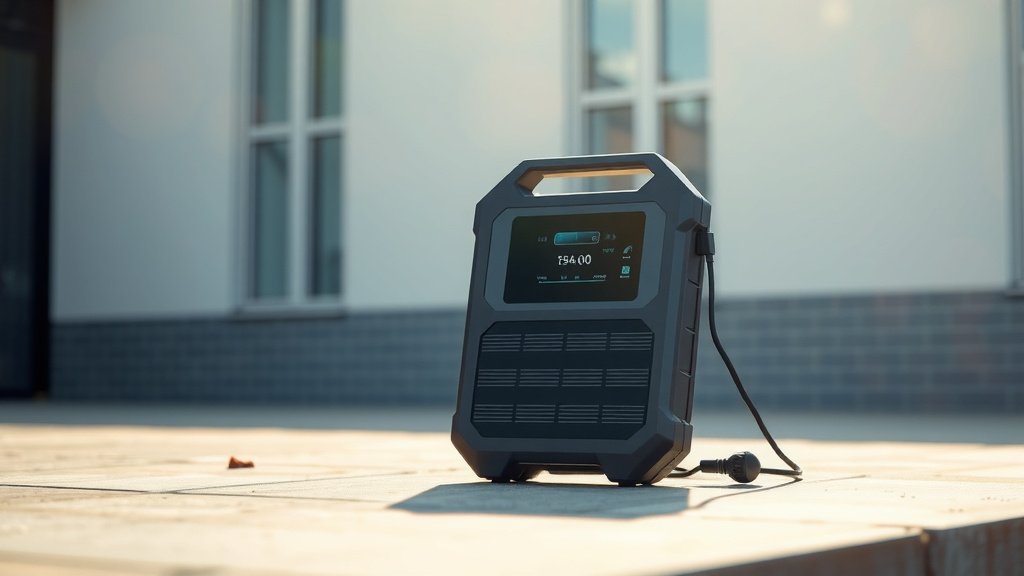
Many modern solar generators have a display that shows the input wattage in real-time. If you see a high wattage number (matching your panel’s output and your generator’s max input), you’re likely fast charging. Ensure your panels are clean, angled correctly towards the sun, and free from shade to maximize efficiency.
Is it better to always fast charge my solar generator, or should I sometimes use slower charging?
For most modern solar generators, using fast charging regularly is perfectly fine and often preferred for convenience. The integrated BMS protects the battery. There isn’t a significant benefit to intentionally using slower charging methods unless you prefer to do so for specific long-term storage recommendations, which would be outlined in your generator’s manual.