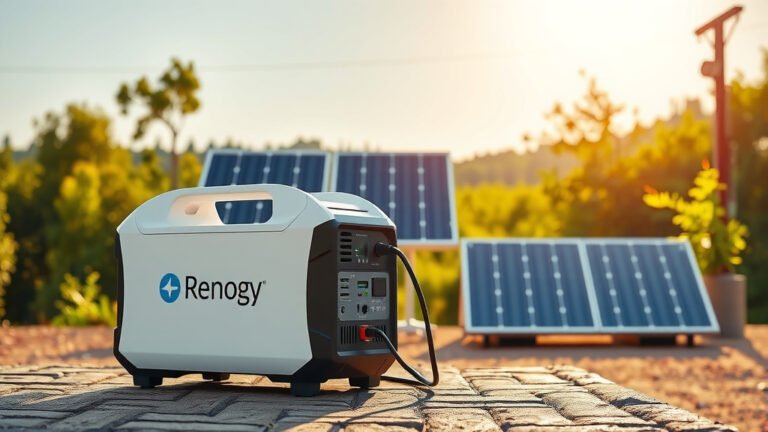
A portable power station can power your essential fishing gear like fish finders, trolling motors, and phone chargers, making your trips more comfortable and productive.
Using a portable power station for fishing trips extends your time on the water, keeping all your electronics running smoothly without relying on noisy gas generators.
TL;DR:
- Portable power stations are essential for modern fishing trips, powering vital electronics.
- Choose a power station based on your specific gear, trip length, and capacity needs.
- They can charge phones, run fish finders, small fridges, and even inflate boats.
- Always prioritize safety, proper ventilation, and regular maintenance for your unit.
- Solar panels can recharge your power station, making your setup sustainable for longer outings.
How To Use Portable Power Station For Fishing Trips?
Using a portable power station for fishing trips is about making your time on the water easier and more enjoyable. These devices are like large, rechargeable batteries, giving you power wherever you cast your line. They remove the worry of dead phones or unpowered gear, letting you focus on catching that big one.
Why Take a Portable Power Station Fishing?
Have you ever had your phone die just when you needed a map? Or wished your fish finder lasted longer? A portable power station solves these problems. Many anglers find that these stations are essential for a smooth trip (Outdoor Life).
Keeping Your Devices Charged
Imagine never having to worry about your phone, tablet, or GPS running out of battery. Your portable power station keeps all these personal items topped up. This is great for emergencies or simply sharing photos of your catch.
Powering Fishing Electronics
Your fish finder, depth sounder, and chartplotter need steady power. A portable power station ensures these crucial tools stay on. We found that a reliable power source greatly improves your chances of locating fish.
Comfort and Convenience on the Water
Beyond fishing gear, these stations can run small luxuries. Think about a portable fan on a hot day or even a small coffee maker. It makes those long waits a bit more comfortable, doesn’t it?
Choosing the Right Portable Power Station for Your Trip
Not all power stations are the same. Picking the right one depends on what you plan to power and how long you’ll be out. Consider its capacity, portability, and available outputs.
Capacity: How Much Power Do You Need?
Capacity is measured in Watt-hours (Wh). A higher Wh means more power and longer run times. For a weekend trip with basic electronics, 300-500Wh might be enough. Longer trips or more gear mean you’ll want 700Wh or more.
Portability: Can You Carry It?
Fishing often means moving around. Look for a power station with a sturdy handle and a reasonable weight. You don’t want a unit that’s too heavy to bring to your favorite spot.
Output Ports: Matching Your Gear
Check for AC outlets (like your home wall sockets), USB-A, USB-C, and 12V DC ports. Make sure it has the right connections for all your devices. We often see that a good mix of ports makes a unit truly versatile.
What Can You Power on a Fishing Trip?
The possibilities are quite extensive! From basic necessities to some surprising conveniences, your power station can handle a lot.
- Fish Finders and GPS Units: Essential for navigation and finding fish.
- Trolling Motors (small): Extend your quiet cruising time on the lake.
- Phone, Tablet, Camera Chargers: Keep communication and memories alive.
- Portable Refrigerators/Coolers: Keep bait fresh and drinks cold for longer.
- Air Pumps: Easily inflate inflatable boats, kayaks, or air mattresses.
- LED Lights: Brighten up your campsite or boat for night fishing.
Setting Up Your Power Station for Fishing
Using your power station is mostly straightforward. However, a few tips can make a big difference in how well it performs and lasts.
Placement on the Boat or Shore
Keep your power station in a stable, dry spot. Avoid direct sunlight if possible, as heat can reduce battery life. Many experts say a shaded area is always best.
Connecting Your Devices Safely
Always plug devices in one at a time. Make sure the power station is on before connecting, if required by the manufacturer. Do not overload the station by plugging in too many high-draw items at once.
Monitoring Power Usage
Most modern power stations have a display showing remaining battery life and current power draw. Keep an eye on this. It helps you prioritize what to power and when.
Recharging On-The-Go with Solar Panels
For longer trips, a portable solar panel can be a game-changer. It allows you to recharge your power station using sunlight, giving you endless power for extended adventures.
Choosing Solar Panels
Match the solar panel’s wattage to your power station’s input capacity. Foldable, portable solar panels are ideal for fishing. We found that around 100-200W panels are a good balance for most anglers.
Optimal Panel Placement
Position your solar panel facing the sun directly for maximum charging efficiency. Adjust it throughout the day as the sun moves. Even partial sunlight can provide some charge.
Safety and Maintenance for Your Portable Power Station
Taking good care of your power station ensures it works well for many trips to come. Safety is always first when using electronics near water.
Water Resistance and Protection
While some units are splash-proof, most are not fully waterproof. Keep your power station away from direct contact with water. Use a waterproof bag or cover if rain is expected (Coast Guard recommendations for marine electronics).
Ventilation and Heat Management
Power stations generate some heat. Ensure good airflow around the unit. Never cover the vents. Overheating can damage the battery and components.
Storage Between Trips
Store your power station in a cool, dry place. Charge it to about 50-80% before long-term storage, as this helps maintain battery health. Recharge every 3-6 months if not used.
Pre-Trip Power Station Checklist
A quick check before you leave can prevent any frustrating surprises.
- Power station fully charged?
- All charging cables packed?
- Solar panel (if using) clean and ready?
- Waterproof cover or bag for power station?
- Tested all devices with the power station?
- Read the user manual for specific care tips?
Portable Power Station vs. Gas Generator for Fishing
Here’s a simple look at the differences:
| Feature | Portable Power Station | Gas Generator |
|---|---|---|
| Noise Level | Silent | Loud |
| Fuel Source | Battery (rechargeable) | Gasoline |
| Emissions | None | Exhaust fumes |
| Maintenance | Low (charge, store) | High (oil changes, fuel stabilizer) |
| Portability | High (lighter, smaller) | Lower (heavier, bulkier) |
| Ideal Use | Quiet, clean power for electronics | Heavy-duty tools, long-term power |
For fishing, the quiet operation and lack of fumes from a portable power station are clear winners. They won’t scare away the fish!
Conclusion
Bringing a portable power station on your next fishing trip just makes good sense. It keeps your essential gear running, adds comfort, and provides peace of mind. By choosing the right unit, understanding its uses, and caring for it properly, you’re set for many successful and uninterrupted fishing adventures. So, go ahead, power up your trip and enjoy the water even more!
FAQs About Using Portable Power Stations for Fishing
Can a portable power station power a small trolling motor?
Yes, many portable power stations can run small, electric trolling motors, especially for kayaks or smaller boats. You will need to check the motor’s wattage requirements and match it with the power station’s output capacity and battery size to ensure it can operate for a useful amount of time.
How long will a portable power station last on a fishing trip?
The duration depends on the power station’s capacity (Watt-hours) and the power draw of your connected devices. For example, a 500Wh unit running a 10W fish finder might last about 50 hours, while powering a 60W portable fridge might last around 8 hours. Plan your usage based on your gear’s specific needs.
Are portable power stations safe to use near water?
Most portable power stations are designed for outdoor use but are not fully waterproof. It’s important to keep them away from direct water splashes or submersion. Some models offer splash resistance, but always use caution and keep the unit in a dry, stable location or use a protective, waterproof bag.
Can I charge my portable power station with my car’s 12V outlet?
Absolutely! Most portable power stations come with a 12V car charger cable. This allows you to recharge the unit while driving to or from your fishing spot. While often slower than wall charging, it’s a convenient way to keep your power station topped up during transit.
What’s the main difference between a portable power station and a jump starter?
A portable power station is designed to power and charge a wide range of electronic devices and small appliances via AC, DC, and USB ports. A jump starter, conversely, has a primary function of providing a high burst of current to start a vehicle’s dead battery and typically has limited, if any, other charging outputs.