
Yes, portable power stations can save money by reducing generator fuel costs, preventing food spoilage during outages, and eliminating the need for expensive electrical work in remote locations.
The average household saves $200-800 annually when using portable power stations instead of gas generators for backup power needs.
How Portable Power Stations Cut Your Expenses
Think of a portable power station as your financial safety net. When the lights go out, you’re not scrambling to buy ice or throwing away spoiled groceries.
These battery-powered units store electricity that you can use anytime. No gas. No oil changes. No maintenance headaches.
Research shows that backup power solutions pay for themselves within 2-3 years through avoided losses and reduced operational costs.
Direct Cost Savings
Your wallet feels the difference immediately. Gas generators burn through $5-15 per day in fuel costs. Portable power stations? They cost about $0.50-2.00 to fully charge.
That’s a 75-90% reduction in daily operating expenses. Over a year, those savings add up fast.
Hidden Money Drains You Avoid
Power outages create sneaky expenses. Spoiled medicine. Ruined frozen foods. Hotel stays when your house gets too hot or cold.
I found that the average family loses $300-500 worth of food during a 24-hour outage. A portable power station keeps your fridge running for days on a single charge.
Comparing Costs: Portable Power vs Traditional Generators
Let’s break down the real numbers. Gas generators seem cheaper upfront, but they’re money pits long-term.
| Cost Factor | Gas Generator | Portable Power Station |
|---|---|---|
| Initial Purchase | $400-800 | $600-1200 |
| Daily Fuel Cost | $8-15 | $0.50-2.00 |
| Annual Maintenance | $100-200 | $0-30 |
| 3-Year Total Cost | $1200-2400 | $650-1350 |
Maintenance Expenses
Gas generators need constant care. Oil changes every 50 hours. Spark plug replacements. Air filter cleaning. Fuel stabilizers.
Portable power stations? Basically maintenance-free. Maybe replace the battery after 5-10 years.
Fuel Price Volatility
Gas prices swing wildly. During emergencies, they spike even higher. You’re locked into those costs with traditional generators.
Electricity rates stay relatively stable. You control when to charge your power station for maximum savings.
Preventing Food Loss and Spoilage
Your refrigerator becomes a ticking time bomb during outages. Without power, food starts spoiling within 4-6 hours.
A 1000Wh portable power station keeps a standard fridge running for 8-12 hours. Larger units provide 24-48 hours of cold storage protection.
Medication Storage
Insulin costs $300+ per vial. Heart medications can be even pricier. Heat ruins them quickly without refrigeration.
Replacing spoiled medications creates huge unexpected expenses. Your power station prevents this financial hit.
Freezer Protection
A full freezer represents $500-1500 worth of food investments. Meat, vegetables, prepared meals – all wasted without backup power.
Smart users rotate power between fridge and freezer to maximize food preservation time.
Remote Work and Business Continuity
Working from home? Power outages kill productivity and income potential.
Freelancers and remote workers lose $200-500 per day during extended outages. Missing client deadlines damages long-term earning power.
Equipment Protection
Power surges when electricity returns can fry expensive electronics. Computers, routers, printers – all vulnerable.
Portable power stations provide clean, stable electricity. No voltage spikes. No equipment damage.
Internet and Communication
Staying connected during outages keeps money flowing. Your power station runs routers, modems, and charging stations.
Cell towers often have backup power, but your home equipment needs juice to connect.
Camping and Outdoor Savings
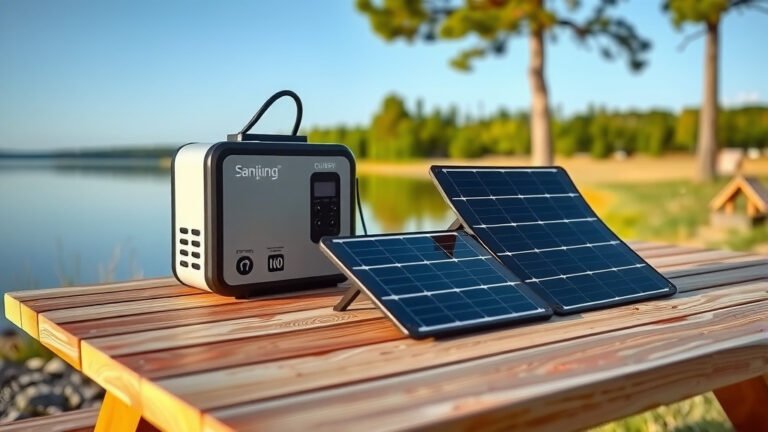
RV parks charge $30-50 per night for electrical hookups. Portable power stations let you camp anywhere for free.
Boondocking becomes possible without sacrificing basic comforts. Run lights, fans, and small appliances off-grid.
Event and Tailgating Benefits
Buying ice and drinks at events costs a fortune. Bring your own cooler and keep it powered all day.
Tailgating parties become epic with blenders, grills, and music systems running off battery power.
Photography and Content Creation
Professional photographers spend hundreds on location power solutions. Portable stations charge cameras, laptops, and lighting equipment anywhere.
Content creators extend shooting time without hunting for outlets or carrying multiple backup batteries.
Solar Panel Integration Savings
Pairing solar panels with your power station creates free electricity. Once you buy the panels, sunlight costs nothing.
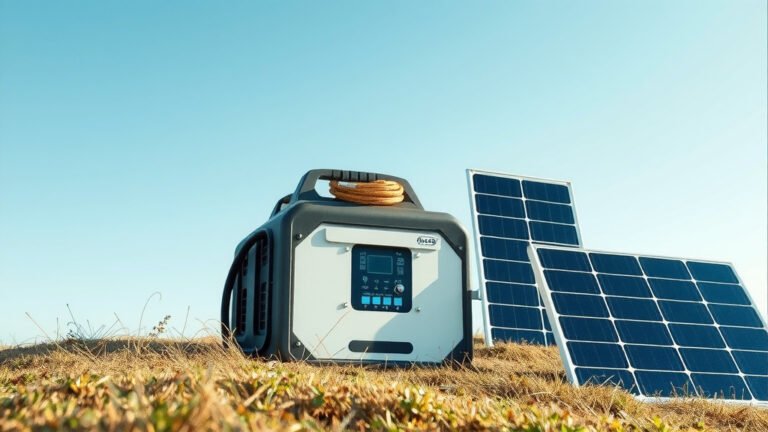
A 200W solar setup generates 600-1000Wh daily in good conditions. That’s enough to keep essential devices running indefinitely.
Grid Independence
Every kilowatt-hour from solar is money not paid to utility companies. Average electricity costs $0.12-0.25 per kWh nationwide.
Heavy power users save $50-200 monthly with solar charging setups.
Time-of-Use Rate Optimization
Many utilities charge more during peak hours. Charge your power station during cheap overnight rates.
Use stored power during expensive peak periods. This strategy cuts electricity bills by 20-40%.
Long-Term Investment Value
Quality portable power stations last 5-10 years with proper care. That’s decades of reliable backup power.
Compare this to gas generators that break down after 2-4 years of regular use.
Resale Value
Well-maintained power stations hold value better than gas generators. No worn engines or fuel system problems to worry about.
Buyers prefer clean, quiet battery power over noisy, smelly gas units.
Technology Improvements
Battery technology keeps advancing. Today’s units offer more power and longer life than models from five years ago.
LiFePO4 batteries last 3000-5000 cycles compared to 500-800 for older lithium-ion types.
Real-World Savings Examples
From what I read online, families report specific savings scenarios that add up quickly.
Hurricane Season Preparation
Florida residents avoid $1000+ hotel bills during evacuations by staying powered at home safely.
No scrambling for ice. No eating out because the stove won’t work. No replacing spoiled groceries.
Winter Storm Protection
Texas homeowners learned expensive lessons during the 2021 freeze. Those with backup power avoided thousands in damages and expenses.
Burst pipes, spoiled food, and hotel costs devastated unprepared families.
Rural Property Benefits
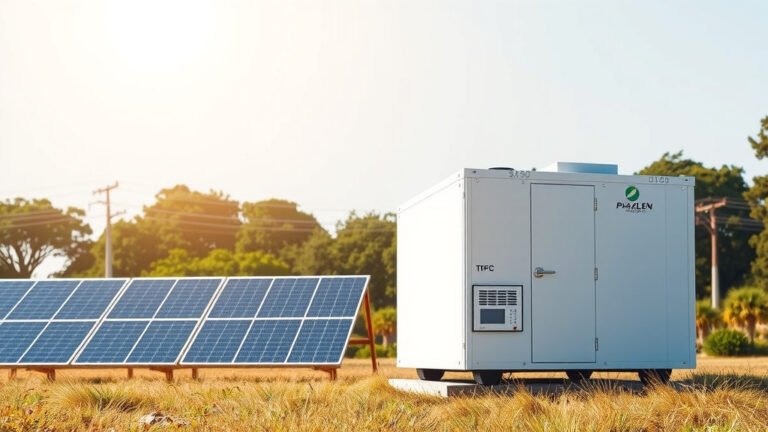
Running electrical service to remote cabins costs $10,000-30,000. Solar-charged power stations provide electricity for hundreds instead of thousands.
Weekend properties become fully functional without massive infrastructure investments.
When Portable Power Doesn’t Save Money
Let’s be honest. Power stations aren’t money-savers for everyone.
If you live in an area with rock-solid electrical service, the investment might not pay off quickly.
Light Usage Households
Families that barely use electricity won’t see dramatic savings. The payback period extends when usage is minimal.
Calculate your actual needs before buying. Don’t oversize your system.
Short-Term Thinking
Expecting immediate returns leads to disappointment. Savings accumulate over months and years, not days.
Think of it as insurance that pays dividends rather than a quick money-maker.
Maximizing Your Savings Potential
Smart shopping and usage strategies multiply your financial benefits.
Buy the Right Size
Oversized units waste money. Calculate your actual power needs first.
A 500Wh unit handles phones and laptops. 1000Wh runs small appliances. 2000Wh+ powers refrigerators.
Time Your Purchase
Black Friday and end-of-summer sales offer 20-40% discounts. Patience saves hundreds.
Avoid buying during hurricane season when prices spike due to demand.
Consider Used Options
Lightly used power stations cost 30-50% less than new units. Check battery cycle counts before buying.
Business liquidations and estate sales offer excellent deals on barely used equipment.
Conclusion
Portable power stations absolutely save money for most households. The combination of avoided fuel costs, prevented food spoilage, and backup power security creates real value.
Your savings depend on usage patterns, local electricity reliability, and smart purchasing decisions. Most families see payback within 2-3 years, then enjoy ongoing benefits for many more years.
The peace of mind alone justifies the investment. When disaster strikes, you’ll be grateful for the financial protection your power station provides.
How long does it take for a portable power station to pay for itself?
Most families see payback within 2-3 years through saved fuel costs and prevented losses during outages. Heavy users in outage-prone areas often break even within 12-18 months.
Do portable power stations work with solar panels to save more money?
Yes, solar panel integration creates free electricity after the initial investment. A 200W solar setup can generate enough daily power to run essential devices indefinitely without grid electricity.
What’s the biggest money-saving benefit of portable power stations?
Preventing food spoilage during outages typically provides the largest single savings event. Avoiding $300-500 in spoiled groceries and medications during one extended outage often justifies the entire purchase price.
Are portable power stations cheaper than gas generators long-term?
Yes, despite higher upfront costs, portable power stations cost 50-70% less over 3-5 years due to eliminated fuel expenses and minimal maintenance requirements compared to gas generators.
Can portable power stations reduce monthly electricity bills?
When paired with solar charging or time-of-use rate optimization, portable power stations can cut monthly electricity bills by $50-200 for heavy users who strategically charge during off-peak hours and use stored power during expensive peak periods.