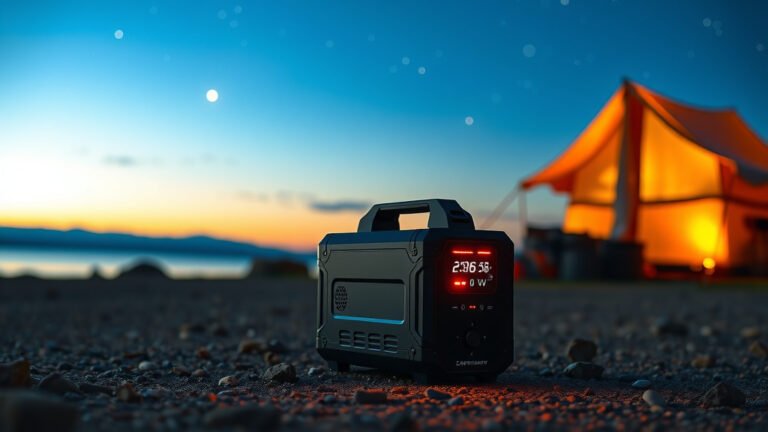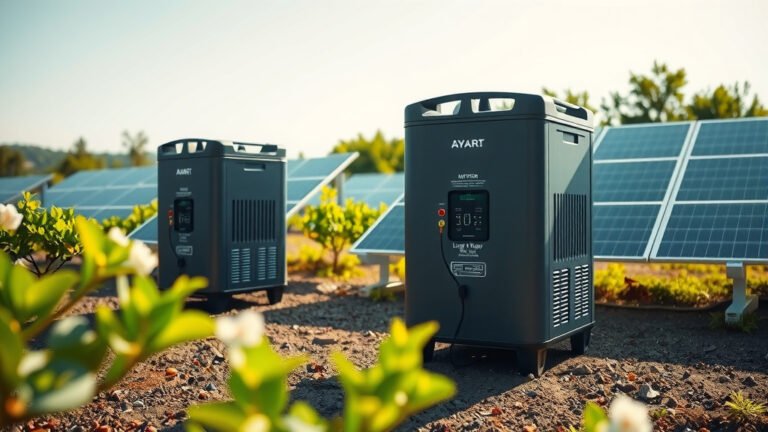

For van conversion, you need a portable power station between 1000-3000Wh capacity, depending on your electrical needs and travel style.
Most van lifers find that a 2000Wh portable power station provides the sweet spot for running essentials like lights, fridge, and charging devices without breaking the bank.
Quick Size Guide: What Power Station Fits Your Van Life
Picking the right size feels overwhelming when you’re staring at endless specs online. Let me break this down simply.
Your power needs depend on three main things: what devices you’ll run, how long you’ll be off-grid, and your budget. A weekend warrior needs way less juice than someone living full-time in their van.
Small Van Setups (1000-1500Wh)
Perfect if you’re keeping things minimal. These units handle basic lighting, phone charging, and a small cooler.
You’ll spend around $800-1200 for quality options in this range. They’re lighter and easier to move around your van.
Medium Van Setups (1500-2500Wh)
This sweet spot works for most people. You can run a 12V fridge, LED lights, laptop, and charge multiple devices.
Expect to invest $1200-2000. The extra capacity means you won’t stress about power every single day.
Large Van Setups (2500Wh+)
Go big if you’re running power-hungry gear like microwaves, hair dryers, or multiple fridges. Full-time van life often needs this much power.
Budget $2000+ for these beasts. They’re heavy but give you home-like comfort on the road.
Calculate Your Real Power Needs
Don’t guess at this part. Grab a piece of paper and list every device you plan to use.
Essential Devices First
Start with must-haves. Most people can’t live without these basics:
- 12V compressor fridge: 40-60 watts running, 120-180 watts starting
- LED lights: 5-15 watts each
- Phone charger: 10-20 watts
- Laptop: 45-85 watts
- Water pump: 35-45 watts when running
Add Your Comfort Items
Now list the nice-to-haves. These make van life more enjoyable:
- Coffee maker: 600-1200 watts
- Hair dryer: 1000-1800 watts
- Microwave: 700-1000 watts
- TV: 50-200 watts
- Fan: 30-75 watts
Quick Math for Daily Usage
Multiply each device’s watts by hours of daily use. Add them all up for your total daily watt-hours.
For example: Fridge runs 8 hours at 50 watts = 400Wh. Lights for 4 hours at 30 watts = 120Wh. Your laptop for 6 hours at 65 watts = 390Wh. That’s already 910Wh per day.
Factor in Your Travel Style
How you travel changes everything about power station sizing.
Weekend Warriors
Two to three days off-grid? A 1000-1500Wh station works fine. You’re not running everything constantly.
You can recharge at home or RV parks between trips. Keep it simple and save money.
Extended Road Trips
Planning weeks on the road? Bump up to 2000-2500Wh minimum. You need buffer for cloudy days and unexpected power drains.
I found that most road trippers underestimate their power use by about 30%. Give yourself breathing room.
Full-Time Van Life
Living in your van year-round demands serious power. Consider 3000Wh or larger systems.
You’ll face winter days with minimal solar charging. Bad weather might keep you inside using more electronics.
Popular Power Station Sizes Compared
| Capacity | Best For | Typical Price Range | Runtime Example |
|---|---|---|---|
| 1000Wh | Weekend trips | $800-1200 | 20 hours of LED lights |
| 1500Wh | Week-long trips | $1000-1500 | 30 hours of fridge operation |
| 2000Wh | Extended travel | $1400-2000 | 40 hours of mixed device use |
| 3000Wh | Full-time living | $2000-3500 | 2-3 days without recharging |
Don’t Forget About Solar Charging
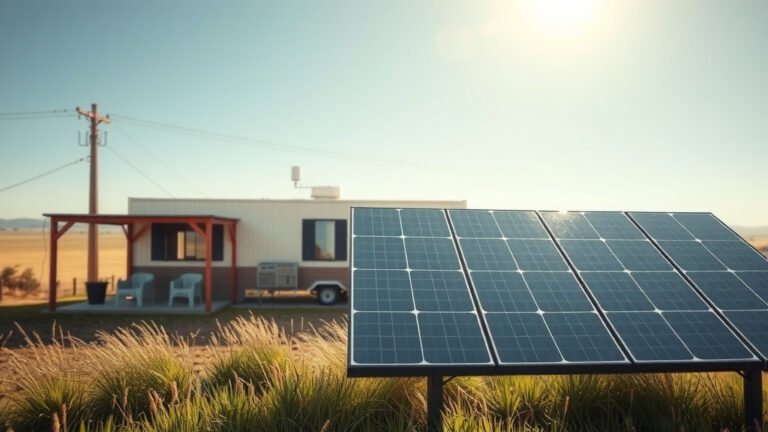
Your power station is only half the equation. Solar panels refill your battery bank during the day.
Match Solar to Your Power Station
A good rule: install solar watts equal to 20-30% of your battery capacity. So a 2000Wh power station pairs well with 400-600 watts of solar.
More solar means faster charging on sunny days. Less solar means you’ll struggle to keep up with daily power use.
Consider Charging Speed
Some power stations charge faster than others. Look for units that accept 400+ watts of solar input if you’re going big on panels.
Slow charging becomes painful when you’re waiting all day to get back to full power.
Weight and Space Constraints
Vans have limited space and weight capacity. Every pound matters when you’re already carrying everything you own.
Portable vs Fixed Installation
Portable power stations weigh 20-80 pounds depending on size. You can move them around or take them outside for charging.
Fixed battery banks save space but require more complex wiring. They’re often the better choice for larger systems.
Plan Your Van Layout
Measure your storage areas before buying. A massive power station won’t help if it doesn’t fit anywhere secure.
Most people mount them low and centered for better weight distribution. Easy access for maintenance matters too.
Budget Reality Check
Quality power stations cost real money. Cheap units often fail when you need them most.
Total System Costs
Don’t forget about solar panels, charge controllers, and wiring. Your $1500 power station might need another $800 in solar gear.
Factor in installation costs if you’re hiring someone. Many people spend $3000-5000 total on a complete power system.
Start Small, Expand Later
You can always add more power later. Many van lifers start with one power station and add a second one as needs grow.
This approach spreads out costs and lets you learn what you actually need versus what you think you need.
Common Sizing Mistakes
I’ve read about plenty of expensive mistakes in van life forums. Learn from other people’s errors.
Overbuying Power You Don’t Need
Don’t buy the biggest unit just because you can afford it. Extra capacity costs money and takes up valuable van space.
Track your actual power use for a few trips before upgrading to massive systems.
Underestimating High-Draw Devices
That hair dryer or coffee maker can drain 1000+ watts. Your power station might run it for 30 minutes before dying.
Consider propane alternatives for heating water and cooking. They’re often more efficient in vans.
Ignoring Inverter Capacity
Battery capacity is different from inverter output. Your 2000Wh power station might only output 1000 watts continuously.
Check both numbers. You need enough inverter capacity to run your highest-draw devices.
Climate Considerations
Where you travel affects power station performance and your energy needs.
Hot Weather Challenges
Desert camping means running fans constantly. Your fridge works harder in extreme heat too.
Plan for 20-30% higher power consumption during hot weather travel. Battery efficiency also drops in high temperatures.
Cold Weather Impact
Lithium batteries lose capacity when cold. Your 2000Wh station might only deliver 1600Wh at freezing temperatures.
You’ll also run heaters and lights more in winter. Many people need 50% more power during cold months.
Future-Proofing Your Power System
Think about how your needs might change over time.
Expandability Options
Some power stations let you connect additional battery modules. This flexibility helps you grow your system gradually.
Others are standalone units. You’d need to buy a completely separate power station to add capacity.
Technology Changes
Battery technology keeps improving. Today’s power stations are lighter and more efficient than units from five years ago.
Don’t overbuy based on fears of future needs. You can always upgrade when technology advances make it worthwhile.
Installation and Safety Notes
Power stations need proper ventilation and secure mounting in moving vehicles.
Ventilation Requirements
Lithium batteries generate heat during charging and discharging. Proper airflow prevents overheating and extends battery life.
Never install power stations in completely sealed compartments. Leave gaps for air circulation.
Secure Mounting
A 60-pound power station becomes a dangerous projectile in an accident. Build strong mounts or use heavy-duty straps.
Many people underestimate the forces involved in sudden stops or crashes.
Conclusion
Choosing the right portable power station size for van conversion comes down to honest assessment of your needs and travel style. Most people find success with 2000Wh units paired with adequate solar charging.
Start by calculating your actual daily power consumption, then add 20-30% buffer for unexpected needs. Remember that bigger isn’t always better if it doesn’t fit your space, weight, or budget constraints.
Take time to research specific models and read user reviews from actual van lifers. The right power station will serve you reliably for years of adventures on the road.
What’s the minimum power station size for weekend van camping?
A 1000Wh power station handles basic weekend needs like LED lights, phone charging, and a small cooler. This size works well for 2-3 day trips with minimal power requirements.
Can I run a microwave off a portable power station in my van?
Yes, but you need at least 2000Wh capacity and 1500+ watts of inverter output. A typical 700-watt microwave will drain your battery quickly, so use it sparingly or consider propane alternatives.
How long will a 2000Wh power station run a 12V fridge?
A quality 12V compressor fridge typically runs 30-40 hours on a 2000Wh power station, depending on outside temperature and how often you open the door. Hot weather reduces runtime significantly.
Should I buy one large power station or multiple smaller ones?
Multiple smaller units offer more flexibility and redundancy, but cost more total. One large unit is more efficient and cost-effective if you need the full capacity regularly.
How much solar do I need to keep up with daily power consumption?
Install solar watts equal to 150-200% of your daily power consumption for reliable charging. If you use 1000Wh daily, install 1500-2000 watts of solar panels to account for weather and charging losses.