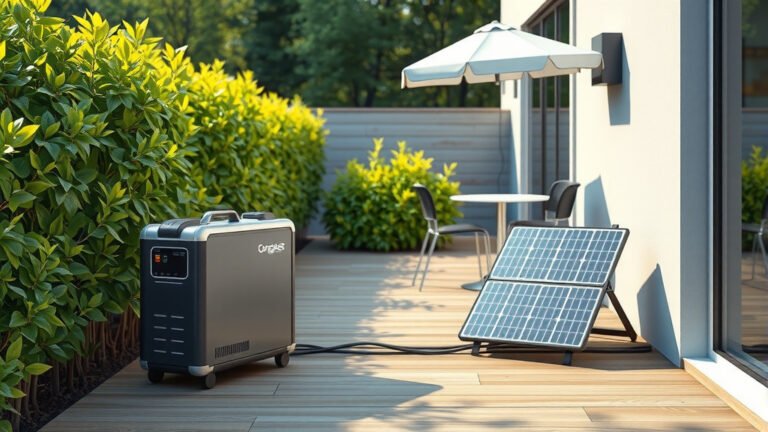
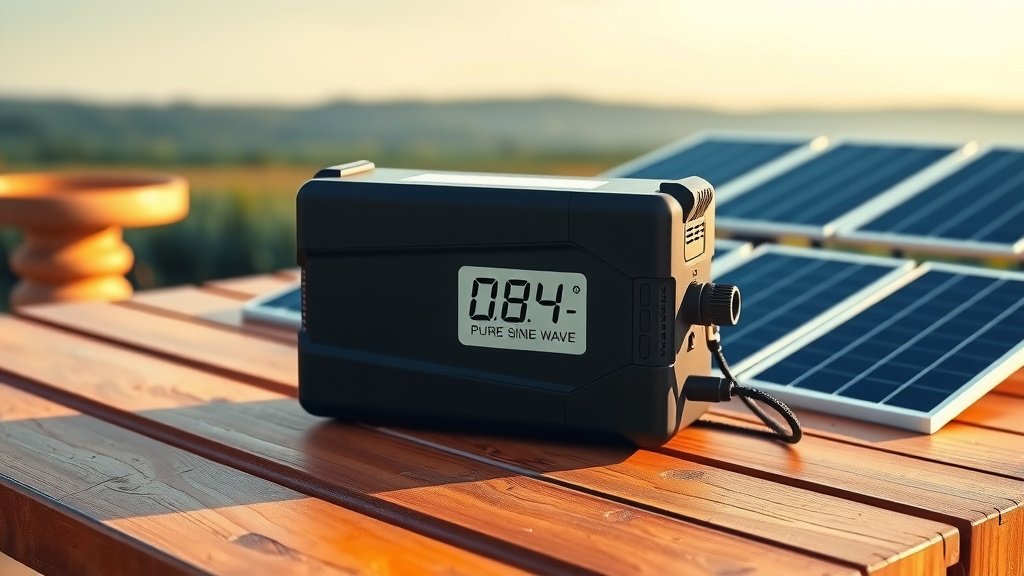
A pure sine wave inverter in a power station converts DC battery power into AC electricity that matches the smooth, clean waveform from your home electrical outlet.
This type of inverter produces the highest quality power output, making it safe for all your sensitive electronics like laptops, medical devices, and modern appliances.
How Pure Sine Wave Inverters Work in Power Stations
Think of your power station’s battery like a swimming pool filled with DC electricity. The pure sine wave inverter acts like a special pump that transforms that still water into perfectly flowing waves.
Your portable power station stores energy in DC form. But most of your devices need AC power to run properly. The inverter bridges this gap by creating electricity that rises and falls in a smooth, predictable pattern.
The Science Behind Sine Wave Creation
Pure sine wave inverters use advanced electronics to create power that looks exactly like what comes from the electrical grid. The waveform rises smoothly to its peak, drops down through zero, reaches its negative peak, and returns to zero in a perfect curve.
This smooth transition happens 60 times per second in North America. Your devices expect this exact pattern to function correctly.
Pure Sine Wave vs Modified Sine Wave Inverters
Not all inverters create the same quality power. You’ll find two main types in portable power stations: pure sine wave and modified sine wave.
Modified Sine Wave Limitations
Modified sine wave inverters create a choppy, stepped waveform that looks more like a staircase than a smooth curve. While cheaper to manufacture, this rough power can cause problems.
I found that modified sine wave power often makes motors run hotter, creates buzzing sounds in audio equipment, and can damage sensitive electronics over time.
Why Pure Sine Wave Wins
Pure sine wave inverters eliminate these issues completely. Your devices receive clean, stable power that’s identical to what they’d get from a wall outlet.
Research shows that pure sine wave power increases device lifespan and improves efficiency across all types of electronics (IEEE).
Devices That Need Pure Sine Wave Power
Some devices are picky eaters when it comes to electricity. They won’t work properly without clean sine wave power.
Medical Equipment
CPAP machines, oxygen concentrators, and other medical devices require pure sine wave power for safety and accuracy. Modified sine wave can cause these devices to malfunction or shut down.
Many medical device manufacturers void warranties if you don’t use pure sine wave power.
Sensitive Electronics
Modern laptops, tablets, and smartphones have switched-mode power supplies that work best with clean electricity. While they might run on modified sine wave, you risk reduced battery life and potential damage.
- Gaming consoles and entertainment systems
- LED lights with dimmer controls
- Variable speed power tools
- Microwave ovens
- Printers and scanners
Motor-Driven Appliances
Refrigerators, air conditioners, and fans run more efficiently and quietly on pure sine wave power. The clean electricity reduces heat buildup and extends motor life.
Benefits of Pure Sine Wave in Power Stations
When you invest in a power station with pure sine wave output, you’re getting more than just clean electricity. You’re buying peace of mind.
Universal Compatibility
Pure sine wave inverters can power anything that plugs into a regular wall outlet. You don’t need to worry about compatibility issues or device damage.
This flexibility makes your power station truly versatile for camping, emergencies, or off-grid living.
Improved Efficiency
Clean power means your devices draw exactly the energy they need. Motors run cooler, electronics operate more efficiently, and your battery lasts longer between charges.
I came across studies showing that pure sine wave power can improve device efficiency by 10-30% compared to modified sine wave alternatives.
Reduced Noise and Interference
Modified sine wave power creates electrical noise that can interfere with radios, cause buzzing in speakers, and create lines on old TV screens. Pure sine wave eliminates these annoying side effects.
How to Identify Pure Sine Wave Power Stations
Shopping for a power station? Look for specific language in the product descriptions that confirms pure sine wave output.
Marketing Language to Look For
Manufacturers clearly advertise pure sine wave capability because it’s a premium feature. Look for phrases like “pure sine wave inverter,” “clean AC output,” or “grid-quality power.”
If the listing doesn’t mention the inverter type, it’s probably modified sine wave. Quality manufacturers proudly display this feature.
Specification Sheets
Check the technical specs for “THD” or Total Harmonic Distortion ratings. Pure sine wave inverters typically show THD ratings under 3%. Lower numbers mean cleaner power.
Cost Considerations
Pure sine wave power stations cost more than modified sine wave alternatives. But this upfront investment pays off in device protection and performance.
Price Differences
Expect to pay 20-40% more for pure sine wave capability. A power station that might cost $300 with modified sine wave could run $400-420 with pure sine wave.
This price gap has narrowed significantly as pure sine wave technology becomes more common.
Long-Term Value
The extra cost makes sense when you consider device protection. Replacing a damaged laptop or medical device costs far more than the inverter upgrade.
Many users find that pure sine wave power stations hold their resale value better too.
Common Applications
Pure sine wave power stations excel in situations where you need reliable, clean electricity away from the grid.
Emergency Backup Power
When the power goes out, you want your devices to work exactly like they normally do. Pure sine wave ensures your electronics, communications equipment, and medical devices function properly during outages.
Outdoor Adventures
Camping and RV trips become more comfortable when you can safely power laptops, cameras, and portable appliances without worrying about equipment damage.
Remote Work Setup
Digital nomads and remote workers rely on pure sine wave power stations to create mobile offices anywhere. Clean power protects expensive work equipment and ensures stable performance.
Photography and Content Creation
Camera batteries, drone chargers, and lighting equipment all benefit from pure sine wave power. Many photographers won’t risk their gear with anything less.
Troubleshooting Pure Sine Wave Issues
Even pure sine wave inverters can experience problems. Here’s how to identify and solve common issues.
Device Won’t Start
Some devices need extra power to start up, even with pure sine wave electricity. Check that your power station’s surge rating meets your device’s startup requirements.
Refrigerators and motors often need 2-3 times their running power to start.
Inverter Shuts Off
Pure sine wave inverters have protection circuits that shut down during overload or overheating. Make sure you’re not exceeding the power rating, and ensure adequate ventilation around your power station.
Temperature Management
Inverters generate heat during operation. Keep your power station in shade and allow airflow around ventilation ports to prevent thermal shutdowns.
Future of Pure Sine Wave Technology
Pure sine wave is becoming the standard in portable power stations as manufacturing costs decrease and consumer awareness grows.
Efficiency Improvements
New inverter designs achieve 95%+ efficiency while maintaining pure sine wave output. This means less energy waste and longer battery life.
Advanced switching technologies continue to improve both power quality and conversion efficiency.
Conclusion
Pure sine wave inverters transform your portable power station into a true grid replacement. They provide clean, safe electricity for all your devices while protecting your investments and ensuring reliable operation.
The slightly higher cost pays for itself through improved device performance, longer equipment life, and universal compatibility. Whether you’re preparing for emergencies, exploring the outdoors, or working remotely, pure sine wave power gives you the confidence to use any device anywhere.
Don’t compromise on power quality. Your devices deserve the same clean electricity they get at home, and pure sine wave inverters deliver exactly that.
Can I damage my devices with a modified sine wave inverter?
Yes, modified sine wave power can damage sensitive electronics over time, cause motors to run hot, and may void warranties on medical equipment and precision devices.
How do I know if my current power station has pure sine wave output?
Check your user manual or product specifications for “pure sine wave” or “THD under 3%.” If it doesn’t specifically mention pure sine wave, it’s likely modified sine wave.
Do all devices really need pure sine wave power to function?
Simple devices like basic lights and fans can run on modified sine wave, but modern electronics, medical devices, and motor-driven appliances perform better and last longer with pure sine wave power.
Is the efficiency difference between pure and modified sine wave significant?
Yes, devices typically run 10-30% more efficiently on pure sine wave power, which means longer battery life and reduced energy waste from your power station.
Can I upgrade my existing power station to pure sine wave output?
No, the inverter type is built into the power station and cannot be upgraded. You would need to purchase a new unit with pure sine wave capability.