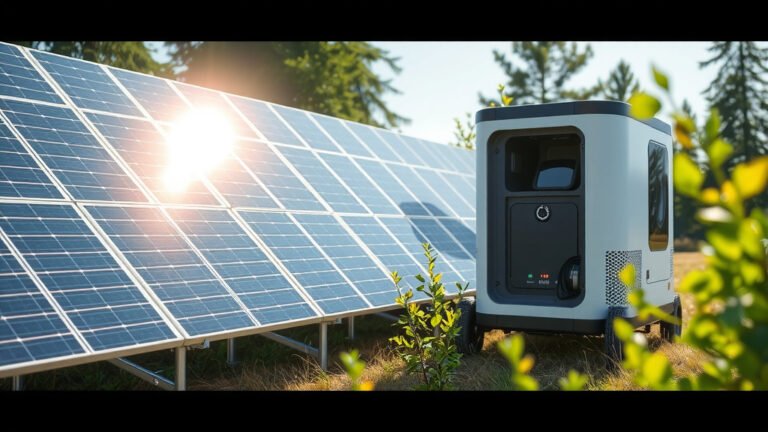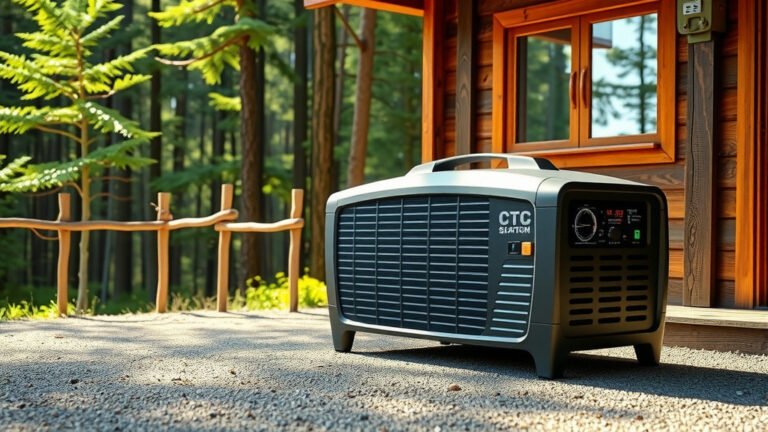
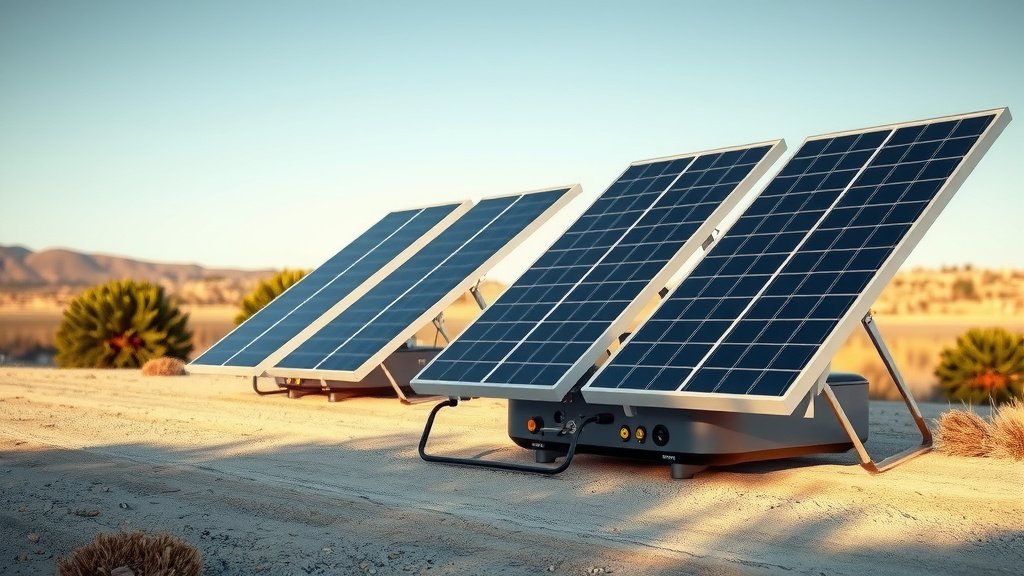
Portable power stations achieve silent operation primarily by using advanced battery technology, like lithium-ion, and eliminating noisy combustion engines found in traditional generators.
Instead, they rely on efficient, often fan-less or smart cooling systems, combined with advanced internal design and quality components, to dissipate heat quietly and prevent vibration-induced noise.
TL;DR: Here’s a quick look at why portable power stations are so quiet:
- They run on batteries, making them inherently much quieter than gas generators.
- Advanced cooling systems, sometimes without fans, help manage heat silently.
- High-quality inverters reduce electrical humming sounds.
- Smart internal designs and vibration dampening materials keep noise levels low.
- You’ll find them perfect for indoor use, camping, or any place needing peace and quiet.
How Does Silent Operation Work In Portable Power Station?
Portable power stations achieve silent operation because they run on internal batteries, not noisy gasoline engines. They use quiet internal components and thoughtful design to make very little sound.
Why Does Silence Matter for Your Power Needs?
Imagine camping under the stars, or enjoying a calm evening on your patio. A noisy generator would definitely spoil the peace, right? We found that silence is truly golden for many users, especially when you need power close by.
Perhaps you’re working late in your home office or managing an event where quiet is a must. Loud noises can be a real distraction. A silent power station ensures your environment stays calm and focused.
Key Components for a Quiet Power Station
Several parts work together to keep your power station quiet. It’s not just one thing; it’s a team effort. Many experts say that thoughtful engineering and design make a significant difference in noise reduction.
The Role of Battery Chemistry
Most portable power stations use modern lithium-ion batteries, especially LiFePO4 (lithium iron phosphate). Unlike old lead-acid batteries, these modern batteries don’t make noise when charging or discharging power. They simply store and release electricity quietly.
Fan-less or Smart Cooling Systems
Heat is a byproduct when electronics are working hard. To keep cool without loud fans, some stations use advanced passive cooling. Others have fans that only run when absolutely needed, at very low speeds, or with quiet motor designs. This minimizes audible airflow.
Inverter Technology Explained
The inverter inside a portable power station changes battery power (DC) to household power (AC). High-quality pure sine wave inverters are much more efficient. They also produce less electrical “buzz” or humming compared to older, less sophisticated inverter types.
Internal Design Choices That Minimize Noise
Beyond the main electrical parts, how a portable power station is built inside really counts. Think of it like a soundproof room for all the components. The internal structure plays a big part in keeping things quiet.
Advanced Casing and Material Selection
Manufacturers often use special casings, typically made of durable plastics or robust aluminum. These materials are chosen specifically for their ability to absorb and dampen sound. This prevents internal noises from easily escaping the unit.
Isolation and Damping Techniques
Inside the casing, components like the battery pack, circuit boards, and inverter are often mounted with rubber or silicone dampeners. This stops vibrations from one part from shaking the entire unit. Such isolation is key to silent operation.
Comparing Quiet Power Stations to Traditional Generators
This is where you see a huge difference. Traditional generators rely on internal combustion, which is inherently loud and requires fuel. Portable power stations are a completely different power source.
Many guidelines point to the fact that power stations simply don’t have the moving parts that create sound like an engine (EPA).
| Feature | Portable Power Station | Traditional Gas Generator |
|---|---|---|
| Noise Level | Very Quiet (Often <40 dB) | Loud (Often 60-80 dB) |
| Fuel Type | Electricity (Rechargeable Battery) | Gasoline, Propane, Diesel |
| Emissions | Zero Emissions | Exhaust Fumes (CO, NOx, etc.) |
| Maintenance | Low (No engine oil, spark plugs) | High (Engine tune-ups, fuel storage) |
| Indoor Use | Safe and Recommended | Not Safe (Carbon Monoxide Risk) |
What to Look for When Choosing a Quiet Power Station
You want a quiet one, but how do you pick the right model? It’s easier than you think if you know what features matter most. Pay attention to the specifications and design details.
Here’s a helpful checklist:
- Check the Decibel (dB) Rating: Lower numbers mean quieter operation.
- Look for LiFePO4 Batteries: These are known for stability and quiet performance.
- Review the Cooling System: Prioritize fan-less or smart, quiet fan designs.
- Confirm Pure Sine Wave Inverter: Essential for clean power and less buzz.
- Read User Reviews: What do real people say about the noise?
- Consider the Brand Reputation: Well-known brands often invest in noise reduction.
Is a Truly “Silent” Power Station Possible?
“Silent” is a strong word, isn’t it? While no electronic device can be completely silent (there’s always some minimal electrical activity), portable power stations get very close. They often operate at decibel levels that are barely noticeable.
You might hear a soft hum, or a gentle click, but usually nothing disruptive. The goal is to be as quiet as your refrigerator or even quieter than that, making them unobtrusive in most settings.
Understanding Decibel Ratings (dB)
Knowing decibel ratings helps you understand how quiet a unit truly is. A whisper is about 30 dB. A normal conversation is around 60 dB. A good portable power station will operate closer to that whisper range, often below 40 dB.
Research often connects sound levels below 40 dB with minimal disturbance (NIH). So, when you see a power station rated at 35 dB, you know it will be very quiet, even in a calm room.
Maintenance Tips for Keeping Your Unit Quiet
Want to keep your power station purring (or barely purring at all)? A little care goes a long way. Proper maintenance helps ensure that its noise-reducing features continue to work as intended.
Always keep the vents clear of dust and debris. Blocked vents can make cooling fans work harder and louder. Also, avoid overloading the unit, as this can cause components to heat up and fans to kick in more frequently.
Store your power station in a clean, dry place. Extreme temperatures can affect performance and potentially cause components to wear out faster, which might lead to increased noise over time.
Conclusion
Portable power stations offer a fantastic solution for clean, portable energy, and their silent operation is a major benefit. By using advanced battery technology, smart cooling systems, and clever internal design, these units provide power without the disruptive noise of traditional generators.
Whether you’re looking to power a camping trip, a backyard gathering, or provide backup for your home office, a quiet portable power station lets you enjoy reliable energy in peace. Understanding how these features work helps you choose the perfect model for your needs, ensuring your power is seen, but definitely not heard.
Can I use a portable power station indoors safely?
Yes, absolutely! Portable power stations are designed for safe indoor use because they run on batteries and produce no toxic fumes like carbon monoxide. This makes them ideal for homes, offices, and even apartments.
Do silent power stations cost more than louder ones?
Generally, models that prioritize quiet operation often incorporate more advanced technologies and materials, which can sometimes lead to a slightly higher price point. However, the benefits of peace and quiet often outweigh the extra cost for many users.
How long does a quiet power station last on one charge?
The runtime of a portable power station depends heavily on its battery capacity (measured in Watt-hours, Wh) and the power draw of the devices you connect. A larger capacity means longer run times for all your gear.
Are all portable power stations silent?
Most portable power stations are significantly quieter than traditional generators, but not all are “silent.” Some might have small cooling fans that produce a low hum. It’s best to check the decibel rating in the product specifications to confirm its actual noise level.
What’s the quietest decibel level I should aim for in a power station?
For truly quiet operation, we found that aiming for a portable power station with a decibel rating of 40 dB or lower is ideal. Many experts say anything below 40 dB is comparable to a quiet room or a soft whisper, making it virtually unnoticeable in most environments.