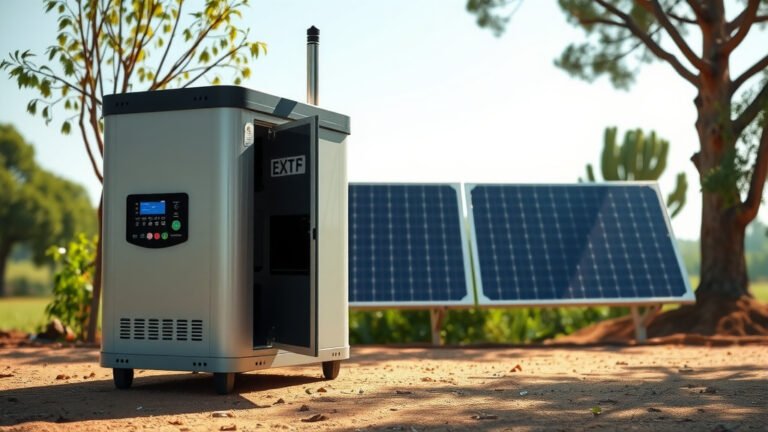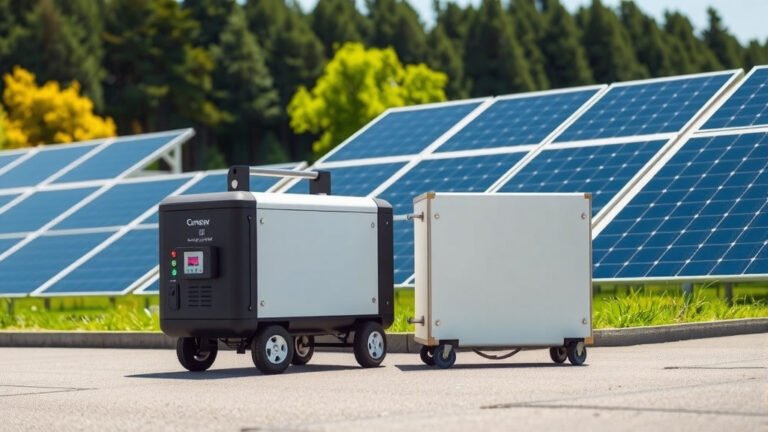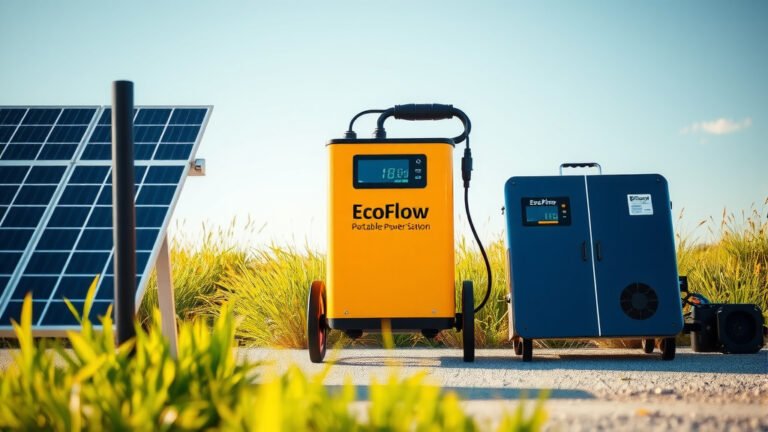

Yes, a solar generator is excellent for boondocking because it provides reliable, quiet power without needing hookups or fuel refills.
Solar generators let you camp off-grid for days or weeks while still powering essential devices like lights, phones, and small appliances.
What Makes Solar Generators Perfect for Boondocking
Boondocking means camping without electrical hookups. You’re on your own for power. That’s where solar generators shine.
Think of a solar generator as your personal power company. It stores energy during sunny days and feeds your devices when you need them. No noise, no gas fumes, no midnight fuel runs.
Silent Operation Keeps You Comfortable
Gas generators sound like chainsaws at 6 AM. Your neighbors won’t appreciate that wake-up call.
Solar generators run silently. You can charge your phone next to your pillow without any noise. Perfect for peaceful camping.
No Fuel Costs or Refill Trips
Gas generators need constant feeding. You’ll spend money on fuel and time finding gas stations in remote areas.
Solar generators eat sunlight for free. Once you buy the unit, your fuel costs drop to zero. Just park in sunny spots and let nature do the work.
How Much Power Do You Actually Need
Before buying anything, figure out your power appetite. Most boondockers need 200-500 watts per day.
Essential Device Power Requirements
Let me break down what your gear really uses:
- Phone charging: 10-15 watts
- LED lights: 5-10 watts per bulb
- Laptop: 45-65 watts
- Small fridge: 40-60 watts
- Water pump: 35-50 watts
- Fan: 15-25 watts
Add up your essentials. That’s your minimum power budget. Smart boondockers add 25% extra for unexpected needs.
High-Power Devices to Avoid
Some appliances are power vampires. They’ll drain your solar generator fast:
- Hair dryers (1000+ watts)
- Microwaves (700-1200 watts)
- Space heaters (1000-1500 watts)
- Coffee makers (800-1200 watts)
Save these for hookup camping. Your solar generator will thank you.
Battery Capacity You Should Target
Battery size determines how long you can run without sun. Think of it like a gas tank for electricity.
Weekend Warriors Need Less Storage
Planning 2-3 day trips? A 300-500 watt-hour battery works fine. You’ll get enough juice for phones, lights, and small devices.
Research shows most weekend campers use about 150 watt-hours daily for basic needs.
Extended Boondocking Requires More Power
Week-long adventures need bigger batteries. Target 1000+ watt-hours for comfortable extended stays.
Cloudy days happen. Having extra capacity means you won’t go dark when weather doesn’t cooperate.
Solar Panel Size and Charging Speed
Your solar panels are like the engine filling your power tank. Bigger panels charge faster.
Minimum Panel Wattage Guidelines
Match panel size to your daily power use. Here’s what works:
| Daily Power Use | Recommended Panel Size | Charging Time |
|---|---|---|
| 100-200 watt-hours | 100-150 watts | 4-6 hours |
| 200-400 watt-hours | 200-300 watts | 5-7 hours |
| 400+ watt-hours | 400+ watts | 6-8 hours |
Weather Affects Charging Performance
Perfect sun gives you full panel output. Real life gives you less.
Cloudy skies cut charging by 50-80%. Plan for bad weather days when shopping for panel size.
Seasonal Considerations Matter Too
Winter sun sits lower and weaker than summer rays. Your 400-watt panel might only produce 250 watts in December.
Smart boondockers oversize their panels by 25-50% for year-round reliability.
Best Solar Generator Features for Off-Grid Camping
Not all solar generators work great for boondocking. Look for these must-have features.
Multiple Output Options
You need different plugs for different gear. Good units offer:
- AC outlets for laptops and appliances
- USB ports for phones and tablets
- 12V outlets for car accessories
- DC barrel plugs for specialized gear
Fast Charging Capabilities
Some generators charge from empty to full in 2-3 hours. Others take 8-12 hours.
Faster charging means more flexibility. You can top off quickly during peak sun hours.
Multiple Input Methods
The best units charge from solar panels, car outlets, and wall plugs. This gives you backup options when solar isn’t enough.
Expandable Battery Systems
Start small and grow later. Some generators let you add extra batteries as your needs change.
This saves money upfront while keeping upgrade paths open.
Size and Weight Considerations
Boondocking often means carrying gear to remote spots. Weight matters.
Portable vs Stationary Units
Units under 30 pounds move easily between your car, RV, and campsite. Heavier units stay put once positioned.
Consider your camping style. Car campers can handle bigger units. Backpackers need ultralight options.
Setup and Storage Space
Measure your storage space before buying. Some units look compact online but feel huge in small RVs.
Folding solar panels save space but cost more than rigid panels. Pick based on your storage situation.
Real-World Performance Expectations
Marketing numbers look perfect. Real camping gives you different results.
Actual vs Rated Battery Life
That 1000 watt-hour battery won’t give you exactly 1000 usable watt-hours. You’ll get 80-90% in real use.
Power conversion loses energy as heat. Factor this into your planning.
Temperature Effects on Performance
Cold weather hurts battery performance. Your generator might lose 20-30% capacity in freezing temperatures.
Hot weather also reduces efficiency. Keep units shaded when possible.
Panel Positioning Makes a Big Difference
Panels facing directly at the sun produce maximum power. Even 30 degrees off-angle cuts output significantly.
Adjustable panel mounts help you track the sun throughout the day for better charging.
Cost Analysis: Solar vs Gas Generators
Solar generators cost more upfront but save money long-term.
Initial Investment Comparison
Decent solar generators start around $500-800. Quality gas generators cost $300-600.
Solar wins after 2-3 years of regular use when you factor in fuel savings and maintenance.
Operating Cost Differences
Gas generators need fuel, oil changes, and spark plug replacements. Budget $100-200 yearly for maintenance.
Solar generators need almost nothing. Maybe a battery replacement after 5-10 years.
Common Boondocking Challenges and Solutions
Every boondocker faces power problems. Here’s how solar generators solve them.
Dealing with Multiple Cloudy Days
Three gray days in a row will test any solar setup. Smart boondockers have backup plans.
Car charging cables let you top off from your vehicle’s alternator. Drive 30 minutes for emergency power.
Managing Power During Peak Usage Times
Evening hours see the highest power demand. Lights, devices charging, and entertainment all happen after sunset.
Charge everything during peak sun hours. Use timers and smart plugs to spread out power usage.
Power Conservation Strategies
Small changes add up to big power savings:
- Use LED lights instead of incandescent bulbs
- Charge devices during sunny hours
- Turn off phantom loads from standby electronics
- Use fans instead of air conditioning when possible
Maintenance and Longevity Tips
Take care of your solar generator and it’ll serve you for years.
Battery Health Best Practices
Lithium batteries last longest when kept between 20-80% charge. Avoid completely draining or overcharging.
Store units at partial charge in cool, dry places during off-season.
Panel Care and Cleaning
Dirty panels produce less power. Clean them monthly with soap and water during camping season.
Check connections regularly. Loose wires cause power loss and safety hazards.
Conclusion
Solar generators are excellent for boondocking because they provide quiet, reliable power without ongoing fuel costs. They let you camp off-grid comfortably while powering essential devices.
Choose a unit with enough battery capacity for your daily needs plus 25% extra. Match solar panel size to your power consumption and local weather patterns. Focus on features like multiple outlets, fast charging, and expandable batteries.
Yes, solar generators cost more upfront than gas units. But they pay for themselves through fuel savings and maintenance-free operation. For peaceful, sustainable boondocking, solar power is hard to beat.
Can a solar generator power an RV air conditioner while boondocking?
Most solar generators cannot run RV air conditioners effectively. AC units need 1200-1500 watts continuously, which drains even large batteries in 1-2 hours. You’d need a massive, expensive solar setup for AC power while boondocking.
How many days can you boondock with a solar generator?
With proper sizing and sunny weather, you can boondock indefinitely with a solar generator. Most setups comfortably support 7-14 days of normal use. Battery capacity and daily power consumption determine your specific limits.
Do solar generators work in winter camping conditions?
Solar generators work in winter but with reduced performance. Cold temperatures cut battery capacity by 20-30%, and shorter days with weaker sun reduce charging significantly. You’ll need larger panels and batteries for winter boondocking success.
What happens if your solar generator breaks while boondocking?
Always bring backup power options like car charger cables and portable battery banks. Many solar generators offer phone app diagnostics to troubleshoot problems remotely. Consider units with good warranty coverage and customer support for remote areas.
Can you charge a solar generator from your vehicle while driving?
Yes, most solar generators can charge from your vehicle’s 12V outlet while driving. This provides backup charging during cloudy weather or travel days. Charging speed varies but typically takes 4-8 hours to fully charge from a car outlet.