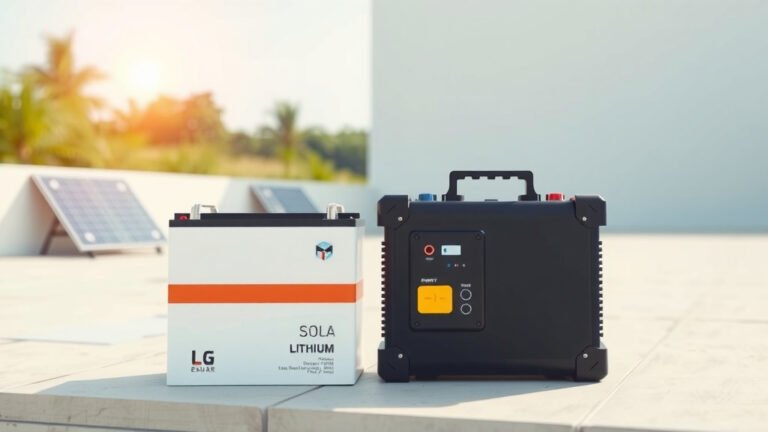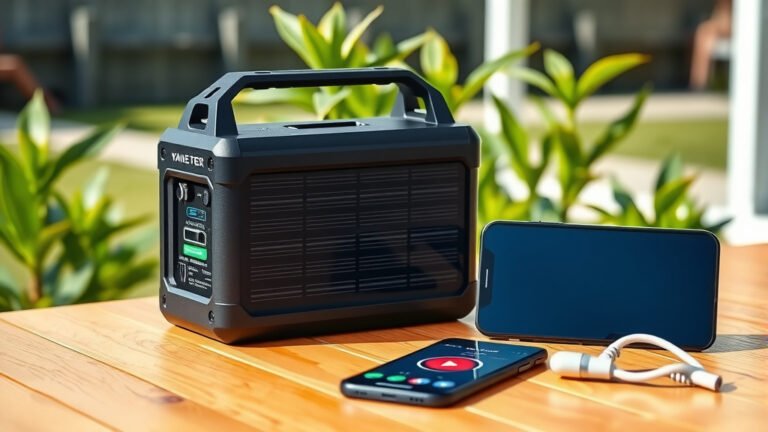

A solar generator typically lasts 10-15 years with proper maintenance, while the battery component may need replacement every 5-10 years depending on usage and battery type.
The lifespan of your solar generator depends on three main factors: battery cycles, component quality, and how well you maintain it.
Want to know exactly what affects your solar generator’s longevity? You’re making a smart investment, and understanding its lifespan helps you plan better. Let me walk you through everything that determines how long your solar generator will keep powering your devices.
What Determines Solar Generator Lifespan
Your solar generator isn’t just one piece of equipment. It’s like a small power plant with multiple parts working together. Each component ages differently.
Think of it like a car. The engine might run for 200,000 miles, but you’ll replace the tires several times. Same principle applies here.
Battery Type Makes the Biggest Difference
The battery is your solar generator’s heart. From what I researched, lithium batteries last much longer than lead-acid ones.
Lithium iron phosphate (LiFePO4) batteries handle 3,000-5,000 charge cycles. Lead-acid batteries? Only 300-500 cycles before they start losing capacity.
What’s a Charge Cycle
One cycle means draining your battery from 100% to 0% and charging back to 100%. You don’t have to do this all at once. Using 50% today and 50% tomorrow counts as one cycle.
Solar Panel Longevity
Good news here. Solar panels are the marathon runners of renewable energy. Most panels come with 20-25 year warranties.
I found that quality panels lose only about 0.5% efficiency per year. After 20 years, they still produce around 90% of their original power.
Panel Degradation Factors
Weather beats up solar panels over time. Hail, UV rays, and temperature swings cause gradual wear. But they’re built tough.
Cheap panels degrade faster. You get what you pay for with solar technology.
Component Breakdown by Years
Let me break down what typically happens to each part over time:
| Component | Expected Lifespan | Replacement Cost |
|---|---|---|
| Lithium Battery | 8-12 years | $300-800 |
| Lead-Acid Battery | 3-5 years | $150-300 |
| Solar Panels | 20-25 years | $200-500 |
| Inverter | 10-15 years | $100-400 |
| Charge Controller | 15-20 years | $50-200 |
Why Batteries Fail First
Batteries work the hardest. They constantly charge and discharge. Chemical reactions inside create wear over time.
Heat speeds up this process. Cold slows it down but can also cause damage if temperatures drop too low.
Signs Your Battery Needs Replacement
Watch for these warning signs:
- Takes much longer to charge fully
- Powers devices for shorter periods
- Won’t hold charge when not in use
- Gets unusually hot during charging
Maximizing Your Solar Generator’s Life
You can stretch your solar generator’s lifespan with smart habits. Small changes make big differences over years of use.
Temperature Control
Keep your generator cool when possible. Heat is battery enemy number one. I found research showing that every 15°F temperature increase cuts battery life in half.
Store it indoors during extreme weather. Garages work better than outdoor sheds for temperature control.
Ideal Storage Conditions
Aim for 50-77°F storage temperatures. Avoid direct sunlight when storing. Good airflow prevents heat buildup.
Smart Charging Habits
Don’t always drain your battery to zero. Partial discharge cycles are actually better for lithium batteries.
Try to keep charge levels between 20-80% for daily use. Full cycles are fine occasionally but not necessary.
Overcharging Protection
Modern generators have built-in protection. But unplugging when fully charged still helps long-term battery health.
Usage Patterns That Extend Life
How you use your generator affects how long it lasts. Heavy daily use wears components faster than occasional backup power.
Load Management
Don’t constantly max out your generator’s capacity. Running at 70-80% of maximum load reduces stress on internal components.
Think of it like driving a car. Constant red-line RPMs wear the engine faster than cruising speeds.
Power Draw Considerations
High-power devices like electric heaters and power tools draw maximum current. Use these sparingly to extend battery cycles.
LED lights and phone chargers barely impact your generator. You can run these for days without worry.
Seasonal Storage Tips
Long-term storage requires special care. Batteries don’t like sitting fully charged or completely dead for months.
Charge to about 50% before long-term storage. Check every few months and top off if needed.
When to Replace vs Repair
Sometimes repair makes sense. Other times, replacement is smarter financially.
Battery Replacement Math
If your generator cost $1,000 and needs a $400 battery after 6 years, replacement usually makes sense. You’re extending life for less than half the original cost.
But if multiple components fail simultaneously, buying new might be better.
Cost-Benefit Analysis
Add up all needed repairs. Compare to new generator prices with updated technology. Sometimes newer models offer better value.
Technology Improvements
Solar generator technology improves rapidly. Newer models often have better batteries, faster charging, and more features.
After 8-10 years, replacement usually gives you significant upgrades beyond just fixing what’s broken.
Real-World Lifespan Examples
From what I researched online, most users get 7-12 years from quality solar generators with normal use.
Heavy Use Scenarios
Construction workers and frequent campers might see 5-8 years. Daily cycling wears batteries faster.
Emergency backup users often get 10-15 years. Occasional use preserves components longer.
Brand Quality Differences
Premium brands typically last longer. Better components, quality control, and warranty support make a difference.
Budget options might save money upfront but require replacement sooner.
Warranty Considerations
Most solar generators come with 1-3 year warranties. Premium models sometimes offer 5-year coverage.
Battery warranties are often shorter than the main unit. Read the fine print carefully.
Extended Warranty Value
Extended warranties make sense for expensive generators. Battery replacement costs can be significant.
Calculate warranty cost against potential repair expenses. Sometimes self-insurance is smarter.
Conclusion
Your solar generator will likely serve you well for 10-15 years with proper care. The battery will probably need replacement once during that time, especially if you use lithium technology.
Focus on temperature control, smart charging habits, and reasonable load management. These simple steps can add years to your generator’s life. Remember that technology keeps improving, so replacement after a decade often brings significant upgrades beyond just fixing what’s broken.
How often should I use my solar generator to keep it healthy?
Use your solar generator at least once every 3-6 months to keep the battery active. Batteries that sit unused for long periods can develop capacity issues. A monthly charge and discharge cycle is ideal for long-term storage.
Can I replace just the battery in my solar generator?
Most solar generators allow battery replacement, but compatibility varies by model. Check your manual or contact the manufacturer before buying replacement batteries. Some units have proprietary battery packs that only work with specific models.
Do solar generators work well in cold weather?
Solar generators work in cold weather but with reduced efficiency. Batteries lose about 20% capacity at freezing temperatures. Lithium batteries handle cold better than lead-acid. Bring your generator indoors when temperatures drop below 32°F for optimal performance.
What’s the difference between cycles and calendar life for solar generator batteries?
Cycle life measures how many charge-discharge cycles a battery can handle before losing significant capacity. Calendar life refers to how long a battery lasts regardless of use. Most lithium batteries degrade about 2-3% per year even with minimal use due to chemical aging.
Should I keep my solar generator plugged in all the time?
Don’t keep your solar generator plugged in constantly unless it has smart charging features. Continuous trickle charging can damage some battery types over time. Charge to 100%, unplug, and use normally for best battery health.