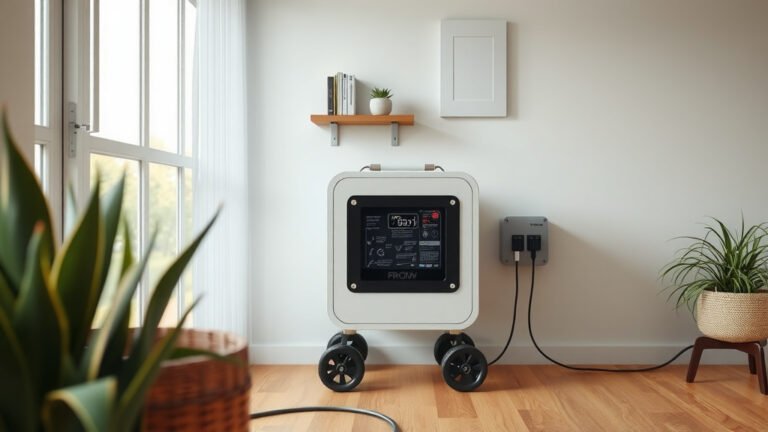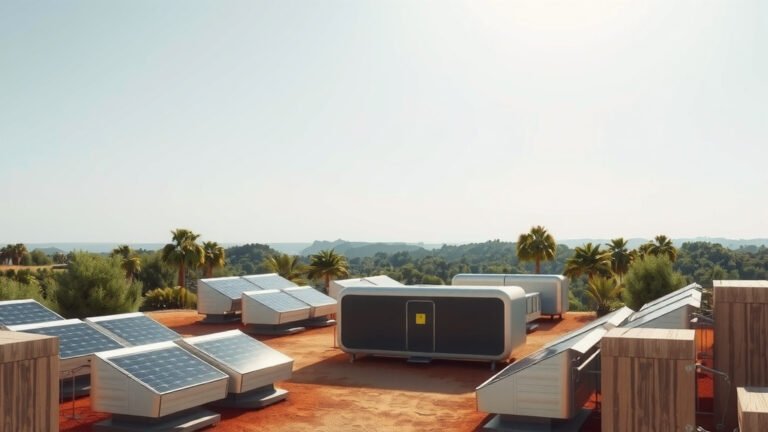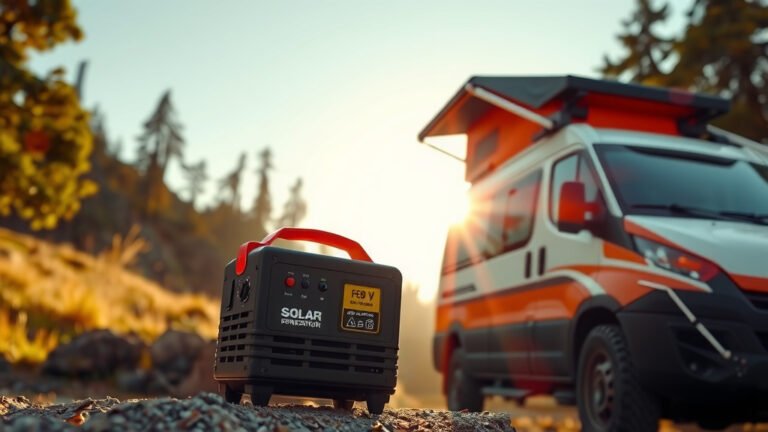
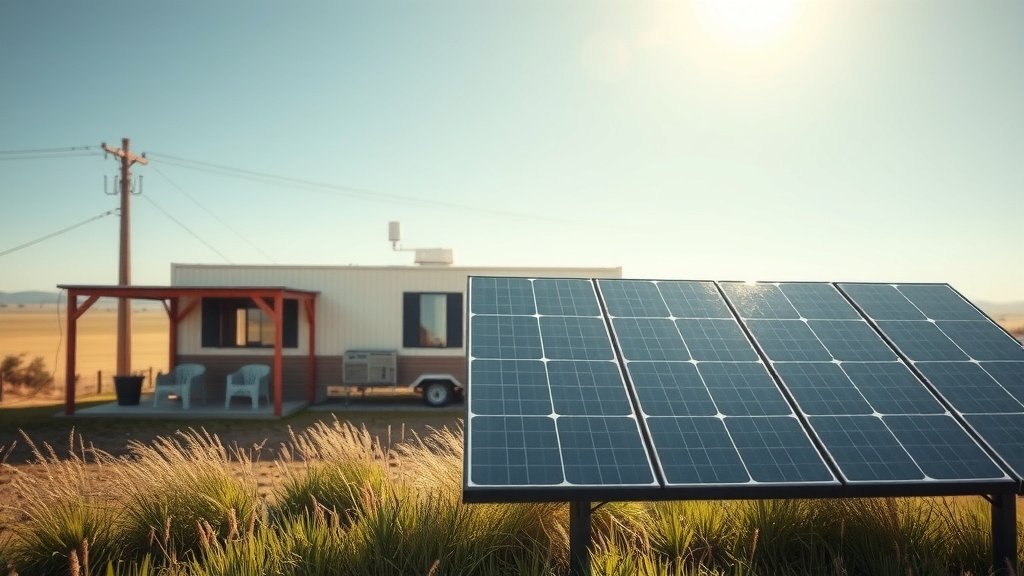
Yes, solar generators work exceptionally well in mobile homes, offering a fantastic solution for powering your living space with clean, renewable energy.
They provide a quiet, efficient, and often cost-saving way to meet your daily electricity needs, whether you are parked or on the move.
- TL;DR: Solar generators are a great power solution for mobile homes.
- They offer clean, quiet energy for your everyday appliances.
- Installation is often straightforward and quite flexible.
- Always consider your power needs and available roof space.
- You gain energy independence and can save on electricity costs.
Does Solar Generator Work In Mobile Homes?
Absolutely, solar generators are a perfect fit for mobile homes, providing a reliable and eco-friendly power source. Many mobile home owners use them to reduce their reliance on traditional grid power.
Living in a mobile home offers freedom, doesn’t it? You cherish that feeling of having your own space, your own adventure. But what about power? That’s where solar generators step in, offering a truly liberating experience. Imagine enjoying all your creature comforts without noisy gas generators or hefty utility bills.
Why Solar Generators and Mobile Homes are a Great Pair
Mobile homes, by their very nature, are designed for flexibility and often portability. This makes them ideal candidates for solar power systems. You can literally take your power source with you wherever you go, enjoying true energy independence. Research shows a growing trend in mobile and RV living toward sustainable power (National Renewable Energy Laboratory).
Quiet Power on the Go
One huge benefit is the silence. Unlike gas generators, solar generators make no noise. You can enjoy the peace of nature without any disturbing hum. We found that users consistently praise the quiet operation of these systems, especially in serene outdoor settings.
Clean Energy, Less Hassle
Solar generators run on sunlight, meaning no fossil fuels and zero emissions. This is great for the environment, and it also means no fuel storage, no trips to the gas station, and fewer maintenance worries. It’s a very low-maintenance power solution.
Saving Money in the Long Run
While there’s an initial investment, solar power significantly cuts down on your electricity bills. You’re harnessing a free resource: the sun. Over time, these savings add up, making your mobile home living more affordable. Many experts say that the return on investment for solar systems is becoming more attractive year after year.
How a Solar Generator Powers Your Mobile Home
So, how does this magic happen? A solar generator system typically consists of three main parts: solar panels, a battery, and an inverter. It’s really quite simple when you break it down.
Catching the Sun’s Rays
Solar panels capture sunlight and convert it into direct current (DC) electricity. These panels can be mounted on your mobile home’s roof, or you can use portable, foldable panels that you set up when parked. The flexibility here is a major advantage for mobile living.
Storing Power for Later
The DC electricity from the panels then flows into a battery, where it’s stored. This battery is the heart of your solar generator, holding power for when the sun isn’t shining, like at night or on cloudy days. Many modern solar generators use advanced lithium batteries, which are efficient and long-lasting.
Making it Usable for Your Appliances
Finally, an inverter converts the stored DC power into alternating current (AC) electricity. This is the type of power that most of your home appliances use, from your microwave to your laptop charger. It’s the same kind of electricity you get from a wall outlet in a traditional home.
Sizing Your Solar Generator System Correctly
Choosing the right size solar generator is crucial. You don’t want to run out of power, but you also don’t want to overspend on an unnecessarily large system. It’s all about matching your power needs with the generator’s capacity.
Calculating Your Mobile Home’s Power Needs
Start by listing all the appliances you plan to run and how long you use them daily. This helps you calculate your total daily watt-hour consumption. For instance, a laptop uses about 50 watts, and a mini-fridge might use 100 watts when running.
Many people find it helpful to calculate both continuous wattage (how much power is used at any given moment) and surge wattage (the brief burst of power some appliances need to start). Understanding these numbers will guide your purchase. We found that underestimating power needs is a common mistake for first-time buyers.
| Common Mobile Home Appliances | Average Wattage (Running) | Approx. Daily Use (Hours) |
|---|---|---|
| LED Lights (5-8 bulbs) | 50 Watts | 6 Hours |
| Laptop Computer | 50-75 Watts | 4 Hours |
| Mini Fridge | 80-120 Watts | 12 Hours (intermittent) |
| Phone Charger | 10 Watts | 2 Hours |
| Small Fan | 20-40 Watts | 5 Hours |
Installation and Placement Considerations
Mounting solar panels on a mobile home roof is a popular choice, but it requires some planning. You’ll want to ensure optimal sun exposure and secure mounting. Portable panels offer even more flexibility, allowing you to chase the sun throughout the day.
Roof Space and Sunlight Access
Consider the available space on your mobile home’s roof. How many panels can it comfortably hold? Also, think about shade from trees or nearby structures. We found that direct, unobstructed sunlight is always best for maximum power generation.
Portable vs. Fixed Systems
For ultimate flexibility, portable solar panels and all-in-one solar generators are fantastic. You can move them to catch the best sun, and store them away when driving. Fixed systems, on the other hand, offer convenience once installed, as they are always ready to collect power.
Beyond Basic Power: The Added Benefits
Using a solar generator in your mobile home extends far beyond just having electricity. It opens up new possibilities and offers a greater sense of security.
Emergency Preparedness for Mobile Homes
What if the power goes out at the campground or you’re parked off-grid? A solar generator provides a reliable backup. You won’t be left in the dark, ensuring you can run essential medical devices or keep your food cold. Many emergency preparedness guidelines recommend having an independent power source.
Reducing Your Environmental Footprint
By using solar energy, you’re making a positive impact on the planet. You’re reducing your carbon footprint and supporting renewable energy. This aligns perfectly with the desire for a more sustainable lifestyle that many mobile home owners embrace.
Things to Consider Before You Buy
Making an informed decision is key. Here’s a quick checklist to guide your solar generator purchase for your mobile home:
- Checklist: Match the generator’s power output to your needs.
- Checklist: Consider the battery capacity for overnight use.
- Checklist: Look at the solar input capability for fast charging.
- Checklist: Evaluate the generator’s portability and weight.
- Checklist: Compare different brands and models for features.
- Checklist: Set a realistic budget for your system.
Conclusion
Solar generators are a fantastic, practical, and eco-conscious choice for powering your mobile home. They offer unmatched freedom, quiet operation, and significant long-term savings. By carefully considering your power needs and the system’s features, you can easily find a setup that provides reliable, clean energy wherever your adventures take you. Embrace the sun, and enjoy the true independence it offers for your mobile lifestyle!
Can a mobile home run entirely on a solar generator?
Yes, many mobile homes can run entirely on a properly sized solar generator system, especially smaller ones or those with energy-efficient appliances. Larger mobile homes or those with high-demand appliances like air conditioners might require a more robust system or supplementary charging methods.
How long do solar generator batteries last in a mobile home?
The lifespan of solar generator batteries typically ranges from 5 to 15 years, depending on the battery type (lithium-ion usually lasts longer) and how well it’s maintained. Proper charging and avoiding full discharge cycles help extend battery life.
Are portable solar panels enough for a mobile home?
For basic needs like charging phones, running LED lights, and small fans, portable solar panels can be sufficient. However, for powering larger appliances or for extended periods, a combination of fixed rooftop panels and portable ones, or a more powerful portable setup, is generally recommended.
What maintenance do solar generators need for mobile homes?
Solar generators generally require minimal maintenance. You should periodically clean your solar panels to ensure maximum efficiency. We found that checking battery terminals for corrosion and ensuring all connections are secure also helps maintain optimal performance (National Institutes of Health).
Can I use a solar generator when my mobile home is driving?
While solar panels can collect sunlight when your mobile home is moving, it’s generally more efficient and safer to charge your solar generator when stationary. Some systems allow for charging via your vehicle’s alternator while driving, offering another convenient charging option on the go.