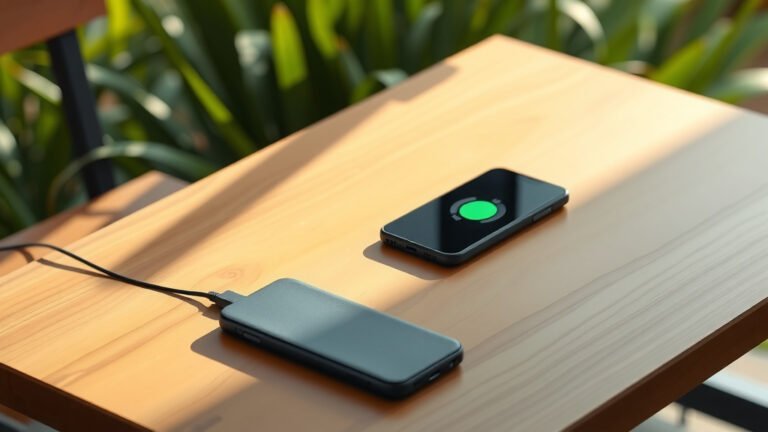
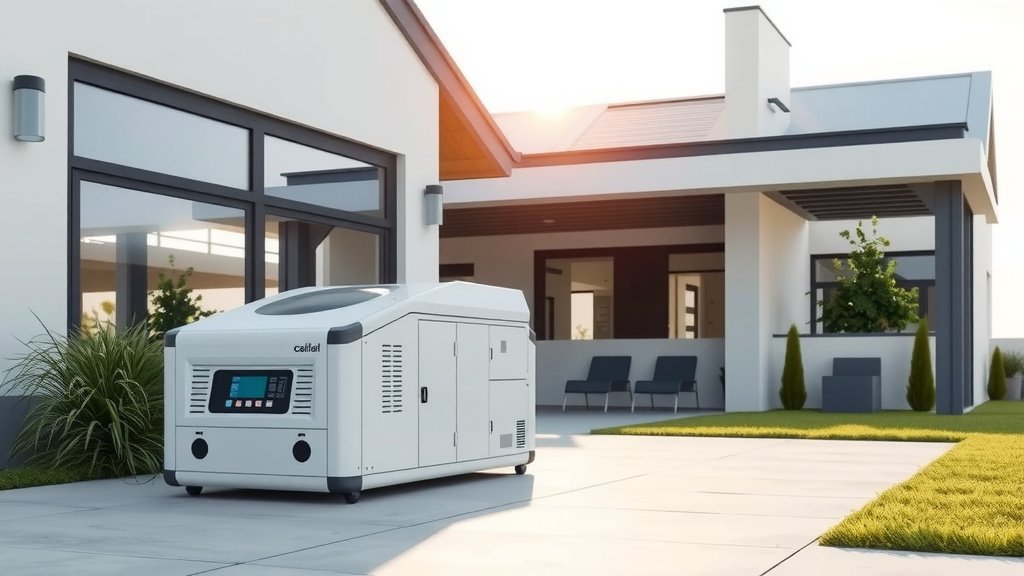
A solar generator can power a whole house temporarily, but it depends on the generator’s capacity and your home’s energy needs. Most portable solar generators handle essential appliances for several hours rather than full home power indefinitely.
To power your entire house with a solar generator, you’ll need a high-capacity unit (3000Wh or more) plus backup batteries and solar panels for continuous charging during daylight hours.
What Size Solar Generator Do You Need for Your House?
Your home’s power needs determine everything. The average American house uses about 30 kilowatt-hours (kWh) per day. That’s a lot of juice.
Think of it like this: if your house were a car, you’d need to know how many miles you drive daily before choosing a gas tank size. Same concept applies here.
Essential vs. Total Home Power
You have two choices when powering your home. Run everything at once, or pick the must-have items.
Essential power covers your refrigerator, lights, phone chargers, and maybe a fan. That’s roughly 3-5 kWh per day. Much more doable.
Total home power includes air conditioning, electric water heater, washer, dryer, and every gadget plugged in. This quickly adds up to 20-40 kWh daily.
Power Capacity You Actually Need
From what I researched, most homes can run basic functions on 2000-5000 watts of continuous power. Here’s the breakdown:
- Small home (under 1500 sq ft): 3000-5000Wh battery capacity
- Medium home (1500-2500 sq ft): 5000-10000Wh battery capacity
- Large home (over 2500 sq ft): 10000Wh+ battery capacity
Remember, bigger isn’t always better if you’re smart about energy use. You can stretch power much further by being selective.
How Long Can a Solar Generator Power Your Home?
Time depends on two things: battery size and how much power you’re using every hour.
Let’s say you have a 3000Wh solar generator. If you use 500 watts continuously, you get about 6 hours of power. Use 1000 watts? You get 3 hours.
Real-World Power Usage Examples
Here’s what common appliances actually consume:
| Appliance | Power Usage (Watts) | Hours on 3000Wh Generator |
|---|---|---|
| Refrigerator | 150-400W | 7-20 hours |
| LED Light Bulbs (5 bulbs) | 50W | 60 hours |
| Laptop | 50-100W | 30-60 hours |
| Window AC Unit | 1000-1500W | 2-3 hours |
| Microwave | 1000W | 3 hours |
Extending Your Power Duration
Smart energy management makes your generator last longer. Turn off what you don’t need right now.
Many people I’ve read about online use timers and power strips. They cycle appliances instead of running everything at once.
Solar Panel Requirements for Continuous Power
Solar panels recharge your generator during the day. Without enough panels, you’re just running on stored battery power until it dies.
You need roughly 400-800 watts of solar panels to keep a whole house system running. That’s 2-4 standard residential panels.
Charging Speed Reality Check
Solar charging takes time. A 400-watt solar panel setup might take 8-10 hours of good sunlight to fully charge a 3000Wh battery.
Weather affects everything. Cloudy days give you maybe 20-30% of normal charging power. Winter days are shorter too.
Peak Sun Hours Matter
Peak sun hours aren’t just daylight hours. They’re hours when solar panels work at full capacity.
Most areas get 4-6 peak sun hours daily. Places like Arizona get more. Seattle gets fewer. This directly affects how much power you can generate.
Best Solar Generators for Whole House Power
Not all solar generators can handle whole house power. You need specific features and capacity levels.
High-Capacity Units (3000Wh and Up)
These are the heavy hitters. They cost more but actually have a shot at powering your home for meaningful periods.
Look for generators with multiple AC outlets, high inverter capacity (2000W+), and fast charging options.
Expandable Battery Systems
Some generators let you add extra batteries. This is smart if you want to start small and grow your system over time.
From what I found online, expandable systems give you more flexibility than buying one massive unit upfront.
Pure Sine Wave Inverters
Your generator needs a pure sine wave inverter to safely run sensitive electronics. Cheap modified sine wave inverters can damage computers and modern appliances.
Cost Considerations for Home Solar Power
Whole house solar generators aren’t cheap. Budget $3000-$10000+ for a system that can actually power your home.
That’s just the generator. Add solar panels, installation, and backup batteries, and costs climb quickly.
Comparing Costs to Alternatives
Compare this to other backup power options. A whole house standby generator runs $3000-$6000 installed. It uses natural gas or propane instead of solar.
Solar has no fuel costs after installation. Gas generators need continuous fuel supply during outages.
Return on Investment Timeline
Solar generators rarely pay for themselves through energy savings alone. Think of them as emergency backup systems with some daily use benefits.
If you live somewhere with frequent power outages, the investment makes more sense than areas with reliable grid power.
Limitations of Solar Generators for Homes
Let’s be honest about what solar generators can’t do well. They have real limitations you should know about.
High-Draw Appliances Are Problematic
Electric water heaters, central air conditioning, and electric dryers use massive amounts of power. Most portable solar generators can’t handle these for long.
You’ll need to use alternative heating methods or skip the AC during outages.
Weather Dependency
No sun means no charging. Extended cloudy periods or winter weather can leave you without backup power when you need it most.
Many experts I read about recommend having battery backup for 3-5 days without solar charging.
Initial Setup Complexity
Connecting a solar generator to power your whole house isn’t plug-and-play. You might need transfer switches, electrical work, or professional installation.
Making Solar Generators Work for Your Home
Success comes from matching your system to realistic expectations. Don’t try to replicate your normal power usage exactly.
Energy Audit Your Home First
Walk through your house and list every powered device. Check their wattage ratings (usually on a label or in the manual).
Add up what you actually need during an outage versus what you normally use. The difference might surprise you.
Prioritize Your Power Needs
Create a priority list. Refrigerator and medical equipment go first. Entertainment systems go last.
Many people I’ve researched use power management systems that automatically switch loads based on battery levels.
Essential Power List
- Refrigerator/freezer
- Medical devices
- Communication (phone, internet)
- Basic lighting
- Water pump (if applicable)
Comfort Power List
- Fans or small heaters
- Television
- Computer/laptop
- Coffee maker
- Microwave
Installation and Setup Tips
Professional installation ensures safety and proper function. Electrical work isn’t a DIY project for most people.
Your installer should include a transfer switch that isolates your home from the grid during outages. This protects utility workers and your equipment.
Maintenance and Long-Term Performance
Solar generators need regular care to maintain performance. Batteries degrade over time, and solar panels collect dust and debris.
Battery Care
Lithium batteries last longer when kept between 20-80% charge levels. Completely draining or constantly maxing out charge reduces lifespan.
Temperature matters too. Extreme heat or cold affects battery performance and longevity.
Solar Panel Maintenance
Clean panels work better. Dust, leaves, and bird droppings can reduce efficiency by 20% or more.
Most people clean their panels 2-4 times per year, depending on local conditions.
Conclusion
A solar generator can power your whole house, but with important limitations. Success depends on choosing the right capacity, managing your energy use wisely, and having realistic expectations about what these systems can accomplish.
For essential power during outages, solar generators work well. For maintaining your normal lifestyle without any changes, they fall short unless you invest in a very large, expensive system.
The sweet spot is using solar generators for priority items while adjusting your power habits during outages. This approach gives you reliable backup power without breaking the bank or requiring massive equipment installations.
How much does a solar generator cost to power a whole house?
Expect to spend $3000-$10000 for a solar generator system capable of powering essential home functions. High-capacity units with 5000Wh+ battery storage and adequate solar panels fall into this price range.
Can I run my air conditioner with a solar generator?
Small window AC units can run for 2-3 hours on a 3000Wh solar generator. Central air conditioning systems require too much power for most portable solar generators to handle effectively.
How many solar panels do I need to keep my generator charged?
Most whole house solar generators need 400-800 watts of solar panels for adequate daily charging. That’s typically 2-4 standard residential solar panels, depending on your battery capacity and daily power consumption.
What happens to my solar generator during winter or cloudy weather?
Solar charging drops significantly during cloudy days and winter months. You’ll get 20-30% of normal charging capacity, so having 3-5 days of battery backup without solar input is recommended for reliable operation.
Do I need an electrician to install a whole house solar generator?
Yes, connecting a solar generator to your home’s electrical system requires professional installation. You’ll need transfer switches and proper electrical connections to safely isolate your home from the grid during power outages.