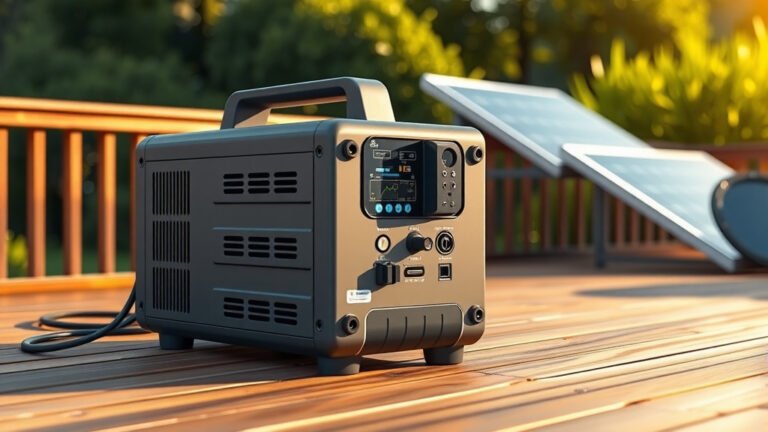

Yes, a solar generator can reduce your electricity bills by allowing you to generate your own clean power and rely less on the traditional grid.
You’ll see the most significant savings when you use your solar generator consistently to offset your grid consumption, especially during peak utility rates.
TL;DR:
- Solar generators absolutely can lower your electricity bills.
- Initial cost is an investment, but it pays off over time by reducing grid reliance.
- Best for offsetting peak-hour usage or providing backup power during outages.
- Factors like sunlight, generator size, and local electricity rates impact savings.
- They offer energy independence and environmental benefits beyond just money saved.
Does Solar Generator Reduce Electricity Bills?
Absolutely, a solar generator can indeed make a real dent in your monthly electricity bills. By harnessing the sun’s energy, you produce your own power, meaning you buy less from your utility company.
Many people wonder if this technology is just for emergencies. But actually, it’s a smart way to gain some energy independence and save money every single day. Let’s explore how this works for you.
Understanding Your Solar Generator’s Role
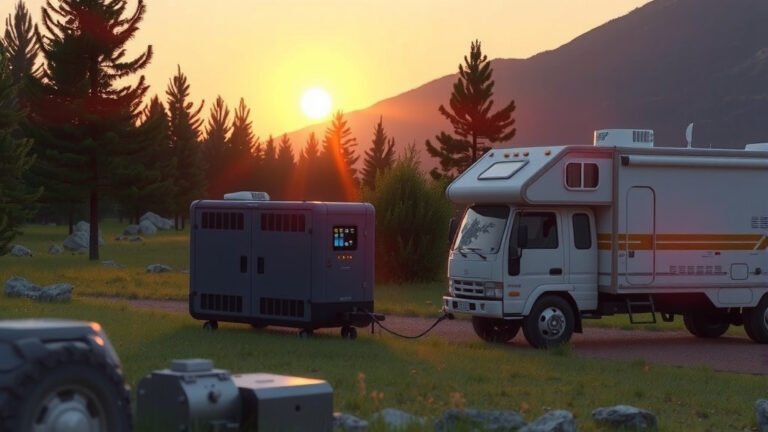
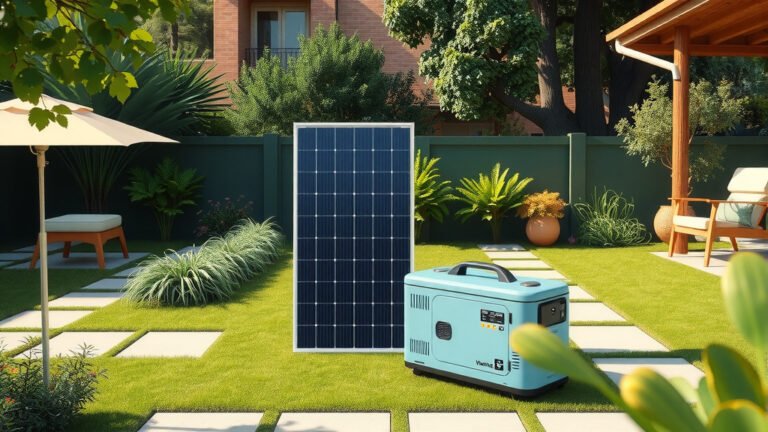
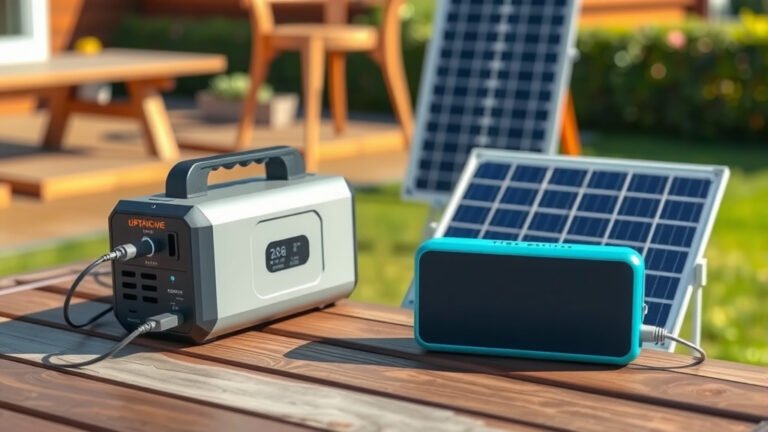
Think of your solar generator as your personal mini power plant. It captures sunlight through solar panels and stores that energy in a battery. When you need power, you pull from this stored energy instead of the grid.
This setup allows you to offset your consumption from the traditional power grid. You effectively become a small-scale power producer, helping you control your energy costs.
How Solar Generators Cut Costs
When you plug your appliances into a solar generator, you’re not drawing power from the utility company. This direct substitution means fewer kilowatt-hours showing up on your monthly statement.
Imagine running your laptop, charging your phone, or even powering a mini-fridge entirely on sunshine. Every watt-hour you use from your generator is a watt-hour you don’t pay the electric company for.
Peak Hours: Your Opportunity for Savings
Have you ever noticed how electricity costs more during certain times of the day? These are called peak hours, often in the late afternoon or evening when demand is highest. Your solar generator is a hero during these times!
We found that many utility companies charge significantly more for electricity during peak demand (EIA data). By using your stored solar power then, you can avoid these higher rates and maximize your savings. It’s like skipping the most expensive checkout line.
The Initial Investment vs. Long-Term Gain
Let’s be real, a solar generator isn’t a free item. There’s an upfront cost for the unit itself and the solar panels. So, how does this translate into bill reduction?
Consider it an investment in your home’s energy future. Over time, the money you save by not paying utility companies starts to offset that initial purchase price. It’s a bit like buying a fuel-efficient car; more money upfront, but less spent on gas down the road.
Calculating Your Potential Savings
Your actual savings depend on a few things: how much power you generate, how much electricity you currently use, and your local electricity rates. Many experts suggest keeping track of your typical daily energy consumption to estimate this best.
For example, if you consistently use your solar generator to power devices that typically cost you $30 a month, that’s $30 you keep in your pocket. Small amounts add up quickly.
What Influences Your Solar Savings?
Not every solar generator setup is the same, and your savings can vary. Here are the main factors:
- Sunlight Availability: More sunny days mean more power generation. This is why location plays a big role.
- Generator Size: A larger generator with more battery capacity and higher wattage panels can power more devices and save more.
- Your Electricity Rates: If your local utility charges a lot for power, your savings will be more dramatic.
- Your Usage Habits: Consistently using your solar generator for daily needs yields greater reductions than just for occasional backup.
Maximizing Your Solar Generator’s Efficiency
To get the most out of your solar generator, placement of your solar panels matters. Ensure they receive direct sunlight for the longest part of the day, free from shade. Regularly cleaning your panels also helps them perform at their best (DOE findings).
Also, consider pairing your generator with energy-efficient appliances. This allows your stored solar power to go further, letting you power more with less and stretch your energy savings even more.
Comparing Grid vs. Solar Power for Everyday Items
Let’s look at a quick comparison to visualize the impact. This isn’t exact, but it gives you an idea of the switch:
| Device | Using Grid Power | Using Solar Generator |
|---|---|---|
| Charging Laptop (daily) | Adds to bill, especially at peak rates | Uses stored sun power, free from bill |
| Running Fan (a few hours) | Contributes to energy consumption | Zero cost from your utility bill |
| Small Fridge (camping/backup) | Significant draw on grid power | Powered by sustainable, off-grid energy |
| Charging Phone & Tablets | Minor grid use, but it adds up | Completely powered by sunlight, no cost |
You can see how moving even small loads to solar power begins to make a noticeable difference on your monthly statement. It’s about consciously choosing your power source.
Beyond the Bill: Other Benefits You Get
While reducing electricity bills is a big plus, solar generators offer more. You gain incredible energy independence. Power outages become less stressful when you have your own backup source.
Furthermore, you’re making an environmentally friendly choice. Solar power is clean and renewable, reducing your carbon footprint. Many people feel good knowing they are contributing to a cleaner planet while saving money.
Is a Solar Generator Right for You? A Quick Checklist
Thinking about getting one? Ask yourself these questions:
- Do you experience frequent power outages?
- Are your electricity bills consistently high?
- Do you want to reduce your carbon footprint?
- Are you interested in having backup power for emergencies?
- Do you have enough sun exposure for solar panels?
If you answered yes to several of these, a solar generator could be a very smart addition to your home.
Conclusion
So, does a solar generator reduce electricity bills? The answer is a resounding yes! By generating your own power and reducing your reliance on the grid, you can absolutely lower your monthly utility expenses.
It’s not just about the money; it’s about gaining control over your energy, being prepared for anything, and making a positive impact on the environment. Investing in a solar generator is a step towards a more sustainable and financially savvy future for your home.
Frequently Asked Questions
How long does it take for a solar generator to pay for itself?
The payback period for a solar generator varies widely. It depends on the initial cost of your specific unit, your local electricity rates, and how consistently you use it to offset grid power. Generally, many owners report seeing the investment recouped over several years, especially with consistent daily use during peak utility hours.
Can a solar generator power an entire house?
While some very large, expensive solar generator systems can technically power critical circuits for an entire house, most portable solar generators are designed for specific appliances or backup power during outages. For whole-home daily power, you’d typically look at a more extensive rooftop solar panel installation with a home battery system, rather than a portable solar generator.
Do solar generators work on cloudy days?
Yes, solar generators still work on cloudy days, but with reduced efficiency. Cloud cover decreases the amount of direct sunlight reaching the panels, meaning they will generate less power than on a bright, sunny day. However, they will still trickle-charge the battery, just at a slower rate.
Are solar generators complicated to set up?
No, most portable solar generators are designed for user-friendliness. Setup usually involves simply unfolding or positioning the solar panels and connecting them to the generator’s input port. It’s often a “plug-and-play” experience, making them quite accessible for nearly everyone to use without special technical skills.
What is the typical lifespan of a solar generator?
The lifespan of a solar generator largely depends on the quality of its components, particularly the battery. Lithium-ion batteries, common in modern solar generators, are typically rated for 500 to 3,500 charge cycles, which can translate to 5 to 10 years or more of regular use. The solar panels themselves often last much longer, sometimes 20-25 years.