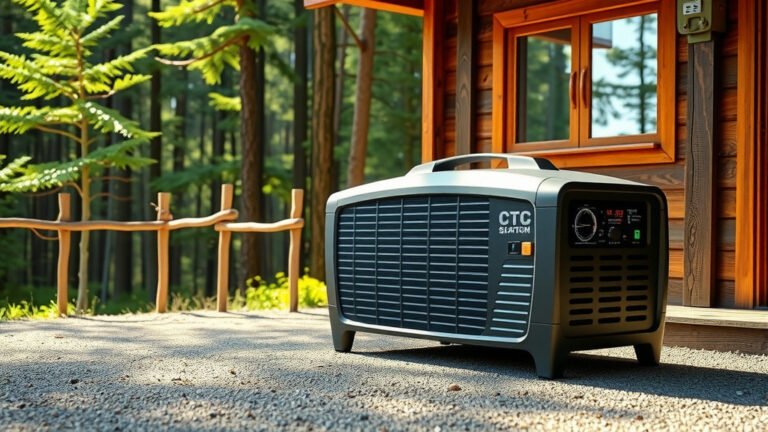
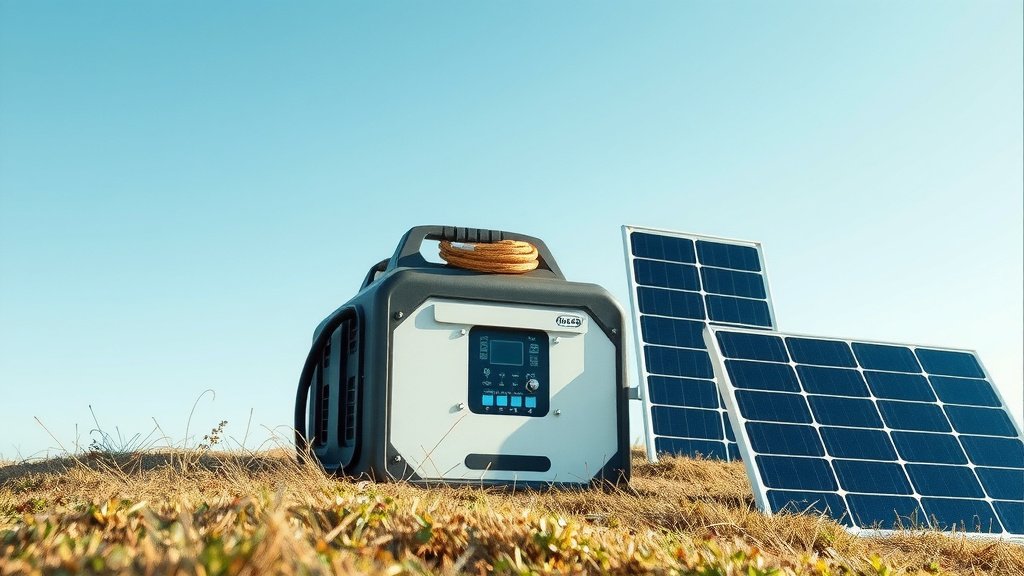
Ensuring safety for your solar generator involves proper placement, avoiding extreme temperatures, and never operating it indoors due to carbon monoxide risks, even if it’s an electric model. Always follow the manufacturer’s specific guidelines for charging and use.
To safely use a solar generator, you should regularly inspect cables, keep it away from flammable materials, and store it in a cool, dry place when not in use. Overcharging and overloading the unit are also key things to avoid.
TL;DR:
- Place your solar generator in a well-ventilated area, away from direct sunlight or rain.
- Always check all cables and connections for damage before each use.
- Avoid overcharging your unit; disconnect it once fully charged to extend battery life.
- Keep the generator away from flammable liquids or materials.
- Store your solar generator in a cool, dry place, protecting it from moisture and extreme temperatures.
What Safety Precautions For Solar Generator?
Taking proper safety precautions for your solar generator is crucial for your peace of mind and the longevity of your equipment. We found that most incidents happen from user error, not product failure.
Are you thinking about getting a solar generator, or do you already own one? They’re amazing devices, offering power when you need it most. But like any electrical device, they come with a few common-sense rules. Let’s make sure you’re using yours safely, okay?
Understanding Your Solar Generator
Your solar generator is essentially a large battery pack combined with an inverter and a charge controller. It stores energy from solar panels and converts it into usable AC power. Think of it like a portable power bank, but super-sized for your home or outdoor adventures.
Knowing how your specific model works is your first step to safety. Each brand might have unique features or warnings. Always refer to your unit’s manual first, as many experts suggest (National Fire Protection Association).
Placement Matters: Where to Set Up Your Unit
When you’re ready to power up, where do you put your solar generator? This isn’t just about convenience; it’s about safety. We found that proper placement prevents overheating and potential hazards.
Always place your generator in a well-ventilated area. This helps dissipate any heat generated during operation. Imagine a hot day – you wouldn’t want to be cooped up, and neither does your generator!
Avoiding Indoor Operation (Mostly)
Many solar generators are safe for indoor use because they don’t produce carbon monoxide like gasoline generators. However, if your unit has any combustion components or requires airflow for cooling, you need to be careful.
Always confirm your specific model is rated for indoor use. Even then, ensure it has plenty of space around it. Don’t block vents or place it in a tight cabinet. We don’t want it to get too warm!
Protecting Your Cables and Connections
The cables are the lifelines of your solar generator system. They carry all that precious energy. But damaged cables can become a real problem. Think of them as tiny highways for electricity; you want them smooth and free of potholes.
Before every use, take a moment to inspect all cables and connectors. Look for frays, cuts, or exposed wires. If you spot any damage, replace the cable immediately. Using compromised cables is a major safety risk, as research consistently shows (Electrical Safety Foundation International).
Securing Your Connections
Loose connections can cause arcing, which means tiny sparks. These sparks can create heat and potentially start a fire. Make sure all your plugs and sockets are firmly seated. You want a snug fit, not a wobbly one.
Managing Environmental Factors
Your solar generator is tough, but it’s not invincible. The environment plays a big role in its safe operation. Just like you might wear a coat in winter, your generator needs protection too.
Temperature Extremes: Hot and Cold
Extreme temperatures can affect your generator’s battery performance and safety. We found that most manufacturers specify an operating temperature range. Going outside this range can shorten battery life or even create hazards.
Avoid direct sunlight for extended periods when operating or charging. Keep it out of freezing temperatures too. A good rule of thumb? If it’s too uncomfortable for you, it’s likely too uncomfortable for your generator.
Moisture and Water: A Big No-No
Electricity and water don’t mix, do they? Keep your solar generator dry at all times. This means no using it in the rain, no placing it in puddles, and definitely no hosing it down.
If your generator gets wet, disconnect it immediately and let it air dry completely before attempting to use it again. Safety first!
Proper Charging Habits
Charging your solar generator correctly is key to its lifespan and your safety. Overcharging or using the wrong charger can cause serious issues. It’s like filling a cup of water – you stop when it’s full, right?
Using the Right Charger and Panels
Always use the charger provided by the manufacturer or one specifically recommended for your model. The same goes for solar panels. Mismatched components can lead to inefficient charging or, worse, damage to the battery.
Many experts emphasize matching voltage and amperage. “Know your specs!” is a common phrase in the industry.
Avoiding Overcharging
Most modern solar generators have built-in overcharge protection. This is great! But it’s still a good practice to disconnect the unit once it’s fully charged. This helps preserve battery health over time.
If your older model lacks advanced protection, be extra vigilant. Set a timer if you need to.
Storage Best Practices
When your adventure is over, or the power outage ends, how do you put your solar generator away? Proper storage is just as important as proper use. You’re tucking it in for a nap, so make it a good spot!
Cool, Dry, and Safe
Store your solar generator in a cool, dry place, away from direct sunlight, moisture, and extreme temperatures. A garage, shed, or dedicated utility closet usually works well. Make sure it’s out of reach of children and pets.
Additionally, keep it away from flammable materials like gasoline, paint, or solvents. We don’t want any unexpected surprises.
Battery Level for Storage
Research suggests that lithium-ion batteries, common in solar generators, are best stored at a partial charge, typically around 50-80%. Storing them fully charged or completely drained for long periods can shorten their overall life.
Check your manual for the manufacturer’s specific recommendation. A little care here goes a long way.
A Quick Safety Checklist
Here’s a handy checklist to keep your solar generator safe and happy:
- Always read your user manual.
- Place in a well-ventilated, dry area.
- Inspect cables and connections regularly.
- Use the correct charger and panels.
- Keep away from flammable items.
- Store in a cool, dry place at partial charge.
Troubleshooting and Emergency Measures
Even with all precautions, sometimes things go wrong. Knowing what to do in an emergency can prevent minor issues from becoming major problems. It’s like having a first-aid kit ready, just in case.
What if You Smell Something Burning?
If you ever detect a burning smell, see smoke, or hear unusual noises from your generator, immediately power it off and disconnect it from all power sources. Move it to a safe, outdoor location if possible, and contact the manufacturer’s support. Your safety comes first!
Fire Safety: Be Prepared
For any electrical device, having a fire extinguisher nearby is a smart move. For solar generators, a Class C fire extinguisher (suitable for electrical fires) is recommended. Many homes have one in the kitchen, but perhaps a small one for your generator storage area might be wise.
| Safety Aspect | Do This | Avoid This |
|---|---|---|
| Placement | Well-ventilated, dry, stable surface | Confined spaces, direct rain/sun, dusty areas |
| Cables & Connections | Inspect regularly for damage, secure fit | Frayed wires, loose connections, tripping hazards |
| Temperature | Operate within manufacturer’s range | Extreme heat/cold, leaving in hot cars |
| Charging | Use OEM charger, disconnect when full | Overcharging, using incorrect adapters |
| Flammables | Keep clear of fuel, chemicals, cloth | Storing near combustible materials |
| Storage | Cool, dry, partial charge (50-80%) | Damp areas, fully drained/charged for long periods |
Conclusion
Your solar generator is a powerful tool, providing reliable energy for your needs. By following these simple yet crucial safety precautions, you’re not just protecting your equipment; you’re safeguarding yourself and your loved ones. We found that a little bit of care goes a very long way in ensuring a safe and efficient experience. Stay informed, stay prepared, and enjoy the clean power your solar generator offers!
What is the biggest risk with solar generators?
The biggest risk with solar generators, while generally very safe, often comes from improper use such as overloading the unit, using damaged cables, or exposing it to extreme weather conditions like heavy rain or intense heat, which can damage the internal components or battery.
Can solar generators be used indoors safely?
Yes, most modern solar generators are safe for indoor use because they are battery-powered and do not emit carbon monoxide. However, always ensure adequate ventilation, especially for cooling, and check your specific model’s manual for any indoor-use restrictions or special requirements.
How often should I inspect my solar generator cables?
You should inspect your solar generator’s cables and connections every time before use. A quick visual check for any frays, cuts, cracks, or loose fittings can prevent potential electrical hazards and maintain optimal performance.
Is it safe to leave a solar generator charging unattended?
While many solar generators have built-in safety features like overcharge protection, it’s generally best practice not to leave any electrical device charging completely unattended for extended periods. It’s wise to periodically check on it, especially during the initial charging cycles.
What kind of fire extinguisher is best for a solar generator?
For a solar generator, which involves electrical components, a Class C fire extinguisher is recommended. This type is specifically designed for electrical fires and can safely extinguish them without conducting electricity or causing further damage.