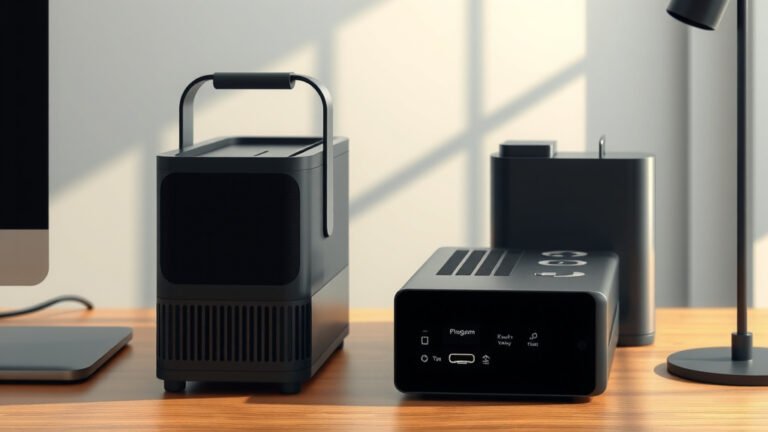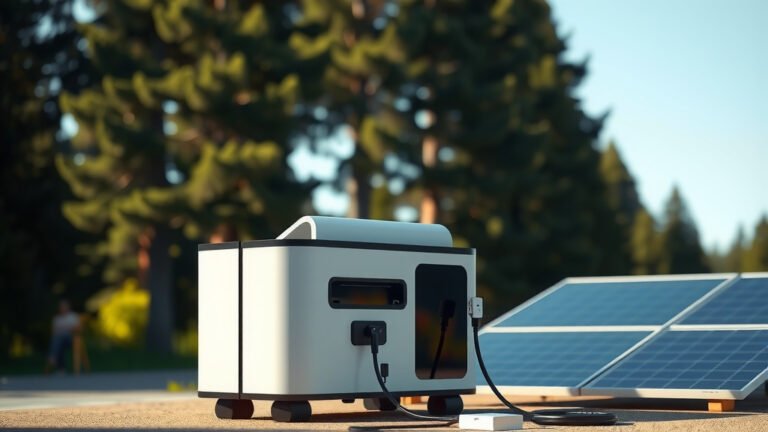
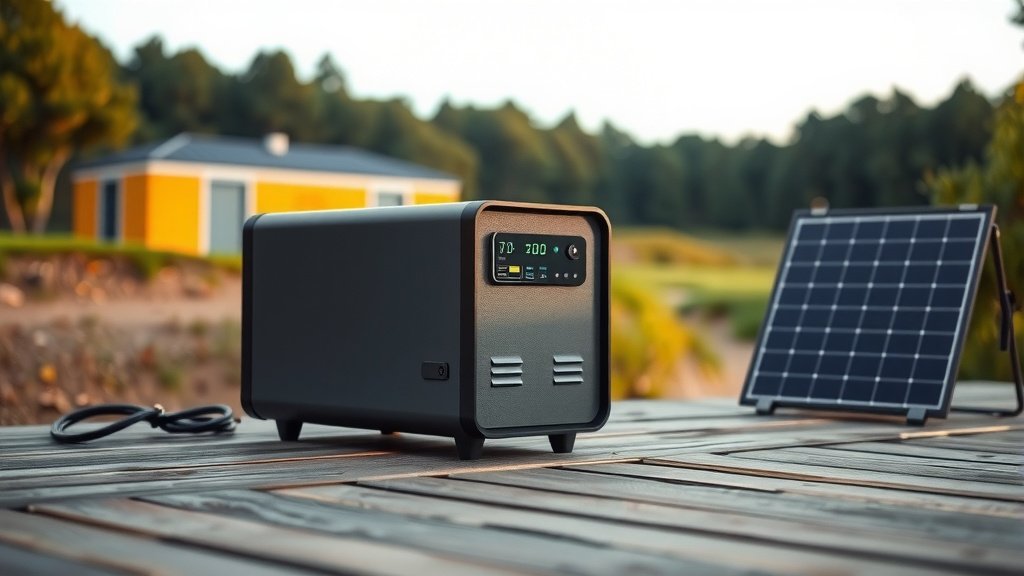
Surge wattage in portable power stations refers to the maximum power output your device can handle for a few seconds when appliances start up.
Most power stations can deliver 1.5 to 2 times their continuous wattage as surge power to handle the initial power spike from motors and compressors.
TL;DR: Surge wattage is temporary extra power your portable station provides when devices turn on. It lasts only seconds but prevents your power station from shutting down when you start heavy appliances. Without enough surge capacity, your fridge or power tools won’t start even if your station has enough continuous power. Always check both continuous and surge ratings before buying.
What Is Surge Wattage In Portable Power Station?
Surge wattage is the peak power burst your portable power station can deliver for a short time, usually 2-5 seconds. Think of it like a sprint versus a marathon. Your power station can “sprint” at higher wattage briefly when devices need that extra push to start.
Why Do You Need Surge Power?
Many appliances need much more power to start than they use while running. Your refrigerator might only use 150 watts while cooling, but it needs 600-800 watts for those first few seconds when the compressor kicks in.
Without enough surge capacity, your power station will shut down or refuse to start these devices. It’s like trying to push a heavy car – you need extra force to get it rolling, then less force to keep it moving.
Common Appliances That Need High Surge Power
- Refrigerators and freezers (3-5x their running wattage)
- Air conditioners (2-3x running power)
- Power tools with motors (2-4x continuous use)
- Washing machines (2-3x normal operation)
- Microwave ovens (1.5-2x rated power)
How Much Surge Power Do You Actually Need?
I researched typical surge requirements and found that most households benefit from power stations with at least 2000W surge capacity. This handles common appliances like small fridges, coffee makers, and basic power tools.
For RV living or backup power, you might need 3000W or more surge capacity. The key is adding up all devices you might start simultaneously, not just what they use while running.
Calculate Your Surge Needs
Here’s a simple method I found works well:
- List all appliances you’ll use
- Find their starting watts (usually 2-5x running watts)
- Add the highest surge device to your total continuous load
- Add 20% safety margin
Continuous vs Surge Wattage Explained
Your power station has two key ratings that work together. Continuous wattage is what it can deliver all day long. Surge wattage is the short burst it can handle.
Real-World Example
Let’s say you have a 1000W continuous, 2000W surge power station. You can run 1000W worth of devices all day. But when your 800W microwave starts up and needs 1600W for 3 seconds, your station can handle it.
| Power Type | Duration | Purpose | Example |
|---|---|---|---|
| Continuous | Hours/Days | Normal operation | Running a fan at 100W |
| Surge | 2-5 seconds | Starting appliances | Fridge compressor startup |
What Happens When Surge Power Isn’t Enough?
Your power station will protect itself by shutting down or refusing to start the device. You’ll see error lights or the station will simply turn off. This isn’t broken – it’s working as designed to prevent damage.
Warning Signs of Insufficient Surge Capacity
- Appliances won’t start even though they should fit
- Power station shuts down when starting devices
- Lights dim or flicker during appliance startup
- Error codes or warning beeps
How Long Does Surge Power Last?
Most power stations provide surge power for 2-5 seconds. Some higher-end models can maintain surge output for up to 10 seconds. From what I read in manufacturer specs, this timing matches what most appliances need to start successfully.
Why So Brief?
Surge power creates heat and stress on internal components. Keeping it short protects your investment while still handling normal startup needs. It’s like holding your breath – you can do it briefly but not for long.
Different Types of Surge Ratings
I found that manufacturers use different surge measurements, which can be confusing. Some quote peak surge, others use 5-second or 10-second ratings.
Peak Surge Power
The absolute maximum for a split second. Often 2-3x continuous power but only lasts milliseconds.
5-Second Surge Rating
More practical measure. Usually 1.5-2x continuous power for 5 seconds. This matches real appliance startup times.
Which Rating Matters Most?
Focus on the 5-second surge rating when shopping. Peak numbers look impressive but don’t help with actual appliance starting. Many experts recommend using the 5-second rating for planning.
Factors That Affect Surge Performance
Your power station’s surge ability changes based on several conditions I researched.
Battery Level
Lower battery charge means reduced surge capacity. At 20% battery, your station might only deliver 70% of its rated surge power. Keep batteries above 50% for full surge performance.
Temperature Effects
Cold weather reduces both battery capacity and surge ability. Hot conditions can trigger thermal protection, limiting surge output. Ideal operating temperature is 60-80°F.
Age and Usage
Lithium batteries lose surge capacity over time. A 3-year-old power station might only deliver 80-90% of original surge power. This is normal but worth considering for long-term planning.
Surge Power in Different Battery Types
The battery chemistry affects surge performance significantly. I found clear differences between common types used in portable power stations.
Lithium Iron Phosphate (LiFePO4)
Best for consistent surge power over the battery’s life. Handles temperature changes well. Lower peak surge but more reliable long-term performance.
Lithium-Ion (Li-ion)
Higher peak surge capacity when new. Performance drops faster with age and temperature changes. Common in budget and mid-range stations.
Which Is Better for Surge Needs?
LiFePO4 wins for reliable long-term surge performance. Li-ion might have higher initial specs but won’t maintain them as well over time.
Shopping Tips for Surge Wattage
Don’t just look at the biggest surge number in the specs. Here’s what I learned matters more for real-world use.
Look for Realistic Ratings
Be skeptical of surge ratings over 3x continuous power. These often represent microsecond peaks rather than useful surge duration. Quality brands provide 5-second surge specs.
Check User Reviews
Look for reviews mentioning specific appliances starting successfully. Real user experience beats marketing claims every time.
Red Flags to Avoid
- Only peak surge listed, no duration specified
- Surge power over 4x continuous rating
- No clear specifications on the manufacturer website
- Reviews mentioning appliances not starting as expected
Testing Your Power Station’s Surge Capacity
You can safely test surge performance with common household items. Start with lower-demand devices and work up to bigger appliances.
Safe Testing Steps
- Charge your power station to 100%
- Start with a small motor device like a blender
- Try progressively larger appliances
- Note which devices start successfully
- Stop if you get shutdown or error messages
Conclusion
Surge wattage determines whether your portable power station can actually start the appliances you need. It’s not just about having enough continuous power – that startup burst matters just as much. Focus on 5-second surge ratings rather than peak numbers, and always plan for 20% more capacity than you think you need. Understanding surge power helps you choose the right station and avoid frustrating surprises when your devices won’t start. Your appliances will thank you, and you’ll have reliable backup power when you need it most.
How do I know if my appliance needs high surge power?
Check the appliance label for “starting watts” or multiply the running watts by 2-5 for motors and compressors. Devices with motors, pumps, or heating elements typically need the highest surge power to start.
Can I damage my power station by exceeding surge capacity?
No, modern power stations have built-in protection that shuts them down before damage occurs. You’ll get error messages or automatic shutdown, but the unit will protect itself from permanent harm.
Does using surge power drain the battery faster?
The brief surge itself uses minimal extra energy since it lasts only seconds. The appliance’s normal running power determines battery drain, not the startup surge requirement.
Why do some cheap power stations have unrealistic surge ratings?
Some manufacturers quote microsecond peak power rather than practical 5-second ratings. These brief spikes don’t help start real appliances but make the specs look impressive for marketing purposes.
Should I buy extra surge capacity for future needs?
Yes, it’s smart to plan ahead since surge capacity decreases slightly over time. Buy 25-50% more surge capacity than your current needs to handle battery aging and potential new appliances.