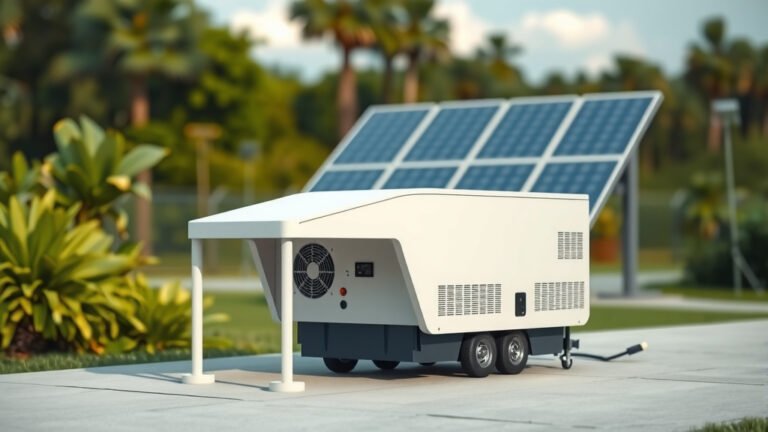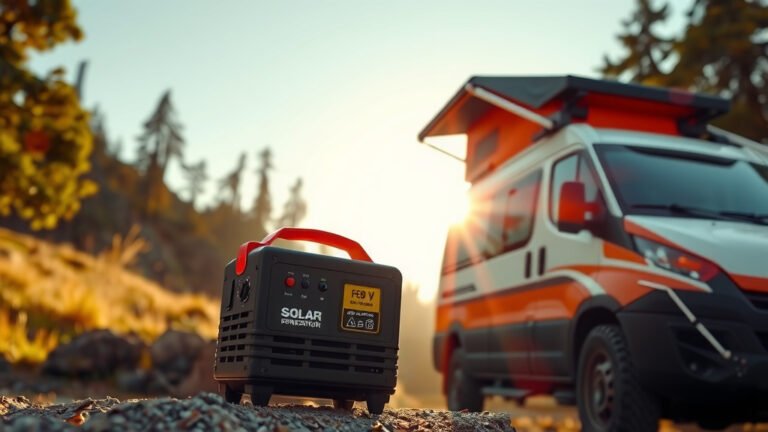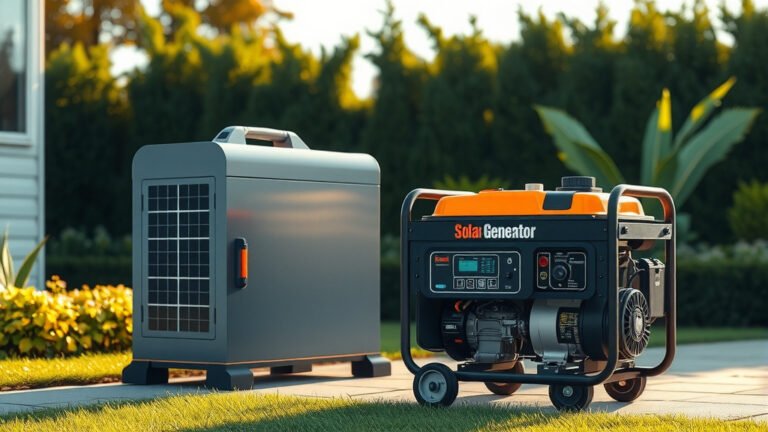
The best portable power station for hurricanes is one that offers a high capacity battery, multiple output ports, and the ability to recharge via solar panels. We found that models from brands like EcoFlow and Jackery consistently deliver reliable power when you need it most. Having a reliable power source is essential during a hurricane.
When a hurricane hits, you could lose power for days, or even weeks. Do you have a plan for keeping your essential devices charged? We research and found that a good portable power station can keep your phone, lights, and even some appliances running. It’s about maintaining a sense of normalcy and safety during an emergency.
- Portable power stations are crucial for hurricane preparedness.
- Look for high capacity and diverse charging options.
- Solar recharging capability adds extra peace of mind.
- Top brands offer reliable performance in emergencies.
Let’s dive into how to pick the perfect portable power station to keep you prepared for hurricane season.
Choosing the Right Portable Power Station for Hurricane Season
The best portable power station for hurricanes provides ample power, versatile charging options, and robust safety features. It’s an essential tool for keeping your family safe and connected.
When you’re facing a hurricane, preparedness is key. We’ve all seen the news reports – days without power, roads blocked, and essential services disrupted. Having a reliable power source isn’t just convenient; it can be a lifesaver. But with so many options out there, how do you pick the right one? Let’s break it down.
Understanding Your Power Needs During an Emergency
Before you buy anything, take a moment to think about what you absolutely need to power during an outage. What are your non-negotiables? Is it just your phone and a few lights, or do you have medical equipment that needs constant power? This step is really important.
Essential Devices Checklist
Think about what you’ll need to run. Here’s a quick checklist to get you started:
- Cell phones and tablets (for communication and information)
- Medical devices (CPAP machines, oxygen concentrators)
- Lights (LED lanterns, flashlights)
- Small fans (to stay cool in hot weather)
- Refrigeration (for medicine or essential food items)
- Radio (for emergency broadcasts)
- Laptop (if you need to work remotely or for entertainment)
Knowing your needs helps you determine the right capacity. Don’t just guess; make a list. It will prevent you from buying something too small or too large for your situation.
Key Features to Look For in a Hurricane Power Station
Not all portable power stations are created equal. For hurricane preparedness, certain features rise to the top. We found that focusing on these aspects will give you the best peace of mind.
Battery Capacity (Watt-Hours)
This is arguably the most important specification. Battery capacity is measured in Watt-hours (Wh) or Kilowatt-hours (kWh). It tells you how much energy the unit can store. A higher number means it can power your devices for longer.
For example, a 1000Wh power station could power a 100W device for about 10 hours. If you need to run a small refrigerator (which might draw 50-100W when running), you’ll need a much higher capacity than if you’re just charging phones. We recommend at least 500Wh for basic needs and 1000-2000Wh for more extensive use.
Output Ports and Power Types
What good is stored power if you can’t use it? Your power station needs the right ports to connect your devices. Look for a variety of options.
- AC Outlets: These are your standard wall plugs, vital for small appliances, medical devices, and laptops. Make sure the total output wattage meets your needs.
- USB-A and USB-C Ports: Essential for charging phones, tablets, and other small electronics. USB-C Power Delivery (PD) is especially fast for modern devices.
- DC Car Ports (12V): Useful for car accessories or specific camping gear.
The more diverse the output options, the more versatile your power station will be during an emergency. You don’t want to find yourself with a dead phone and no compatible port.
Recharging Options
Once you’ve used up the power, how do you get it back? This is where recharging options become critical, especially during a prolonged outage.
- Wall Outlet (AC): The fastest way to recharge, assuming you have grid power. Look for models that can charge quickly.
- Solar Panels: This is a game-changer for hurricane preparedness. When the grid is down, the sun is often still shining. Pairing your power station with compatible solar panels provides an endless, renewable power source. We highly recommend this feature. To maximize your solar recharging, consider our recommendations for the best solar panel for power station compatibility.
- Car Charger (12V DC): You can charge your unit from your car’s cigarette lighter port. This is slower but can be a backup if you have a running vehicle.
Having multiple ways to recharge ensures you won’t be left in the dark. Solar is particularly valuable because it doesn’t rely on external infrastructure (CDC).
Safety Features and Durability
You’re dealing with electricity, often in stressful situations. Safety matters. We found that reputable brands build in several layers of protection.
- Battery Management System (BMS): This protects against overcharging, over-discharging, over-current, and short circuits. It’s like the brain of your power station.
- Pure Sine Wave Inverter: This ensures your delicate electronics (like medical devices and laptops) receive clean, stable power, just like from a wall outlet. Avoid “modified sine wave” inverters for sensitive gear.
- Durable Casing: Hurricanes mean wind, rain, and debris. A rugged, impact-resistant design is a big plus.
- Certifications: Look for safety certifications like UL (Underwriters Laboratories) or CE (European Conformity).
A power station is an investment in your safety. Don’t compromise on these features.
Comparing Top Portable Power Station Brands
We research many brands, and two consistently stand out for hurricane preparedness: EcoFlow and Jackery. They offer a range of products suited for different needs and budgets. Discover more options in our guide to the best Jackery outdoor portable power station.
| Feature | EcoFlow (e.g., Delta Series) | Jackery (e.g., Explorer Series) |
|---|---|---|
| Battery Capacity Range | High (256Wh to 3.6kWh+) | Medium to High (240Wh to 3kWh+) |
| Recharging Speed | Very fast AC charging (X-Stream) | Moderate AC charging |
| Solar Charging Efficiency | High efficiency, good panel options | Good efficiency, reliable panels |
| Output Port Variety | Excellent (AC, DC, USB-A/C, car) | Very Good (AC, DC, USB-A/C, car) |
| Expandability | Many models offer extra battery packs | Some models offer battery expansion |
| Build Quality | Robust, often with LFP batteries | Durable, often with NMC batteries |
| Noise Level | Generally quiet, especially smaller units | Quiet during operation |
Both brands offer excellent products. EcoFlow often wins on recharge speed and expandability, while Jackery is known for its simplicity and ruggedness. Consider what aspects are most important for your emergency plan.
Setting Up Your Portable Power Station for an Emergency
Buying the right unit is only half the battle. You need to know how to use it and keep it ready. Think of it like your car’s emergency kit – you check it regularly.
Pre-Hurricane Season Preparation
Don’t wait until a storm is brewing. Do these things well in advance:
- Fully Charge Your Unit: Keep your power station fully charged at all times. A partially charged unit is not an emergency unit.
- Test All Devices: Plug in everything you plan to use. Make sure it works and understand how much power each device draws.
- Practice Solar Charging: If you have solar panels, set them up and practice charging. Understand how long it takes in different conditions.
- Store Safely: Keep your power station in an easily accessible, dry, and cool place.
- Read the Manual: Yes, really! Know your unit’s limitations and features.
Being prepared means having a plan and practicing it. A little effort now can save you a lot of stress later.
During the Hurricane and Power Outage
Once the storm hits and the power goes out, efficient use of your portable power station is key to making it last.
- Conserve Power: Only run essential devices. Turn off lights when leaving a room, unplug chargers from devices once they’re full.
- Prioritize Charging: Charge phones and critical devices first. Don’t waste power on non-essential items.
- Use Solar Proactively: If the sun comes out, deploy your solar panels immediately to recharge.
- Stay Informed: Use a battery-powered radio or your charged phone for emergency updates.
Your portable power station is a resource. Use it wisely, and it will serve you well through the toughest times.
Conclusion
Choosing the best portable power station for hurricane season means understanding your needs and prioritizing key features. Focus on high capacity, diverse output ports, and solar recharging capability for true peace of mind. We found that brands like EcoFlow and Jackery consistently offer reliable performance and essential safety features.
Your preparation today makes a huge difference during an emergency. Don’t wait for a storm to hit; pick your unit, understand how it works, and keep it charged. Taking these steps ensures you and your family stay connected and safe when the power goes out.
Frequently Asked Questions
How long do portable power stations last when fully charged but not in use?
Most portable power stations can hold a charge for 3-6 months when stored properly. We recommend checking and topping off the charge every 2-3 months. This ensures your unit is always ready for an unexpected power outage.
Can I use a portable power station to run a full-sized refrigerator during a hurricane?
It depends on the power station’s capacity and output wattage. Smaller units might only run a full-sized fridge for a few hours. For extended refrigeration, you’ll need a power station with 2000Wh or more capacity and a high AC output, like those in EcoFlow’s Delta Pro or Jackery’s Explorer 2000 Pro lines. Always check your fridge’s wattage to match.
Is it safe to use a portable power station indoors during a power outage?
Yes, portable power stations are generally safe for indoor use because they don’t produce carbon monoxide emissions like gasoline generators. They run on batteries, making them ideal for inside your home. Always ensure proper ventilation around the unit to prevent overheating.
What’s the difference between Watt-hours (Wh) and Watts (W) in a power station?
Watt-hours (Wh) measure the total energy a power station can store, indicating how long it can run devices. Watts (W) measure the instant power output, telling you what devices it can physically power at any given moment. You need enough Wh for duration and enough W for the device’s immediate power draw.
How do I maintain my portable power station to ensure it’s ready for hurricanes?
To keep your power station ready, fully charge it every 3-6 months, even if you haven’t used it. Store it in a cool, dry place away from direct sunlight. It’s also a good idea to periodically test it with your essential devices and practice charging with solar panels if you have them. Following these steps helps prolong its lifespan and ensures reliability.