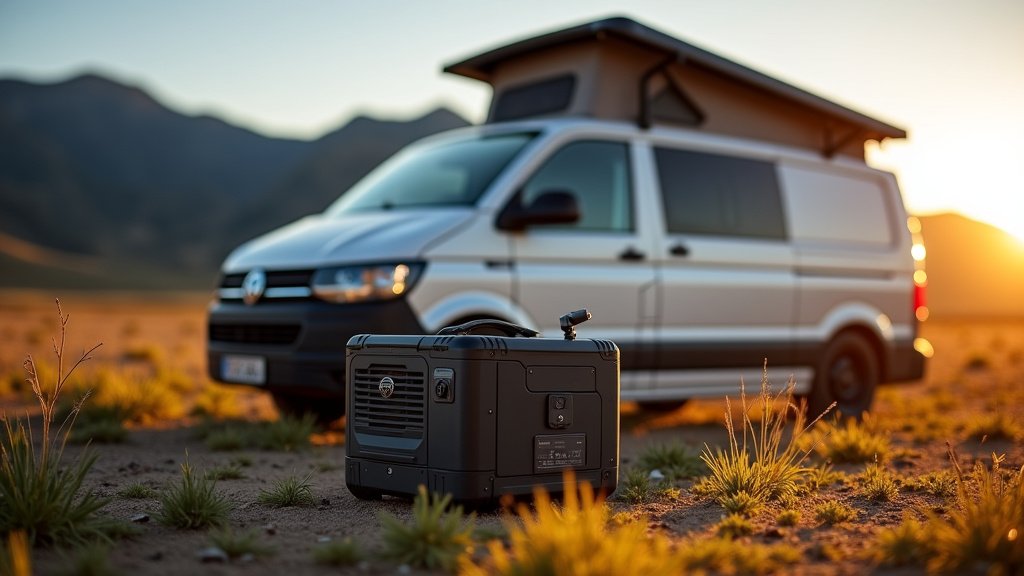
Yes, a portable power station is absolutely worth it for van life, offering reliable electricity wherever you roam. It provides the freedom to power your devices and appliances without needing shore power, making off-grid living much more comfortable.
We found that these power stations offer huge flexibility for charging phones, running mini-fridges, and even powering laptops. They are a game-changer for modern nomads who want to stay connected and enjoy the comforts of home on the road.
- Power all your devices on the go.
- Enjoy more freedom off-grid.
- Choose the right size for your needs.
- Understand charging options.
- Compare top brands and features.
Ready to electrify your van life adventure? Let’s dive into everything you need to know about picking the perfect portable power station.
Portable Power for Van Life: Is It Worth Your Investment?
Yes, bringing a portable power station into your van life setup is a smart move. It greatly improves your comfort and freedom on the road.
Many van dwellers consider it an essential piece of gear. You get reliable electricity without being tied to campsites with hookups.
We found that having your own power source lets you stay out longer. It’s perfect for those remote, beautiful spots.
Key Benefits of a Portable Power Station
Think about what you use every day at home. A portable power station brings many of those comforts right into your van.
You can keep your phone charged, run a fan on hot nights, or even power a laptop for work.
The main advantage is energy independence. You don’t have to hunt for power outlets.
Freedom and Flexibility for Off-Grid Living
Imagine parking by a serene lake, far from any city noise. With a portable power station, you can still brew your coffee.
This freedom is a huge draw for van lifers. You can explore more and worry less about finding electricity.
We found that this capability helps you embrace true off-grid adventures. Your power needs are covered.
Powering Your Essential Devices and Appliances
What do you need to run in your van? It’s probably more than you think.
From charging phones and cameras to keeping a mini-fridge cold, these stations handle it. Many models can even run a small blender.
We found that people often use them for lighting, personal electronics, and small kitchen appliances.
Choosing the Right Size and Capacity
Selecting the right power station is like choosing the right backpack. It needs to fit your needs.
A smaller unit is fine for weekend trips. But for full-time van life, you’ll need something bigger.
Capacity is measured in Watt-hours (Wh). This tells you how much energy it stores.
Understanding Watt-Hours (Wh) and Wattage (W)
Watt-hours indicate total energy storage. Wattage tells you how much power it can put out at one time.
For example, a 500Wh power station can run a 100W device for about 5 hours. (500 Wh / 100 W = 5 hours).
A high-wattage device, like a coffee maker, needs a station that can handle its peak power draw.
Calculating Your Van Life Power Needs
Before you buy, make a list of everything you want to power. Write down their wattage.
Then, estimate how many hours a day you’ll use each device. Multiply wattage by hours to get Watt-hours.
Add up all those Watt-hours. This gives you your daily energy consumption estimate.
- Phone charger: 10W x 2 hours = 20Wh
- Laptop: 60W x 4 hours = 240Wh
- Mini-fridge: 40W x 12 hours (compressor running time) = 480Wh
- LED Lights: 5W x 3 hours = 15Wh
- Total daily estimate: Around 755Wh
Once you have this number, you can look for a power station with enough capacity.
Remember, it’s often a good idea to get a station with more capacity than your daily needs. This gives you a buffer.
Popular Capacity Ranges for Van Dwellers
We found that most van lifers lean towards certain capacity ranges.
For casual use or weekenders, a 300-500Wh unit might be enough. It’s lighter and more portable.
For full-time living with a fridge and laptop, you’ll likely want 1000Wh or more.
Some even go for 2000Wh+ units, especially if they have higher power demands like induction cooktops.
Charging Your Portable Power Station on the Go
Having a power station is great, but how do you keep it charged?
Luckily, there are several ways to top up your battery while living in a van.
We found that a mix of charging methods usually works best for most travelers.
Solar Panel Charging
Solar panels are a van lifer’s best friend for recharging.
They convert sunlight into electricity, which then flows into your power station.
You can get portable folding panels or rigid ones mounted on your roof.
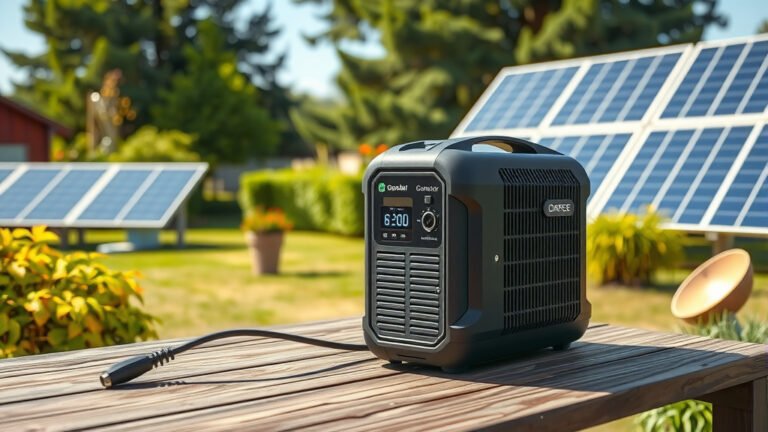
When picking solar panels, look at their wattage. A 100W panel in good sun can charge a 500Wh station in about 5-8 hours.
Solar charging offers the most freedom. It’s a clean, silent, and renewable energy source.
Vehicle (Alternator) Charging
Your van’s engine can also charge your power station while you drive.
Most portable power stations come with a 12V car charger cable. You plug it into your vehicle’s cigarette lighter socket.
This method is great for topping up your battery during travel days.
Keep in mind that charging speed from a car outlet can be slower than other methods.
However, it’s a very convenient option for passive charging as you move from one spot to another.
Shore Power (AC Wall Outlet) Charging
When you have access to a regular wall outlet, you can charge your station quickly.
This is your fastest charging option. It’s perfect for pre-charging before a trip or at campgrounds.
Most stations come with an AC adapter. Just plug it in like you would any other appliance.
This is your fallback when solar isn’t available or if you need a quick boost.
Key Features to Look for in a Portable Power Station
Not all power stations are created equal. Knowing what to look for helps you make a good choice.
Consider the types of outlets, battery chemistry, and extra safety features.
Output Ports and Compatibility
You’ll want a variety of output ports to power all your devices.
Look for standard AC outlets (the same as your home), USB-A ports, and USB-C (PD) ports.
Many also include 12V DC car ports, which are useful for certain van accessories.
Make sure the AC outlets can handle the peak wattage of your highest-power devices.
We found that having multiple USB-C Power Delivery (PD) ports is a big plus for fast charging modern laptops and phones.
Battery Chemistry: LiFePO4 vs. NMC
The type of battery inside matters for lifespan and safety.
NMC (Nickel Manganese Cobalt) batteries are common. They offer good power density and are often lighter.
LiFePO4 (Lithium Iron Phosphate) batteries are becoming very popular for van life.
LiFePO4 batteries have a longer lifespan (more charge cycles) and are generally considered safer (less prone to overheating) (National Renewable Energy Laboratory).
While often a bit heavier, the longevity and safety benefits of LiFePO4 are a big advantage for full-time use.
Safety Features and Durability
You’re taking this on the road, so it needs to be tough and safe.
Look for built-in battery management systems (BMS). This protects against overcharging, over-discharging, and overheating.
A durable casing, possibly with some water resistance, is also a plus. Read reviews about how they hold up to bumps and dust.
Good quality units will often have certifications for safety standards. This adds peace of mind.
What to Consider Before You Buy
Before you click “add to cart,” take a moment to review a few more things.
Think about your budget, the brand’s reputation, and how much it weighs.
Budget and Brand Reputation
Portable power stations range widely in price. Expect to pay more for higher capacity and LiFePO4 batteries.
It’s often worth investing in a reputable brand. They usually offer better warranties and customer support.
Popular brands like Goal Zero, Jackery, EcoFlow, and Bluetti are frequently mentioned in van life communities.
We found that sticking with known brands often means better quality control and reliability.
Weight and Portability
Even though it’s called “portable,” some of these units can be heavy.
A 1000Wh unit can weigh anywhere from 20-30 pounds. Larger ones can be much heavier.
Consider if you need to move it often or if it will stay in one spot in your van. This affects your choice.
If space and weight are critical, you might balance capacity with portability.
Checklist for Choosing Your Portable Power Station
- What devices do you need to power, and for how long?
- How much total Watt-hours (Wh) do you need daily?
- What charging methods will you primarily use (solar, car, wall)?
- Do you prefer the longer lifespan of a LiFePO4 battery?
- What is your budget for this investment?
- Is the brand known for reliability and good customer service?
Conclusion
You’ve seen how a portable power station can truly transform your van life. It brings comfort and independence right to your fingertips, freeing you from traditional campgrounds. By understanding your power needs and choosing the right capacity and charging options, you can create a setup that works perfectly for your adventures. We found that investing in a quality unit means more time exploring and less time worrying about dead batteries. Take your calculated needs, compare top features, and get ready to enjoy truly off-grid freedom.
Frequently Asked Questions
Can a portable power station run a full-size refrigerator in a van?
No, most portable power stations are not designed to continuously power a full-size household refrigerator. These appliances draw too much power over time. They are best suited for smaller 12V mini-fridges or coolers designed for RVs and vans.
How long do portable power stations typically last before needing replacement?
The lifespan depends on the battery chemistry. LiFePO4 batteries can last 3,000-5,000 charge cycles, potentially over 10 years with regular use. NMC batteries typically last 500-1,000 cycles, offering a shorter but still useful lifespan.
Is it safe to leave a portable power station charging in my van while I drive?
Yes, it is generally safe to charge your power station from your van’s 12V outlet while driving. Ensure proper ventilation and avoid covering the unit. Always use the manufacturer-provided car charger cable to prevent issues.
Can I use a portable power station in cold weather?
Most portable power stations operate best above freezing temperatures. Extreme cold can reduce battery performance and capacity. We found that some advanced models have built-in heating elements to protect the battery in colder climates.
What’s the biggest mistake new van lifers make with portable power stations?
The most common mistake is underestimating their actual power needs. Many people buy a unit that’s too small, leading to frequent recharging and frustration. Always calculate your daily Watt-hour consumption and then add a buffer for unexpected usage.