Is a Portable Power Station Worth It for Wildfire Evacuation Zones?
On this page (7 sections)
- Are Portable Power Stations a Good Investment for Wildfire Evacuation?
- Why Wildfire Evacuations Demand Portable Power
- Portable Power Stations vs. Gas Generators: The Evacuation Advantage
- What to Look for in a Wildfire Evacuation Power Station
- Essential Checklist for Your Wildfire Evacuation Power Station
- Conclusion
- Frequently Asked Questions
Yes, a portable power station is absolutely worth it for wildfire evacuation zones. It provides essential power when you need it most, especially during outages or when you are away from home.
You can use these devices to keep your cell phone charged, run small medical devices, or power a light. They offer peace of mind and practical help when standard power is unavailable. Many people find them a lifeline during emergencies.
- Power your essential devices during an outage.
- Keep communication lines open with charged phones.
- Run critical medical equipment.
- Avoid the noise and fumes of gas generators.
- Stay prepared for unexpected evacuations.
We’ll walk you through why a portable power station is such a smart choice for wildfire preparedness and what to look for when you’re choosing one.
Are Portable Power Stations a Good Investment for Wildfire Evacuation?
Yes, absolutely. A portable power station is a smart and practical investment for anyone living in or near wildfire evacuation zones. Wildfires bring unpredictable power outages and the need to leave your home quickly.
Having a reliable power source means you can keep your essential devices running. Think about staying connected, keeping food safe, or even powering vital medical equipment. It’s about more than just convenience; it’s about safety and peace of mind during a stressful time.
Why Wildfire Evacuations Demand Portable Power
Wildfires create unique challenges. When evacuation orders come, you might have minutes, not hours, to prepare. Power grids can fail due to fire damage or proactive shutdowns to prevent new fires. This means your usual power sources are gone.
Imagine being on the road or in a temporary shelter without a way to charge your phone. How would you get updates? How would you contact family? A portable power station bridges that gap, giving you control over your immediate power needs.
Maintaining Communication During an Emergency
Your cell phone is your lifeline during an evacuation. It’s how you receive emergency alerts, check evacuation routes, and stay in touch with loved ones. A dead phone battery is a major problem.
Portable power stations keep your phone, tablet, and even a laptop charged. This ensures you remain connected. We found that keeping communication open is one of the top priorities during any disaster (FEMA).
Powering Medical Devices
For many, access to electricity isn’t a luxury; it’s a necessity for health. If you rely on medical equipment like CPAP machines, oxygen concentrators, or insulin coolers, a power outage is critical.
A portable power station can keep these life-sustaining devices operational. Always check the power requirements of your medical device against the output of the power station. This is a non-negotiable step for your safety.
Keeping Food Fresh in a Pinch
When the power goes out, your refrigerator stops working. If you’re sheltering in place or in a temporary location, keeping perishable food safe can be a challenge. A portable power station can power a small cooler or mini-fridge for several hours.
This helps prevent food spoilage and ensures you have access to safe food and cold drinks. It’s especially helpful for medications that need refrigeration.
Portable Power Stations vs. Gas Generators: The Evacuation Advantage
When thinking about emergency power, gas generators often come to mind. However, portable power stations offer distinct advantages, especially in an evacuation scenario.
Gas generators are noisy, produce fumes, and require fuel. Fuel can be scarce during an emergency, and storing it safely is another concern. Power stations are quiet, produce no emissions, and can be charged via wall outlets, solar panels, or even your car.
| Feature | Portable Power Station | Gas Generator |
|---|---|---|
| Noise Level | Very quiet, almost silent | Loud (can be very disruptive) |
| Emissions | Zero emissions, safe indoors | Harmful fumes (must be used outdoors) |
| Fuel Type | Battery (rechargeable) | Gasoline, propane, natural gas |
| Maintenance | Minimal | Regular engine maintenance, fuel stabilizer |
| Portability | Generally lighter, easier to move | Heavier, bulkier, harder to transport |
| Setup | Plug and play | Can require setup, refueling |
Silence is Golden During Stressful Times
Imagine the stress of a wildfire evacuation. The last thing you need is the constant roar of a gas generator. Portable power stations operate silently, which is a huge benefit for your peace of mind and for others around you. This is particularly true if you are in a crowded shelter or trying to rest.
Safety Indoors: A Key Difference
Because they produce no fumes, portable power stations are safe to use indoors. This is a critical advantage during an evacuation, where you might be sheltering in a car, a tent, or a community center. Gas generators, on the other hand, produce carbon monoxide and must always be used outdoors, far from windows and vents. Many experts highlight the danger of carbon monoxide poisoning from improper generator use (CDC).
What to Look for in a Wildfire Evacuation Power Station
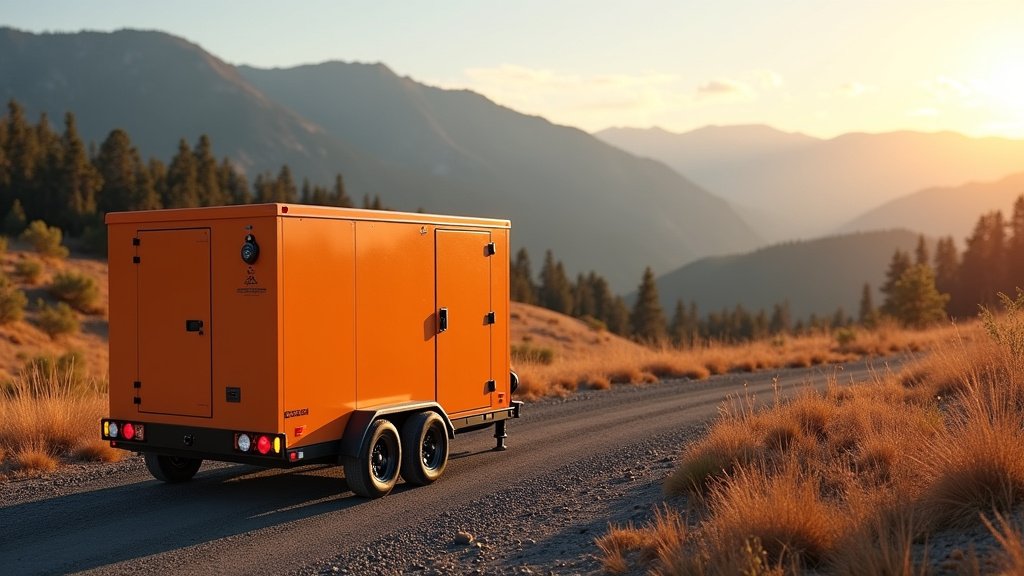
Choosing the right portable power station means considering a few key features. You want something reliable, durable, and suited to your specific needs during an emergency.
Don’t just grab the cheapest option. Think about what you absolutely need to power and for how long. A little planning now saves a lot of headaches later.
Capacity (Watt-Hours) and Output (Watts)
Capacity tells you how much energy the power station can store (measured in Watt-hours or Wh). Output tells you how much power it can deliver at any given moment (measured in Watts or W). For evacuation, you’ll want enough capacity to keep your essentials running for at least 1-3 days.
Match the output to your devices. A phone needs very little power, but a CPAP machine needs more, and a small portable fridge even more. Check the labels on your devices for their wattage requirements.
Portability and Size
During an evacuation, you need something you can quickly grab and go. Look for a power station with a sturdy handle and a weight you can manage. Remember, you might be carrying other essential items too.
Compact designs are often better. Think about the space in your vehicle or emergency kit. You want it to be there when you need it, not left behind because it’s too big or heavy.
Charging Options
How will you recharge your power station? The more options, the better. Look for models that can charge from:
- A standard wall outlet (AC)
- Your car’s 12V outlet
- Solar panels (a great option for extended outages or off-grid situations)
Solar charging can be a game-changer if you’re stuck for an extended period without grid power. Even a small panel can help keep your phone topped up.
Essential Checklist for Your Wildfire Evacuation Power Station
As you prepare your emergency kit, here’s a quick checklist for your portable power station:
- Fully charge it and keep it charged.
- Store it in an easily accessible place.
- Have all necessary charging cables for your devices ready.
- Consider a compatible portable solar panel.
- Test it regularly with your essential devices.
- Know its run time for your critical items.
Being prepared means having a plan and the right tools. A portable power station is a significant part of that plan for wildfire safety.
Conclusion
As you can see, a portable power station isn’t just another gadget; it’s a vital component of your wildfire evacuation plan. It ensures you stay connected, keep essential medical devices running, and maintain some normalcy during incredibly stressful times. We found that investing in one provides peace of mind and practical support when you need it most. So, take the actionable step today: research the right capacity and features for your needs, and make a portable power station a priority for your emergency preparedness kit.
Frequently Asked Questions
How long can a portable power station typically power essential devices during an evacuation?
The run time depends on the power station’s capacity (Wh) and the devices you’re powering. Most can keep phones charged for days, and run small medical devices for several hours. Always check your specific device’s wattage and the power station’s capacity.
Can I charge a portable power station using my car while evacuating?
Yes, many portable power stations come with a 12V car charger cable. This allows you to recharge the unit from your vehicle’s cigarette lighter port. This is a great option for maintaining power during travel or if you’re sheltering in your car.
Are portable power stations safe to use indoors during an evacuation?
Absolutely. Unlike gas generators, portable power stations produce no fumes or carbon monoxide, making them perfectly safe for indoor use. This is a significant advantage when you might be sheltering in a car, tent, or community center.
What’s the most important feature to look for in a portable power station for emergencies?
For emergencies like wildfire evacuations, we found that a combination of adequate capacity (Wh) for your essentials and multiple charging options (AC, car, solar) is most important. Portability and the ability to run critical medical devices are also key.
Should I get a solar panel with my portable power station for wildfire preparedness?
Yes, a compatible solar panel is a highly recommended accessory. It offers a way to recharge your power station off-grid, which is invaluable during extended power outages or if you’re unable to access traditional charging sources. Even a small panel can help extend your power supply.