
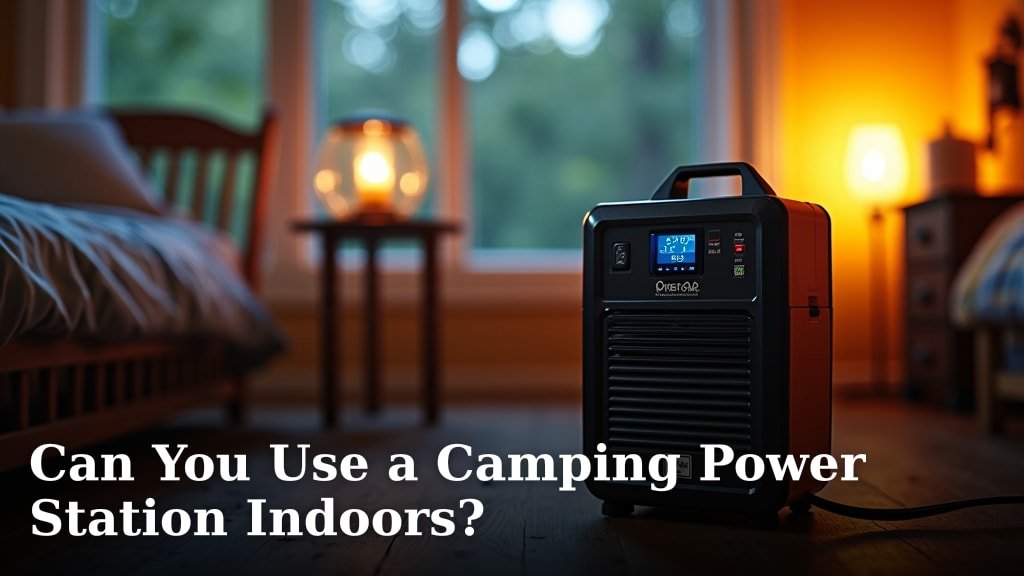
Yes, you can absolutely use a camping power station indoors. Unlike traditional gas generators, these devices are safe for indoor use because they don’t produce toxic fumes like carbon monoxide. You can power your essential electronics without worry.
We found that portable power stations run on batteries, making them a clean and quiet power source for your home. They’re perfect for emergencies, blackouts, or just powering devices in any room. Think of them as a giant, rechargeable battery pack for your house.
- Camping power stations are safe indoors.
- They run on batteries and produce no toxic fumes.
- Great for home emergencies and everyday power.
- They are quiet and clean to operate.
Let’s dive into all the details about using your camping power station indoors, ensuring you stay powered up safely and efficiently.
Powering Your Home with a Camping Power Station
So, you’re wondering about using that handy camping power station right inside your home. Good news! We found that these devices are perfectly safe and incredibly useful for indoor settings. They bring the convenience of portable power without the risks associated with gas generators. Think of it as having a portable wall outlet wherever you need it most.
Understanding How They Work Safely Indoors
The main reason camping power stations are safe indoors is their power source. They run on rechargeable lithium-ion batteries, similar to the ones in your phone or laptop, just much larger. This means they operate silently and, most importantly, produce zero emissions. No carbon monoxide, no fumes, no noisy exhaust. That’s a big win for indoor use (Centers for Disease Control and Prevention).
Comparing to Gas Generators: A Clear Difference
Traditional gas generators burn fuel to create electricity. This process releases harmful carbon monoxide gas, which is why they must always be operated outdoors in a well-ventilated area. A camping power station, on the other hand, simply converts stored battery power into usable AC or DC current. It’s an energy transformation, not a combustion process. This fundamental difference makes them an ideal indoor power solution.
Here’s a quick comparison to highlight the key differences:
| Feature | Camping Power Station | Gas Generator |
|---|---|---|
| Power Source | Rechargeable Battery | Gasoline/Propane |
| Emissions | None | Carbon Monoxide, Fumes |
| Noise Level | Silent to Very Quiet | Loud |
| Indoor Use | Yes, Safe | No, Dangerous |
| Maintenance | Minimal (charging) | Fueling, oil changes, spark plugs |
Top Reasons to Use Your Power Station Inside
Beyond safety, there are many practical reasons to keep your camping power station indoors. It’s not just for emergencies, though it excels there. These devices are versatile power companions that can make your everyday life more convenient.
Emergency Preparedness and Blackouts
When the power goes out, a camping power station can be a lifesaver. You can keep your essential devices running, like lights, phones, Wi-Fi routers, and even small medical equipment (like a CPAP machine). We found that many people invest in them primarily for this purpose. It offers peace of mind knowing you won’t be left completely in the dark.
- Keep your phone charged to stay connected.
- Power LED lights for illumination.
- Run your Wi-Fi router to maintain internet access.
- Operate a fan or small heater for comfort.
- Recharge laptops for work or entertainment.
Powering Devices Anywhere in Your Home
Ever wish you had an outlet in a specific spot? Maybe you want to work on your laptop on the patio, or run a projector for an outdoor movie night. A camping power station gives you that freedom. Just pick it up and place it where you need power. No more searching for outlets or dealing with tangled extension cords running through your living space.
We found that users love the flexibility this provides. You can power tools for indoor DIY projects without tripping breakers, or set up a temporary workstation in any room. It essentially transforms any space into a powered zone.
Choosing the Right Size for Indoor Needs
Camping power stations come in various sizes and capacities. When using one indoors, you’ll want to choose a unit that matches your power requirements. You don’t need to power your entire house, but you do want enough juice for your most important gadgets.
Understanding Watt-Hours (Wh) and Wattage (W)
The two main specs to look at are Watt-hours (Wh) and Wattage (W). Watt-hours indicate capacity – how long it can power something. Wattage indicates output – how much power it can deliver at one time. A 500Wh power station can run a 100W device for approximately 5 hours (500Wh / 100W = 5h). You’ll want to check the wattage of your devices to ensure the power station can handle them.
Consider what you’ll primarily be powering. Is it just phones and laptops? Or do you want to run a mini-fridge or a small TV? This will help you decide on the appropriate capacity and output.
Setting Up and Using Your Indoor Power Station
Using your camping power station indoors is straightforward, but a few best practices will ensure optimal performance and safety. It’s all about smart placement and responsible charging.
Optimal Placement and Ventilation
While they don’t produce fumes, power stations do generate a small amount of heat, especially during charging or when under heavy load. Place your unit in a spot with some airflow, away from direct sunlight or heat sources. Avoid covering it with blankets or placing it in an enclosed cabinet. This allows for proper cooling and prolongs the life of the battery.
Also, keep it out of the way of foot traffic to prevent accidental trips or damage. A stable, flat surface is always best.
Charging Your Power Station Indoors
Charging your power station is also perfectly safe indoors. Most units charge via a standard wall outlet. Some even offer solar panel charging options, which you could do outdoors, but the unit itself can remain inside. Always use the manufacturer-provided charger to ensure compatibility and safety (National Fire Protection Association).
A good habit is to keep your power station charged to at least 80%, especially if you’re using it for emergency backup. This way, it’s always ready when you need it.
Maintenance Tips for Indoor Longevity
To ensure your camping power station serves you well indoors for years to come, a little routine care goes a long way. These are durable devices, but they appreciate a bit of attention.
Keeping It Charged and Ready
Lithium-ion batteries perform best when they are not left fully depleted for extended periods. We found that most manufacturers recommend keeping your power station charged to between 50% and 80% when storing it. If it drops too low, the battery can degrade over time. Check it every few months and top it off if needed.
Cleaning and Storage
Wipe down your power station with a dry or slightly damp cloth as needed to keep it clean. Avoid harsh chemicals or abrasive materials. When not in use, store it in a cool, dry place. Extreme temperatures, both hot and cold, can affect battery performance and lifespan. Treat it like you would any other valuable electronic device.
Here’s a quick checklist for indoor use and maintenance:
- Keep it charged (50-80% for storage).
- Place in a well-ventilated spot.
- Use only manufacturer-approved chargers.
- Avoid extreme temperatures.
- Wipe clean with a dry cloth.
- Keep away from children and pets.
Safety Considerations: What to Watch Out For
Even though camping power stations are very safe for indoor use, it’s always smart to be aware of potential issues. Just like any electronic device, a few precautions will ensure a worry-free experience.
Avoiding Overload and Short Circuits
Each power station has a maximum output wattage. Plugging in devices that exceed this limit can cause the unit to shut down or, in rare cases, damage the internal components. Always check the wattage of your appliances and the rated output of your power station. If you hear unusual noises or smell something burning, immediately disconnect all devices and turn off the power station. These are signs of potential overload or a short circuit. Many units have built-in safety features to prevent these issues, but it’s good to be aware.
Water and Extreme Temperatures
While some rugged camping power stations might have a degree of water resistance, most are not designed to be submerged or exposed to spills. Keep your unit away from sources of water in your home, like sinks or bathtubs. Also, protect it from extreme heat or cold. Don’t store it next to a radiator or in an unheated garage during winter if temperatures drop significantly. These conditions can degrade the battery and potentially create a fire hazard.
Conclusion
You can confidently use a camping power station indoors. These battery-powered units offer a safe, clean, and quiet alternative to noisy gas generators. They provide essential backup during outages and add flexible power anywhere in your home. We’ve seen how they keep your devices running without toxic fumes or constant refueling.
By understanding their simple operation and following a few basic maintenance tips, you ensure your power station is always ready. So, whether for emergencies or everyday convenience, consider your indoor power needs met. Invest in a reliable unit today to stay powered up and prepared.
Frequently Asked Questions
Can a camping power station replace my home generator?
While extremely useful, a camping power station typically won’t power your entire home like a large standby generator. We found they are best suited for keeping essential devices running during an outage, like lights, phones, and small appliances. They offer excellent temporary backup power.
How long can an indoor power station power my devices?
The runtime depends on the power station’s capacity (Watt-hours) and the wattage of the devices you plug in. A larger capacity unit will power devices for longer. We recommend calculating your needs based on the “Watt-hours divided by device wattage” formula mentioned earlier.
Do indoor power stations require special wiring for home use?
No, camping power stations are plug-and-play devices. You simply plug your appliances directly into the power station’s outlets, just like a wall socket. No special wiring or installation is needed, which makes them very user-friendly for indoor use.
Is it safe to leave a camping power station plugged in indoors all the time?
Most modern power stations have advanced battery management systems that prevent overcharging. However, for optimal battery health and longevity, we recommend checking the manufacturer’s guidelines. Often, they suggest keeping it charged to a certain percentage, like 80%, rather than constantly at 100%.
Can I use a camping power station to power medical equipment indoors?
Yes, many people use camping power stations to power essential medical equipment like CPAP machines during power outages. Always check the power requirements of your specific medical device. It’s crucial to ensure the power station has sufficient wattage output and capacity for uninterrupted operation.
