Batteries, Safety and Care
Is It Safe to Use a Portable Power Station on a Boat?
Learn whether it is safe to use a portable power station on a boat. Review placement, moisture, charging, and other precautions for onboard power.
Learn about batteries, safe use, storage, maintenance, and common power station problems.
Learn whether it is safe to use a portable power station on a boat. Review placement, moisture, charging, and other precautions for onboard power.
Learn why your power station shows a different capacity than advertised. Understand usable energy, conversion losses, and readings to check its performance.
Using a portable power station near water requires caution. Learn the safety risks and how to protect yourself and your device for peace of mind.
Discover why your power station shuts down under heavy load and learn how to prevent it. Understand the common causes and solutions.
Is your power station not reaching full solar charging speed? Discover common reasons and solutions for slower solar input.
Solar input showing zero watts on your power station? Discover common reasons and solutions to get your solar charging working again.
Choosing a power station battery? Learn the key differences between LiFePO4 and NMC to find the best fit for your needs.
Discover if running your portable power station 24/7 is safe and what factors to consider for optimal performance and longevity.
Learn if it's safe to run a portable power station in a rainstorm. Discover essential safety tips and best practices to protect your device and yourself.
Charging a portable power station in a garage? Learn about temperature risks, ventilation needs, and safety precautions to keep your gear protected.
Is your power station not holding a charge? Discover common reasons for battery drain and learn how to troubleshoot and fix your device.
Find common reasons a power station’s AC output is not working, from settings to overloads. Follow simple checks to restore power or identify a fault.
Is your solar panel charging slowly? Discover common reasons and solutions to improve charging speed and maximize your solar energy.
Is your portable power station losing charge overnight? Discover common reasons and learn how to keep your power station fully charged.
Learn if you can overload a portable power station and discover how to avoid damaging your device. Understand wattage limits and safe usage.
Keep your gear charged in wet weather. Learn if you can use a camping power station while it's raining outside and how to stay safe.
Keep your power station charged during storage. Learn simple methods to maintain battery health and ensure it's ready when you need it most.
Discover the top 7 best LiFePO4 portable power station brands. Our fresh, hands-on review helps you find the perfect power solution.
Discover the risks of overloading your portable power station. Learn how to avoid damage and ensure safe, reliable power for your devices.
Learn if leaving your power station plugged into solar all day is safe. Understand potential risks and best practices for optimal use and longevity.
Charging your power station in the rain? Learn the risks and best practices for safe outdoor charging and protecting your gear from moisture.
Storing a portable power station in a hot car? Learn about the risks to your device and how to keep it safe from extreme temperatures this summer.
Your power station trips when you plug in a fridge? Learn the common causes and solutions for this electrical issue. Find out why your power keeps shutting off.
A power station loses charge when not in use mainly because its battery slowly self-discharges and the inverter consumes standby power. Think of it like a sma
Power stations shut off randomly because of built-in safety features designed to prevent damage. This usually happens when the unit is overheating, overloaded
Find out why your camping power station is charging slowly. Check the source, cable, temperature, and settings to see what may limit charge speed.
Yes, but with important limits. You can use a portable power station in cold weather, but its performance will drop. The battery will drain faster and may str
Wondering why your power station is overheating? Learn about common causes like overloading, poor ventilation, and battery issues to prevent damage and
Maximize your power station's lifespan with expert tips. Learn how to extend the battery life of a power station and keep your devices charged longer.
Planning to fly with a portable power station? Discover airline regulations and safety tips to ensure a smooth, compliant journey for your device.
Flying with a lithium battery power station? Learn the regulations, safety tips, and how to pack yours securely for a worry-free journey.
Wondering if it's safe to run a power station in a tent? Learn the risks, ventilation needs, and essential tips for using portable power responsibly.
Learn whether a portable power station is safe for a CPAP machine. Check voltage, capacity, and backup runtime to plan for reliable overnight use.
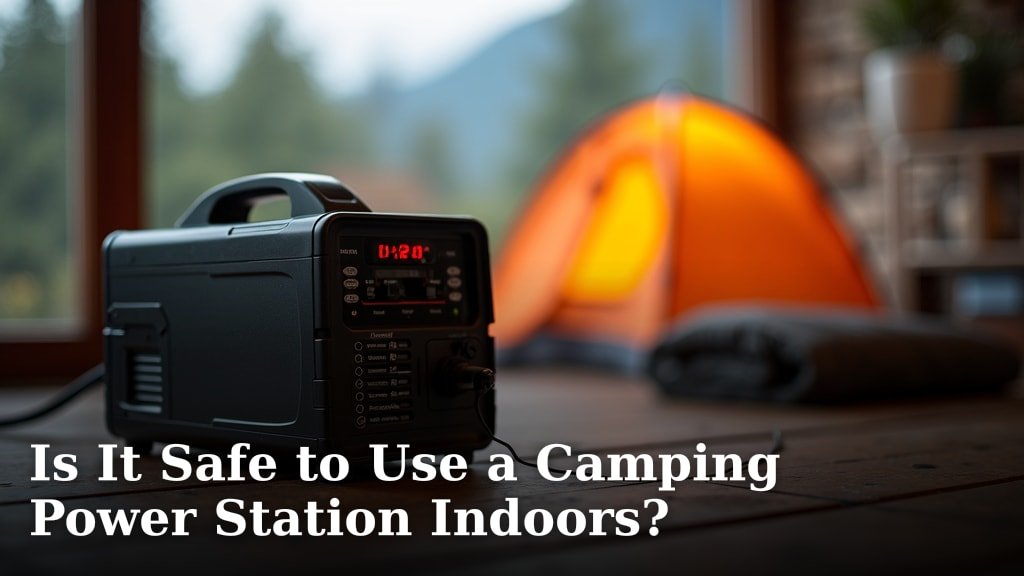
Learn whether it is safe to use a camping power station indoors. Understand ventilation, placement, and charging precautions before powering devices at home.
Unpack the safety of LiFePO4 vs. lithium-ion batteries. Discover why LiFePO4 is considered safer and what that means for your applications.
Learn whether it is safe to leave a camping power station charging overnight. Check built-in protections, placement, and manufacturer guidance before use.
Troubleshooting your solar panel not charging your camping power station? Discover common issues and solutions to get your gear powered up.
Power station battery draining fast? Discover common causes like parasitic drain, aging cells, and improper charging, and learn how to optimize its life.
Is your camping power station dead? Discover common reasons why it won't turn on, from battery issues to charging errors, and troubleshoot like a pro.
Is your camping power station beeping? Learn the common reasons why, from overheating to overload, and what you can do to resolve the issue.
Unlock the truth about using a camping power station indoors. Discover safety tips, ventilation needs, and how to power your devices safely.
Compare lithium ion vs LiFePO4 batteries, including lifespan, weight, and performance. Learn how their differences affect portable power and your choice.
Learn the lifespan of a camping power station battery and what affects it. Find ways to store, charge, and use the battery to help it last longer.
Discover what LiFePO4 battery chemistry is, its unique benefits, and how it powers modern technology for reliable, long-lasting energy solutions.
Ensure your camping power station lasts! Learn how to store it long-term with essential tips for battery health, condition, and readiness.
Learn how to maintain a portable power station with practical storage, charging, and cleaning steps. Help preserve battery health and keep it ready for use.

Troubleshoot why your camping power station not charging with our guide covering common issues, from cables to battery health.
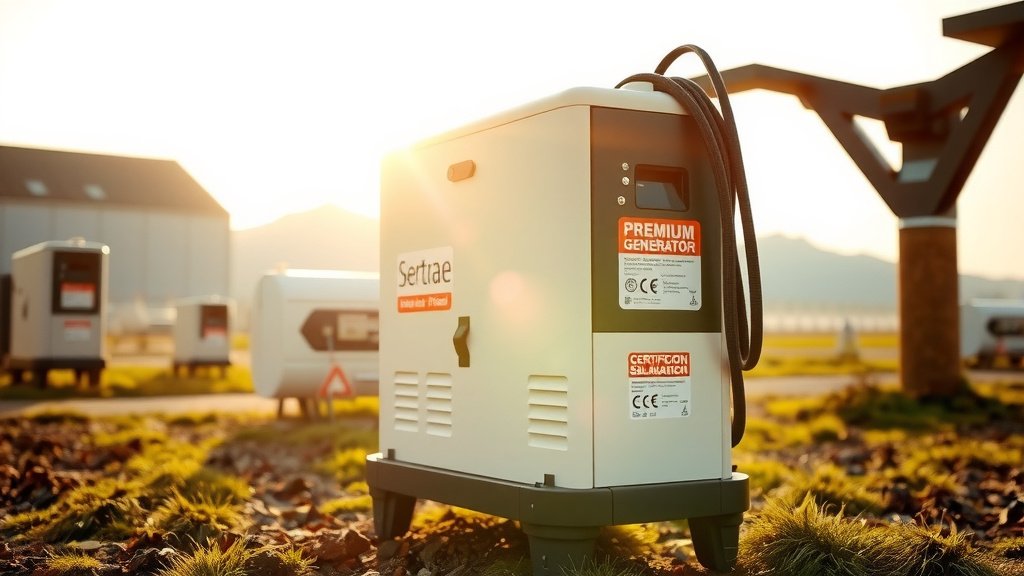
A solar generator should prominently display certifications like UL 2743 for electrical safety and UN38.3 for battery transport. These ensure your device meet
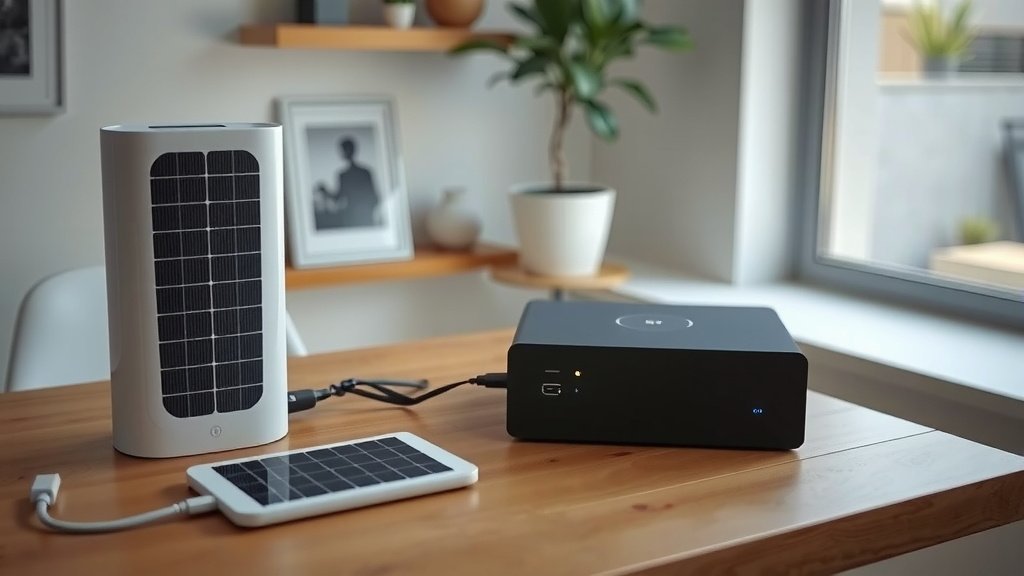
Troubleshooting portable power station issues often starts with checking the most obvious culprits first, like ensuring all cables are securely connected and
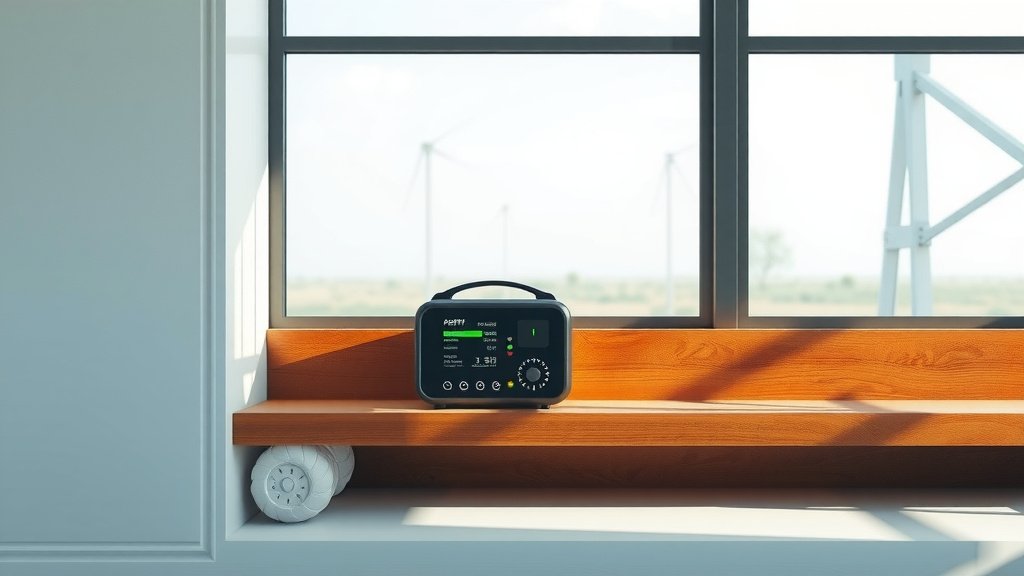
To store a portable power station long term, maintain its battery charge between 55-85% and keep it in a cool, dry environment away from extreme temperatures.
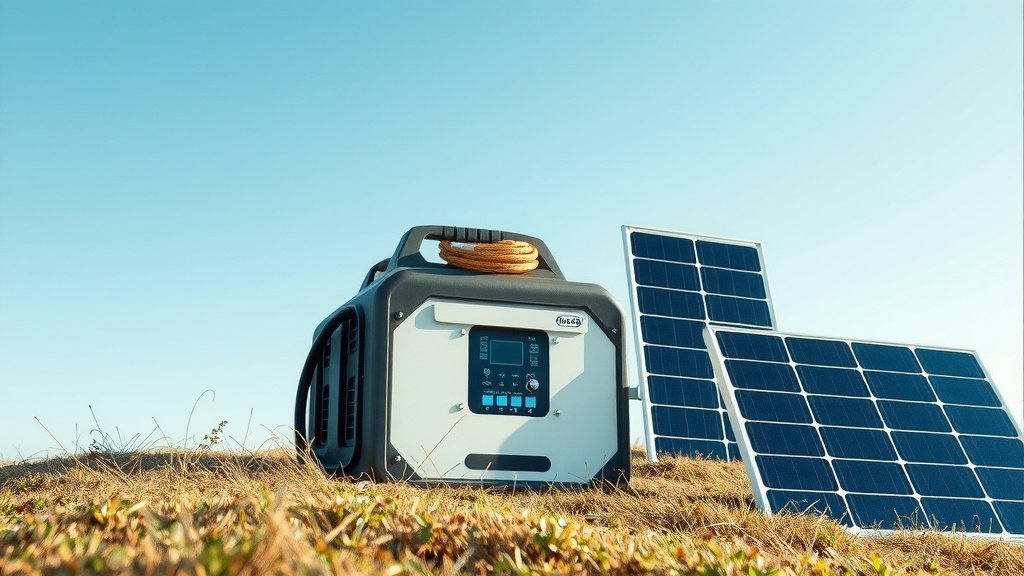
Ensuring safety for your solar generator involves proper placement, avoiding extreme temperatures, and never operating it indoors due to carbon monoxide risks
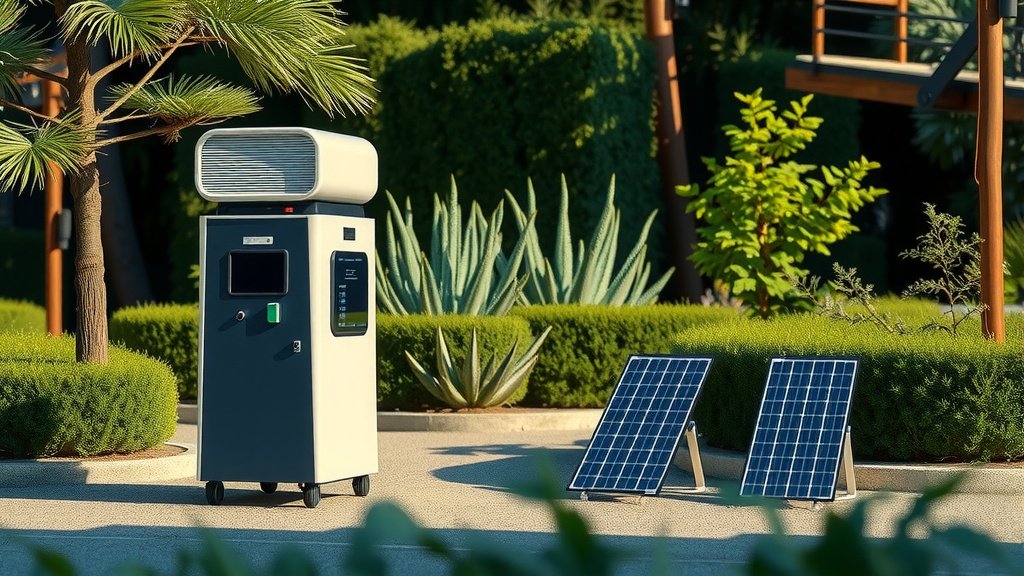
To maintain your portable power station battery health, keep its charge level between 20-80% for most battery types and store it in a cool, dry place away fro
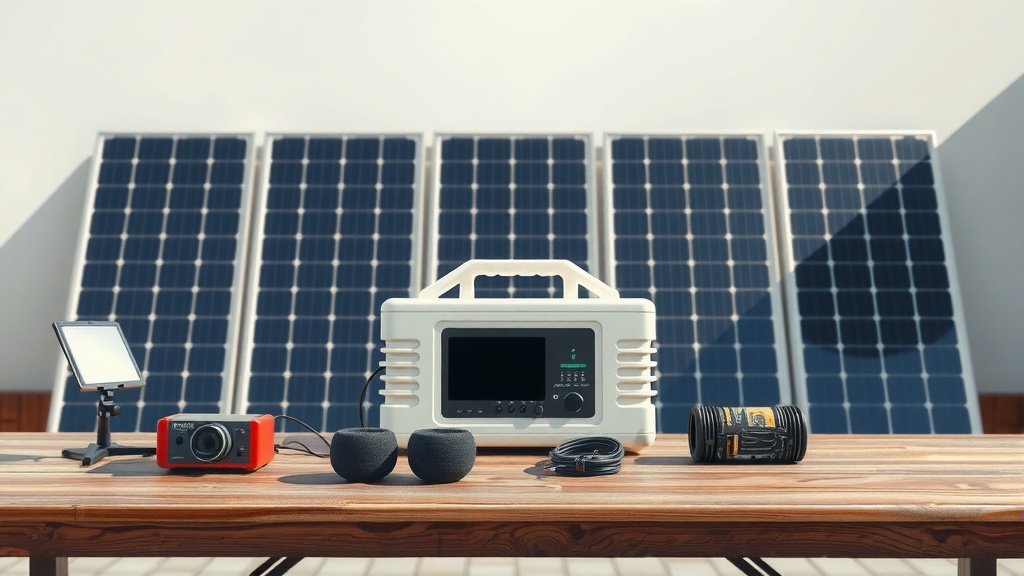
Before using a new portable power station, it is wise to perform a few simple tests to ensure it works correctly and safely. You should fully charge the unit,
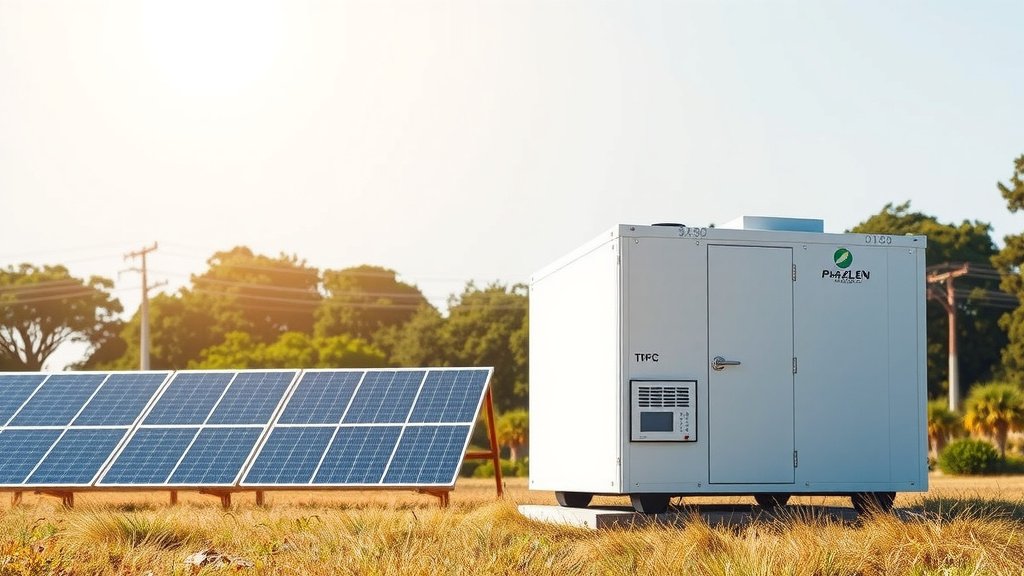
Yes, a solar generator can significantly reduce greenhouse gas emissions by providing clean, renewable energy. They directly replace power sources that burn f
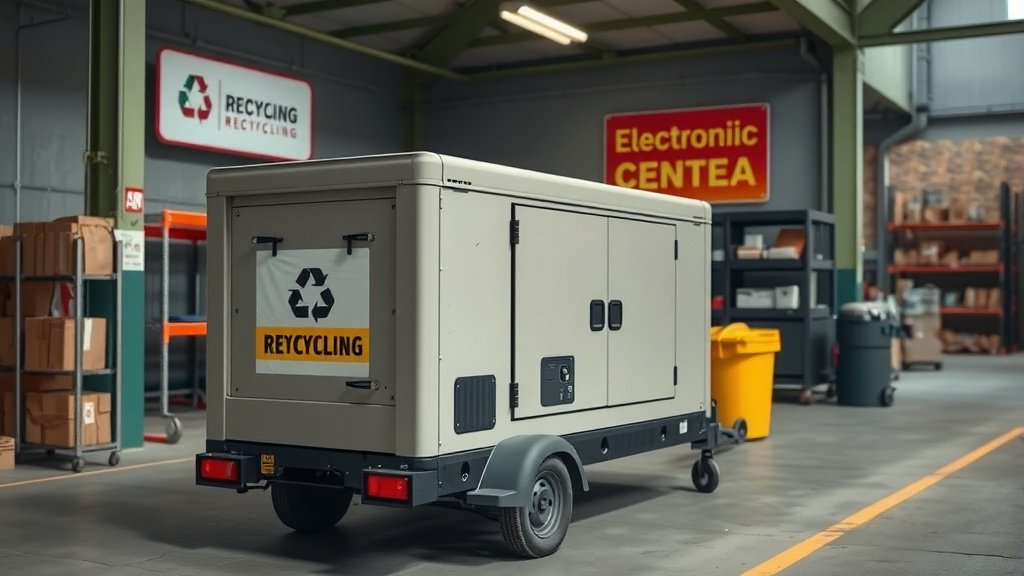
Disposing of an old portable power station safely involves finding certified recycling centers or specialized e-waste facilities in your area. Never put your
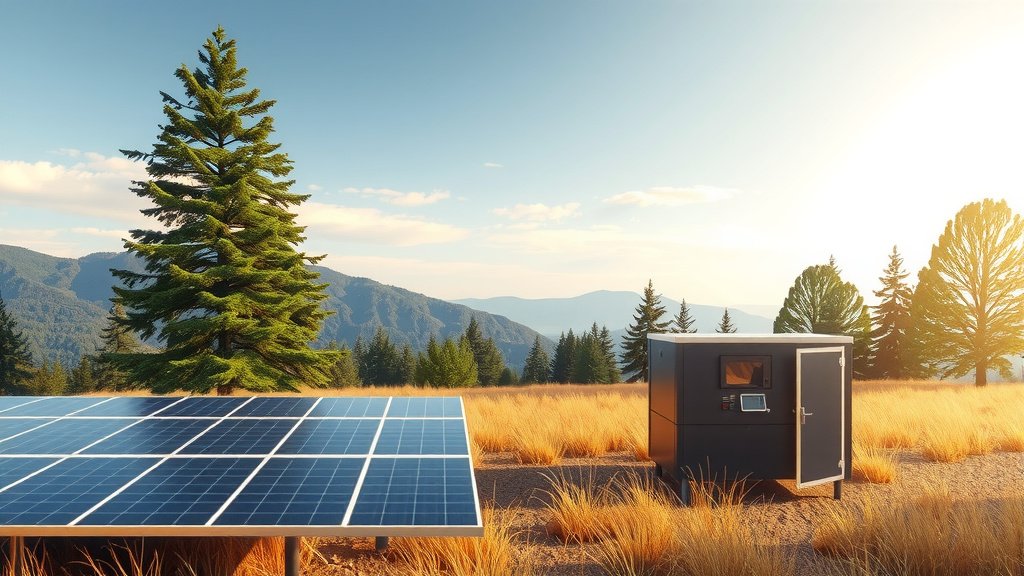
Solar panels significantly enhance the sustainability of portable power stations by generating clean, renewable electricity from sunlight, greatly reducing re
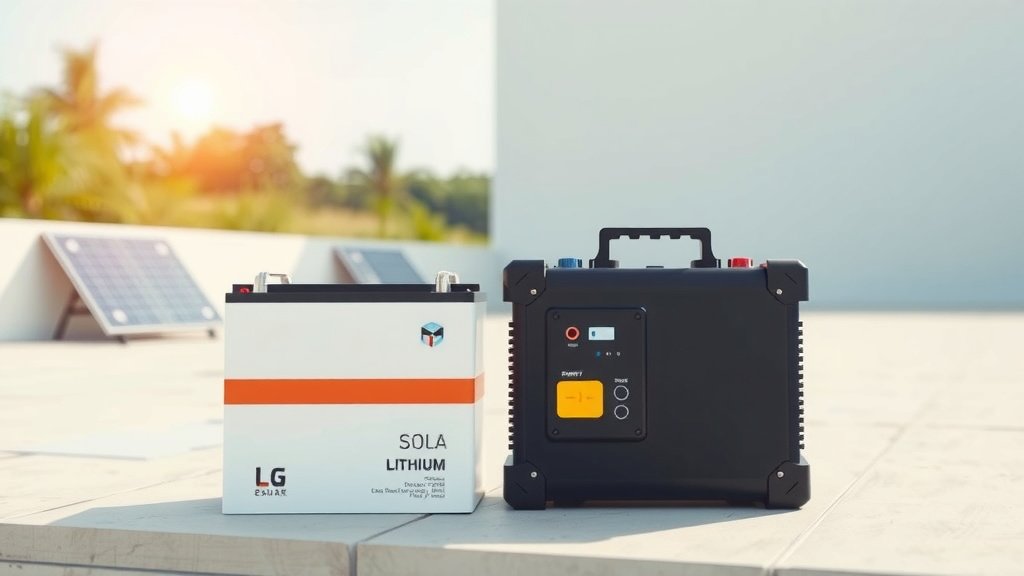
The environmental impact of lithium batteries primarily stems from the intensive mining of raw materials like lithium, cobalt, and nickel, along with the ener
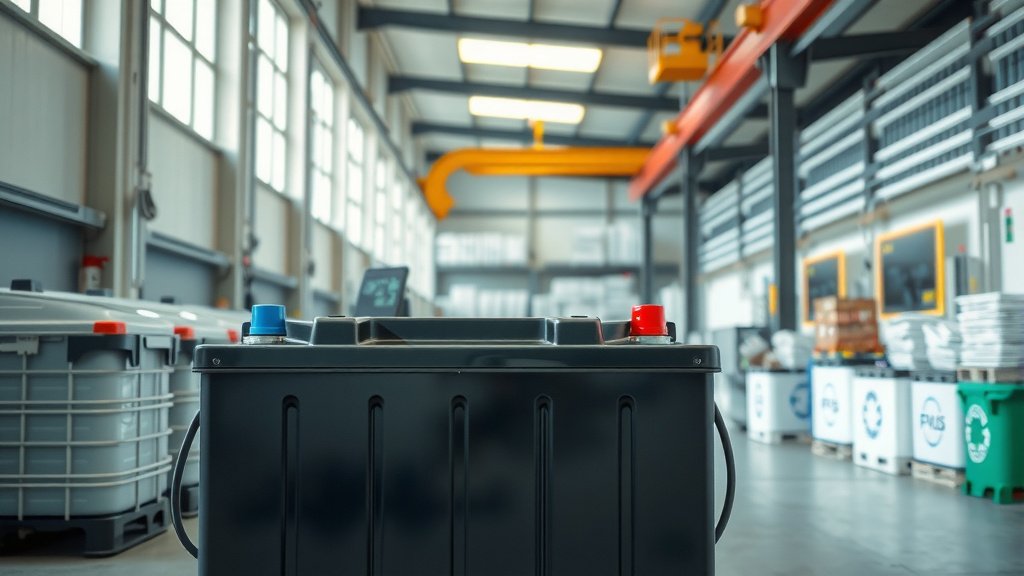
Recycling solar generator batteries properly is vital for environmental protection and resource recovery. You can typically recycle them through manufacturer

Yes, a portable power station can generally help you reduce your carbon footprint, especially when you pair it with renewable charging sources like solar pane
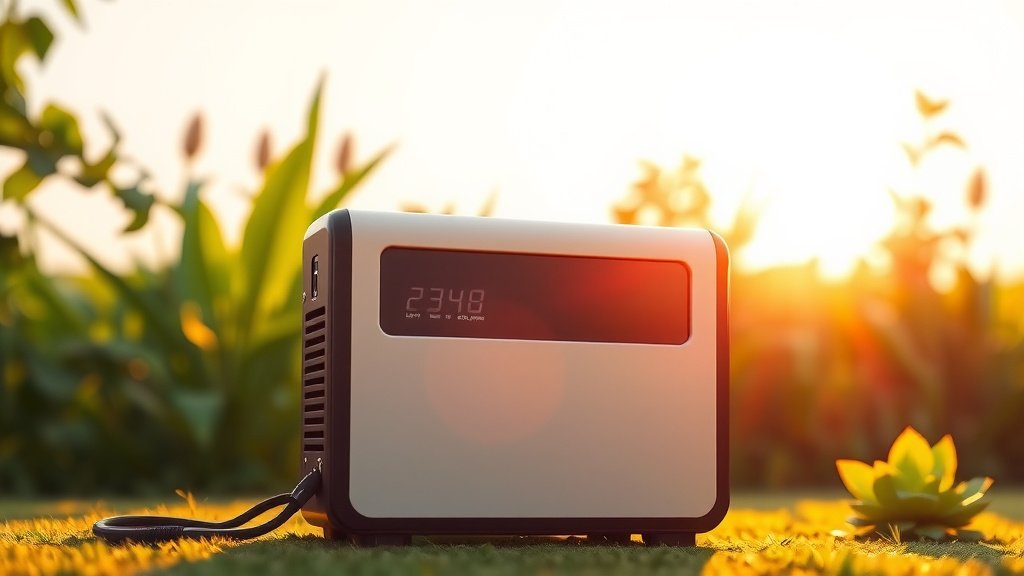
A solar generator is quite eco-friendly, especially when compared to traditional fossil fuel generators, because it harnesses clean, renewable energy from the
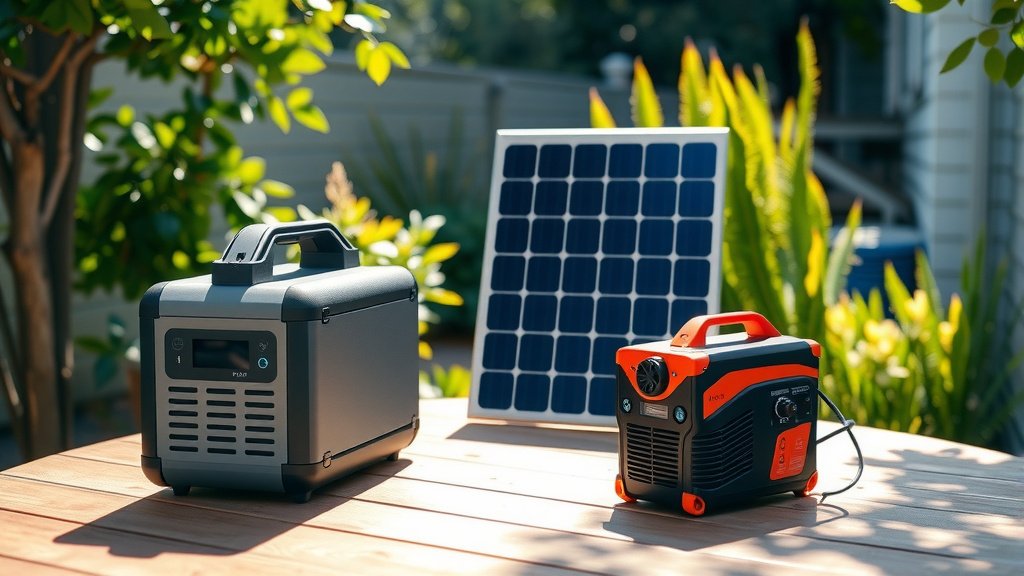
The maintenance cost for a portable power station is typically very low, often close to zero for most users over its lifespan. Unlike traditional generators,
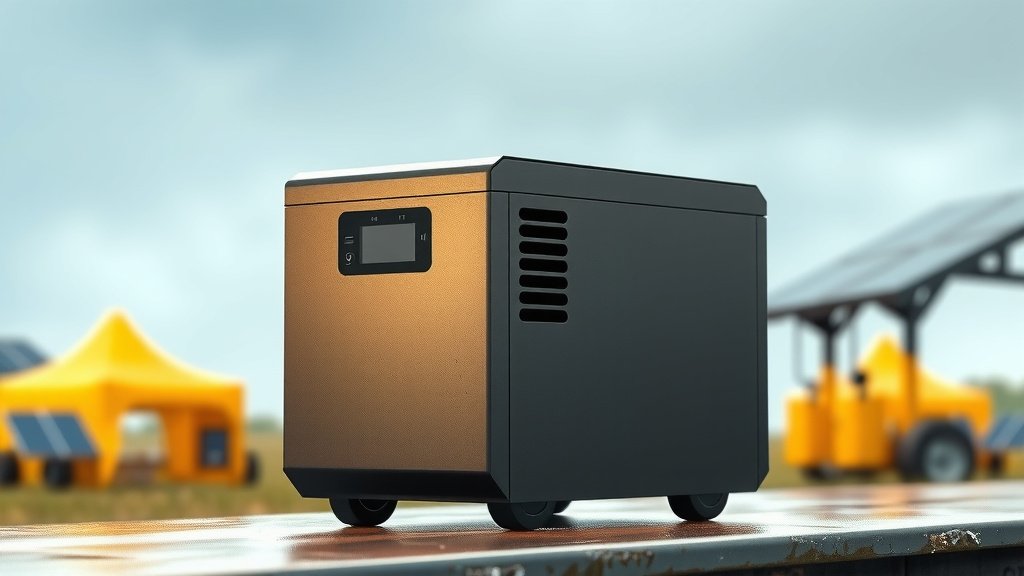
A solar generator’s waterproof rating, often called an IP (Ingress Protection) Code, tells you exactly how well it resists both solid particles like dust and
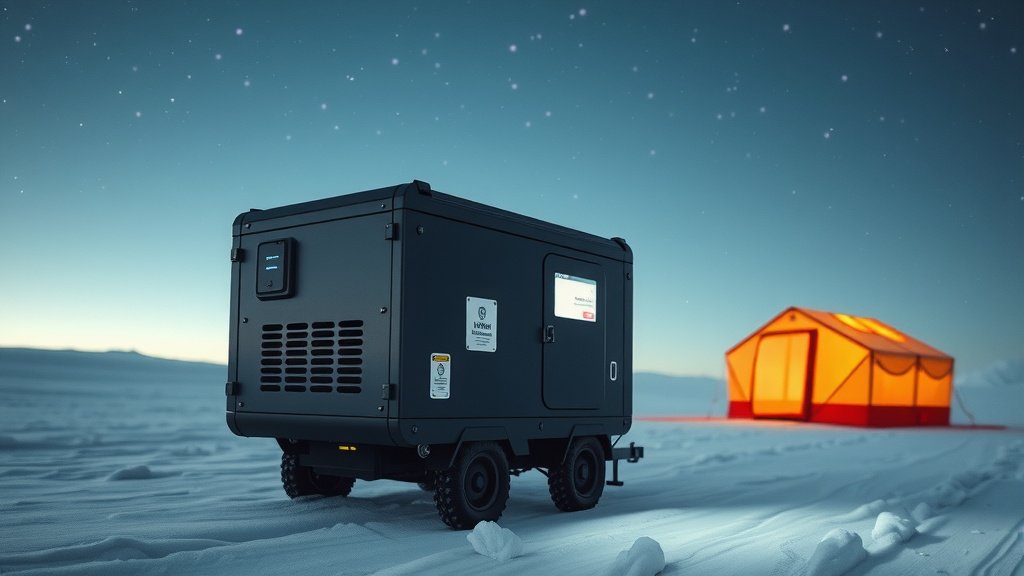
Yes, a portable power station can work in extreme cold, but you will often notice a significant drop in its overall performance and battery capacity. Most por
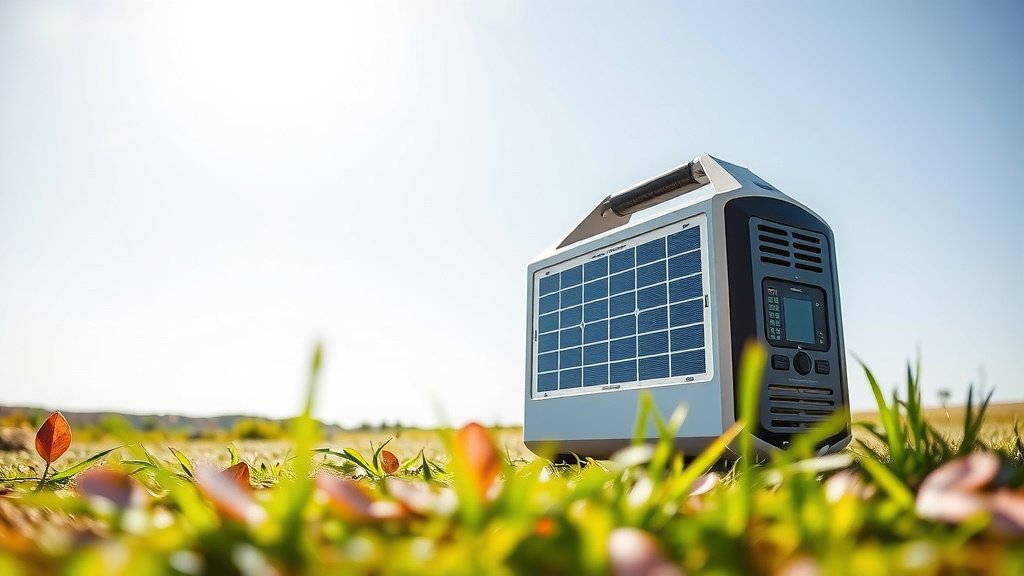
Temperature directly affects solar generator performance by reducing panel efficiency as heat increases and decreasing battery capacity in cold conditions. Yo
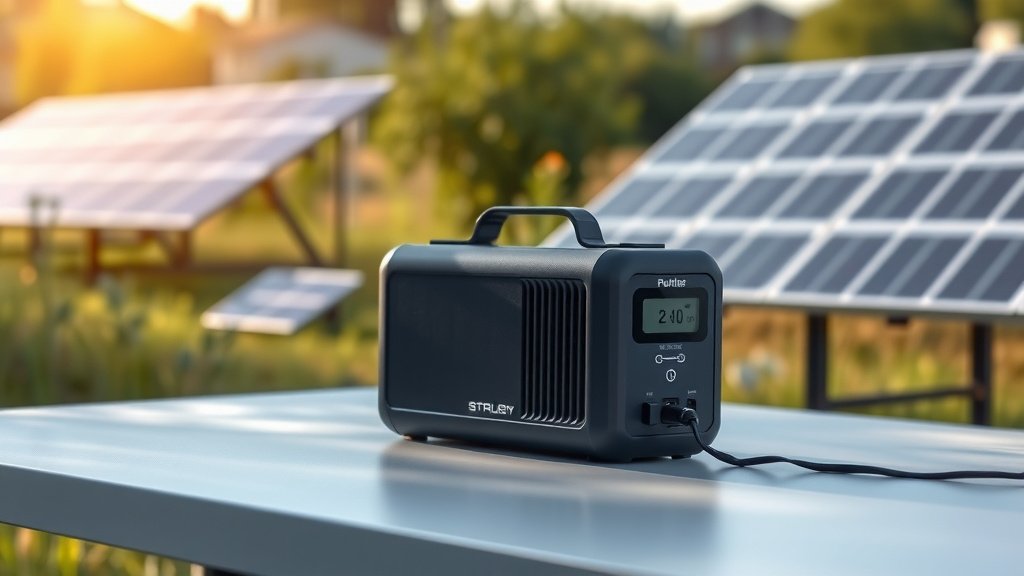
Depth of discharge (DoD) in a portable power station refers to how much battery capacity you’ve used compared to its total storage, expressed as a percentage.

A solar generator typically lasts 10-15 years with proper maintenance, while the battery component may need replacement every 5-10 years depending on usage an

The cycle life of a portable power station refers to how many complete charge and discharge cycles the battery can handle before its capacity drops to 80% of
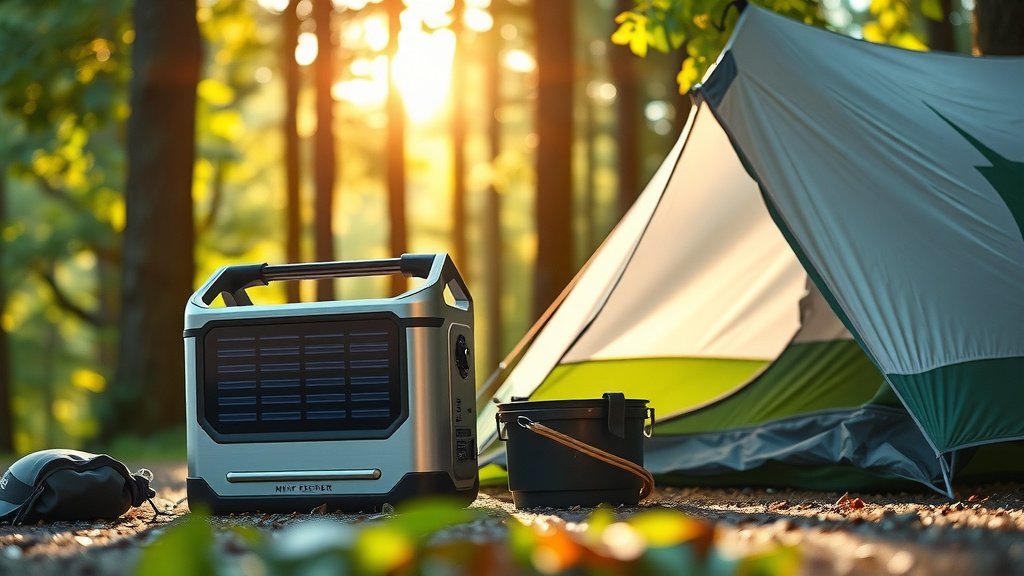
To store a solar generator when camping, find a dry, ventilated spot away from direct sunlight and extreme temperatures. The ideal storage location keeps your
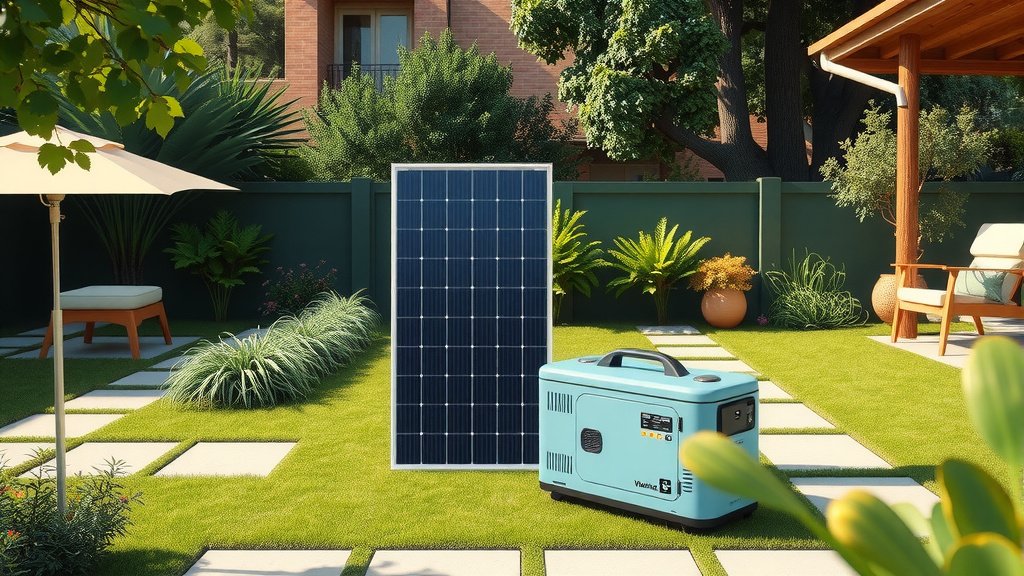
To maintain your solar generator for emergencies, charge it every 3-6 months, clean solar panels regularly, and store it in a dry place between 32-77°F. Prope
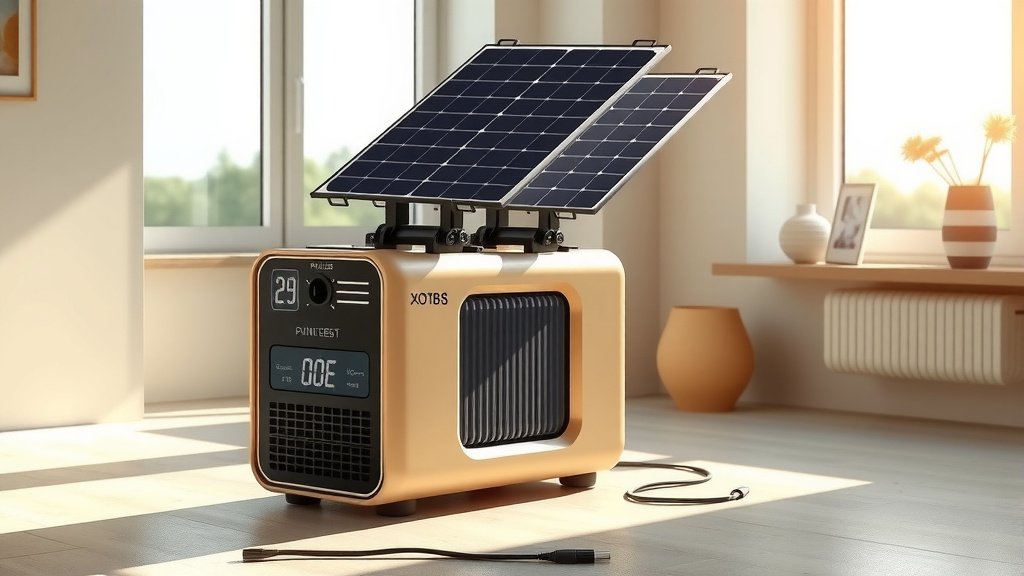
The safest portable power station for home use features LiFePO4 battery technology, multiple safety certifications, and built-in protection systems against ov
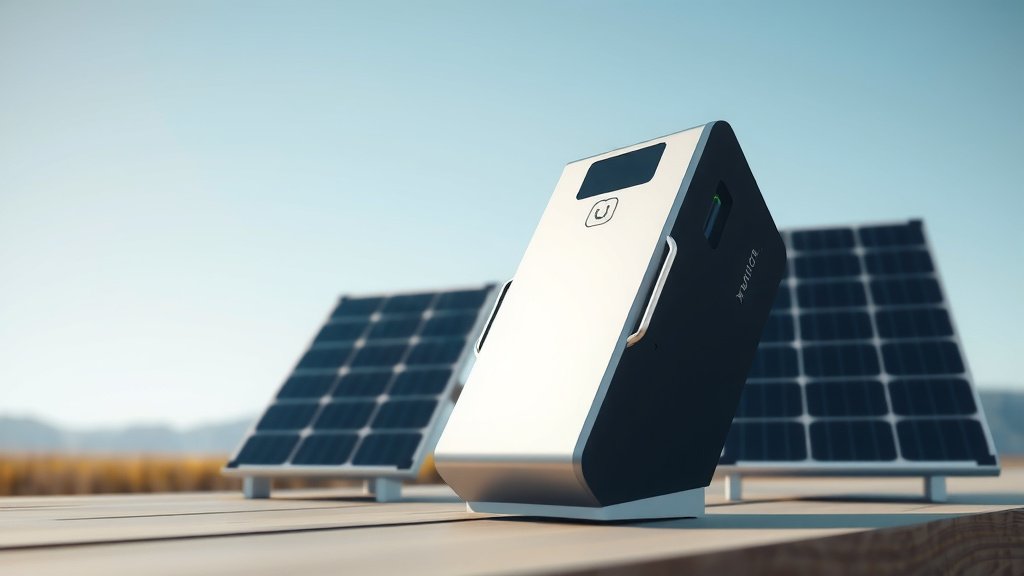
A LiFePO4 battery in solar generator is a lithium iron phosphate battery that stores solar energy with exceptional safety and longevity. It offers over 6,000
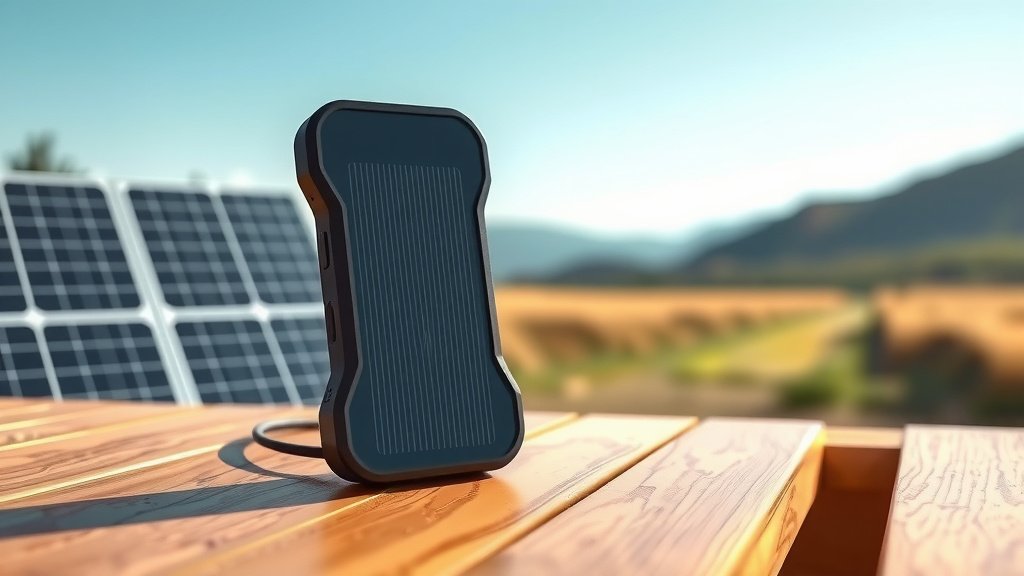
Lithium batteries in power stations typically last 10-15 years or 3,000-5,000 charge cycles before dropping to 80% capacity. Your power station’s lithium batt
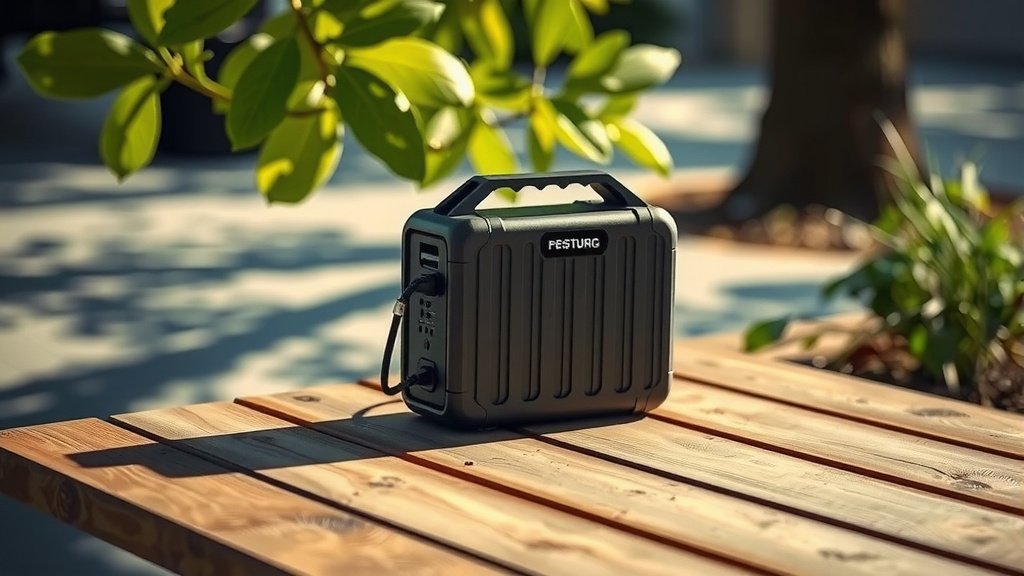
Portable power stations are generally safe when used properly, featuring built-in battery management systems, surge protection, and automatic shutoffs to prev
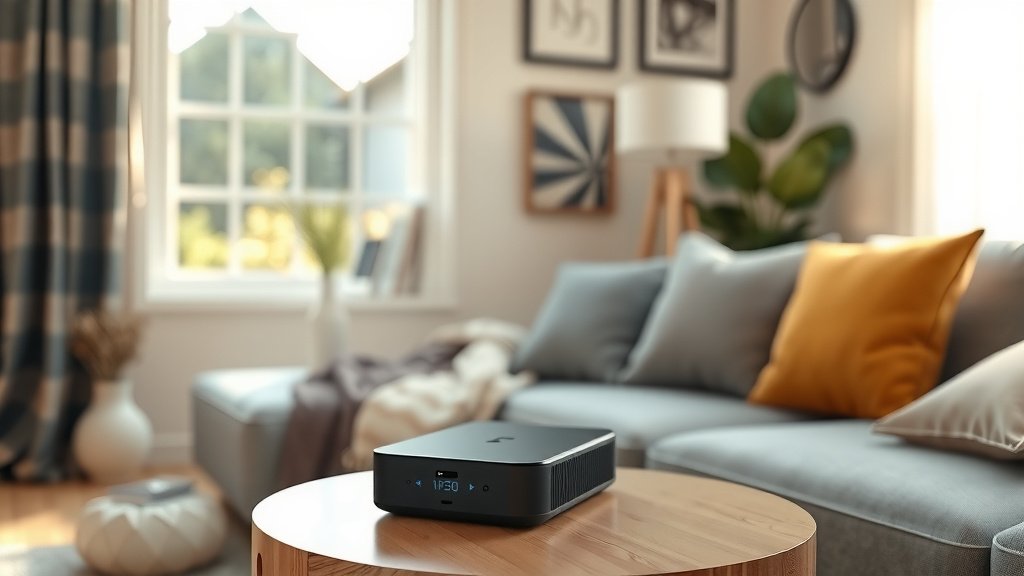
Yes, portable power stations can be used indoors safely as they produce no emissions, unlike gas generators. These battery-powered devices offer clean, quiet

A solar generator’s lifespan typically ranges from 10 to 25 years, depending on the battery type and how you maintain it. Lithium iron phosphate batteries las

Yes, portable power stations require regular maintenance to ensure optimal performance and longevity. Basic maintenance includes cleaning, proper charging cyc

Most Renogy solar generators last 10-15 years with proper care, though their lithium batteries typically retain 80% capacity after 2000-6000 charge cycles. Yo

LiFePO4 batteries improve solar generators by providing longer lifespan, safer operation, and better temperature tolerance compared to traditional lithium-ion

Lithium-ion power stations use standard lithium-ion batteries that offer high energy density but shorter lifespans. LiFePO4 power stations use lithium iron ph