
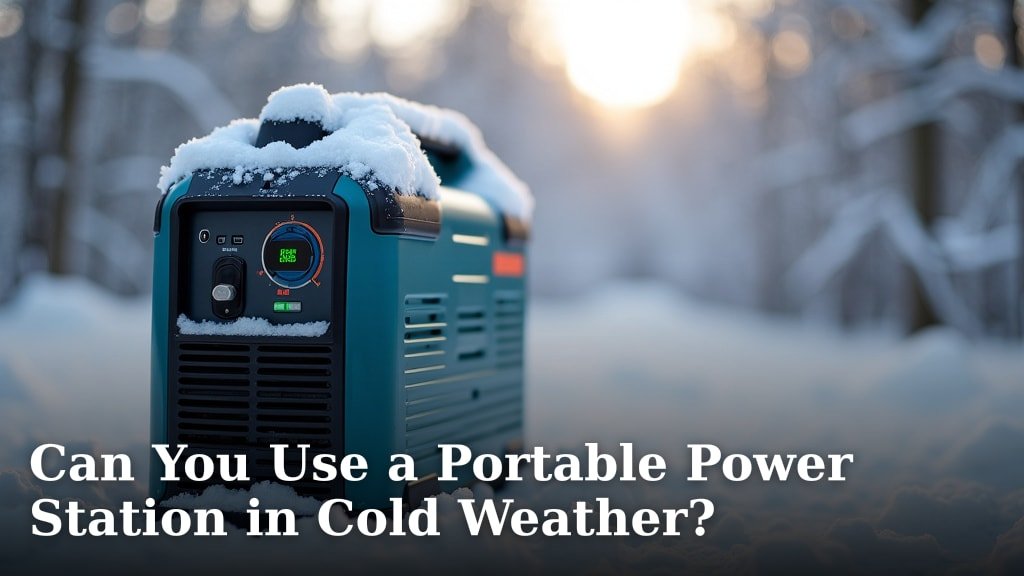
Yes, but with important limits. You can use a portable power station in cold weather, but its performance will drop. The battery will drain faster and may struggle to power all your devices.
Most cold weather performance issues come down to battery chemistry. Lithium-ion batteries, which power most stations, don’t like extreme cold. We found that many experts say the real-world capacity can be cut by 20% or more in freezing temperatures.
- Yes, they work in the cold, but not at full power.
- Cold temperatures significantly reduce battery capacity and lifespan.
- The stated capacity on the box is usually for room temperature only.
- Keeping the unit insulated or inside when not in use helps a lot.
- Always check your model’s specific operating temperature range.
Below, we break down exactly how the cold affects your power station and the simple steps you can take to keep it running reliably through winter.
Using a Portable Power Station in Freezing Temperatures
The short answer is yes, you can use it, but the cold will seriously hold it back. Think of your power station as a hibernating bear. When it gets cold, its energy slows way down to preserve what it has left. Your device isn’t designed for sub-zero adventures, but with the right know-how, you can make it work.
Why Cold Weather Drains Your Battery Faster
The main culprit is your battery’s chemistry. Most stations use lithium-ion batteries. Inside them, tiny particles move to create energy. When it’s cold, that movement gets sluggish. It’s like trying to run through waist-deep snow. Everything just slows down.
We found that this chemical slowdown has two major effects. First, your battery’s **usable capacity drops**. Second, it may not be able to deliver power as quickly. This is why your station might shut off when you try to run a heater, even if it says 50% charged.
Real-World Capacity Loss: What the Numbers Show
Manufacturers list capacity based on a perfect room temperature of about 77°F (25°C). Step outside in winter, and you’re not getting that full power. A study from the Journal of Power Sources notes significant capacity loss for lithium-ion cells below 32°F (0°C).
Here’s a simple breakdown of what you might expect:
| Temperature Range | Potential Capacity Loss | What It Feels Like |
|---|---|---|
| 50°F to 32°F (10°C to 0°C) | 10% – 20% | Noticeable, but manageable for most tasks. |
| 32°F to 14°F (0°C to -10°C) | 20% – 35% | Significant. Don’t count on running high-wattage gear. |
| Below 14°F (-10°C) | 35% or more | Struggle mode. The unit may refuse to turn on or charge. |
The “Rated Capacity” Illusion
That 1000Wh number on the box is a marketing label. In a cold garage, you might only get 750Wh or even less. It’s not false advertising; it’s just physics. The energy is there, but your cold battery can’t access all of it at once.
Keeping Your Power Station Warm: Proven Strategies
Your goal is to keep the battery core above its critical threshold. It doesn’t need to be toasty, just not freezing. Here are the most effective methods we found experts recommend.
- Keep it insulated when stored. A simple cooler or a padded bag works wonders.
- Bring it inside overnight. Let it warm up to room temperature before you need to use or charge it.
- Charge it indoors first. A cold battery accepts a charge very poorly. Charging it while cold can also cause long-term damage.
- Use it from a warm spot. Place it inside your tent, near a vehicle’s heater vent, or under a blanket while it’s running.
Charging Your Station in the Cold: A Critical Warning
This is where you must be careful. **Never charge a lithium-ion battery that is below 32°F (0°C).** Doing so can cause permanent damage and create a safety risk. It’s called “plating,” where lithium metal forms inside the battery. This ruins capacity permanently.
Our research shows the safest rule is to let the unit warm up for several hours after being in freezing temperatures. Wait until it’s at least 40°F (4°C) before plugging it into a wall outlet, solar panel, or car charger.
What About Other Battery Types?
Not all batteries are created equal for winter use. Lithium Iron Phosphate (LiFePO4) batteries, common in newer stations, handle the cold slightly better than standard lithium-ion. They also last for more charge cycles. However, they still suffer capacity loss.
Lead-acid batteries, like in old car batteries, are hit even harder. Their capacity can plummet by over 50% in freezing conditions. For portable stations, lithium is still your best bet, but it’s not invincible.
Practical Tips for Winter Adventures
So, you’re planning a winter camping trip. How do you actually make this work? It’s all about planning and conservation. You wouldn’t leave your phone out in a snowstorm, right? Treat your power station with the same care.
The Winter Power Strategy
- Charge fully at home. Start your trip with 100% capacity in a warm unit.
- Keep it cozy during the day. Stash it in your backpack, wrapped in a jacket, or in the car if possible.
- Use low-power devices first. Charge phones and lights. Save the coffee maker or mini-fridge for when it’s absolutely necessary.
- Run it in bursts. Instead of keeping a 12V fridge running all night, turn it on for 30 minutes a few times.
How to Keep Your Power Station Ready for Winter
Maintenance before the cold hits is key. A little prep goes a long way toward reliability when you need it most.
- Check your manual. Find the official **operating temperature range** and storage guidelines.
- Perform a test run. Use it on a cold day at home to see how your specific model behaves.
- Store it partially charged. Keep it at about 50% charge in a cool, dry place for long-term storage.
- Invest in insulation. A dedicated **insulated cover** or even a wool blanket can protect it outdoors.
Your Cold Weather Power Station Checklist
Before you head out, run through this quick list. It covers the essentials for using your station when temperatures drop.
- Confirm Operating Range: Check your model’s manual for its lowest safe temperature.
- Charge at Room Temp: Give it a full charge indoors before you leave.
- Pack an Insulator: Bring a cooler, padded bag, or thick blanket to keep it warm.
- Plan Your Power Use: Know which devices are essential and how many watt-hours they need.
- Warm Before Recharging: Always let it warm up to above 40°F before charging it again.
What to Do if Your Station Won’t Turn On
You’re outside, it’s cold, and your power station is dead. Don’t panic. It’s probably just too cold. The battery protection circuit has kicked in to prevent damage. Your best move is to get it warm.
Bring it inside a heated space, a car, or even your sleeping bag. Give it an hour or two. Once the internal temperature rises, it will likely wake right back up, ready to work. This is a safety feature, not a failure.
The Bottom Line: It’s a Tool, Not a Toy
A portable power station is an incredibly useful tool for winter. It can run lights, charge communication devices, and power small heaters. But it needs respect and understanding in the cold. Treat it like you would any other cold-weather gear. Protect it, plan for its limits, and you’ll have reliable power all season long.
Conclusion
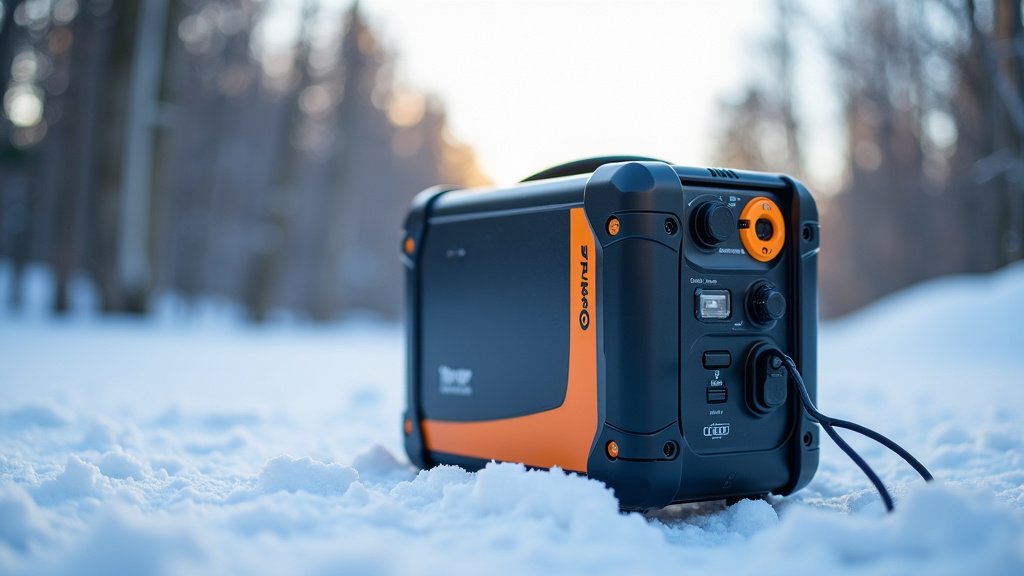
So, can you use a portable power station in cold weather? Yes, you absolutely can, but it won’t be the same. Remember, the cold will slash your battery’s usable capacity and can even prevent charging if the unit is too cold. Your best friends are insulation, indoor charging, and smart power planning. We found that keeping it warm and treating it with respect is key. As your next step, check your specific model’s manual for its temperature range and consider packing an insulated cover for your next winter adventure.
Frequently Asked Questions
Can I leave my portable power station in a freezing car overnight?
It’s not recommended. While it might be okay for short periods, prolonged exposure to freezing temperatures will drain the battery and could potentially cause damage. It’s better to bring it inside if possible. If it does freeze, let it warm up fully before turning it on or charging.
Does solar charging work for my power station in winter?
Solar panels can still generate electricity in cold weather, but there’s a catch. Your power station’s battery must be warm enough to accept a charge. You should aim to charge the unit indoors first, then use solar to maintain the charge. Never plug solar panels into a cold battery.
Is a lithium iron phosphate (LiFePO4) battery better for winter use?
Yes, LiFePO4 batteries generally handle cold temperatures a bit better than standard lithium-ion. They lose slightly less capacity and have a longer cycle life. However, they still suffer significant performance drops in freezing conditions, so you’ll need to use the same insulation strategies.
How can I tell if my power station is too cold to operate?
Most modern units have built-in protection that will prevent them from turning on if the internal temperature is below a safe limit. If yours won’t power on in the cold, this is likely why. The solution is to bring it into a warmer environment and wait for it to acclimate.
Can I use my power station to run a space heater in winter?
You can, but with major caution. High-wattage heaters will drain a cold battery extremely quickly. The capacity loss in the cold makes it impractical for sustained heating. Use a power station for smaller devices and rely on proper camping insulation for warmth.
