
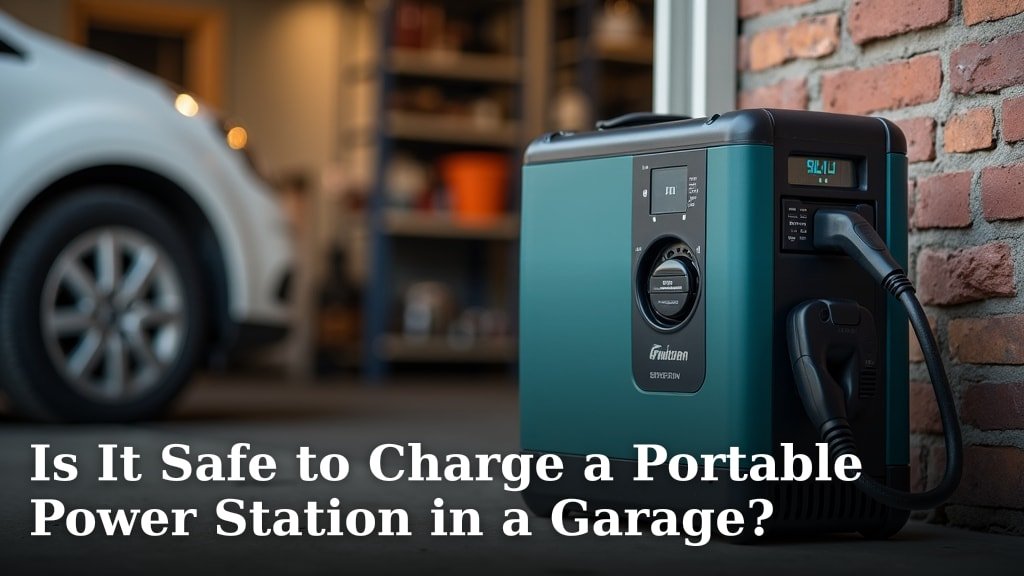
Yes, it is generally safe to charge a portable power station in a garage, but you need to consider a few important factors. Most power stations are designed for indoor use and can handle typical garage temperatures, but extreme conditions can pose risks. Always check your specific model’s temperature guidelines to ensure safe operation.
Garages can experience a wide range of temperatures, from freezing in winter to scorching hot in summer. Your power station’s battery performance and longevity can be affected by these extremes. While charging, it’s best to keep the unit within its recommended operating temperature range to avoid damage and ensure it functions properly when you need it most. Learn how to maintain the performance and longevity of your power station’s battery in different conditions.
- Generally safe to charge in a garage.
- Watch out for extreme temperatures (too hot or too cold).
- Check your power station’s specific temperature limits.
- Keep it within the recommended operating range for safety.
Let’s walk through exactly what you need to know about charging your portable power station safely in your garage.
Is Your Garage a Safe Place for Charging Your Power Station?
You’re probably wondering if your garage is the best spot to juice up your portable power station. The short answer? Yes, most of the time. Garages are often used for storage, and that’s a common place for these handy devices. But, like anything electronic, there are a few conditions to keep an eye on.
Think of your power station as a happy traveler. It likes comfortable temperatures. Too hot or too cold, and it might get grumpy. We’ll help you figure out what “comfortable” means for your specific unit.
Understanding Temperature’s Role in Charging
The Sweet Spot: Ideal Charging Temperatures
Most portable power stations work best when they’re kept within a specific temperature range. We found that this range is typically between 50°F and 80°F (10°C to 27°C). This is similar to the conditions you’d want for most indoor electronics.
When your power station is in this zone, its battery can charge efficiently. You’ll also help protect its overall lifespan. Keeping it cool enough is key, especially during warmer months.
What Happens When It Gets Too Hot?
Garages can turn into ovens in the summer, right? If your power station gets too hot, its internal battery components can suffer. Think of it like trying to run a marathon on a sweltering day – it’s just not good for anyone’s performance.
Research shows that charging batteries at high temperatures can speed up their degradation. This means your battery might not hold as much charge over time. In extreme cases, it could even lead to safety issues. Always check your manual for the maximum safe charging temperature – it’s usually around 100°F to 110°F (38°C to 43°C).
The Danger Zone: Charging in the Cold
Winter can bring its own set of challenges. Garages can dip below freezing. If your power station gets too cold, it can’t charge properly. In fact, attempting to charge a lithium-ion battery below 32°F (0°C) can cause permanent damage.
You might see reduced capacity or even a failure to charge altogether. Most manufacturers recommend not charging below 32°F (0°C). Some units have built-in low-temperature protection, but it’s best not to push your luck. Many experts suggest keeping your power station above 40°F (4°C) for safe charging in colder weather.
Garage Environment: What to Watch For
Ventilation is Your Friend
When your power station is charging, it generates a small amount of heat. Proper ventilation helps dissipate this. A stuffy garage with poor airflow can trap heat, raising the internal temperature of your unit.
Ensure there’s enough space around your power station. Don’t pile boxes or other items against it. Good airflow helps maintain a stable operating temperature, which is essential for safe and efficient charging.
Moisture and Humidity Concerns
Garages can sometimes be damp places. High humidity can be bad for electronics. Moisture can lead to corrosion on internal components over time.
We found that excessive moisture can also affect battery performance. If your garage feels damp, consider using a dehumidifier or at least placing your power station on a raised surface away from potential water sources. Keeping the unit dry is just as important as keeping it at the right temperature.
Potential Hazards in the Garage
Think about what else is in your garage. Are there flammable materials like gasoline or solvents nearby? While portable power stations are designed with safety features, it’s always wise to keep them away from anything that could pose a fire risk.
Also, consider any exposure to dust or debris. Garages can be dusty environments. Excessive dust can get into vents and potentially overheat the unit. A clean, organized space is the safest bet for your electronics.
Checking Your Power Station’s Specifics
Read Your User Manual – Seriously!
We can’t stress this enough: your power station’s user manual is your best friend. It contains the most accurate information for your specific model. Manufacturers detail their recommended operating and charging temperatures.
You’ll also find information about storage conditions and any special instructions. Don’t toss that manual! It’s there to help you use your device safely and effectively. You can usually find a digital version on the manufacturer’s website if you’ve lost the paper copy.
Understanding Operating vs. Charging Temperatures
It’s important to note that operating temperatures and charging temperatures can sometimes differ. Your power station might be able to operate in a wider range than it can safely charge.
For instance, it might work fine in slightly colder or warmer conditions when it’s just powering devices. But when it’s plugged in and charging, those temperature limits become more critical. Always refer to the section specifically about charging in your manual.
Practical Tips for Safe Garage Charging
Use a Temperature Monitor
If you’re concerned about your garage’s temperature, consider using a simple digital thermometer or a smart home sensor. This allows you to keep an eye on the conditions without constantly having to guess.
You can place the monitor near your power station. This gives you a clear reading of the immediate environment. Many smart monitors can even send alerts to your phone if temperatures go outside your set range.
Create a Dedicated Charging Zone
Set aside a specific spot in your garage for charging. This area should be dry, well-ventilated, and away from direct sunlight or extreme temperature fluctuations. It should also be clear of flammable materials.
This dedicated spot helps ensure consistency. It makes it easier to check on your power station regularly. You’ll also know exactly where it is, and that it’s in a safe location.
Consider the Season and Your Climate
Your local climate plays a big role. If you live somewhere with very hot summers or freezing winters, your garage might be more challenging. You might need to take extra precautions.
In extreme heat, perhaps charging during cooler morning or evening hours is best. In winter, you might need to bring the power station inside a climate-controlled area of your home to charge it if your garage is too cold. Being mindful of the seasonal impact is key.
When to Charge Indoors Instead
If your garage consistently experiences temperatures outside the recommended range, charging indoors is the safer choice. Most manufacturers design their power stations for indoor use.
Charging in a basement, utility room, or even a well-ventilated corner of your main living space is often preferable if your garage is too extreme. The goal is to protect your investment and ensure it’s ready when you need it.
Quick Checklist for Safe Garage Charging
Here’s a quick rundown to ensure you’re charging your power station safely in the garage:
- Check the manual: Always refer to your specific model’s temperature guidelines.
- Monitor temperatures: Keep an eye on your garage’s climate – avoid extremes.
- Ensure ventilation: Make sure air can circulate freely around the unit.
- Keep it dry: Protect the power station from moisture and humidity.
- Clear the area: Store away from flammable materials and dust.
- Charge indoors if needed: If your garage is too hot or cold, find a better spot.
Conclusion
You’ve learned that charging your portable power station in the garage is generally safe, but it’s not a simple yes or no answer. The biggest factor is temperature – extremes of hot or cold can damage your unit and reduce its lifespan. Always check your manual for specific limits, typically between 50°F and 80°F for best results. Proper ventilation and keeping the area dry and clear of hazards are also key. Before you plug in, take a moment to assess your garage environment and your power station’s needs. You’re now ready to make an informed decision for safe and efficient charging.
Frequently Asked Questions
Can I leave my power station plugged in and charging in the garage all the time?
Leaving your power station plugged in continuously in the garage is generally okay if the temperature stays within its recommended charging range. However, constantly topping off the battery can sometimes reduce its overall lifespan. It’s a good practice to unplug it once it’s fully charged if you’re not actively using it.
What should I do if my garage gets too hot for charging?
If your garage frequently exceeds the safe charging temperature for your power station, the best solution is to move the unit indoors to a climate-controlled area. Basements or even a corner of your home often provide a more stable and suitable environment for charging.
Is it safe to charge my power station in a garage that gets below freezing?
No, it’s not safe to charge a lithium-ion battery in freezing temperatures. Research shows that charging below 32°F (0°C) can cause permanent damage to the battery. If your garage drops below this point, you must bring your power station inside to charge.
How important is ventilation when charging a power station in the garage?
Ventilation is very important. Charging generates a small amount of heat, and good airflow helps dissipate it. A stuffy garage can trap heat, potentially causing your power station to overheat, which impacts performance and safety.
What if my power station manual doesn’t mention garage charging specifically?
If your manual doesn’t mention garage charging, focus on the general operating and charging temperature ranges provided. These are the most critical guidelines. Treat your garage as you would any other indoor space, ensuring it meets those temperature, ventilation, and moisture requirements for safe operation.
