
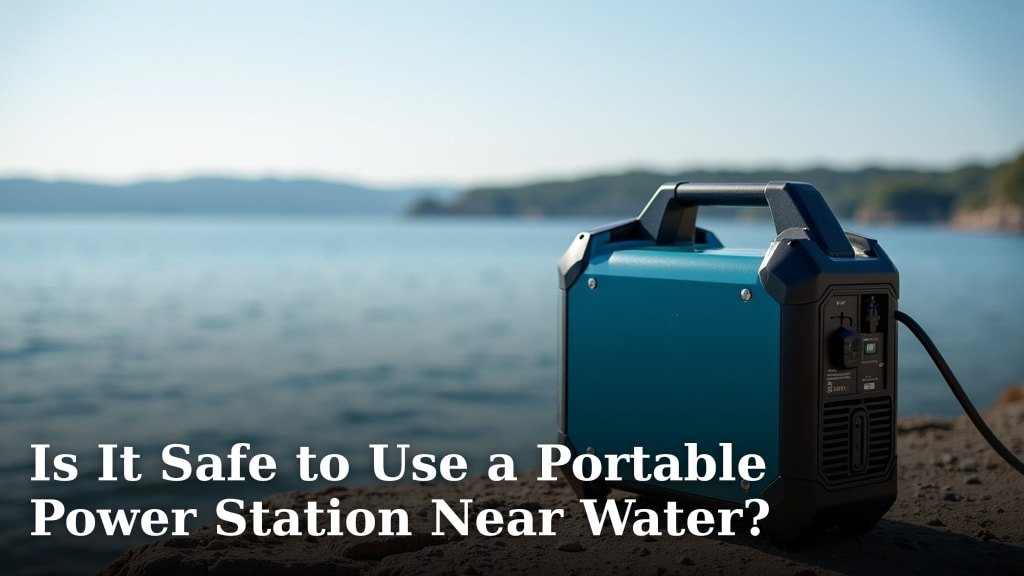
Generally, yes, you can use a portable power station near water, but with **significant precautions**. It’s not recommended to submerge or directly expose your power station to **splashing water**. Proper placement and keeping it dry are key to safe operation. You wouldn’t want your handy gadget to become a waterlogged paperweight!
Many portable power stations are built with some level of **water resistance**, but this varies greatly by model. Always check your specific device’s IP rating. Think of it like your smartphone; some can handle a little rain, but you wouldn’t take them swimming. We found that understanding these ratings is essential for **preventing damage**.
- Water and electricity don’t mix well.
- Most power stations aren’t waterproof, just water-resistant.
- Always check your device’s IP rating.
- Keep your power station elevated and dry.
Let’s walk through exactly what you need to know to stay safe and keep your power station running when water is around.
Is it Safe to Power Your Gear Near Water?
Using a portable power station near water requires careful consideration. Most power stations are designed for outdoor use, but they aren’t built to be waterproof. Understanding the difference between water-resistant and waterproof is key to **keeping your equipment safe** and preventing accidents.
Understanding Water Resistance Ratings (IP Codes)
You’ve probably seen those two-digit numbers on electronic devices, like “IP67.” These are called Ingress Protection or IP ratings. They tell you how well a device is protected against solids (like dust) and liquids (like water). The first digit is for solids, and the second is for liquids.
What the Numbers Mean
For water resistance, we’re most interested in the second digit. A “0” means no protection, while a “9” means it’s protected against high-pressure water jets. For most portable power stations, you’ll see ratings like IPX4 or IPX5.
- IPX4: Protected against splashes from any direction. Think light rain or a gentle spray.
- IPX5: Protected against water jets from any direction. This offers a bit more protection than IPX4.
- IPX6: Protected against strong water jets. This is a good level of protection for more adventurous outdoor use.
- IPX7: Protected against temporary immersion in water. This is where you start getting close to ‘waterproof,’ but not quite.
Does Your Power Station Have an IP Rating?
Many manufacturers are becoming more transparent about their products’ capabilities. You can usually find the IP rating in the product’s specifications on their website or in the user manual. If you can’t find it, it’s best to assume it has minimal water protection.
| IP Rating (Second Digit) | Protection Level | What it Means for Your Power Station |
|---|---|---|
| 0 | No protection | Avoid all contact with water. |
| 1 | Drips (vertically) | Light condensation might be okay, but avoid any direct water. |
| 2 | Drips (tilted up to 15°) | Slightly better than 1, but still very limited water protection. |
| 3 | Spraying water | Can handle light spray, but not direct streams. |
| 4 | Splashing water | Protected against splashes from any direction. Good for light rain. |
| 5 | Water jets | Protected against low-pressure water jets. Better for light rain or accidental sprays. |
| 6 | Strong water jets | Protected against powerful water jets. More robust protection. |
| 7 | Temporary immersion | Can be submerged in water for a short time (usually 30 minutes at 1 meter depth). |
| 8 | Continuous immersion | Can be submerged continuously under specified conditions. Highly waterproof. |
| 9 | High-pressure, high-temperature jets | Protected against powerful, hot water jets. Extremely waterproof. |
Risks of Using a Power Station Near Water
Electricity and water are a dangerous combination. When water gets into the internal components of your power station, it can cause short circuits. This can damage the battery, the inverter, and other sensitive electronics. It’s not just about frying your device; it’s about **personal safety** too.
Short Circuits and Damage
If water enters the battery cells or the charging ports, it can create pathways for electricity to flow where it shouldn’t. This can lead to irreversible damage. You might find your power station no longer holds a charge or simply won’t turn on. We’ve seen reports where water ingress completely destroyed a unit.
Electrocution Hazard
This is the most serious risk. If a power station that isn’t properly protected comes into contact with water, especially while plugged in or charging, it can energize the water. This creates a real danger of **electrocution** for anyone nearby. Many safety guidelines, like those from the CDC, strongly advise against mixing electricity and water sources. This is why it’s crucial to be aware of your surroundings and your device’s limitations.
Best Practices for Water Proximity Safety
So, what can you do to stay safe and protect your gear when water is around? The key is to create a buffer zone and ensure your power station stays dry.
Elevation is Your Friend
Always place your power station on a stable, elevated surface. This means keeping it off the ground, especially if there’s a chance of puddles or rising water levels. Think about a picnic table, a sturdy cooler, or even a dedicated stand. This simple step helps prevent accidental splashes and submersion.
Use a Waterproof Tarp or Mat
Consider laying down a waterproof tarp or mat around your power station’s placement area. This provides an extra layer of defense against ground moisture or minor spills. It acts as a barrier, keeping the immediate vicinity dry. You wouldn’t want a small spill at your campsite to turn into a big problem, right?
Keep Lids and Ports Closed
When not in use, ensure all ports are covered and any access panels or lids are securely closed. Most power stations have rubber or plastic covers for their ports. Make sure these are properly sealed. This is your first line of defense against dust and splashes.
Monitor Weather Conditions
Pay attention to the forecast. If there’s a chance of heavy rain, wind-blown spray, or storms, it’s best to move your power station to a drier, more sheltered location. Your devices can wait; **your safety is paramount**.
Avoid Direct Water Contact
This might sound obvious, but it bears repeating. Never intentionally splash water on your power station. Avoid placing it where it could be directly hit by sprinklers, hoses, or waves. If you’re near a beach or a lake, keep it a good distance from the water’s edge.
What if Your Power Station Gets Wet?
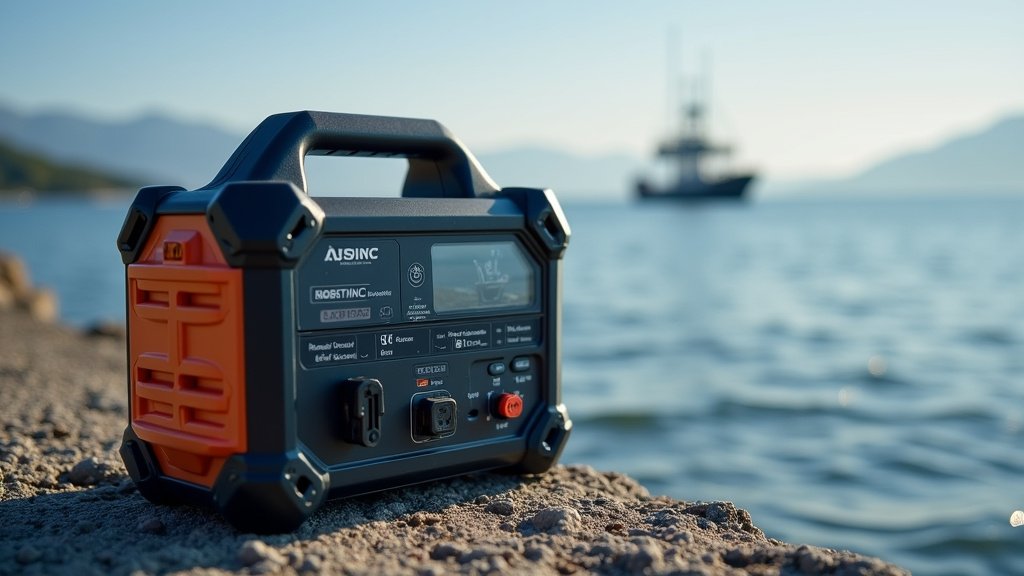
Accidents happen, and it’s important to know what to do. If your power station gets wet, the first and most critical step is to **immediately unplug it** from any power source and disconnect any devices it’s powering.
Drying and Inspection
Gently wipe down the exterior with a dry, soft cloth. Do not use heat, like a hairdryer, as this can damage internal components. Allow the power station to air dry completely in a warm, well-ventilated area for at least 48 hours. After it’s thoroughly dry, inspect it carefully for any signs of corrosion, damage, or unusual smells before attempting to turn it on. If you see any signs of damage or smell anything odd, do not use it. Contact the manufacturer for guidance.
We found that many sources, including consumer electronics advice sites, stress the importance of patience. Don’t rush the drying process. It’s better to wait longer and be sure than to risk further damage or a safety hazard.
Quick Safety Checklist for Power Stations Near Water
Here’s a quick rundown to keep your power station and yourself safe:
- Check IP Rating: Know your device’s specific water resistance.
- Elevate and Dry: Always place it on a stable, raised surface, away from puddles.
- Keep Ports Covered: Ensure all port covers are secure when not in use.
- Monitor Weather: Move it to shelter if rain or spray is expected.
- Avoid Direct Splashes: Never intentionally spray or submerge your power station.
- Dry Immediately if Wet: Unplug, wipe, and air dry thoroughly for at least 48 hours.
Conclusion
When using your portable power station near water, remember that safety and prevention are key. While many models offer some water resistance, they are rarely fully waterproof. Always check your device’s IP rating and understand its limits. By keeping your power station elevated, dry, and its ports covered, you create a protective barrier against splashes and moisture. Should an accident happen, unplug it immediately and allow it to dry thoroughly for at least 48 hours before considering use. Treat your power station with respect around water, and it will serve you reliably.
Frequently Asked Questions
Can I leave my power station outside during light rain?
It depends on your power station’s IP rating. If it’s rated IPX4 or higher, it should be able to handle light rain splashes. However, it’s always best to place it on an elevated, dry surface and monitor the conditions closely to avoid direct water contact or prolonged exposure.
What is the difference between water-resistant and waterproof for power stations?
Water-resistant means the device can withstand some exposure to water, like splashes or light rain (depending on the IP rating). Waterproof means it can be submerged in water for a specified period without damage. Most portable power stations are only water-resistant, not truly waterproof.
Is it safe to charge my power station near a pool?
Charging your power station near a pool is generally not recommended due to the high risk of splashing. Even if your unit has some water resistance, the combination of charging electronics and water creates an elevated safety hazard. Keep it well away from the pool’s edge.
My power station got wet, what should I do first?
The absolute first thing you must do is immediately unplug it from any power source and disconnect any devices you have plugged into it. This prevents electrical hazards and further damage to the unit. Then, begin the drying process as outlined in the article.
Can I use an extension cord with my power station if it’s near water?
Using an extension cord near water with your power station introduces another electrical component that needs protection. Always ensure both the power station and any connected cords are kept dry and elevated. Avoid running cords through puddles or wet areas if possible.
