Why Is My Portable Power Station Losing Charge Overnight?
On this page (7 sections)
Your portable power station losing charge overnight is likely happening because of a few common reasons, such as phantom power drain, an aging battery, or extreme temperatures. It’s not usually a sign of a major problem, but it does mean you might not have power when you need it most. We’ve found that understanding these factors helps you troubleshoot effectively.
This overnight battery drain can be frustrating when you’re counting on your power station. Think of it like your phone battery slowly ticking down even when it’s in your pocket. Factors like connected devices and even the internal components of the power station itself can contribute to this gradual loss of power. Many users report similar experiences.
- Phantom power drain from connected devices.
- Internal power usage by the station’s circuits.
- Battery health and age affect charge retention.
- Environmental factors like temperature play a role.
Let’s break down why your power station might be draining overnight and what you can do about it.
Troubleshooting Your Portable Power Station’s Overnight Charge Loss
It can be quite a surprise to check on your portable power station in the morning and see its charge level lower than you expected. You might be asking yourself, “Why is my portable power station losing charge overnight?” This is a common concern for many owners.
The good news is that this isn’t usually a sign that your power station is broken. More often, it’s due to a few predictable factors that we can address. Let’s figure out what’s happening and how you can keep your power station ready when you need it.
Understanding the Invisible Drains: Phantom Power Usage
One of the biggest culprits behind overnight battery drain is something called “phantom power draw.” Even when a device appears to be off, it often still uses a small amount of electricity. This is like a car idling in the driveway; it’s not going anywhere, but it’s still burning fuel.
How Connected Devices Sip Power
Think about all the things you might plug into your power station. Many electronics are designed to be “instant-on” or to receive updates. This means they maintain a standby mode, which requires a continuous, though small, power supply. Your power station is busy keeping these devices in that ready state.
Devices like Wi-Fi routers, smart TVs, game consoles, and even some laptops can draw power even when you’re not actively using them. We found that leaving multiple such devices connected overnight can lead to a noticeable drop in your power station’s battery percentage. It’s like having many tiny straws sucking from your power source.
The Power Station’s Own Needs
Your portable power station isn’t just a passive battery; it has its own internal systems that require power to operate. There are circuits, displays, and management systems working constantly to keep everything functioning correctly. These internal components use a small amount of energy just to be ready.
This “self-consumption” is normal for most electronic devices. Think of it as the power station needing a little bit of energy to “stay awake” and monitor its own battery. While this drain is usually minimal, over many hours, it can add up. We found that even when nothing is plugged in, a power station will still lose some charge over a long period.
Battery Health and Its Impact on Charge Retention
Like any rechargeable battery, the one inside your portable power station doesn’t last forever. Its ability to hold a charge changes over time and with use. This is a natural part of battery aging.
The Natural Aging Process of Batteries
Batteries, especially lithium-ion batteries commonly used in power stations, degrade over time. This degradation affects their capacity, meaning they can’t hold as much charge as they did when new. It’s similar to how your smartphone battery might not last a full day after a couple of years of heavy use.
We found that the chemical reactions within a battery slow down as it ages. This makes it harder for the battery to store and deliver energy efficiently. So, an older power station is naturally going to lose charge faster overnight than a brand-new one, even under the same conditions.
Understanding Charge Cycles
Every time you charge and discharge your power station, it counts as a “charge cycle.” Batteries have a limited number of these cycles they can endure before their performance starts to decline significantly. Most reputable manufacturers provide an estimate for the number of charge cycles their batteries are rated for.
We found that power stations with many charge cycles under their belt are more prone to overnight discharge. This is a normal part of their lifespan. If your power station is several years old and has been used frequently, this aging is likely a contributing factor to overnight charge loss. Keeping track of your usage can help you anticipate this.
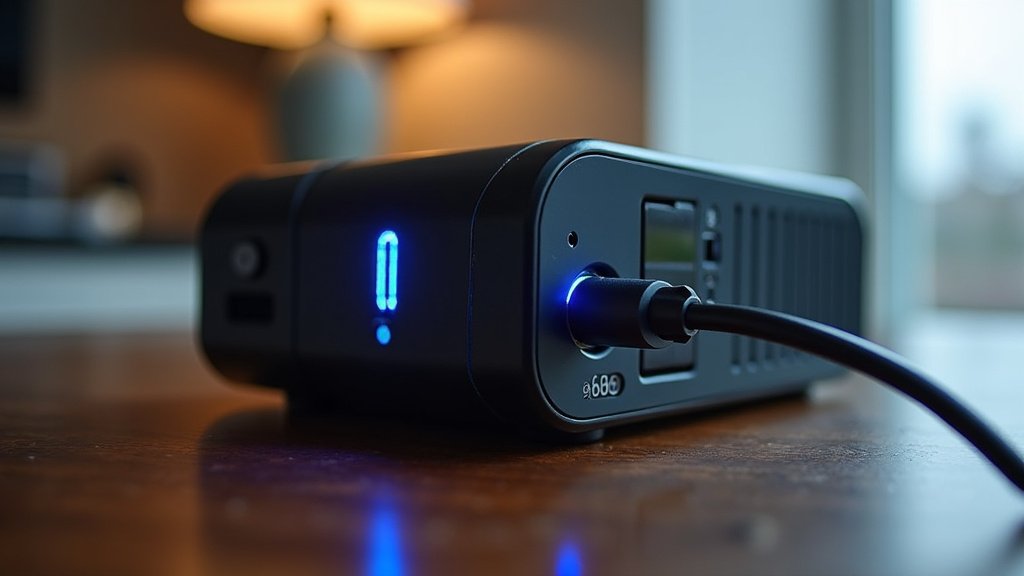
Environmental Factors: Temperature’s Surprising Role
Where you store and use your portable power station can have a significant impact on how well it holds its charge. Extreme temperatures, both hot and cold, can affect battery performance.
The Cold Affect: Reduced Performance
When batteries are exposed to cold temperatures, their internal chemical reactions slow down. This can temporarily reduce the battery’s capacity and its ability to deliver power. You might notice this effect with your car battery on a freezing morning.
We found that storing a power station in a very cold garage or leaving it in a car overnight during winter can lead to a faster perceived discharge. The battery isn’t necessarily losing its actual charge capacity permanently, but its performance is hindered by the cold. Once it warms up, its capacity should recover.
The Heat Effect: Accelerated Degradation
On the flip side, excessive heat is detrimental to batteries. High temperatures can accelerate the chemical degradation processes within the battery, leading to a permanent loss of capacity. This is why you’re often advised not to leave electronics in a hot car or direct sunlight.
We found that prolonged exposure to high temperatures can permanently reduce how much charge your power station can hold. If you’re storing your power station in a hot environment, like a shed or a direct sunbeam, it could be contributing to its tendency to lose charge over time, not just overnight, but overall. Keeping batteries within their optimal temperature range is key (National Institutes of Health).
Tips to Minimize Overnight Power Loss
Now that you understand the common reasons for overnight charge loss, let’s look at practical steps you can take to keep your power station topped up and ready to go.
1. Disconnect Devices When Not in Use
The simplest way to prevent phantom power drain is to unplug devices from your power station when you’re done using them. If you’re not actively charging or powering something, disconnect it. This eliminates the possibility of those devices drawing power overnight.
2. Turn Off Unnecessary Outputs
Many power stations have multiple output ports (AC, USB-A, USB-C, 12V). Some models allow you to turn these ports off individually or collectively. Check your user manual to see if your power station has this feature. Turning off unused ports can help reduce internal power consumption.
3. Enable Eco Mode or Power Saving Features
Some power stations come with an “Eco Mode” or other power-saving features. When activated, these modes often automatically shut down the unit after a period of inactivity or reduce the power consumed by the internal circuitry. Consult your power station’s manual to see if it has such settings and how to enable them.
4. Store in a Moderate Environment
Avoid storing your power station in extreme temperatures. Keep it in a place that is neither excessively hot nor freezing cold. A climate-controlled room inside your house is usually the best option. This will help preserve the battery’s health and performance.
5. Consider Battery Health and Age
If your power station is several years old and you suspect battery degradation is the main issue, you might need to consider a battery replacement or a new unit. While this is an unfortunate reality of battery technology, understanding your unit’s age and charge cycle history can help you manage expectations.
6. Perform Regular Full Charges and Discharges (Occasionally)
While not for everyday use, occasionally performing a full charge cycle (charging to 100% and then draining it to a low level, as recommended by the manufacturer) can sometimes help recalibrate the battery’s internal monitoring system. This is more of a maintenance tip than a solution for daily overnight drain, and you should follow your specific model’s guidelines. Overdoing this can actually increase wear.
By understanding these factors and implementing these simple tips, you can significantly reduce the overnight charge loss of your portable power station and ensure it’s ready to power your devices whenever you need it.
Conclusion
It’s clear that your portable power station losing a bit of charge overnight is usually not a cause for alarm. We’ve seen that common culprits like phantom power drain from connected devices, the power station’s own internal circuits, aging batteries, and even temperature extremes are the most likely culprits. You have the power to minimize this by being mindful of what’s plugged in and where you store your unit. Taking these simple steps can help ensure your power station is ready when you need it most, giving you peace of mind for your next adventure or power outage.
Frequently Asked Questions
Can I leave devices plugged into my power station overnight?
You can, but it’s often not recommended if you want to conserve your power station’s charge. Devices left plugged in, even when off, can draw power through phantom drain. Disconnecting them when not actively charging is the best way to prevent this overnight loss.
Does the age of my power station affect its overnight charge loss?
Yes, absolutely. Like all rechargeable batteries, those in power stations degrade over time and with use. An older unit will naturally hold less charge and may lose a percentage overnight due to battery aging and reduced capacity.
How much charge loss is normal overnight for a portable power station?
A small amount of charge loss is normal, especially with modern electronics. We typically see a few percentage points of loss overnight due to internal circuits and standby power usage. If you notice a significant drop, it’s worth investigating the other factors.
Should I store my power station in a very cold or hot place?
No, extreme temperatures are bad for battery health. Storing your power station in a place that’s too cold can temporarily reduce performance, while excessive heat can cause permanent battery degradation. A moderate, climate-controlled environment is ideal.
What is “Eco Mode” and does it help with overnight drain?
Eco Mode, if your power station has it, is designed to save power. It often automatically shuts down the unit after a period of inactivity or reduces the energy used by internal components. Activating this feature can definitely help minimize overnight power loss.