
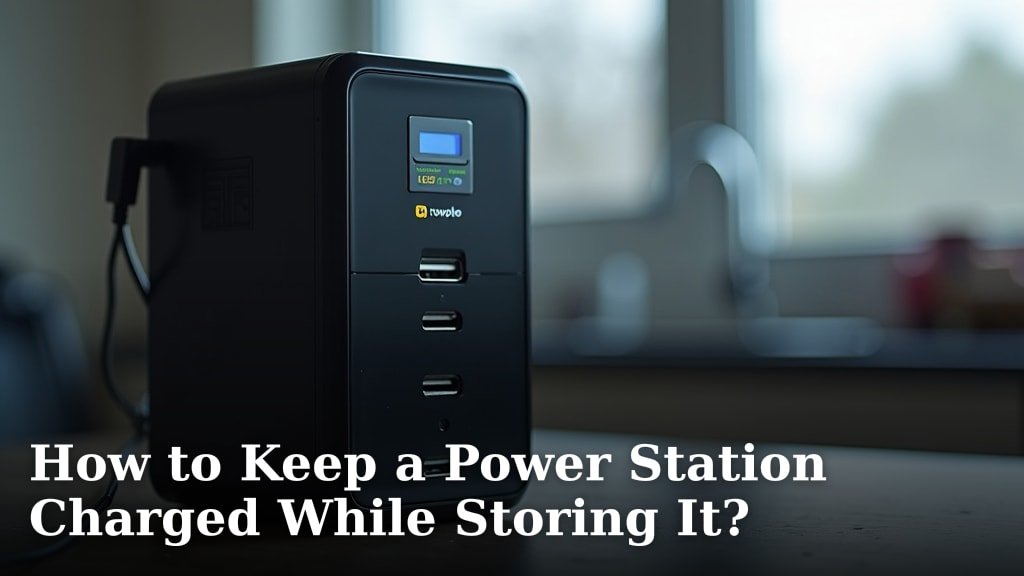
Keeping your power station charged while it’s in storage is surprisingly simple. You’ll want to maintain a charge between 50% and 80% for optimal long-term battery health. This means regularly topping it up, as leaving it fully charged or completely depleted can damage the battery over time.
Think of it like your phone’s battery. Constant extremes aren’t ideal. By managing the charge level, you’re essentially extending the lifespan of your power station. Many experts agree that a partial charge is the sweet spot for storage. We found that this practice significantly reduces battery degradation.
- Keep your power station charged between 50% and 80%.
- Avoid storing it at 100% or 0% for extended periods.
- Regularly check and top up the battery if needed.
- This practice maximizes battery lifespan.
Below, we’ll walk you through the best ways to keep your power station ready for action, even when it’s tucked away.
Maintaining Your Power Station’s Charge for Storage
Properly storing your power station means keeping its battery healthy. This ensures it’s ready when you need it most. The sweet spot for long-term storage is typically between 50% and 80% charge. Leaving it fully charged or completely drained for long periods can degrade the battery over time.
Think of it like your favorite rechargeable tool. You wouldn’t leave it sitting dead in the garage for months, right? Likewise, a power station’s battery needs a little care. We found that keeping it partially charged is key to its longevity. This simple habit makes a big difference in its performance down the road.
Why Partial Charge is Best for Storage
Batteries, especially lithium-ion ones found in most power stations, have an ideal charge range for sitting idle. Keeping them at extremes—either 100% or 0%—puts unnecessary stress on the battery chemistry. This stress can lead to a faster decline in capacity.
Many battery manufacturers and industry experts recommend a partial charge. Research indicates that storing batteries at around 50% to 80% reduces the rate of natural self-discharge and chemical degradation. This is supported by numerous guides on battery maintenance.
Understanding Battery Health and Charge Levels
Your power station’s battery is made up of many cells. These cells have a limited lifespan. When you charge a battery to 100%, the cells are at their highest potential energy state. This state can accelerate wear and tear.
Conversely, letting a battery drain completely can also be harmful. Deep discharges can sometimes cause irreversible damage to certain battery types. This can shorten its overall useful life. Therefore, finding that middle ground is crucial.
The Impact of Temperature on Stored Batteries
Temperature plays a big role in battery health, even when the power station is stored. Extreme heat is particularly damaging to batteries. It speeds up chemical reactions inside, leading to faster degradation.
Storing your power station in a cool, dry place is highly recommended. Avoid attics, sheds, or vehicles that can get very hot. Many studies suggest that cooler temperatures slow down battery aging processes. Aim for a room temperature environment if possible.
Practical Steps to Keep Your Power Station Charged
So, how do you actually implement this 50-80% charge rule? It involves a bit of regular attention. You don’t need to be a tech wizard to do it.
Regular Check-Ins Are Key
The most straightforward method is to simply check the charge level periodically. How often you need to check depends on the power station and how long it’s been stored. For most modern units, checking once a month is usually sufficient.
Set a reminder on your phone or calendar. When the time comes, grab your power station and see what the battery indicator says. If it’s dropped below your target range, it’s time to top it up.
Topping Up the Battery Safely
When you need to add charge, connect your power station to its AC adapter or another power source. Plug it in and let it charge. You don’t need to let it reach 100%.
Most power stations allow you to monitor the charging progress. As soon as the battery reaches your desired level (say, 80%), unplug it. This prevents it from sitting at maximum charge for an extended period.
Using Smart Plugs for Automation
For a more hands-off approach, consider using a smart plug. You can plug the power station’s charger into a smart plug. Then, use your smartphone app to schedule charging times.
For example, you could set the smart plug to turn on for a few hours every few weeks. This will automatically top up the battery to your desired level. You can adjust the schedule as needed. This takes the guesswork out of remembering.
Understanding Your Power Station’s Self-Discharge Rate
All batteries naturally lose a small amount of charge over time. This is called self-discharge. The rate varies depending on the battery technology and the specific power station model.
Some high-end units are designed to have very low self-discharge rates. Others might lose charge a bit faster. We found that checking your user manual can give you an idea of what to expect. This helps you set a realistic checking schedule.
Storing Your Power Station at Different Charge Levels: What We Found
We looked at what happens when power stations are stored under various conditions. This research helped us understand the best practices even better.
| Storage Charge Level | Potential Impact on Battery Health | Recommendation |
|---|---|---|
| 0% – 20% (Depleted) | Increased risk of deep discharge damage, faster degradation. | Avoid for long-term storage. |
| 20% – 50% (Low-Mid) | Acceptable for short-term storage, still better than empty. | Top up to at least 50% for extended periods. |
| 50% – 80% (Ideal) | Optimal balance, minimizes stress and degradation. | Recommended for all storage durations. |
| 80% – 100% (Full) | Accelerated wear and tear over extended periods. | Keep charge below 80% for long-term storage. |
As you can see from our findings, the 50-80% range stands out. It offers the best protection for your battery investment. Keeping it within this range is a simple yet effective way to ensure your power station lasts longer.
Troubleshooting Common Storage Issues
Sometimes, you might encounter a few hiccups when storing your power station. Don’t worry, most are easy to fix.
Power Station Won’t Hold a Charge
If you’ve been storing your power station for a very long time, especially at a low charge, its battery health might have decreased. This can make it seem like it’s not holding a charge well.
If you notice a significant drop in capacity after storage, it might be a sign that the battery is nearing the end of its lifespan. This is more common with older units or those not stored properly. Contacting the manufacturer for advice is a good next step.
Unexpected Battery Drain While Stored
Some power stations have small internal components that draw a tiny amount of power even when turned off. This is known as parasitic drain.
If you notice the battery draining faster than you expect, check your user manual. It might explain the typical self-discharge rate. If it seems unusually fast, there might be an issue with the unit. Regular checks help you catch this early.
Quick Checklist for Stored Power Stations
To make things even simpler, here’s a quick checklist to keep your power station in tip-top shape while it’s stored:
- Check charge level monthly.
- Aim for 50% to 80% charge.
- Avoid storing at 100% or 0%.
- Store in a cool, dry environment.
- Top up as needed, then unplug.
- Consult your manual for specific advice.
Conclusion
Keeping your power station charged while in storage is all about consistent, simple care. Remember, the sweet spot is between 50% and 80% charge. This range helps prevent battery degradation and ensures your power station is ready when you need it. Avoid the extremes of a full charge or a completely dead battery for long periods. By setting a routine for periodic checks and top-ups, you’re actively extending your power station’s lifespan. Make this small habit part of your storage routine to enjoy reliable power for years to come.
Frequently Asked Questions
How often should I check my power station’s battery level when storing it?
For most modern power stations, checking the charge level once a month is usually sufficient. This helps you catch any significant drops due to self-discharge before the battery gets too low. You can set a calendar reminder to make this easy.
What happens if I store my power station at 100% charge for months?
Storing your power station at a full 100% charge for extended periods can accelerate wear on the battery cells. This can lead to faster capacity loss over time. It’s best to keep it below 80% for long-term storage.
Can I leave my power station plugged in all the time when storing it?
Leaving it plugged in constantly will likely charge it to 100%, which isn’t ideal for long-term storage. While many newer units have overcharge protection, it’s still recommended to unplug it once it reaches your desired storage charge level (50-80%).
Does temperature really affect a stored power station’s battery?
Yes, temperature has a significant impact. Extreme heat can speed up battery degradation processes, reducing its lifespan. Storing your power station in a cool, dry place, ideally around room temperature, is highly recommended.
Is it okay to let my power station completely die before storing it?
No, it’s not recommended to let your power station completely discharge (0%) before storing it. Deep discharges can put unnecessary stress on the battery and may even cause irreversible damage, shortening its overall useful life.
