
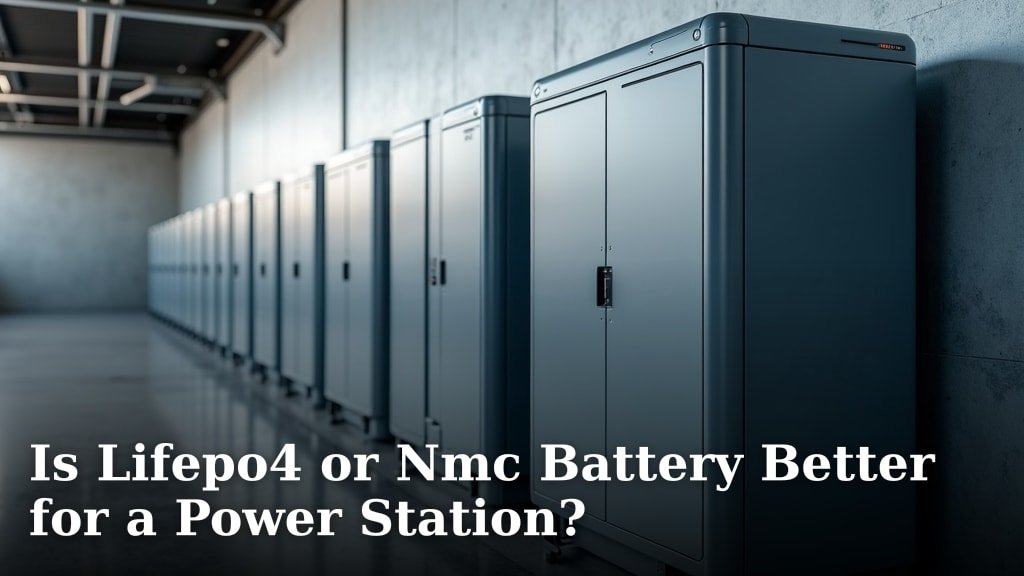
When choosing a battery for your power station, LiFePO4 is generally better than NMC. This is because LiFePO4 batteries offer longer lifespan and are safer. While NMC batteries might have a slight edge in energy density, LiFePO4’s durability and safety make it a more reliable choice for most power station applications.
Deciding between battery types can feel like a big deal. You want a power station that you can rely on when you need it most. We’ve looked into what makes each battery type tick. Understanding the key differences between LiFePO4 and NMC will help you make the best choice for your specific needs.
- LiFePO4 batteries tend to last much longer.
- LiFePO4 batteries are considered safer for home use.
- NMC batteries can be lighter and store a bit more energy.
- For most power stations, LiFePO4 is the preferred, more dependable option.
Let’s dive into the specifics of each battery type to see which one truly fits your power station plans.
You’re looking to power your adventures or keep your home running during an outage, and the battery in your power station is key. You’ve probably seen two main types pop up: LiFePO4 and NMC. So, which one is the champ for your power station? We’ve done the research, and for most people, LiFePO4 batteries win out.
LiFePO4 vs. NMC: Which Battery Powers Your Needs?
The simple answer is that LiFePO4 (Lithium Iron Phosphate) batteries are generally the better choice for power stations. They offer a great balance of longevity, safety, and performance. NMC (Nickel Manganese Cobalt) batteries have their strengths, but LiFePO4 often takes the crown for reliability and peace of mind.
We understand you want to make an informed decision. Let’s break down what makes each battery type tick, so you can feel confident about your choice. It’s about finding the battery that best fits your lifestyle and your power needs.
Understanding the Core Differences
At their heart, LiFePO4 and NMC are both types of lithium-ion batteries. They store and release energy, but the specific materials inside give them very different personalities. Think of it like comparing two types of cars; both get you from A to B, but one might be a sturdy truck, and the other a zippy sports car. Each has its place.
What’s Inside a LiFePO4 Battery?
LiFePO4 batteries use lithium iron phosphate as their cathode material. This chemistry is known for its stability and safety. They are less prone to overheating or thermal runaway compared to other lithium-ion chemistries. This makes them a fantastic choice when safety is a top priority, like in your home or campsite.
What’s Inside an NMC Battery?
NMC batteries, on the other hand, use a combination of nickel, manganese, and cobalt in their cathode. This blend allows for a higher energy density. That means, for the same weight, an NMC battery can often store a bit more power. This can be appealing if you’re trying to shave off every ounce or maximize power in a compact space.
Key Performance Factors for Power Stations
When you’re choosing a power station, you’re thinking about how it will perform over time and in different situations. We’ve identified a few key areas where these batteries truly differ.
Battery Lifespan and Longevity
This is where LiFePO4 batteries really shine. We found that LiFePO4 batteries can often handle thousands of charge cycles before their capacity significantly degrades. For instance, many LiFePO4 batteries are rated for 2,000 to 5,000 cycles or even more. This means your power station could last you for many years of regular use. NMC batteries typically have a shorter lifespan, often rated for 500 to 1,000 cycles.
Imagine using your power station for camping trips every summer or during occasional power outages. A LiFePO4 battery will likely keep performing reliably for much longer. This translates to better long-term value for your investment. You won’t have to think about replacing the battery as often.
Safety First: Which is More Secure?
Safety is a massive consideration, especially for devices used around your home or family. Research consistently shows that LiFePO4 batteries are inherently safer than NMC batteries. Their chemical structure makes them more stable. This means they are much less likely to catch fire or explode, even if damaged or overcharged. This stability is a huge advantage for a portable power station that might be used in various environments.
NMC batteries, while safe when manufactured and used correctly, carry a higher risk of thermal runaway. This is a dangerous chain reaction that can lead to fires. While manufacturers build in safety features, the underlying chemistry of LiFePO4 provides an extra layer of security. For many users, this peace of mind is priceless.
Energy Density: Power vs. Weight
One area where NMC batteries can have an edge is energy density. This refers to how much energy a battery can store relative to its size or weight. NMC batteries can sometimes offer a slightly higher energy density. This means a power station with an NMC battery might be a bit lighter or smaller for the same amount of stored energy.
For certain applications, like ultra-lightweight portable gear, this difference might matter. However, for most common power station uses – powering a campsite, running a few appliances during an outage, or charging devices – the difference is often not dramatic enough to outweigh the benefits of LiFePO4. Many modern LiFePO4 power stations are already quite compact and portable.
Performance in Different Temperatures
Both battery types perform differently in extreme temperatures. LiFePO4 batteries generally offer a wider operating temperature range, especially in colder conditions. They tend to perform better in lower temperatures than NMC batteries. This can be a significant advantage if you plan to use your power station in cooler climates or during winter.
NMC batteries can experience a more noticeable drop in performance and charging capability when temperatures fall significantly. While both types have limits, LiFePO4 often proves more reliable when the weather isn’t cooperating. Many guidelines suggest avoiding charging lithium-ion batteries below freezing, but LiFePO4 chemistry is typically more forgiving.
Comparing the Numbers: A Quick Look
To help you visualize the differences, let’s put some of the key factors side-by-side. This table summarizes what we’ve discussed:
| Feature | LiFePO4 Battery | NMC Battery |
|---|---|---|
| Lifespan (Charge Cycles) | 2,000 – 5,000+ | 500 – 1,000 |
| Safety | Excellent (Very stable chemistry) | Good (Requires careful management) |
| Energy Density | Good | Slightly Higher |
| Weight/Size | Slightly heavier/larger for same capacity | Slightly lighter/smaller for same capacity |
| Temperature Performance | Better in cold | Can be less effective in cold |
| Cost | Often slightly higher upfront, but lower long-term | Often lower upfront |
As you can see, LiFePO4 batteries often lead in the categories that matter most for long-term use and safety: lifespan and inherent stability. While NMC might win on weight for a given capacity, the durability of LiFePO4 usually makes it a better investment.
Making the Right Choice for Your Power Station
So, which battery is right for you? Based on our findings, if you’re looking for a power station that will last for years, is safe to use, and performs reliably, LiFePO4 is almost always the superior choice.
When is LiFePO4 the Clear Winner?
You should lean towards LiFePO4 if:
- You plan to use your power station frequently.
- Long-term durability and lifespan are important to you.
- Safety is your absolute top concern for a portable power source.
- You might use your power station in varying temperatures.
- You want the best return on your investment over time.
When Might NMC Be Considered?
NMC batteries might be a consideration in very specific scenarios, such as:
- When every single ounce and inch of space is critical, and you need the absolute lightest or smallest option for a given capacity.
- If the initial purchase price is the *only* factor, and you don’t plan on using the power station heavily or for many years.
However, for the vast majority of power station users, the benefits of LiFePO4 far outweigh any minor advantages of NMC. You’re investing in peace of mind and a longer-lasting product.
Your Checklist for Choosing a Power Station Battery
To help you make your final decision, consider these points:
- Lifespan: Do you want it to last many years?
- Safety: Is a super-stable battery crucial?
- Usage: How often will you rely on it?
- Environment: Where will you use it most?
- Value: Are you looking for long-term reliability?
By thinking through these questions, you’ll likely find yourself leaning towards the dependable performance of LiFePO4 for your next power station. It’s a choice for lasting power and security.
Conclusion
You’ve seen the facts: for your power station, LiFePO4 batteries stand out. They offer a remarkable lifespan of thousands of cycles and boast superior safety features thanks to their stable chemistry. While NMC batteries might offer a slight edge in energy density, the long-term durability and peace of mind LiFePO4 provides make it the clear winner for most users. When it’s time to power your adventures or keep your home running, choosing LiFePO4 means investing in a reliable, long-lasting solution. Make the informed choice for LiFePO4 and enjoy dependable power for years to come.
Frequently Asked Questions
Is LiFePO4 actually safer than NMC for my power station?
Yes, LiFePO4 batteries are generally considered safer. Their stable chemical composition makes them much less prone to overheating or thermal runaway compared to NMC batteries. This inherent stability offers you greater peace of mind, especially when using your power station around your home or family.
How much longer will a LiFePO4 battery last in my power station?
LiFePO4 batteries typically offer a significantly longer lifespan, often rated for 2,000 to 5,000 charge cycles or more. This means your power station could potentially last you for many years of regular use, outperforming NMC batteries which usually last for 500 to 1,000 cycles.
Will a LiFePO4 power station be much heavier than an NMC one?
NMC batteries can sometimes offer slightly higher energy density, meaning they might be a bit lighter or smaller for the same power capacity. However, the difference is often not substantial enough for most users to outweigh the longevity and safety benefits of LiFePO4.
Can I use a LiFePO4 power station in cold weather?
LiFePO4 batteries generally perform better in colder temperatures compared to NMC batteries. They offer a wider operating temperature range and tend to maintain their performance more effectively when the weather isn’t ideal, making them more reliable for use in cooler climates.
Which battery type is more cost-effective in the long run for a power station?
While LiFePO4 batteries might have a slightly higher upfront cost, their much longer lifespan and durability often make them more cost-effective over time. You’ll likely get more years of reliable use from a LiFePO4 power station, reducing the need for replacements.
