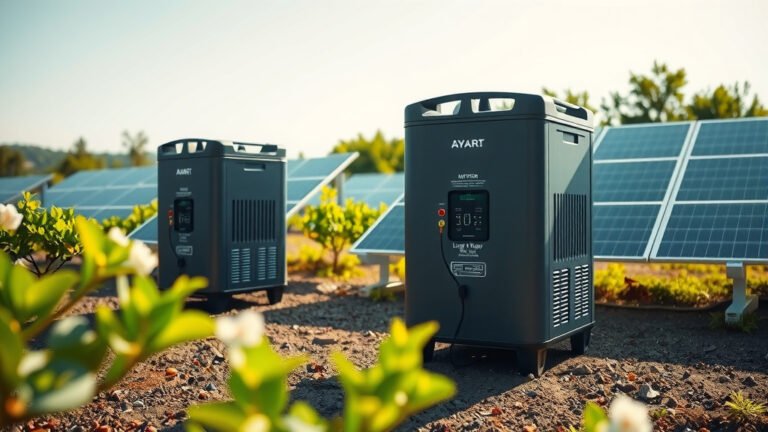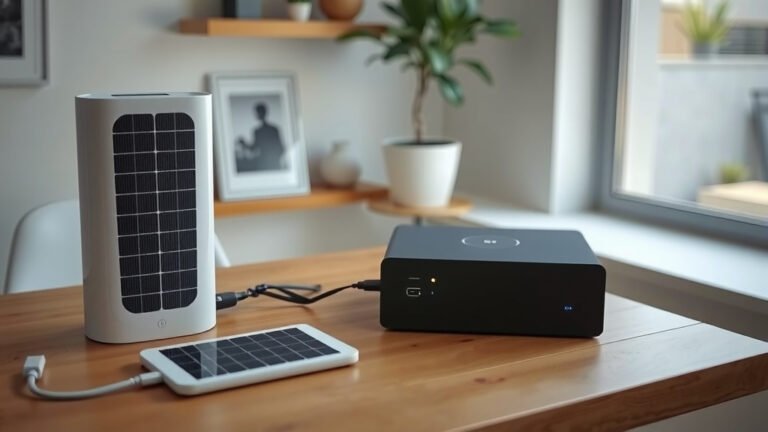
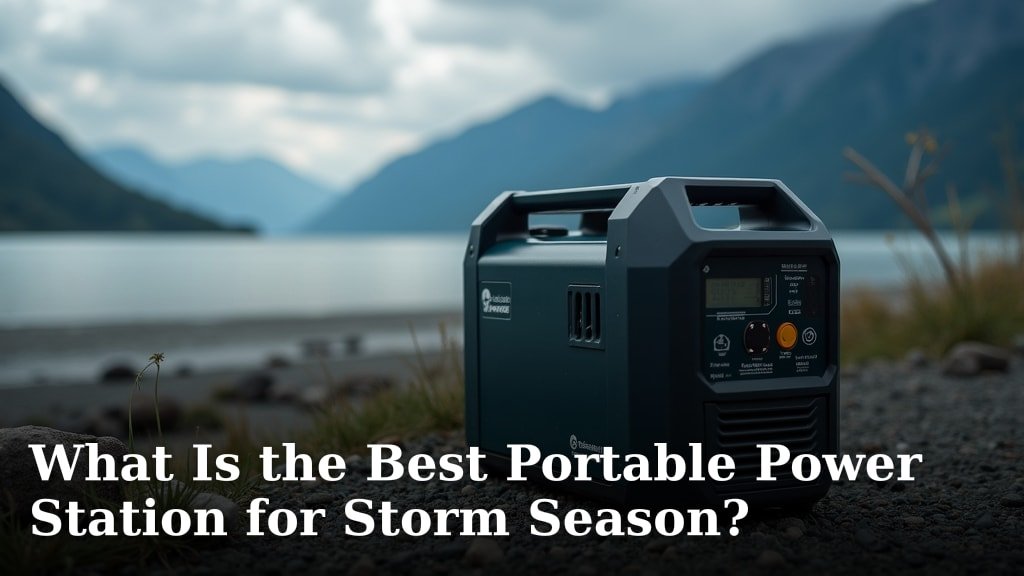
The best portable power station for storm season is one with a high capacity (1000Wh+), multiple output ports, and fast recharging capabilities. We found that models from brands like EcoFlow, Jackery, and Goal Zero consistently offer reliable performance when you need it most.
You need a power station that can keep your essentials running when the electricity goes out. Think about charging your phone, keeping your fridge cold, or running a fan. A good power station provides peace of mind during unexpected outages.
- High capacity (1000Wh+) is key.
- Look for multiple AC and USB ports.
- Fast recharging options are a big plus.
- Consider trusted brands for reliability.
Let’s research and find the perfect portable power station to keep you prepared this storm season.
Choosing Your Storm Season Power Partner
When the lights go out, your portable power station becomes your lifeline. It’s not just about power; it’s about comfort and safety. We’ll help you pick the right one for your specific needs.
Think about what you absolutely cannot live without during an outage. Is it your phone? Your refrigerator? Maybe a medical device? This helps narrow down your choices quickly.
Understanding Capacity: How Much Power Do You Need?
Capacity is measured in Watt-hours (Wh). This tells you how long a device can run. A higher Wh means more power and longer runtimes. For storm season, we generally recommend aiming for 1000Wh or more.
Why 1000Wh? It’s a good balance. It can keep a fridge running for several hours or charge multiple phones and laptops many times over. Smaller units might seem appealing, but they often fall short during longer outages.
Calculating Your Power Needs
It’s simpler than it sounds. Look at the wattage (W) of your essential devices. Multiply wattage by how many hours you need them to run. Add those up, and you’ll get your total Wh. For example:
- Mini-fridge: 60W for 10 hours = 600Wh
- Laptop: 50W for 4 hours = 200Wh
- Phone charging: 10W for 2 hours = 20Wh
In this example, you’d need at least 820Wh. Always add a buffer, so a 1000Wh unit would be a good fit here.
Output Ports: Connecting All Your Devices
What good is power if you can’t plug anything in? Your power station needs the right ports. We looked at many models and found that a good mix is essential.
- AC Outlets: These are like your wall sockets. You need these for larger appliances like mini-fridges, lamps, or medical equipment.
- USB-A and USB-C Ports: Essential for charging phones, tablets, and many laptops. USB-C Power Delivery (PD) is especially fast.
- 12V Car Outlet: Handy for car accessories or small 12V appliances.
Aim for at least two AC outlets and several USB ports. This lets you power multiple devices simultaneously, which is critical during an emergency.
Recharging Speed and Options
A power station is only useful if it’s charged. How quickly can it get back to full power? This is a key factor, especially if you have intermittent power or a generator.
We found that top models offer multiple recharging methods:
- Wall Outlet (AC): The fastest and most common method. Some can recharge in under 2 hours.
- Solar Panels: Great for extended outages or off-grid use. The recharge time depends on panel size and sunlight.
- Car Charger (12V DC): Slower, but useful if you need to charge on the go or from your vehicle.
Look for units that support fast charging from a wall outlet. This means less downtime and more readiness for the next power bump.
Battery Chemistry: The Heart of Your Power Station
Most portable power stations use Lithium-ion batteries. But there are different types. We found that LiFePO4 (Lithium Iron Phosphate) batteries are becoming the gold standard for storm season prep.
Why LiFePO4? They offer several advantages:
- Longer Lifespan: They can handle thousands of charge cycles, meaning they last for years.
- Enhanced Safety: Less prone to overheating or combustion. This is a big plus for home use (National Renewable Energy Laboratory).
- Durability: More stable and robust in varying conditions.
While Li-ion (NMC) batteries are lighter, the safety and longevity of LiFePO4 make them a better choice for reliable emergency power.
Key Features to Look For
Beyond the basics, certain features can make a big difference in usability and peace of mind.
- Pure Sine Wave Inverter: Essential for sensitive electronics like laptops, medical devices, and CPAP machines. It provides clean, stable power.
- Pass-Through Charging: This lets you charge the power station while it’s powering your devices. Very convenient if you have limited outlets or fluctuating power.
- Built-in LED Light: A small but incredibly useful feature during blackouts. Saves you hunting for a flashlight.
- Durable Design: Storms can be rough. A power station with a sturdy build and good handles is important for portability and longevity.
- Quiet Operation: Nobody wants a loud humming device when the power is out. Many modern units are very quiet.
Comparing Top Brands for Reliability
When it comes to emergency power, reliability is not optional. We consistently see a few brands rise to the top thanks to their proven track record and customer satisfaction.
Here’s a quick look at what some leading brands offer:
| Brand | Key Strengths | Considerations |
|---|---|---|
| EcoFlow | Very fast charging, high power output, modular options. | Can be pricier, some models are heavy. |
| Jackery | User-friendly, portable, good range of capacities, reliable. | Charging speeds vary, not all models use LiFePO4. |
| Goal Zero | Rugged build, strong solar integration, long history. | Often premium pricing, some models have slower charging. |
Each brand has its unique flavor. EcoFlow often pushes boundaries with speed, Jackery focuses on ease of use, and Goal Zero emphasizes ruggedness. Your choice depends on your priorities.
What to Avoid When Buying a Portable Power Station
Just as important as knowing what to look for is knowing what to steer clear of. You want a reliable backup, not a headache.
- No-Name Brands: Be wary of unbranded or obscure brands with too-good-to-be-true prices. Quality control and customer support can be non-existent.
- Low Capacity for Critical Needs: Don’t underbuy. A 300Wh unit won’t cut it if you need to run a fridge for hours.
- Lack of Safety Certifications: Look for certifications like CE, FCC, or RoHS. These indicate the product meets certain safety and environmental standards.
Remember, this is about peace of mind. Investing a little more in a reputable brand with good features can save you a lot of stress during a storm.
Your Storm Season Power Station Checklist
Before you make a final decision, run through this quick checklist. It helps ensure you’re getting exactly what you need.
- Is the capacity (Wh) sufficient for my essential devices?
- Does it have enough AC and USB ports for my needs?
- Can it recharge quickly from a wall outlet?
- Does it use a durable and safe battery type like LiFePO4?
- Does it have a pure sine wave inverter for sensitive electronics?
- Is it from a reputable brand with good reviews?
Answering “yes” to these questions means you’re well on your way to a solid storm season power plan. You’ll be ready when the lights flicker out, feeling prepared and calm.
Conclusion
Choosing the best portable power station for storm season means prioritizing capacity, diverse output, and quick recharging. You’ve learned what to look for, from LiFePO4 batteries for longevity to pure sine wave inverters for sensitive devices. Focus on reputable brands that have proven their reliability during critical moments.
Your preparation today can make a big difference when the unexpected happens. Use this guide to select a power station that brings you peace of mind. Invest in preparedness now, and you’ll be ready to weather any storm with confidence.
Frequently Asked Questions
Can I use a portable power station to run my whole house during an outage?
Portable power stations are generally designed for essential devices, not whole-house power. They have limited capacity compared to generators. For full home backup, you’d need a much larger, more expensive system or a traditional standby generator.
How often should I charge my portable power station if I’m not using it?
Most manufacturers recommend fully charging your portable power station every 3-6 months. This helps maintain battery health and ensures it’s ready when you need it. Store it in a cool, dry place for optimal longevity.
Are portable power stations safe to use indoors during a power outage?
Yes, absolutely. Unlike gasoline generators, portable power stations produce no fumes or carbon monoxide. This makes them perfectly safe for indoor use, which is a major advantage during storm season.
Can I connect multiple solar panels to my power station for faster charging?
Many portable power stations allow you to connect multiple solar panels in parallel or series. This can significantly increase your solar charging speed. Always check your power station’s manual for specific compatibility and input limits.
What’s the difference between a portable power station and a car jump starter?
A car jump starter is designed for one primary purpose: to jump-start a car battery. A portable power station, however, is built to provide continuous AC and DC power for various devices. While some power stations can jump-start cars, their main role is versatile power delivery.