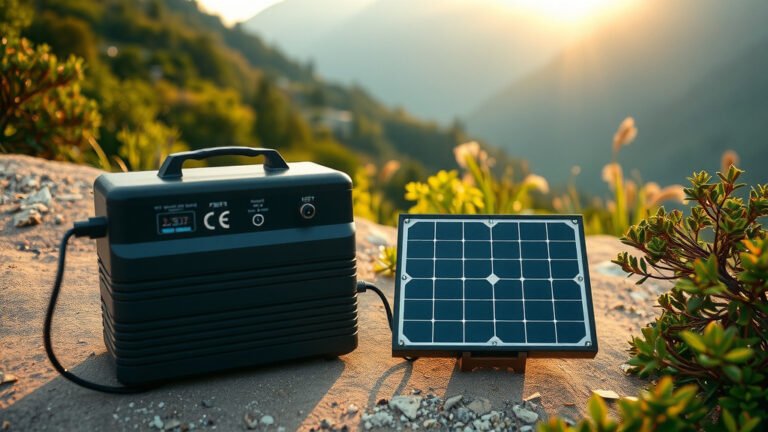
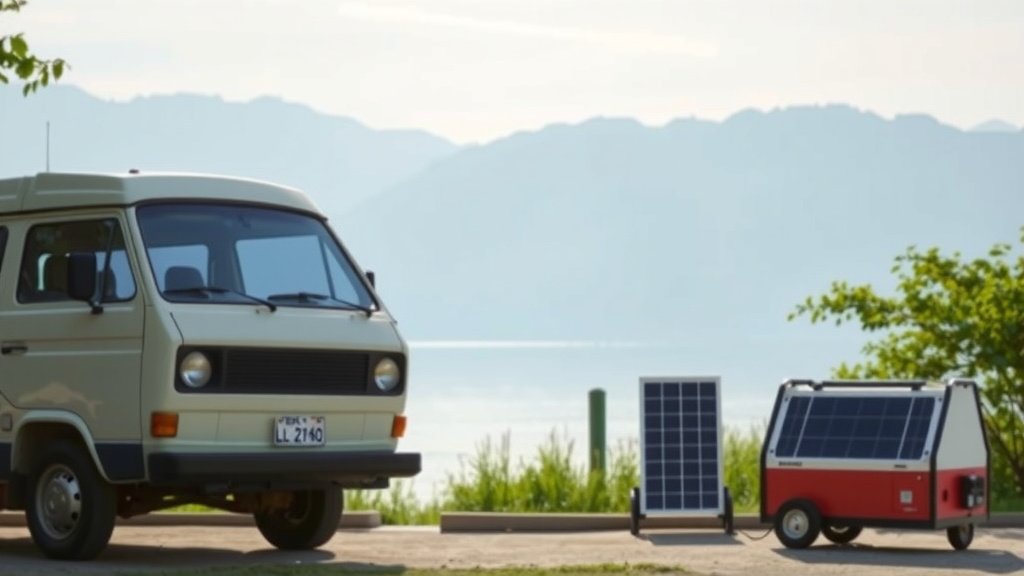
Yes, a solar generator is excellent for van life because it provides silent, clean power without needing fuel or constant engine running.
Solar generators offer van lifers reliable electricity for lights, phones, laptops, and small appliances while staying completely off-grid for weeks.
What Makes Solar Generators Perfect for Van Life
Van life means freedom. But freedom shouldn’t mean living without basic comforts like cold drinks or charged devices.
Solar generators solve this problem beautifully. They capture sunlight during the day and store it as electricity for whenever you need power. No noise, no fumes, no trips to gas stations.
I found that most van lifers use between 50-100 amp hours of power daily. A good solar generator can easily handle this demand while you park in sunny spots.
Silent Operation for Peaceful Camping
Gas generators sound like lawn mowers. They wake up neighbors and break campground quiet hours.
Solar generators run completely silent. You can charge your laptop at midnight without disturbing anyone. Many campgrounds that ban gas generators welcome solar power systems.
No Fuel Worries
Carrying gas cans in your van creates safety risks. Gas goes bad after a few months. Finding fuel in remote areas can be challenging.
Solar generators need only sunlight. As long as the sun rises, you have a power source. This freedom lets you stay in beautiful, isolated spots longer.
How Much Power Do You Really Need
Most people overestimate their power needs. Let me break down typical van life electricity use.
Essential Daily Power Usage
Your basic daily power needs probably look like this:
- LED lights: 10-20 watts for 4 hours
- Phone charging: 15 watts for 2 hours
- Laptop use: 60 watts for 4 hours
- Small fan: 30 watts for 6 hours
- Water pump: 50 watts for 30 minutes
This adds up to roughly 500-700 watt hours daily. A mid-sized solar generator handles this easily.
Higher Power Appliances
Some appliances need more juice. Here’s what I found from researching common van life gear:
- 12V fridge: 40-60 watts continuously
- Microwave: 1000-1500 watts for short periods
- Hair dryer: 1200-1800 watts
- Coffee maker: 800-1200 watts
For these bigger appliances, you’ll need a solar generator with higher wattage output and larger battery capacity.
Choosing the Right Solar Generator Size
Solar generators come in three main sizes. Pick based on your actual needs, not your fears.
Small Units (300-500 Wh)
Perfect for minimalist van lifers. These handle phones, tablets, cameras, and LED lights.
Weight: 10-15 pounds. Easy to move around and store. Great for weekend trips or backup power.
Medium Units (1000-1500 Wh)
The sweet spot for most van lifers. Run laptops, small fridges, fans, and lights for several days.
These typically weigh 25-40 pounds. Still manageable but provide serious power capacity.
Large Units (2000+ Wh)
For van lifers who want home-like comfort. Run microwaves, coffee makers, and power tools.
Weight becomes an issue at 50+ pounds. Consider if you really need this much power versus the space and weight costs.
Solar Panel Considerations
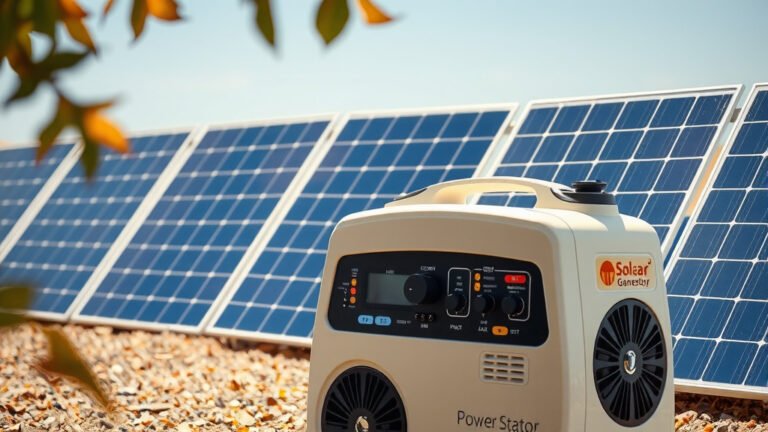
Your solar generator needs solar panels to recharge. This is where many people make mistakes.
How Many Panels Do You Need
I read that most solar generators come with small panels that recharge slowly. For van life, you usually need more solar input.
A good rule: your solar panel wattage should match your daily power usage. Use 500 watts daily? Get 400-600 watts of solar panels.
Roof Mount vs Portable Panels
Roof-mounted panels stay connected and charge while you drive. But you must park in full sun.
Portable panels let you park in shade while placing panels in sunny spots. More flexible but requires setup daily.
Real-World Solar Generator Performance
Solar generators work differently in real conditions than lab tests suggest.
Weather Impact
Cloudy days reduce solar input by 70-90%. Rainy stretches mean running on stored power only.
Plan for 3-5 days of cloudy weather. Size your battery capacity accordingly.
Temperature Effects
Batteries lose capacity in cold weather. I found research showing 20-30% capacity loss at freezing temperatures.
In hot weather, batteries charge slower and may shut down to prevent overheating. Park in shade when possible.
Seasonal Variations
Winter sun sits lower and provides fewer hours of good charging. Summer gives you long, productive charging days.
Plan your route seasonally. Follow good weather for maximum solar efficiency.
Installation and Setup Options
Solar generators offer multiple setup approaches for van life.
Plug-and-Play Systems
Many solar generators work right out of the box. Plug in panels, let them charge, then use power as needed.
Perfect for people who want simple solutions without electrical knowledge.
Integrated Van Systems
Wire your solar generator into your van’s 12V system. This powers built-in lights, fans, and outlets automatically.
Requires basic electrical skills but creates a cleaner, more permanent setup.
Professional Installation
Van conversion shops can integrate solar generators with your other systems. Costs more but ensures everything works safely together.
Cost Analysis for Van Life Solar
Let’s look at real numbers. Solar generators cost more upfront but save money long-term.
Initial Investment Breakdown
| System Size | Generator Cost | Panel Cost | Total Investment |
|---|---|---|---|
| Small (500Wh) | $400-600 | $200-400 | $600-1000 |
| Medium (1200Wh) | $800-1200 | $400-600 | $1200-1800 |
| Large (2000Wh+) | $1500-2500 | $600-1000 | $2100-3500 |
Operating Costs
Solar generators have minimal ongoing costs. No fuel, oil changes, or maintenance schedules.
Batteries eventually need replacement after 5-10 years depending on use. But daily operating cost is essentially zero.
Common Problems and Solutions
Every power system has challenges. Here’s what I learned about typical issues.
Insufficient Charging Time
Short winter days and frequent travel limit charging opportunities.
Solution: Add more solar panels or charge from your van’s alternator while driving.
Power Hungry Appliances
Air conditioning and electric heating exceed most solar generator capabilities.
Solution: Use 12V fans, diesel heaters, or propane appliances for high-energy needs.
Battery Degradation
Lithium batteries lose capacity over time, especially with daily deep cycling.
Solution: Size your system larger than minimum needs. Avoid completely draining batteries when possible.
Safety Considerations
Solar generators are generally safer than gas generators, but smart practices still apply.
Ventilation Requirements
Unlike gas generators, solar units can safely run inside your van. No carbon monoxide risk.
However, batteries generate some heat during heavy use. Ensure adequate airflow around the unit.
Fire Prevention
Use proper fuses and wire gauges for any permanent installations. Lithium batteries can catch fire if damaged or overcharged.
Many experts recommend keeping generators easily accessible and not buried under gear.
Alternatives to Consider
Solar generators aren’t the only van life power option. Let’s compare alternatives briefly.
Traditional Solar Systems
Custom solar systems with separate batteries, charge controllers, and inverters often cost less and provide more flexibility.
But they require electrical knowledge to design and install safely.
Alternator Charging
Charge house batteries while driving using your van’s alternator. Works regardless of weather.
Combines well with solar generators for maximum power security.
Shore Power and Generators
Some van lifers mix solar with occasional campground hookups or small gas generators for cloudy periods.
Conclusion
Solar generators work wonderfully for van life when sized appropriately for your needs. They provide clean, quiet power that lets you stay off-grid longer while maintaining modern comforts. Choose based on your actual power usage, not worst-case scenarios. Start with a medium-sized system and add capacity if needed. The freedom to camp anywhere with reliable electricity makes the investment worthwhile for most van lifers.
Can a solar generator run an RV air conditioner?
Most solar generators cannot run standard RV air conditioners, which need 1500-3000 watts. Only the largest, most expensive units have sufficient power output, and they would drain quickly without massive solar panel arrays.
How long does it take to charge a solar generator?
Charging time depends on solar panel size and sunlight conditions. A 1000Wh generator with 400W of panels typically charges in 3-4 hours of direct sunlight, or 6-8 hours in partly cloudy conditions.
Do solar generators work in winter?
Solar generators work in winter but produce less power due to shorter days and weaker sunlight. Cold temperatures also reduce battery capacity by 20-30%, so you’ll need larger systems for reliable winter van life power.
Can you charge a solar generator while driving?
Yes, many solar generators can charge from your van’s 12V outlet or alternator while driving. This backup charging method helps during cloudy weather or when you need to travel frequently.
What appliances should you avoid with solar generators?
Avoid high-wattage heating appliances like space heaters, hair dryers, and electric kettles. These drain batteries quickly and exceed most solar generators’ output capacity. Use propane or 12V alternatives instead.